The Hasan Dog Meme Explained: Everything You Need to Know About Kaya and the Collar Drama
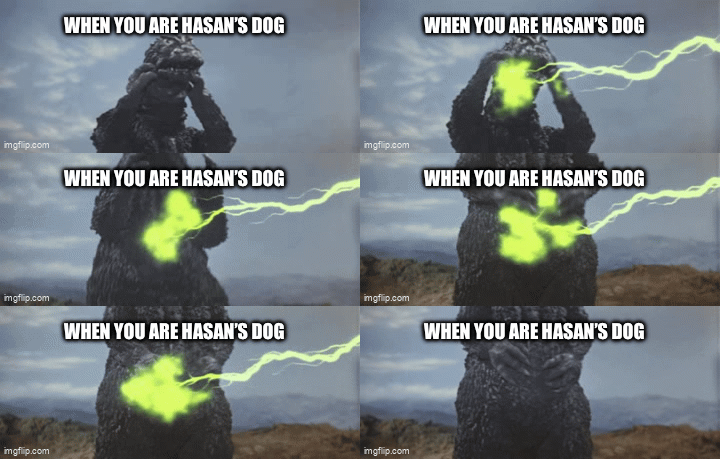
When a six-second clip from Hasan Piker’s daily broadcast began circulating across social video platforms in late 2025, it ignited an internet firestorm that quickly spiraled far beyond typical creator drama. Critics alleged that the political commentator had triggered an electric shock on his Tibetan Mastiff puppy, Kaya, after the dog suddenly jerked her head while resting beneath his desk. Within forty-eight hours, the incident spawned the satirical "Free Kaya" slogan, flooded live chat feeds across Twitch, and drew extensive investigative coverage from outlets including a detailed forbes.com report.
What started as a micro-controversy over canine handling quickly transformed into an enduring piece of platform folklore known across the internet as "Collargate." To understand why chat rooms still spam dog emojis and emancipation chants, one needs to dissect the viral clip, the mechanics of modern electronic collars, and the polarized online subcultures that turned a pet training dispute into a full-scale digital spectacle.
📌 Key Takeaways:
- The Spark: A brief clip showed Kaya flinching under Hasan Piker’s desk while his hand moved off-screen, sparking accusations that he used a remote shock collar on stream.
- The Defense: Piker denied ever shocking his dog, demonstrating on stream that the device was an electric vibration collar set to auditory and haptic feedback for boundary training.
- The Aftermath: The controversy turned into an ironic digital meme, with the phrase "Free Kaya" becoming a cross-platform weapon used by detractors and a joke adopted by chat moderators alike.
How a Livestream Moment Sparked Collargate
The controversy traceably began during a routine political broadcast in October 2025. While Piker was reacting to news coverage, Kaya shifted under his streaming desk. Viewers noticed Piker glance down, reach toward his lap, and make a subtle clicking or adjusting motion with his hand. Almost simultaneously, Kaya twitched, stood up abruptly, and stepped away from the desk area.
Clippers on Kick, Reddit’s r/LivestreamFail, and X isolated those critical seconds. Detractors asserted that the timing was too precise to be coincidental. They claimed Piker had pressed a remote trigger to deliver an electrostatic shock to stop Kaya from chewing cables or shifting noisily on camera. Because Kaya is a Tibetan Mastiff, a giant, independent guardian breed that requires extensive socialization, animal welfare enthusiasts and stream viewers immediately questioned the training regimen being broadcast to tens of thousands of live viewers.
Within hours, the footage migrated from Reddit threads to mainstream aggregators. Digital culture database Know Your Meme formally cataloged the incident under "Collargate," documenting how the narrative migrated from community concern into weaponized internet snark.
The Anatomy of the Clip and What Hasan Piker Said
As accusations of animal cruelty mounted, Piker addressed the claims during subsequent streams and across social media. He characterized the narrative as bad-faith defamation engineered by long-standing political adversaries and rival creator communities.
During a detailed on-camera rebuttal, Piker brought the collar to his desk microphone to demonstrate its settings. He explained that Kaya was wearing a multi-mode training collar equipped with audible tone and haptic vibration functions rather than an active static pulse. According to Piker, large guardian breeds like Tibetan Mastiffs easily tune out verbal cues when distracted, making non-harmful haptic buzzes a common tool recommended by professional trainers to interrupt fixation without causing physical pain.
He argued that Kaya’s physical reaction, a momentary pause and repositioning, was consistent with an unexpected vibration buzz beneath her thick double coat, not the agonizing jolt of high-voltage prongs. Piker emphasized that his hands were resting on his chair armrest while adjusting his posture rather than administering disciplinary shocks. Despite this clarification, clip-farming accounts had already set the viral machine in motion, prioritizing salacious framing over technical nuance.
Timeline of the Controversy: From Live Stream to Viral Dog Meme
The transition from a serious accusation to an ironic catchphrase happened at breakneck speed. As documented by coverage in The Times of India and independent digital culture trackers, the slogan "Free Kaya" moved rapidly across diverse streaming channels.
| Date | Milestone Event | Platform Resonance & Impact |
|---|---|---|
| October 8, 9, 2025 | A short clip of Kaya flinching airs; Reddit and X users accuse Piker of using a shock remote. | The clip amasses over 4.2 million views in 24 hours across community aggregators. |
| October 9, 10, 2025 | Piker delivers an on-stream defense, demonstrating the collar's vibration mode on microphone. | Indy100 and Forbes pick up the story; polarized debate divides veterinary and streaming communities. |
| October 16, 2025 | Know Your Meme officially indexes "Collargate" and cataloged image macros. | The phrase "Free Kaya" is adopted as a copypasta meme by rival Twitch chats. |
| December 2025, 2026 | The phrase shifts into an ironic shorthand whenever Piker's dog appears on camera. | Mainstream channels, including The Times of India, analyze the persistent spam phenomena. |
E-Collars, Vibration Trainers, and the Streaming Ethics Debate
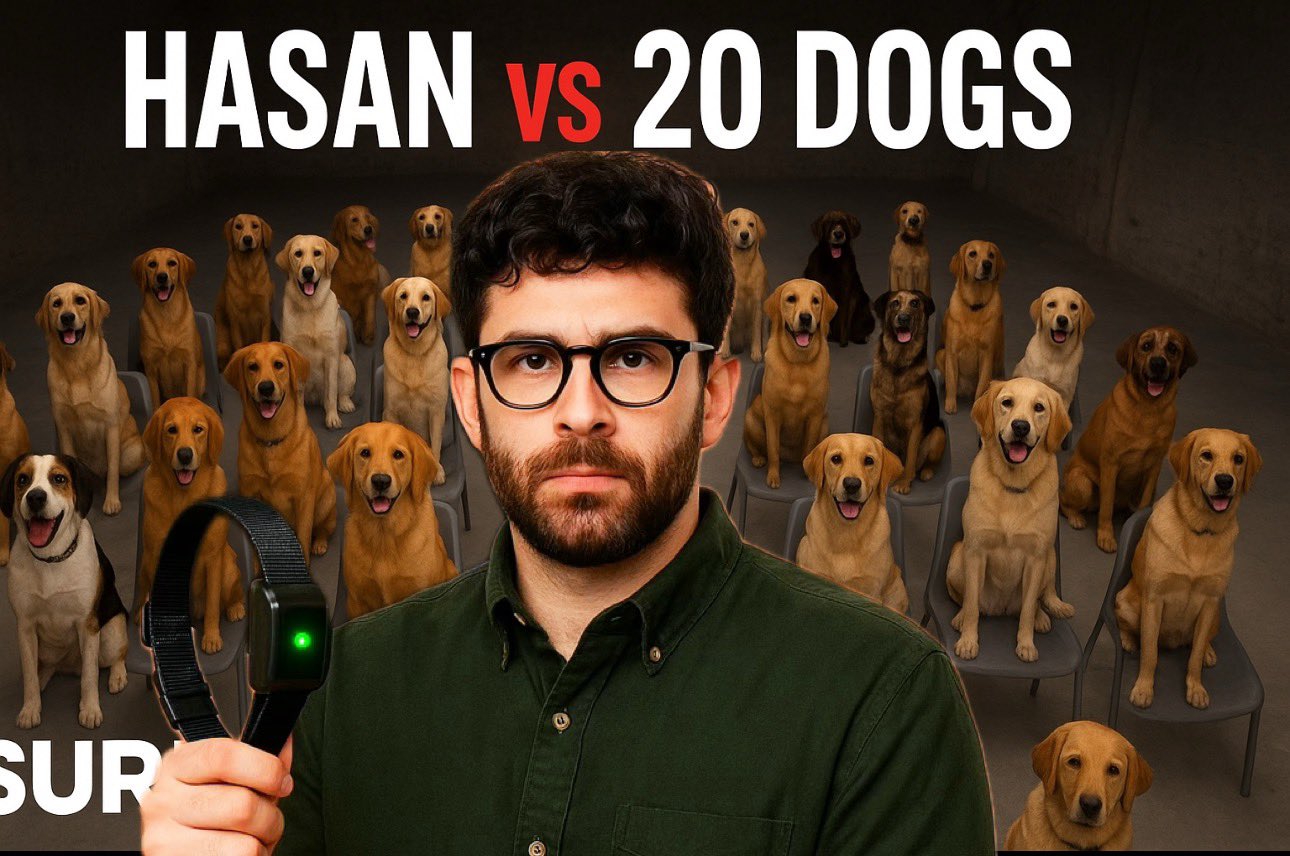
At the center of this controversy lies a very real divide in canine behavior management. Modern electronic training systems, commonly called e-collars, vary widely in functionality and intensity. Professional trainers distinguish heavily between classical aversive static shock and contemporary pager vibration units.
Static pulse collars emit electric stimulation across two metal contact points resting against the skin, delivering sensations ranging from a mild tingle to sharp distress. In contrast, vibration collars operate like a mobile phone’s silent alert, utilizing an internal oscillating motor without delivering any electrical charge to the animal. Many high-end modern collars feature both modes, allowing handlers to disable static shock entirely and rely solely on high-frequency tones or physical buzzes.
Because these devices share nearly identical plastic shells and antenna layouts, casual viewers cannot discern which setting is engaged from a standard 1080p webcam feed. When an animal is managed inside an eight-hour daily broadcast, the optical ambiguity invites rapid speculation. Viewers often project extreme interpretations onto otherwise standard domestic training routines, especially when a controversial figure is at the helm.
Why the 'Free Kaya' Meme Refuses to Die
In internet subcultures, memes that last rarely depend on objective facts. They survive because they serve a social function within streaming rivalries. The "Free Kaya" slogan endures because it encapsulates multiple digital dynamics simultaneously.
For dedicated political opponents, the dog collar allegation provided a potent hypocrisy narrative. Piker, an outspoken advocate for social justice, animal welfare, and progressive ethics, was suddenly accused of mistreating an innocent pet for livestream convenience. Painting him as a cruel pet owner offered critics an easy moral cudgel.
For neutral platform observers and trolls, the meme became prime copypasta material. Whenever Kaya barks, yawns, or moves out of the camera’s view, viewers can flood the chat with "FREE KAYA" or dog-bone emojis to derail serious political commentary. Over time, the phrase detached from the original ethical concern and settled into an automated, reflexive reaction designed to provoke the broadcaster.
Frequently Asked Questions (FAQ)
Q1: Did Hasan Piker actually shock his dog on stream?
A1: There is no definitive proof that an electric shock was administered. While critics point to Kaya's sudden movement as evidence of a shock, Piker demonstrated that the training collar was configured for vibration and tone alerts, maintaining that he has never used static shock on the animal.
Q2: What breed of dog is Kaya?
A2: Kaya is a Tibetan Mastiff. Known for their imposing size, protective nature, and strong-willed disposition, Tibetan Mastiffs require structured socialization and boundary management to handle indoor environments and frequent visitors safely.
Q3: Why do Twitch chats repeatedly spam "Free Kaya"?
A3: The phrase originated as a critical slogan during the initial collar allegations in late 2025. Over subsequent months, it evolved into an ironic community meme used across Twitch and Kick to tease Piker, mock his stream reactions, or clutter the chat window whenever his dog appears on camera.
Q4: Are vibration collars considered safe by dog trainers?
A4: Most professional canine trainers and behaviorists consider pure vibration and acoustic collars safe when properly fitted. Because they rely on tactile sensation rather than electric shock, they serve as non-painful interruptions for large or easily distracted dogs.
Livestream Culture in 2026: Pets as Content
The "Free Kaya" phenomenon underscores the precarious realities of broadcasting domestic life in real time. In the contemporary streaming ecosystem, domestic pets are no longer incidental background companions; they function as major visual assets, chat mascots, and community focal points. That visibility comes with heavy scrutiny.
When an animal shares a studio space with a broadcaster for forty to sixty hours a week, every yawn, training correction, and glance off-screen is archived and scrutinized by thousands of watchful eyes. In polarized online spaces, ambiguous actions rarely receive charitable interpretations. As training methodologies clash with digital drama economies, Collargate serves as an enduring case study in how domestic pet ownership can instantly transform into persistent internet myth.


