What Is a Buzz Ball? Inside the High-Alcohol Sensation Shaking Up Gen Z
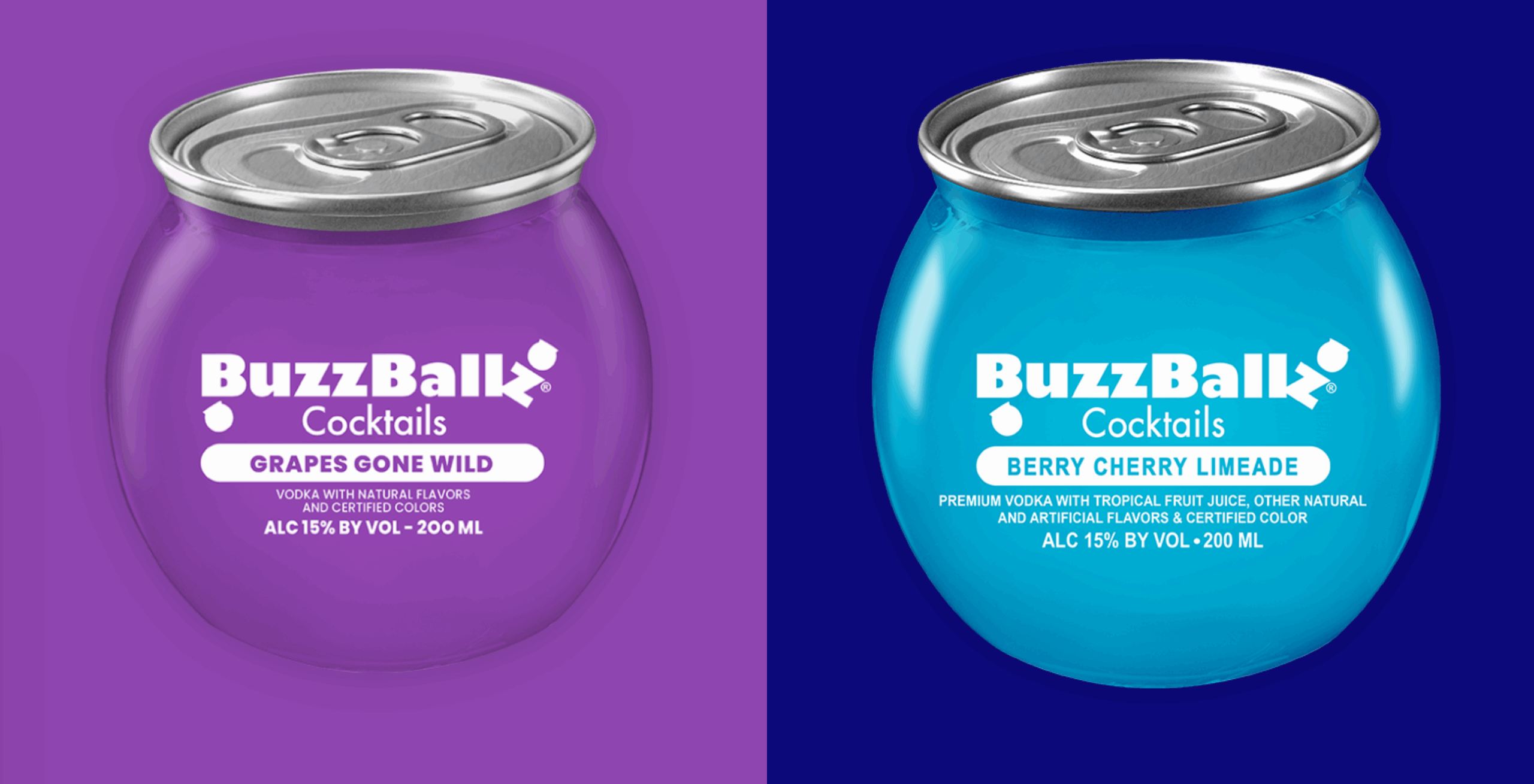
Walk into virtually any corner store or gas station across the United States or the UK, and the bottom shelf of the cooler tells an unexpected story. Sandwiched between traditional seltzers and tallboy lagers sit vibrant, palm-sized plastic globes that resemble tennis balls or Christmas ornaments. This brightly packaged single-serve alcoholic drink is BuzzBallz, an unorthodox fixture of the booming ready-to-drink cocktails sector. Despite widespread demographic studies suggesting that younger legal-age drinkers are drinking less alcohol overall, this viral, spherical high-proof premix has carved out a massive, devoted following among young consumers. A recent BBC Report highlighted this exact cultural contradiction: industry observers assumed younger crowds were abandoning alcohol entirely, yet these portable plastic spheres are flying off retail shelves at record volumes.
📌 Key Takeaways:
- The Product: A BuzzBall is a portable, single-serve premixed cocktail sold in an unmistakable spherical container, packing an unusually potent 15% ABV into a compact 200 ml container.
- The Formulation: Depending on retail licensing laws, BuzzBallz are formulated either with distilled spirits ("Cocktails"), an orange-wine base ("Chill"), or a malt beverage base to maximize distribution across convenience stores and supermarkets.
- The Market Shift: The brand exploded via TikTok and word-of-mouth appeal, culminating in its 2024 acquisition by global spirits giant Sazerac and challenging assumptions surrounding Gen Z drinking trends.
From Garage Experiment to Retail Powerhouse
The origins of the spherical cocktail date back to 2009 in Carrollton, Texas. Merrilee Kick, then a high school teacher working toward her master’s degree, sat by her backyard pool grading papers while sipping a cocktail from a delicate glass. When the glassware tipped and shattered on the patio concrete, she conceived an idea: an unbreakable, portable, single-serve cocktail housed in a shape inspired by a souvenir snow globe she had purchased in Sweden.
Kick financed the venture through small business loans, patented the proprietary spherical can design, and navigated the notoriously complex American three-tier alcohol distribution system. For years, the brand operated as an independent curiosity, manufactured by Southern Champion LLC. The containers featured heavy-duty, recyclable high-density polyethylene plastic topped with a pull-tab aluminum lid.
What began as an eccentric convenience store item transformed into an anchor of the RTD beverage market. In early 2024, Sazerac, the spirits conglomerate behind Fireball and Buffalo Trace, acquired BuzzBallz for an undisclosed sum estimated in the hundreds of millions of dollars. The acquisition validated a scrappy Texas invention as one of the fastest-growing alcohol brands in North America, turning an unconventional design into an international retail staple.
Cracking Open the Sphere: Alcohol Content, Ingredients, and Formulations
The primary question consumers ask when encountering a BuzzBall is deceptively simple: what is actually inside the container? The answer varies based on where the purchase takes place.
BuzzBallz produces two core formulations to maneuver through state and international alcohol laws. In states where liquor can be sold in grocery stores and gas stations, the company sells BuzzBallz Cocktails. These versions contain real distilled spirits, such as rum, vodka, tequila, or whiskey, blended with fruit juice concentrates, cream, and natural flavorings. In jurisdictions with strict liquor monopolies or beer-and-wine-only retail rules, the company distributes BuzzBallz Chill. These are wine-based cocktails produced with a fermented orange-wine base or a neutral malt beverage base, allowing them to sit on supermarket shelves alongside hard seltzers.
Regardless of the base liquid, the potency remains constant. A standard 200 ml sphere contains roughly 15% alcohol by volume (ABV), equivalent to 30 proof. To put that in perspective, while a standard 12-ounce hard seltzer hovers around 4.5% to 5% ABV, a single BuzzBall delivers the alcohol equivalent of approximately two standard drinks in just a few ounces of liquid. Flavors range from tart fruit blends like Lotsa Colada, Lime 'Rita, and Sour Apple to dessert-style formulations such as Choc Tease and Hazelnut Latte.
Comparing RTD Cocktails: BuzzBallz Against the Market
To understand why the brand stands out in the crowded RTD beverage market, compare its key specifications against conventional premixed cocktails and seltzers:
| Product Category | Typical ABV | Standard Serving Size | Primary Alcohol Base | Average Retail Price |
|---|---|---|---|---|
| BuzzBallz (Classic / Chill) | 15.0% | 200 ml (6.8 oz) | Distilled Spirits or Orange Wine | $3.49, $4.99 per unit |
| Standard Hard Seltzer (e.g., White Claw) | 4.5%, 5.0% | 355 ml (12 oz) | Fermented Cane Sugar or Malt | $2.50, $3.50 (single) |
| Premium Canned Cocktails (e.g., Cutwater) | 10.0%, 12.5% | 355 ml (12 oz) | Real Distilled Spirits | $4.99, $6.50 per unit |
| Malt High-Gravity Beers (e.g., Four Loko) | 12.0%, 14.0% | 695 ml (23.5 oz) | Flavored Malt Beverage | $2.99, $3.99 per can |
The commercial genius of the package lies in its physical density. While competing drinks require a tall aluminum can to deliver a single portion, BuzzBallz delivers a double-pour punch inside an item small enough to slip into a jacket pocket.
The Viral Paradox: Why Gen Z Embraced the Sphere
Demographic data gathered between 2022 and 2026 repeatedly pointed to the same pattern: Generation Z drinks considerably less than previous generations at the same age. Sober curiosity, functional non-alcoholic beverages, and health tracking all saw substantial uptake. Yet BuzzBallz bucked this industry trend completely.
The brand's explosion across social platforms like TikTok and Instagram drove its success. The distinct sphere served as immediate visual shorthand on video feeds. Online creators staged blind taste tests, constructed towers of empty containers, and invented custom mixed drinks by pouring BuzzBallz into slushies or sodas. As detailed by beverage authority VinePair, the product achieved cult status because it avoided the pretentious marketing of luxury craft spirits. It was loud, intentionally campy, and unabashedly engineered for convenience.
Beyond internet humor, economics drove adoption. Faced with persistent inflation and elevated cocktail prices at bars, often exceeding $16 to $22 in major metro areas, younger consumers embraced "pre-gaming" with affordable convenience store spirits. A four-dollar purchase delivering a swift 15% ABV became a pragmatic value proposition for weekend gatherings, festival tailgates, and house parties.
Packaging Controversies and Regulatory Scrutiny
The brand's rapid ascent has not come without friction. Public health advocates and alcohol watchdogs have repeatedly criticized the product's aesthetic presentation. Critics argue that the spherical, candy-colored containers, paired with bright labels and fruit-punch flavor profiles, run uncomfortably close to resembling juice containers or children's toys.
The high-proof premix nature of the drink also presents pacing risks. Because the heavy sweetness masks the aggressive taste of ethanol, consumers can easily drink the 200 ml liquid within minutes, underestimating the intake of a double shot of spirits. Health agencies have raised concerns over rapid overconsumption, particularly among newly legal drinkers who may not calculate how quickly a 15% ABV beverage absorbs into the bloodstream.
In response, BuzzBallz maintains that its packaging clearly displays alcoholic warnings, prominent ABV percentages, and secure aluminum pull-tabs designed specifically to meet legal compliance standards. The brand stresses that its distribution channels enforce age-verification requirements identically to traditional spirit bottles.
Frequently Asked Questions (FAQ)
Q1: How many standard drinks are in one BuzzBall?
A1: A single 200 ml BuzzBall at 15% ABV contains roughly 2.1 standard drinks under U.S. health guidelines. Consuming one sphere is equivalent to drinking approximately two standard 12-ounce light beers or two separate 1.5-ounce shots of 80-proof spirits.
Q2: Why do some BuzzBallz taste different depending on the store?
A2: The difference comes down to the alcohol base. If purchased in a dedicated liquor store, it is likely a BuzzBallz Cocktail made with real vodka, rum, or tequila. If purchased in a grocery store or gas station located in a state restricting liquor sales, it is likely BuzzBallz Chill, which uses an orange-wine or malt base to satisfy local licensing statutes.
Q3: Do BuzzBallz need to be refrigerated?
A3: BuzzBallz are shelf-stable and do not require immediate refrigeration prior to opening. However, most consumers prefer them chilled or poured over ice, as room-temperature high-proof cocktails can taste noticeably harsher.
What Lies Ahead for the Viral Cocktail Phenomenon
The rise of BuzzBallz reflects a permanent realignment in how alcohol is packaged, distributed, and consumed. What began as a backyard curiosity has disrupted the RTD landscape, demonstrating that unconventional packaging and social-first brand recognition can outmaneuver traditional marketing playbooks.
With Sazerac's massive global distribution infrastructure now backing the brand, BuzzBallz is expanding further across European and Asian markets. While beverage trends continue to fragment into zero-proof alternatives and artisanal craft mixtures, the durable, high-proof sphere has secured its place in pop culture. It proves that within modern beverage retail, novelty, convenience, and unapologetic potency remain an extraordinarily powerful commercial cocktail.


