128 Text Message Scam or Real? How to Identify Short Codes and Phishing Alerts
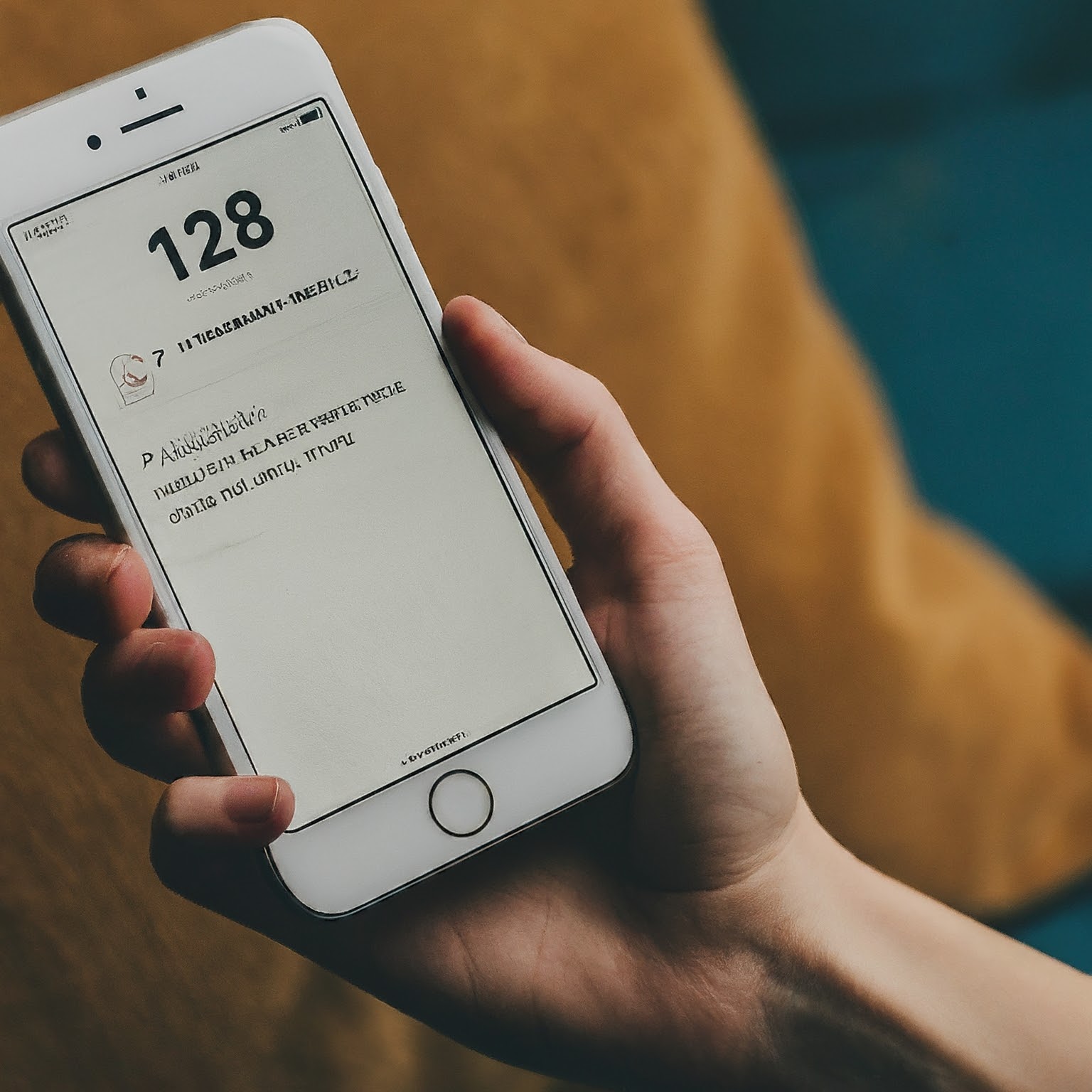
Smartphones across North America have seen a spike in confusing notifications originating from the number "128" or displaying an cryptic "SMS Cause Code 128" transmission error. For users accustomed to five- or six-digit enterprise short codes, receiving a three-digit dispatch triggers immediate suspicion. Some recipients report bare numerical notifications, while others receive urgent delivery warnings, package recall alerts, or dubious employment solicitations claiming to represent retail giants. As documented in a recent Malwarebytes Report tracking illicit recruitment campaigns, threat actors are increasingly weaponizing unconventional mobile vectors to slip past standard carrier filters.
Determining whether a "128" alert represents a routine backend network failure or an aggressive smishing maneuver requires understanding telecommunication routing protocols. Cellular infrastructure handles automated enterprise traffic differently than peer-to-peer communication. When sender identification fields display abnormal numerical sequences, consumers face either an internal gateway diagnostic message or a deliberate spoofing attempt designed to steal personal credentials.
📌 Key Takeaways:
- Core Definition: A message marked "128" typically stems from two disparate sources: a carrier-level network delivery failure known as SMS Cause Code 128, or an illicit transmission routing through an overseas gateway using a spoofed sender ID.
- Threat Context: Threat syndicates increasingly impersonate state agencies, toll operators, and logistics hubs via unconventional numbers to bypass built-in spam text blocking systems.
- Immediate Action: Never tap embedded URLs, never reply with "STOP," and immediately forward suspicious texts to the carrier spam reporting exchange at 7726.
The Technical Divide Between Carrier Short Codes and SMS Cause Code 128
Legitimate Application-to-Person (A2P) messaging relies on standardized infrastructure overseen by wireless carriers and the Short Code Registry. In the United States and Canada, genuine business communication runs through five- or six-digit short code SMS routes. Banks distribute two-factor authentication codes through numbers like 22395 or 48369. Major retailers verify parcel dispatches through certified registry blocks that cost commercial entities thousands of dollars per month to lease and audit.
Three-digit numbers like "128" do not exist as commercial A2P short codes. When an incoming message header displays strictly "128", the mobile handset is processing an anomaly. In many instances, the notification originates from an upstream cellular transmission fault. Within SS7 and modern diameter signaling protocols, SMS Cause Code 128 designates an unallocated destination, an absent subscriber, or a routing error where the carrier gateway fails to complete a handshake between mobile switching centers.
Certain operating systems handle raw signaling responses poorly. Rather than silently discarding the failed network packet, the mobile device renders the technical diagnostic code as an incoming SMS string. Android and iOS handsets connected to older virtual network operators (MVNOs) are particularly vulnerable to displaying these raw signaling lines directly within user conversation threads.
How Smishing Networks Exploit Truncated Routing and Spoofed Sender IDs
While network glitches explain empty or raw system dispatches, text messages from "128" containing clickable links or urgent prose represent active social engineering attacks. Attackers purchase access to international Short Message Peer-to-Peer (SMPP) gateways that lack regulatory oversight. These offshore platforms permit the sender to manually inject alphanumeric values into the sender identification metadata.
By forcing the sender header to display a three-digit sequence or truncated code, attackers attempt to evade machine-learning spam algorithms deployed on domestic carrier backbones. Carriers tune automated heuristics to detect predatory language arriving from ten-digit virtual VoIP numbers. An unusual three-digit alphanumeric string can slip through administrative filtering cracks, landing directly in a victim's default message inbox.
Recent investigative filings show criminal syndicates pairing these spoofed sender IDs with lucrative bait. Malwarebytes researchers flagged a surge in fraudulent Amazon recruitment messages promising exorbitant daily wages for minimal remote tasks. Similarly, consumer watchdogs tracked fake package recall alerts and unpaid toll notices that mimic legitimate municipal systems. The objective remains static: provoke immediate panic or greed, forcing the recipient to bypass logical verification.
Network Diagnostics: Comparing System Codes, Commercial Short Codes, and Mobile Phishing
Evaluating an incoming notification requires cross-referencing message mechanics against established carrier standards. The table below delineates the operational differences between network diagnostic logs, authorized enterprise channels, and weaponized smishing variants.
| Message Identifier | Technical Origin | Typical Content Structure | Recommended Response Action |
|---|---|---|---|
| SMS Cause Code 128 | Carrier signaling failure; unallocated routing handshake. | Empty body, numerical fragments, or raw diagnostic strings. | Ignore and delete; reboot phone to clear stuck network cache. |
| Standard Short Code (e.g., 5, 6 Digits) | Vetted commercial A2P lease through national registry. | Two-factor authentication codes, bank balance alerts, shipment tracking. | Safe to read if solicited; verify senders against official account portals. |
| Spoofed 3-Digit Smishing Alert | Unregulated overseas SMPP gateway or illicit SIM box. | Fake job offers, urgent road toll collections, account suspension threats. | Do not click; forward message payload directly to 7726 and block. |
Federal Advisories and the Proliferation of Impersonation Campaigns
Consumer vulnerability to atypical sender addresses occurs amid an unprecedented wave of mobile fraud. The Federal Bureau of Investigation published widespread warnings highlighting coordinated cybercriminal operations targeting mobile devices. These threat networks systematically mimic state departments of transportation, road toll collection systems, and parcel distribution networks.
State highway agencies, including the Alabama Department of Transportation (ALDOT), have issued urgent public alerts warning motorists against deceptive payment demands arriving via text. These campaigns instruct recipients to pay past-due road fees or unpaid highway tolls through shortened tracking links to avoid suspended driver's licenses. The threat infrastructure frequently uses sender spoofing to obfuscate origins, presenting fragmented or localized routing codes to create institutional legitimacy.
The mechanics behind malicious link detection reveal that attackers rarely use raw domains. They route victims through legitimate cloud edge services, such as Cloudflare workers, Firebase redirects, or shortened Bitly URLs, to evade mobile browser security checks. Once a recipient taps the link, the destination landing page captures credit card details, Social Security numbers, or mobile banking credentials before redirecting to a legitimate government portal to conceal the intrusion.
Hardening Mobile Security Settings Against Deceptive Transmissions
Mitigating mobile threats requires proactive device configuration rather than relying solely on automated network filtering. Cellular providers provide specialized tools, but local handset settings deliver the primary barrier against malicious link delivery and unauthorized communications.
Both major mobile ecosystems include native tools to isolate unverified traffic:
- Apple iOS Protections: Navigate to Settings, select Messages, and toggle Filter Unknown Senders. This configuration creates a dedicated inbox tab for communications from numbers outside your contact list and disables interactive URL rendering until explicitly approved.
- Google Android Protections: Open the native Messages app, access Settings, tap Spam Protection, and enable verified sender policies. Devices operating on Google Mobile Services automatically cross-reference incoming data packets against known threat databases.
- Carrier Telemetry Scrubbing: Utilize carrier-native applications like AT&T ActiveArmor, T-Mobile Scam Shield, or Verizon Call Filter. These applications evaluate incoming SMS packets at the cellular tower level, discarding unverified routing structures before they trigger device alerts.
When unexpected texts slip through, never reply with words like "STOP" or "NO". In legitimate marketing systems, opt-out keywords remove numbers from promotional distribution lists. In deceptive networks, responding verifies that an active human monitors the phone number. That confirmation prompts attackers to circulate the validated phone record across high-value targeting lists on private forums.
Frequently Asked Questions (FAQ)
Q1: Why did I receive a completely blank text message from the number 128?
A1: A blank transmission from "128" typically represents an internal carrier routing failure known as SMS Cause Code 128. It indicates an unassigned network address or a routing timeout between cellular switching systems, rendered erroneously by your device's operating system as an incoming conversation.
Q2: Can clicking a link inside a 128 text message infect my smartphone with malware?
A2: Modern mobile operating systems isolate applications, making zero-click drive-by malware infections rare on updated devices. The primary danger stems from sophisticated credential harvesting sites designed to steal login credentials, two-factor authentication codes, or banking information. Never enter sensitive credentials into web addresses opened directly from unverified texts.
Q3: How do I report an unsolicited 128 text message to authorities and wireless carriers?
A3: Copy the message text and forward it directly to short code 7726 (spelling "SPAM"). This automated reporting gateway feeds directly into major telecommunications anti-fraud centers. Furthermore, file an official report with the Federal Trade Commission at ReportFraud.ftc.gov or submit technical fraud documentation to the FBI Internet Crime Complaint Center (IC3).
Defending Your Mobile Inbox Against Network Anomalies and Fraud
Mobile communication relies on clear user trust. As commercial entities increasingly rely on short codes for real-time authentication and delivery status updates, consumer vigilance must adjust to modern exploitation techniques. A three-digit sender ID like "128" is never an authorized enterprise communication channel. It is either a benign telecommunication routing echo or an active smishing hook.
Treat every unexpected notification containing urgent language, financial penalties, or shortened URLs as hostile until independently corroborated. Verify account statuses by logging directly into corporate applications or typing verified URLs into a desktop browser. Isolating unverified senders, using carrier-level spam reporting, and scrutinizing message mechanics stops predatory text campaigns before private credentials escape your control.


