Framing the Cringe: Visual Breakdown of How Michael Scott Revolutionized the Mockumentary Format
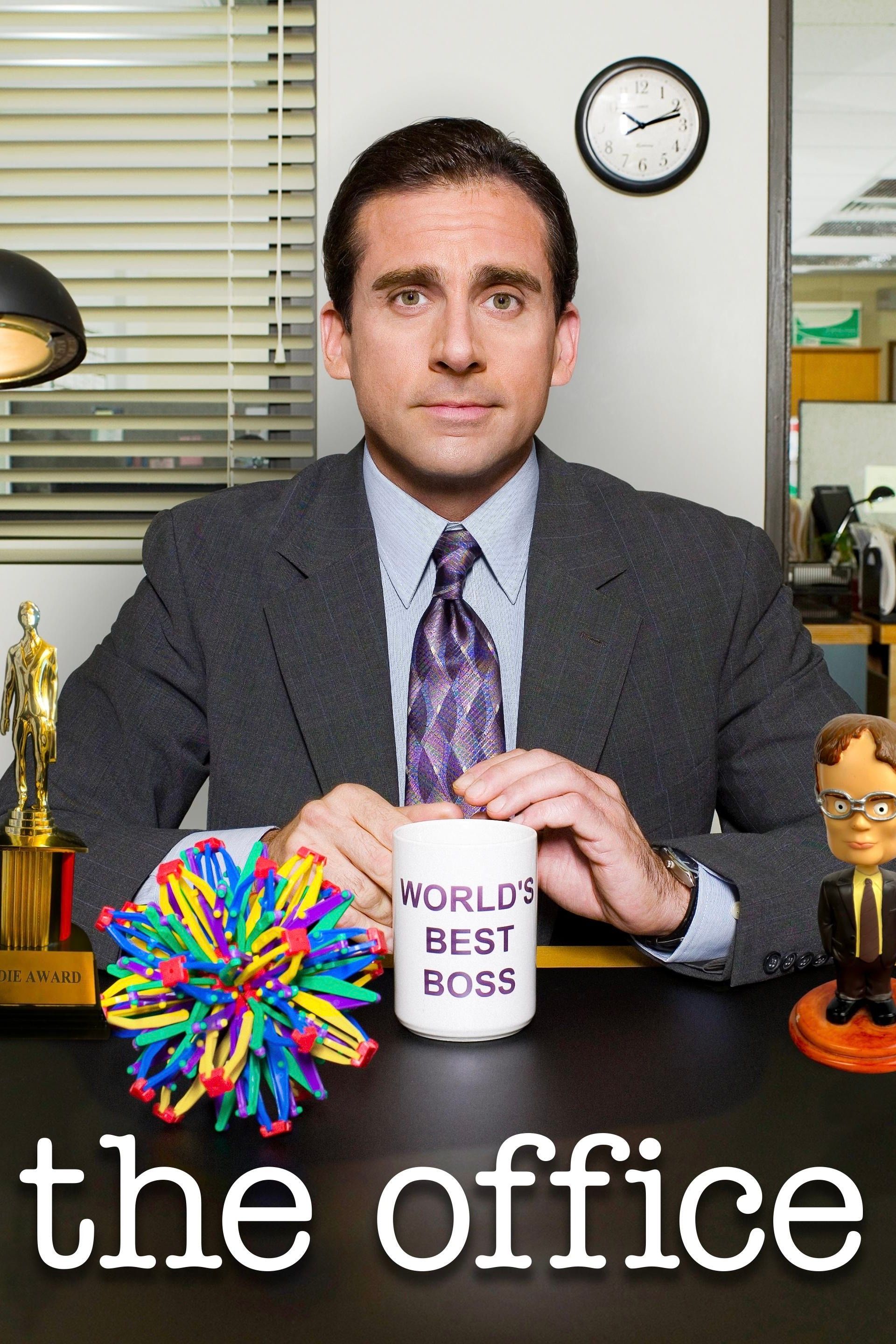
When NBC debuted the American adaptation of The Office in the spring of 2005, network executives braced for a quick cancellation. Ricky Gervais had established a brutal benchmark with David Brent on the BBC, leaving American audiences baffled by the silence, the fluorescent office lights, and the lack of a studio laugh track. Central to that initial friction was Michael Scott, portrayed by Steve Carell as the desperately insecure regional manager of Dunder Mifflin Paper Company’s Scranton branch. While classical Hollywood comedies prioritized rapid-fire punchlines and multi-camera proscenium stages, The Office US under showrunner Greg Daniels weaponized the documentary lens. As explored in technical breakdowns like the Indie Film Hustle Report on kinetic camera blocking, visual framing can make or break viewer immersion. In Michael Scott's Scranton, the camera became an active, complicit character in the comedy.
Two decades later, Michael Scott remains the foundational blueprint for 21st-century broadcast and streaming humor. What began as a risky single-camera sitcom experiment permanently altered how directors stage narrative conflict and comedic timing. Through whip-pans, claustrophobic zooms, and the excruciating friction of talking head interviews, Carell transformed cringe comedy from a fringe British curiosity into the dominant visual language of prime-time American television.
📌 Key Takeaways:
- Visual Mechanics: Greg Daniels shifted the camera from a passive observer to an active, panicking participant whenever Michael Scott crossed ethical or social boundaries.
- The Likability Shift: Steve Carell softened the abrasive David Brent prototype into an earnest, childlike character whose desperate search for family redeemed his managerial failures.
- Long-Term Influence: The single-camera mockumentary architecture engineered around Michael Scott created the structural foundation for shows like Parks and Recreation, Modern Family, and Abbott Elementary.
The Visual Mechanics of the Cringe: Zooms, Snap-Pans, and Broken Frames
Traditional sitcoms treated the camera as an invisible audience member sitting behind a fourth wall. The Office US discarded that detachment entirely. Cinematographers Randall Einhorn and Matt Sohn, both veterans of reality programs like Survivor, approached Michael Scott’s antics with handheld documentary cameras equipped with manual zoom lenses. When Michael made an unprompted, offensive joke in the conference room, the camera did not cut smoothly to an edited reaction shot. Instead, it executed an aggressive snap-zoom onto Jim Halpert’s deadpan expression, before whipping unsteadily back to Michael fishing for approval.
This visual strategy placed viewers inside the physical discomfort of the Scranton branch. The framing routinely trapped Michael between structural office obstacles: half-open blinds, glass conference room dividers, and photocopier tops. In Season 2’s "The Dundies," director Greg Daniels kept Michael framed in claustrophobic, off-center medium close-ups during his disastrous musical intros. The composition refused to grant him the heroic, centered visual authority typically reserved for leading men. When the audience squirmed, it was because the camera physically tracked his isolation, lingering on five-second stretches of dead air that multi-camera sitcoms would have frantically cut around.
Evolving Beyond David Brent: The Architecture of Carell’s Character Arc
The pilot of The Office US copied the British original nearly line-for-line, resulting in a Michael Scott who felt uncomfortably mean-spirited. Audiences rejected an abrasive corporate bureaucrat bullying his subordinates. Between the six-episode first season and the fall 2005 premiere of Season 2, Daniels and Carell reengineered the core psychology of the character. Riding the momentum of Carell’s breakout turn in The 40-Year-Old Virgin, the writing room infused Michael with deep personal vulnerability.
Michael Scott stopped being an arrogant corporate hack and became an emotionally stunted man whose branch was his surrogate family. His iconic "World's Best Boss" mug, a trinket he bought for himself at Spencer Gifts, shifted from an emblem of delusion to a sign of longing. Daniels instituted a rule for the writers: Michael had to win occasionally, demonstrating authentic sales competence or showing unprompted kindness to his staff. In episodes like "The Client," viewers watched Michael effortlessly charm a Lackawanna County representative over ribs at Chili’s while corporate executive Jan Levinson looked on in shock. A data study published in Towards Data Science analyzing the branch's economic health highlighted this exact paradox: despite Michael's administrative chaos, Scranton consistently posted the company's highest regional sales margins. By anchoring his incompetence to undeniable sales genius and social desperation, Carell gave Michael Scott an emotional depth that sustained seven seasons.
Technical Comparison: Evolution of Sitcom Staging (1990s to 2020s)
To understand the scale of Michael Scott’s impact on television production, examine the fundamental shifts in visual comedic architecture across the industry over the past three decades:
| Production Metric | Classic Sitcom (1990, 2004) | Michael Scott Era (2005, 2011) | Modern Landscape (2012, 2026) |
|---|---|---|---|
| Camera Staging | Fixed multi-camera rigs on pedestals | Handheld single-camera with manual zoom | Hybrid single-camera, cinematic lenses |
| Pacing & Audio | Laugh tracks, punchlines every 15, 20s | Extended silences, ambient office noise | Rapid dialogue cuts, selective silence |
| Fourth Wall | Impenetrable; actors never look at lens | Active participant via direct glances | Stylized confessional direct-address |
| Exposition Delivery | Overheard dialogue, entrance applause | Talking head documentary confessionals | Flash cuts, voiceover, mockumentary cuts |
The Confessional as a Narrative Engine: Weaponizing the Talking Head
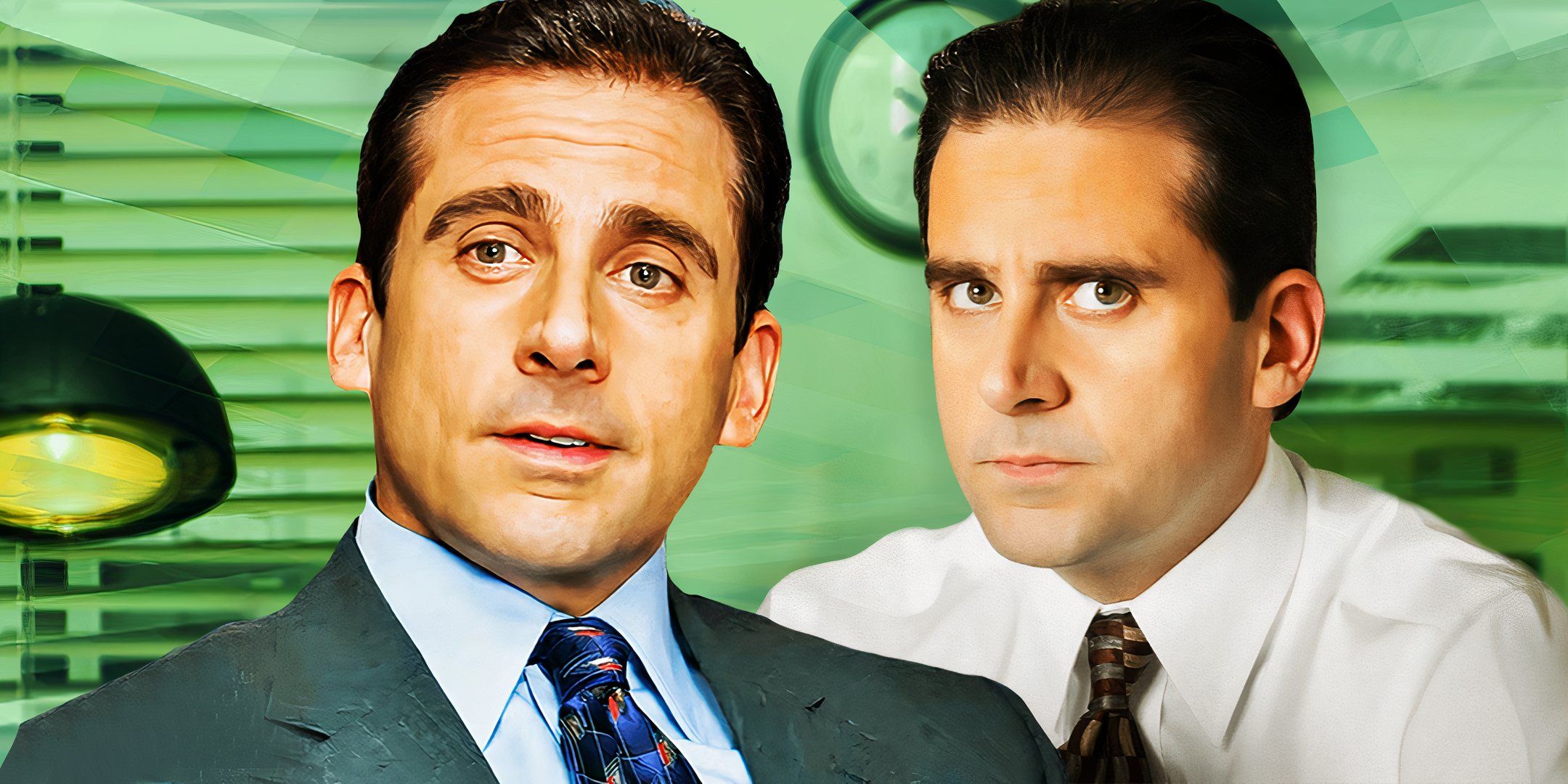
Before Michael Scott, the documentary confessional belonged strictly to non-fiction reporting and reality television franchises like MTV's The Real World. The Office US integrated talking head interviews directly into the structural spine of narrative scripted television. For Michael, the confessional room was not an objective recounting of facts. It was an interrogation room where he constructed his idealized self-image.
Directors framed these interviews with calculated subtext. Cinematographer Randall Einhorn intentionally positioned characters against distinct backgrounds: employees with hopeful futures like Jim or Pam were framed with windows showing the outside world behind them. Michael, conversely, was almost always framed against the interior wall of the office conference room, visually reinforcing his professional confinement. Carell used these direct-to-lens moments to articulate internal panic. A typical talking head began with confident declarations about leadership, only to disintegrate over 40 seconds into contradictory ramblings as Michael reasoned his way through his latest catastrophe. This format eliminated the need for clumsy expository dialogue between secondary characters, letting the narrative cut straight from Michael's private delusions to the immediate reality on the sales floor.
How "Dinner Party" Redefined the Limits of Cringe Comedy
No single episode demonstrates Michael Scott's disruption of comedic television quite like Season 4’s "Dinner Party." Written by Lee Eisenberg and Gene Stupnitsky, the episode trapped Jim, Pam, Andy, and Angela inside Michael and Jan’s suffocating condo. The production deliberately stripped away the mundane safety net of the Dunder Mifflin office, exposing the psychological decay of their domestic life.
The comedy in "Dinner Party" relies almost exclusively on micro-tensions rather than conventional setups and punchlines. The camera lingers on Michael showing off his miniature plasma television screen, celebrating that it folds two inches into the wall. When Jan dances uncomfortably to her former assistant’s pop song, the camera holds on Carell's strained, complicit smile. Production scripts reveal that the cast broke into fits of laughter for days over the pure discomfort of the blocking. The episode proved that television audiences would not run from acute interpersonal awkwardness. Instead, they leaned into it. The episode broke internal NBC live-viewing engagement benchmarks and remains widely cited by contemporary showrunners as the definitive masterclass in situational cringe.
The Direct Lineage: From Scranton to Modern Television
The mockumentary mechanics developed around Michael Scott did not retire when Steve Carell left the series in Season 7. They migrated into the television mainstream. Greg Daniels and Michael Schur carried the single-camera visual language directly into Parks and Recreation, swapping Michael Scott’s tragic self-absorption for Leslie Knope’s optimistic civic duty. Christopher Lloyd and Steven Levitan took the exact documentary framing, talking heads, and snap-zooms into a domestic family context with ABC’s Modern Family, earning five consecutive Emmy Awards for Outstanding Comedy Series.
In the streaming landscape, Michael Scott’s visual DNA remains unmistakable. Quinta Brunson’s critically acclaimed Abbott Elementary relies on the identical handheld visual framing, using snap-pans to expose systemic underfunding in public education while grounding its comedy in sincere workplace relationships. What was once considered an alienating, jittery aesthetic suited only for niche audiences has become television’s standard visual shorthand for emotional authenticity.
Frequently Asked Questions (FAQ)
Q1: Why did Michael Scott's character change significantly between Season 1 and Season 2?
A1: In Season 1, the writers adhered closely to Ricky Gervais's colder, more abrasive David Brent from the UK original. Recognizing that American audiences needed emotional warmth to sustain a multi-year series, Greg Daniels softened Michael's edges in Season 2, playing up Steve Carell's earnest vulnerability and demonstrating that Michael was genuinely talented at sales despite his social blunders.
Q2: How did the mockumentary format affect how actors delivered their lines?
A2: The documentary style replaced traditional stage projection with naturalistic, understated vocal delivery. Actors did not need to pause for laugh tracks, allowing them to use prolonged pauses, mumbled asides, and micro-expressions aimed straight down the camera lens to generate comedy from subtext.
Q3: Why was the single-camera setup more expensive and demanding than traditional sitcoms?
A3: Single-camera mockumentary productions shoot on location-style sets without live audiences, requiring multiple setups, distinct lighting schemes for every room, and hundreds of hours of raw handheld footage. Editors on *The Office US* sorted through massive volumes of improvised takes and reactive snap-zooms to craft the final comedic timing in post-production.
The Lasting Legacy of Michael Scott’s Scranton
Television comedy has continued to experiment with surrealist visuals, prestige dramedy tones, and multi-genre hybrids. Yet the raw grammar of contemporary comedy still relies on the blueprint established inside Dunder Mifflin's Scranton branch. Steve Carell and Greg Daniels demonstrated that modern television viewers do not demand polished stage sets or artificial punchlines. By turning the camera into a nervous, responsive human witness to Michael Scott's flawed humanity, they permanently closed the distance between the audience and the screen, proving that genuine discomfort can be the most enduring source of comedy.


