Are Grapes Berries? Sorting Botanical Science from Grocery Aisle Myth
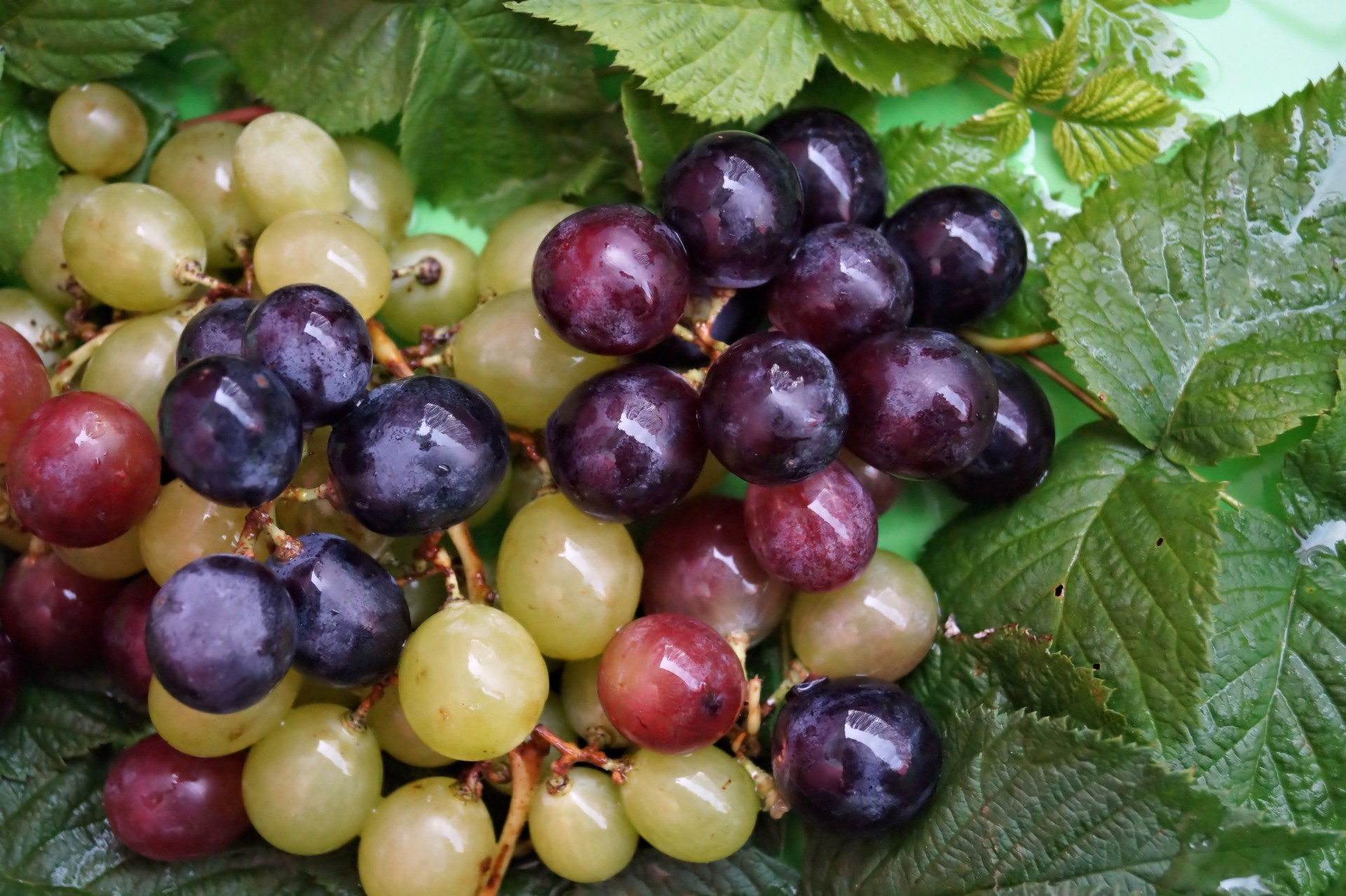
Walk down any supermarket produce aisle, and you will find strawberries, blackberries, and raspberries neatly packaged in plastic clamshells labeled "fresh berries." Nearby, table grapes sit in vented plastic bags, treated by shoppers as an entirely distinct category of fruit. Yet according to plant taxonomy, nearly every consumer packaging label gets this backwards. Modern metabolic and botanical reporting, including findings highlighted in a recent ScienceDaily Report detailing bioactive plant compounds, illustrates how morphology and biochemistry diverge from everyday kitchen language.
Botanists work with a strict structural definition that has little to do with culinary convenience or culinary sweetness. Under formal plant morphology classification, a grape is not merely related to berries; it is one of the plant kingdom's most quintessential, textbook examples of a true berry. Strawberries and blackberries fail the botanical berry test entirely, while the common grape fits every single structural checkpoint established by evolutionary biology.
📌 Quick Summary:
- The Botanical Verdict: Grapes are scientifically classified as true berries because they develop from a single flower with a single ovary and lack a stony inner pit.
- The Grocery Counter Myth: Commercial "berries" such as strawberries and raspberries are aggregate and accessory fruits, botanically distinct from true berries.
- Metabolic & Genetic Reality: Recent 2026 plant genetics data reveals that grape sugar accumulation is governed by an abscisic acid (ABA) genetic switch, producing significant glucose and fructose concentrations that differentiate their dietary impact from wild forest berries.
How Plant Morphology Defines a True Berry
The contradiction between kitchen vocabulary and botanical science stems from historical naming conventions. In ordinary speech, people call almost any small, juicy, rounded fruit a berry. In plant morphology classification, however, fruit types are defined exclusively by their structural origins inside the flower.
A botanical berry definition requires three strict criteria. First, the fruit must develop from a single flower containing a single ovary. Second, the entire ovary wall must ripen into an edible, fleshy structure rather than a dry capsule or shell. Third, the fruit must not contain a lignified, stony core surrounding the seeds, which sets it apart from stone fruits like peaches or cherries.
Because of these criteria, the plant kingdom produces surprises that baffle laypeople. Watermelons, bananas, tomatoes, avocados, and eggplants meet the definition of botanical berries. Meanwhile, strawberries are aggregate accessory fruits, where the red fleshy mass is enlarged flower receptacle tissue and the true fruits are the tiny dry specks (achenes) embedded across the exterior surface.
The Anatomy of the Pericarp in Vitis Vinifera
To understand why the grape earns its true berry classification, one must examine fruit anatomy and pericarp layers. When a pollinated blossom on a grapevine (Vitis vinifera) finishes flower ovary development, the ovary wall thickens and differentiates into three distinct structural zones that make up the pericarp.
The outermost layer is the exocarp, colloquially known as the grape skin. This dermal layer contains cuticular wax, epidermal cells, and high concentrations of polyphenols like resveratrol and anthocyanins. Just beneath the skin lies the mesocarp, the primary fleshy pulp made of parenchymal cells that swell with water, organic acids, and simple sugars during late-stage veraison.
The innermost layer is the endocarp. In stone fruits, known scientifically as drupes, the endocarp hardens into a dense, woody shell enclosing the seed, seen clearly in plums, cherries, and olives. In drupe vs berry differences, the state of this inner tissue is the decisive diagnostic divide. In a grape, the endocarp remains entirely soft, gelatinous, and fleshy, merging seamlessly with the mesocarp around two to four small seeds. This simple fleshy fruit architecture makes the grape an indisputable true berry.
| Fruit Example | Botanical Classification | Floral & Pericarp Origin | Endocarp Structure |
|---|---|---|---|
| Table / Wine Grape | True Berry | Single ovary, simple flower | Fleshy and soft |
| Strawberry | Aggregate-Accessory Fruit | Enlarged flower receptacle | External achenes (dry shells) |
| Raspberry / Blackberry | Aggregate of Drupelets | Multiple ovaries, single flower | Miniature hard pits inside each bead |
| Sweet Cherry | Drupe (Stone Fruit) | Single ovary, simple flower | Hard, lignified stony pit |
The Genetic Mechanics of Sugar Accumulation in Grapes
While grapes share their formal category with blueberries and cranberries, their internal biochemistry behaves differently on the palate and the bloodstream. Consumers often ask why grapes feel and taste significantly sweeter than other commercial berries. The answer lies in the genetic mechanisms that govern ripening.
Research published via EurekAlert! and The Brighter Side of News identified the precise genetic trigger behind sweetness in Vitis vinifera: an abscisic acid (ABA)-driven genetic switch. This signaling pathway regulates ripening at the cellular level. During early development, the green berry accumulates malic and tartaric acids, maintaining a tart profile that deters animals from consuming immature seeds. Once veraison begins, the ABA pathway activates specific monosaccharide transporters.
These transporters draw sucrose synthesized in the leaves via photosynthesis and break it down into roughly equal parts glucose and fructose inside the berry's vacuoles. In commercial table grapes, sugar levels regularly hit 16% to 20% by weight, while grapes grown for winemaking frequently exceed 24% sugar density (measured as 24° Brix). Wild forest berries, by comparison, maintain far lower sugar concentrations alongside dense networks of insoluble fiber.
Dietary Realities: True Berries vs. Aggregate Fruits
The distinction between botanical classifications and culinary labels has real consequences for metabolic nutrition. Because nutritionists frequently recommend "berries" as low-glycemic, blood-sugar-friendly foods, many consumers assume grapes offer the identical glycemic profile as raspberries or blackberries.
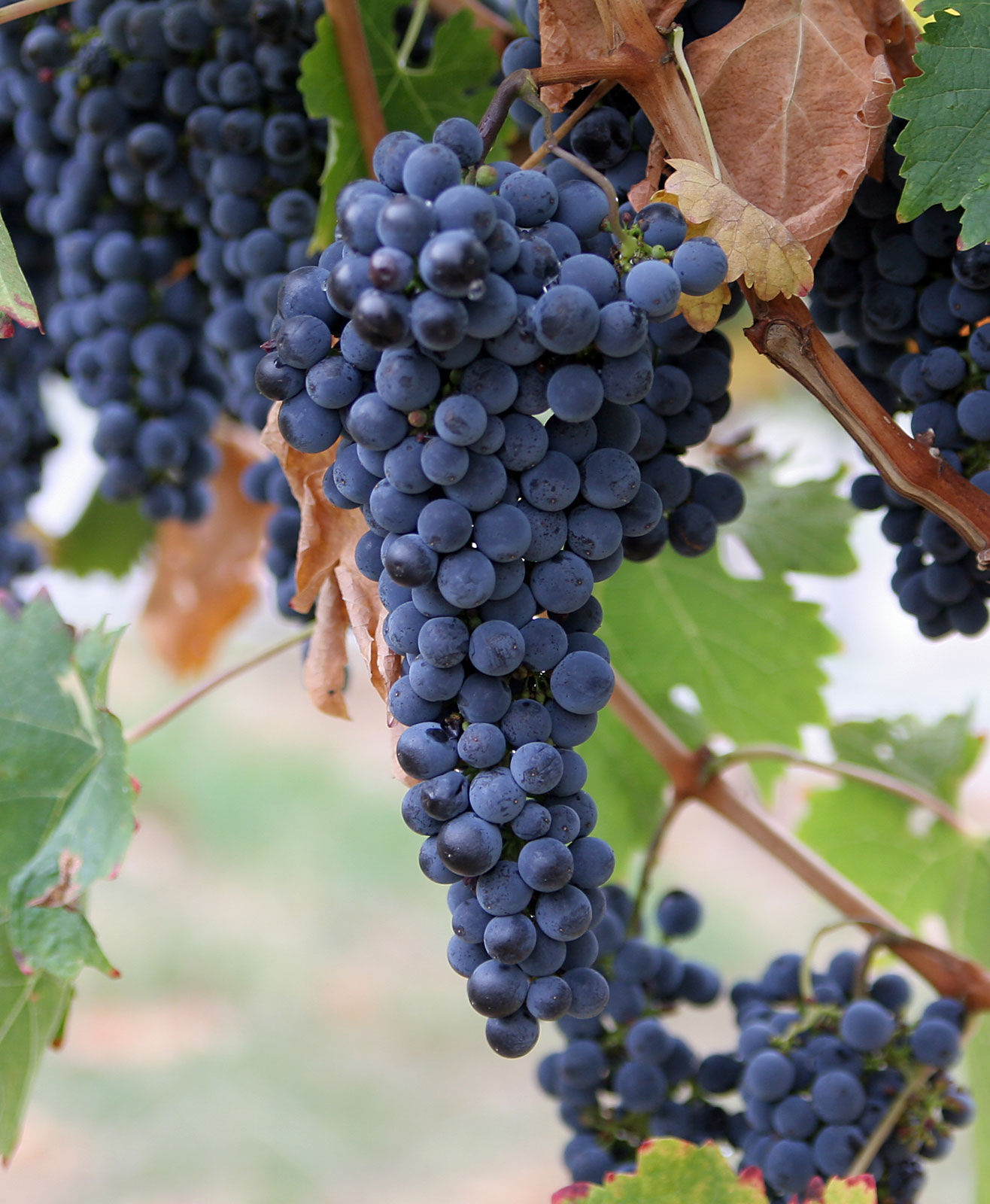
They do not. A single cup of seedless red or green table grapes contains roughly 23 grams of total carbohydrates, of which 22 grams are free sugars, balanced by only 1.4 grams of dietary fiber. In contrast, an equivalent 100-gram serving of raspberries delivers approximately 6.5 grams of fiber against only 4.4 grams of net sugars.
The botanical architecture explains this divergence. Aggregate fruits like raspberries consist of dozens of drupelets, each containing its own fibrous seed casing and skin surface area per volume. A grape, with its voluminous mesocarp pulp and thin exocarp, presents far more cellular fluid packed with readily absorbable monosaccharides. Grapes offer potent vascular health benefits via proanthocyanidins and anthocyanins, but they cannot be treated as interchangeable with low-sugar berries in ketogenic or strict diabetic meal plans.
Commercial Breeding and the Evolution of Modern Seedless Grapes
Modern viticulture has distanced the grape even further from public perceptions of a berry. For thousands of years, every wild grape contained two to four rigid seeds. The ubiquitous seedless grapes lining grocery store shelves today exist because of a naturally occurring mutation termed stenospermocarpy.
In stenospermocarpic vines, pollination and fertilization still occur, which initiates the normal hormonal signaling necessary to trigger flower ovary development. However, the embryo aborts shortly after fertilization. The seed stops growing, leaving only a microscopic, imperceptible seed trace inside the ripening mesocarp. This biological quirk allowed viticulturists to produce high-yield crops like Thompson Seedless, Cotton Candy, and Autumn Royal without sacrificing the juicy, fleshy pericarp that defines a true berry.
Commercial tissue culture and selective breeding programs throughout 2024, 2026 have pushed sugar densities higher, optimizing flavor profiles to mimic confections. Consumer taste buds respond enthusiastically, but the trend has widened the gap between the wild ancestral berry that sustained native birds and the ultra-sweet commodities rolling off modern agricultural packing lines.
Frequently Asked Questions (FAQ)
Q1: Why are strawberries called berries if they are not scientifically berries?
A1: The term "berry" predates formal botanical science by centuries. Old English speakers used words like berie to describe any small, edible, wild fruit gathered from shrubs. When 18th-century botanists established modern classification systems, they assigned strict structural definitions to ovary tissues, creating a permanent rift between colloquial English and plant biology.
Q2: Is a banana really a berry, while a blackberry is not?
A2: Yes. A banana develops from a single flower with a single ovary, producing an outer exocarp (the peel), a fleshy mesocarp and endocarp (the fruit we eat), and tiny interior seeds, satisfying every rule for a true berry. A blackberry comes from a flower with multiple separate ovaries that fuse into an aggregate cluster of tiny stone fruits (drupelets).
Q3: Should diabetics avoid grapes because of their high sugar content?
A3: Diabetics do not need to avoid grapes entirely, but portion control is critical. Unlike lower-glycemic aggregate fruits, grapes digest rapidly and deliver a higher glycemic load. Pairing grapes with healthy fats or proteins helps moderate postprandial glucose spikes.
Rethinking the Fruit Bowl Through Plant Science
Language shapes how food is perceived, valued, and regulated. The grocery store treats the grape as an everyday staple, distinct from the artisanal aura of fragile summer berries sold in half-pint containers. Botanical science reminds us that plants do not organize themselves around human culinary customs.
Every time you bite through the taut skin of a grape and hit its sweet, pulpy center, you are experiencing the textbook definition of a simple fleshy fruit: exocarp, mesocarp, and fleshy endocarp working in unison. Understanding the botanical berry classification does more than settle a trivia question. It reframes how we look at plant genetics, clarifies the nutritional realities of fruit sugars, and exposes the fascinating gap between culinary habits and the living mechanics of the natural world.