Back-to-School Shopping Tracker: Carrier Promos Fill Apple’s iPhone Discount Void
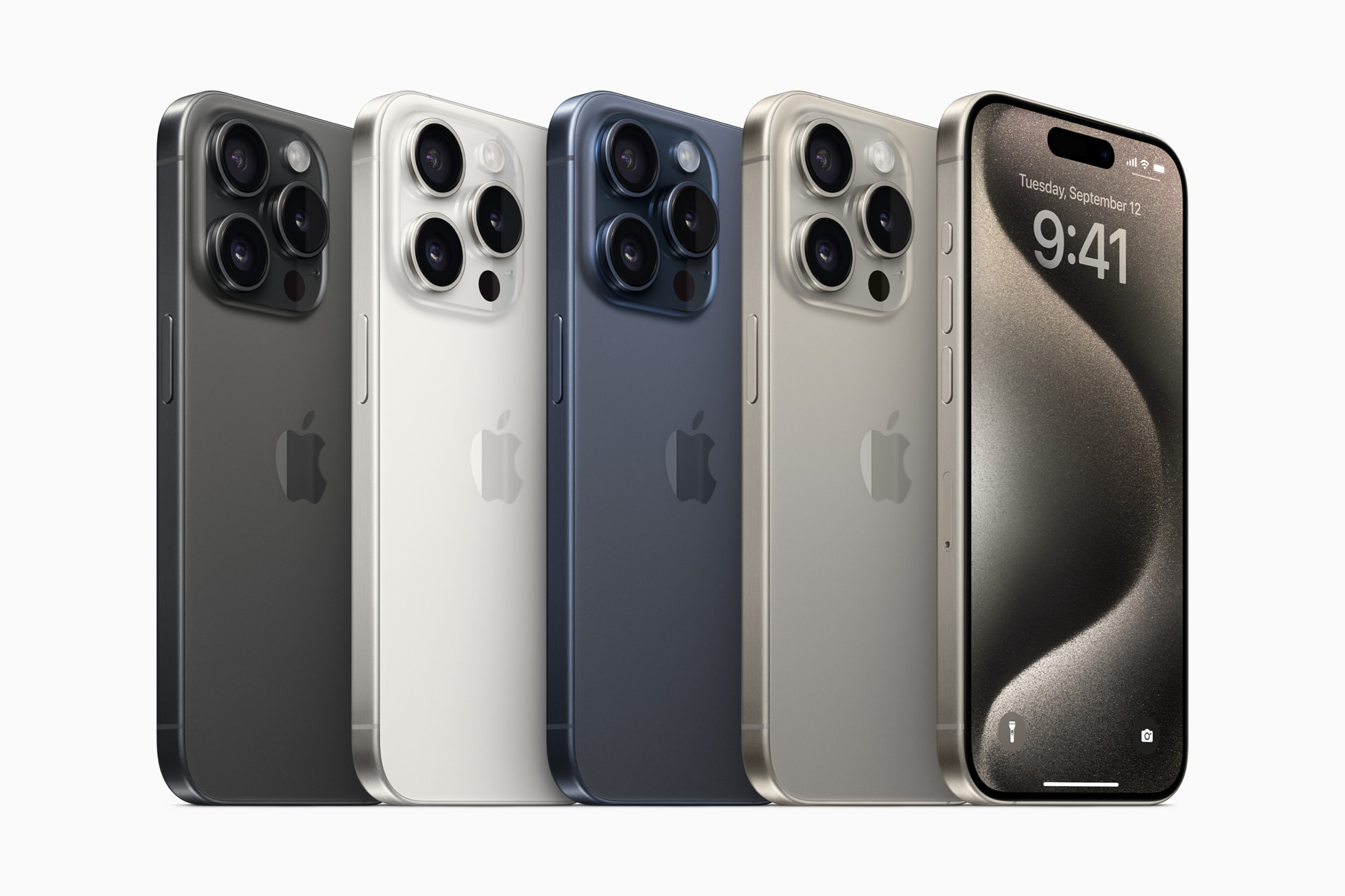
College students heading to the Apple Education Store every July encounter the same unwritten rule: iPads and MacBooks qualify for education discounts, but the iPhone never does. While students can secure lower baseline prices on laptops or collect a seasonal Apple gift card bonus of up to $150 on tablets, the company keeps iPhone retail pricing locked at standard consumer rates. With campus preparations underway for the fall semester, major wireless networks are aggressively exploiting that gap. According to a detailed Mashable Report tracking July retail promotions, carriers have rolled out subsidized hardware programs offering flagship devices like the iPhone 17 essentially free through structured incentives.
The annual rush exposes a sharp divide in back-to-school shopping. Hardware manufacturers protect their flagship margins, leaving cellular carriers to absorb upfront device subsidies in exchange for multi-year network commitments. For students working with strict budgets, navigating this ecosystem requires looking past retail price tags and deciphering the real cost of carrier bill credits, trade-in tiers, and account fine print.
📌 Key Takeaways:
- The Direct Hardware Reality: The official Apple Education Store excludes the iPhone from its hardware price cuts, restricting discounts strictly to Mac, iPad, and a 20% savings on AppleCare+.
- Carrier Market Capture: National wireless providers have filled the void with switch and trade promos that cover up to $830 to $1,000 of a new handset via monthly bill credits.
- The Long-Term Commitment: Unlocking a "free" campus device from carriers requires enrolling in high-tier unlimited data plans across a mandatory 24-month or 36-month service agreement.
Why Apple Keeps the iPhone Out of Higher Education Pricing
Apple established its academic purchasing portal to seed hardware inside lecture halls and research labs. Mac and iPad education pricing serves that goal directly, giving university faculty, staff, and enrolled students around 5% to 10% off entry pricing alongside the seasonal Back to School promotion that bundles accessory gift cards. Portals authenticated through UNiDAYS student verification process millions of academic credentials every summer.
Smartphones exist in an entirely separate commercial universe. The iPhone functions as a personal utility rather than a specialized academic workstation, and its demand curves remain inelastic regardless of school calendars. Because consumers upgrade phones on replacement cycles rather than academic years, Apple sees no financial incentive to shave margins off its highest-grossing product category.
Students browsing official channels do find minor secondary perks. Apple extends its AppleCare+ education discount to students protecting existing or newly purchased iPhones, knocking roughly 20% off comprehensive accidental damage coverage. Outside of that insurance reduction, Apple redirects budget-conscious undergraduates straight toward standard trade-in appraisals or its certified refurbished iPhone inventory, which provides factory-warrantied previous-generation models at reductions of $100 to $250.
Carriers Step In With Back-to-School Trade Promotions
Where Apple declines to discount, telecom carriers see prime acquisition targets. Late July marks the launch of competitive carrier trade-in deals aimed at young adults transitioning off shared family plans or arriving on campus with aging hardware. As reported by CNET earlier this month, T-Mobile back-to-school offers have set a high bar, giving students the ability to obtain base models of the iPhone 17 or Samsung Galaxy S26 without upfront device fees when trading in an eligible phone.
Similar switch and trade promos from competitors like Verizon and AT&T mirror the strategy. Rather than discounting the hardware outright at the register, carriers distribute the device subsidy across 24 to 36 consecutive monthly statements. These wireless carrier bill credits effectively cancel out the device's monthly installment fee, provided the line remains active and in good standing on a qualifying service tier throughout the term.
| Purchase Channel | Upfront Savings & Perks | Mandatory Requirements | Contract Length |
|---|---|---|---|
| Apple Education Store | $0 off iPhone; ~20% off AppleCare+; standard trade-in values | UNiDAYS student/faculty verification | None (Device unlocked instantly) |
| Apple Certified Refurbished | 15%, 25% below original MSRP on older models | Inventory availability (typically 1, 2 generations behind) | None (Full retail purchase, unlocked) |
| T-Mobile / Major Carriers | Up to $830, $1,000 back in monthly bill credits | Eligible trade-in, switch line, premium unlimited plan | 24, 36 month commitment |
| Prepaid / MVNO Carriers | Low monthly recurring service rates ($25, $45/month) | Must bring own unlocked device or pay full hardware price | Month-to-month (No lock-in) |
The True Math Behind Monthly Bill Credits
Promotional language declaring an iPhone "free on us" requires financial scrutiny. While a customer pays minimal cash at checkout beyond state taxes and potential one-time activation fees ranging from $35 to $40, the commitment shifts entirely into the monthly cellular bill.
Carriers reserve their highest trade-in tiers for subscribers enrolled in high-end data plans. A student signing up for a plan priced at $75 to $90 per month to save $830 on a phone pays $2,700 to $3,240 in network service fees across a 36-month timeline. If that student leaves school, studies abroad, or cancels service after 18 months, the remaining device balance becomes immediately due in full. The unpaid credits vanish instantly.
Community forums such as r/NoContract and university financial boards frequently caution first-year students about this lock-in mechanism. Undergraduates living in high-density residence halls blanketed by high-speed campus Wi-Fi often use less than 15 gigabytes of cellular data each month. For those individuals, paying top-tier plan rates to satisfy a phone promotion ends up costing significantly more over three years than buying an unlocked device outright and using a budget mobile virtual network operator (MVNO) charging $25 monthly.
Evaluating College Student Phone Plans and Prepaid Alternatives
Students seeking to minimize total cost of ownership increasingly separate their phone hardware transactions from their cellular connectivity. Dedicated college student phone plans have grown more flexible, with several discount providers offering targeted semester packages or direct discounts on pooled multi-line accounts.
When students purchase a certified refurbished iPhone or an older new-in-box unit from Apple, the hardware comes unlocked out of the box. That freedom allows pairing with low-cost prepaid carriers. Across a typical two-year campus stint, a student paying $25 a month on a no-contract plan alongside a $550 certified device spends roughly $1,150 total. In comparison, taking a subsidized "free" flagship on a standard post-paid carrier plan can drive total expenses beyond $2,100 over that same timeframe.
Students who benefit most from carrier promotions are those already tied into established family accounts. Adding a single upgraded line to an existing multi-line premium tier often costs as little as $30 to $40 extra per month, turning a trade-in promotion into genuine household savings.
Choosing the Right Upgrade Route for Campus Life
Selecting an upgrade path depends on cash flow, credit history, and living arrangements.
- Best suited for carrier promotions: Students remaining on family plans where the primary account holder handles monthly costs, users needing unlimited high-speed mobile hotspot access in off-campus housing, and those with an eligible older smartphone ready for trade-in.
- Best suited for Apple direct purchases: International students who switch SIM cards across borders, students using high-capacity campus networks who prefer low-cost prepaid cellular service, and buyers pairing hardware purchases with Mac discounts to leverage education pricing on accessories and AppleCare+.
Frequently Asked Questions (FAQ)
Can I get a discount on an iPhone using a student ID at an Apple Store?
No. Apple does not offer direct hardware discounts on iPhones through its Education Store or retail locations, even with verified student credentials. Academic discounts are limited to Mac computers, iPad tablets, select displays, and AppleCare+ protection plans.
Do carrier trade-in promotions require a good credit score?
Yes. Postpaid carrier promotions that provide phone subsidies through monthly bill credits require standard consumer credit checks. Students establishing credit for the first time often need a parent or guardian to act as the primary account holder to qualify for $0-down installment agreements.
What happens to my phone if I leave a carrier before the 24 or 36 months are up?
If you cancel your line, downgrade to an ineligible plan, or port your number to another provider, your remaining bill credits immediately forfeit. You become responsible for paying the entire outstanding hardware balance on your next monthly statement.
Campus Hardware Strategy in 2026
Navigating technology costs for higher education requires looking beyond sticker prices and headline promotions. While Apple keeps retail iPhone prices firm, its academic discounts on computing hardware remain a practical way to trim costs on laptops and tablets. For mobile communications, the best financial return comes from matching hardware choices to realistic data habits. Whether capturing trade-in value through network credits or opting for the flexibility of an unlocked device on a campus-friendly plan, students who read the fine print maintain control over their budgets throughout their academic careers.


