Behind the Song: The Untold Story of Vince Gill's 'When I Call Your Name'
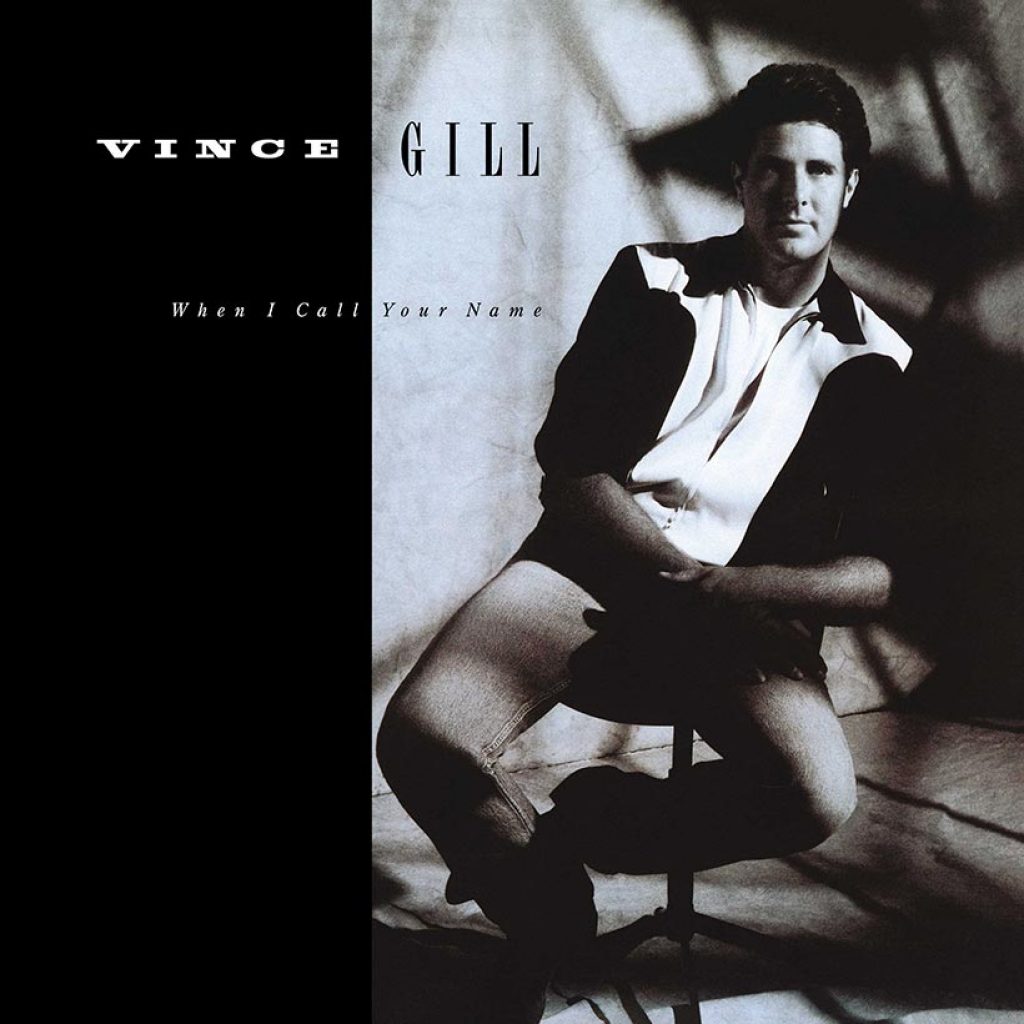
Late 1989 felt like an existential crossroads for Vince Gill. He was 32 years old, widely revered inside Nashville as an elite session picker with a pure, crystalline tenor, yet his solo recording contract with RCA had stalled without delivering a signature crossover hit. Making the high-stakes jump to MCA Nashville under the guidance of producer Tony Brown changed everything. When Gill released the title track of his third solo studio album in 1989, it struck an emotional chord that cut straight through the glossy, overproduced country pop of the late 1980s. As documented in a recent Yardbarker Report celebrating his essential catalog, "When I Call Your Name" permanently transformed Gill from an industry-insider secret into an international icon.
The song did far more than rescue Gill's recording career from commercial purgatory. It reshaped the sonic vocabulary of modern country music, reintroducing an unadorned, high-lonesome emotional depth right as the genre entered its historic 1990s boom. Driven by a delicate acoustic heartbreak guitar progression and lifted into history by Patty Loveless's haunting harmony vocals, the track set a gold standard for what a country music tearjerker ballad could accomplish on both critical and commercial fronts.
📌 Key Takeaways:
- The Career Turning Point: Written by Vince Gill and veteran songwriter Tim DuBois, the 1989 ballad rescued Gill's solo career and propelled his MCA Nashville breakthrough album to multi-platinum status.
- The Vocal Alchemy: Patty Loveless contributed high-register, uncredited harmonies that transformed an intimate confession into an eerie, grief-stricken masterpiece.
- Enduring Recognition: The song won the 1990 CMA Single of the Year and Gill’s first Grammy Award, cementing his path toward Grand Ole Opry member status and the 2025 CMA Willie Nelson Lifetime Achievement Award.
The 1989 Crossroads on Music Row
Before 1989, Vince Gill was the musician everyone in Nashville rooted for, but few outside the industry knew intimately. He had already paid his dues through stints with the bluegrass outfit Bluegrass Alliance, the country-rock group Pure Prairie League, and Rodney Crowell's backing band. He could pick rings around nearly any session guitarist in town. His voice possessed an effortless, soaring range that earned him invitations to back Emmylou Harris, Rosanne Cash, and Dire Straits. Yet his tenure at RCA yielded modest mid-chart placements rather than career-defining anthems.
Producer Tony Brown saw what was missing. Brown, then spearheading a creative renaissance at MCA Nashville, recognized that Gill’s previous recordings had smoothed over the singer’s most compelling asset: his visceral bluegrass soul. Brown pushed Gill to strip away artificial studio gloss and lean into unvarnished vulnerability. When the label heads heard the early mixes of the When I Call Your Name material, they knew Gill had finally arrived at his true artistic voice. The single officially arrived in late 1989, signaling a seismic shift toward traditional instrumentation and devastating lyrical honesty.
Crafting the Ballad with Tim DuBois
The writing session that yielded the song began with quiet reflection rather than commercial ambition. Gill sat down with seasoned writer and future Arista Nashville chief Tim DuBois. Both men brought personal heartbreak and sharp narrative instincts to the room. The premise was deceptively simple: a man returns to an empty house, discovers a farewell note, and realizes too late that the love of his life has walked out the door forever.
Gill anchored the melody with an understated acoustic heartbreak guitar progression. The chords moved with heavy, deliberate sorrow, mirroring the protagonist's footsteps as he walks across an echoing, vacant room. Lyrically, Gill and DuBois avoided melodrama. They let quiet domestic details carry the grief: the sight of an empty closet, the silence hanging in the hallway, and the tragic reflex of calling out a lover's name only to be met by total stillness. DuBois later remarked that Gill’s phrasing gave the lines a sense of absolute finality, making the listener inhabit the sudden shock of abandonment.
The Ghostly Power of Patty Loveless’s Harmonies
Gill’s lead vocal on the track was pristine, but the session still needed something to push the emotional weight over the edge. Brown and Gill found that missing piece in Patty Loveless. A rising mountain-soul powerhouse with roots in Kentucky coal country, Loveless brought an ancestral, mournful cry that perfectly complemented Gill's velvety high tenor.
Her entry on the second chorus remains one of the most chilling vocal moments in contemporary country music. Loveless did not simply mirror the melody; she pushed her harmony lines slightly behind Gill’s cadence, creating a ghostly, almost spiritual presence in the mix. It sounded as though the memory of the departed lover was actively vanishing into thin air. At the time, contractual technicalities between competing record labels prevented Loveless from receiving prominent front-cover feature billing. Country listeners and radio programmers knew immediately whose voice was soaring across the airwaves. The vocal pairing forged a legendary creative partnership that the two artists would revisit across several decades.
From Studio Doubts to the 1990 Awards Sweep
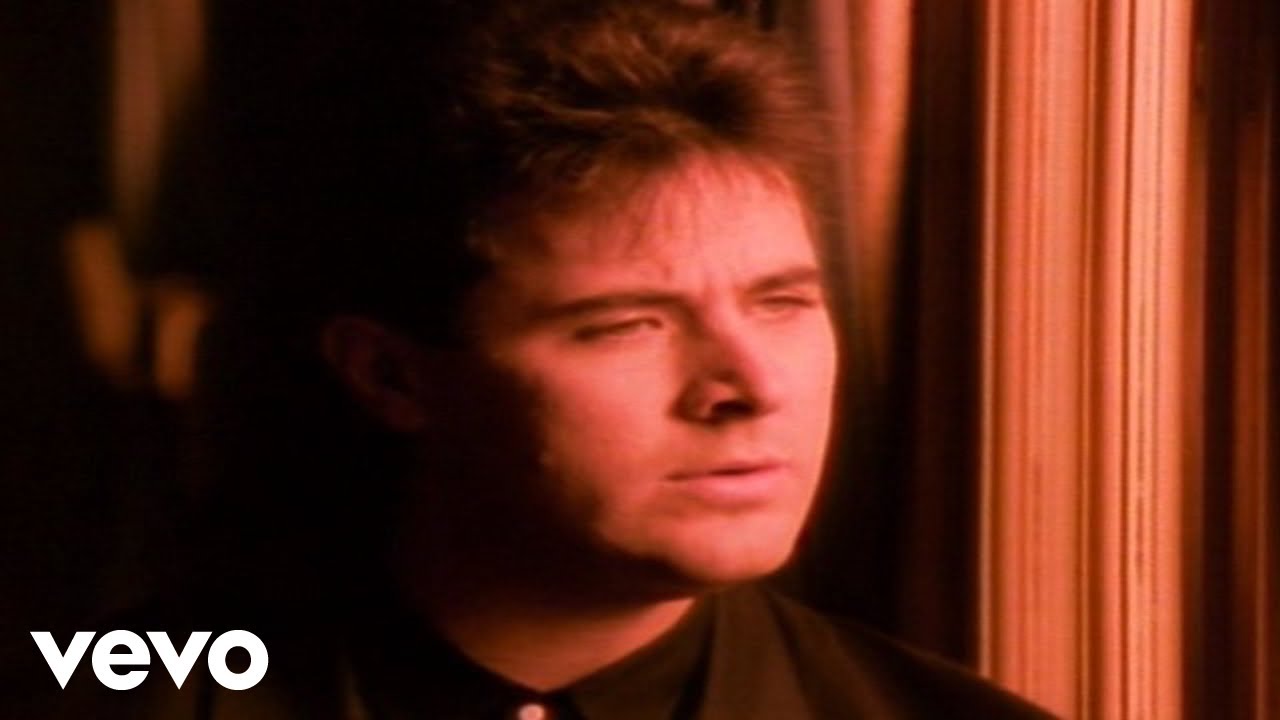
Radio programmers in early 1990 were initially hesitant about slow tempos. High-energy anthems were dominating the charts, and conventional wisdom suggested a slow-burning ballad might stall out before reaching the top ten. "When I Call Your Name" obliterated those reservations. Listeners flooded phone lines, demanding to hear the track over and over. By the summer of 1990, it had climbed to No. 2 on the Billboard Hot Country Singles chart, pulling the parent album along with it into the upper echelons of the sales charts.
| Milestone / Metric | Year Achieved | Industry Impact |
|---|---|---|
| Billboard Country Chart Peak | 1990 | Reached No. 2; established Gill as a top-tier radio draw |
| CMA Single of the Year | 1990 | Won over massive competition, marking Gill's first major CMA triumph |
| Grammy Award for Best Male Country Vocal | 1991 | First of Gill's career 22 Grammy Awards |
| RIAA Album Certification | 1990, 1996 | Certified 2x Multi-Platinum (over 2,000,000 units sold) |
| Grand Ole Opry Induction | 1991 | Formal entry into country music's most prestigious institution |
The industry honors quickly followed. At the 1990 Country Music Association Awards, the song took home CMA Single of the Year, while Gill and DuBois shared the trophy for CMA Song of the Year. Months later, Gill collected the Grammy Award for Best Country Vocal Performance, Male. The momentum launched the MCA Nashville breakthrough album past two million certified sales, setting the stage for Gill's induction as a Grand Ole Opry member in 1991.
Brandi Carlile, Lifetime Honors, and the Ongoing Legacy
Decades after its debut alongside other 1989 country classics, the ballad retains an astonishing emotional power. In recent retrospective rankings, music historians consistently highlight the track as one of three quintessential performances that sustained Nashville's tearjerker tradition into the modern era.
That cultural longevity was on full display when the Country Music Association presented Gill with the 2025 CMA Willie Nelson Lifetime Achievement Award. During the national telecast, roots music visionary Brandi Carlile joined Patty Loveless on stage for a stunning tribute performance of "When I Call Your Name." Carlile and Loveless traded verses before locking into soaring three-part harmonies that brought the Bridgestone Arena audience to tears. Gill watched from the front row, visibly moved by the enduring resonance of a song he had penned in a modest rehearsal room more than thirty-five years earlier.
Younger singer-songwriters across Nashville continue to study the record's production values. Tony Brown's restraint in the producer's chair, letting the steel guitar, acoustic picking, and human voices carry the weight without synthetic compression, serves as an ongoing masterclass for modern artists seeking timelessness over temporary trends.
Frequently Asked Questions (FAQ)
Q1: Who originally wrote "When I Call Your Name"?
A1: The song was co-written by Vince Gill and veteran Nashville songwriter and executive Tim DuBois in 1989. It served as the title track for Gill's breakthrough solo album on MCA Nashville.
Q2: Why was Patty Loveless uncredited on the original single release?
A2: Patty Loveless contributed the signature high-register harmony vocals, but contractual constraints between rival record labels in 1989 prevented her name from appearing as a featured artist on the original 45 RPM single sleeve. Her contribution has since been universally acknowledged and celebrated.
Q3: What major awards did "When I Call Your Name" win?
A3: The song earned the 1990 CMA Single of the Year and Song of the Year honors, followed by the 1991 Grammy Award for Best Country Vocal Performance, Male. It was the first Grammy win of Gill's career, which eventually grew to 22 Grammys.
Q4: How did the 2025 CMA Awards honor this song?
A4: During the presentation of the 2025 CMA Willie Nelson Lifetime Achievement Award to Vince Gill, Brandi Carlile and Patty Loveless performed a live tribute duet of "When I Call Your Name," honoring its place in the American songbook.
The Lasting Architecture of a Nashville Masterpiece
"When I Call Your Name" endures because it refuses to rush its grief. today commercial recordings often rely on exaggerated vocal runs and towering walls of sound, Gill's signature masterpiece relies entirely on nuance. The silence between the guitar notes matters just as much as the notes themselves. Loveless's ghostly harmony feels less like an accompaniment and more like an emotional phantom lingering in the room.
Decades after it first broke through on country radio, the ballad stands as a monument to authentic musicianship. It proved that real sadness, delivered with immaculate pitch and unflinching honesty, cuts across generations and trends. For Vince Gill, it was the song that finally allowed his true voice to be heard. For the genre itself, it was a reminder that country music is always at its absolute best when it tells the plain, painful truth.