Broccoli Rabe vs Broccolini Fact-Check: Are They Even Related to Real Broccoli?
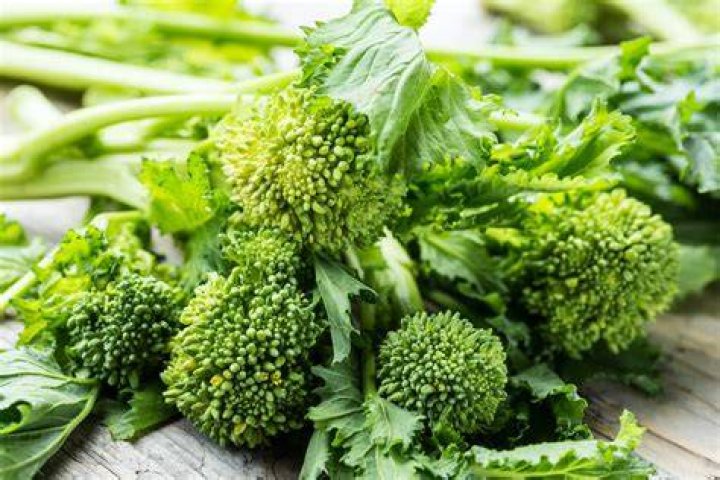
Mistaking broccoli rabe for broccolini in the supermarket produce section is an easy error that ruins dinner. Shoppers regularly grab a bundle of leafy, jagged greens expecting the mellow sweetness of tender stems, only to encounter an aggressive, bitter punch on the palate. The confusion reached local headlines in January 2026 when a Medford, New Jersey deli sparked community debate over an unconventional broccoli rabe cheesesteak honoring a local poker champion, reminding diners how fiercely polarized palates remain over bitter greens. Meanwhile, food writers continue documenting the plant's rustic power, with recipe revivals like the Garden & Gun Report illustrating how Southern and Mediterranean kitchens soften its bite using olive oil, lemon, and aged cheese.
Beneath the commercial naming lies a fundamental botanical divide. One of these plants is a high-tech agricultural crossbred triumph from late-twentieth-century Japan. The other is an ancient Mediterranean wild turnip cousin cultivated for centuries across southern Italy. Deciphering their genetic lines, culinary chemistry, and ideal cooking methods reveals why treating them as identical vegetables never works.
📌 Key Takeaways:
- Botanical Classification: Broccoli rabe belongs to Brassica rapa (the turnip family), while broccolini belongs to Brassica oleracea, making broccolini a true relative of standard broccoli and rabe an impostor.
- Genetic Origins: Broccolini is a deliberate hybrid between standard European calabrese broccoli and Chinese broccoli (gai lan), developed in 1993, not an immature "baby" version of standard broccoli.
- Culinary Function: Broccolini features sweet, slender stems and small florets that caramelize during quick roasting; broccoli rabe yields pungent, bitter leaves, and slender stems that require blanching or rich fat pairings to mellow.
The Produce Aisle Identity Crisis: Hybrid vs Turnip
Produce distributors share much of the blame for supermarket confusion. Supermarkets routinely label broccolini as "baby broccoli," leading shoppers to assume field hands simply harvested immature heads of standard Calabrese broccoli. That assumption is flatly incorrect. Standard broccoli harvested early does not yield long, slender, tender stems; it yields tiny, dense crowns on tough stalks.
Broccoli rabe suffers from an even more misleading moniker. Also marketed as rapini, raab, or cime di rapa, the plant is not broccoli at all. It is a leafy, flowering brassica belonging to Brassica rapa, placing its closest genetic kinship beside field turnips, bok choy, and napa cabbage. When shoppers purchase broccoli rabe, they buy the edible flowering tops, tender stems, and jagged foliage of a turnip relative bred specifically for bitter greens rather than root development.
The morphological differences are obvious upon closer inspection. Broccolini features long, uniform, jade-green stalks capped with loose florets reminiscent of miniature standard broccoli heads, carrying virtually no substantial foliage. Broccoli rabe arrives as an abundant bouquet of wide, ragged leaves punctuated by tiny, scattered green bud clusters that look like nascent florets. Cooking them interchangeably without adjusting your flavor balance leads to disastrous meals.
The Invention of Broccolini: Yokohama Labs to Global Grocery Shelves
Broccolini did not emerge from ancient pastoral foraging. It was engineered. In 1993, plant breeders at the Sakata Seed Corporation in Yokohama, Japan, set out to develop a heat-tolerant brassica that offered both edible florets and completely tender, sweet stalks.
Breeders crossed traditional European Calabrese broccoli (Brassica oleracea var. italica) with Chinese broccoli (Brassica oleracea var. alboglabra), commonly known as gai lan. Chinese broccoli contributed long, sweet stems and heat tolerance; standard broccoli contributed the familiar floret clusters. The resulting cultivar, originally patented under the code name "Aspabroc," tasted remarkably mild with hints of asparagus and green pea sweetness.
Commercial distribution took off when California's Mann Packing partnered with Sakata in 1998, trademarking the name "Broccolini" for the North American market. Commercial growers in Salinas Valley and Mexico quickly ramped up production to meet supermarket demand. Because "Aspabroc" was proprietary, competing growers marketed unbranded crosses under names like "baby broccoli," "sweet baby broccoli," or "asparabroc." Regardless of the packaging label, every bundle of broccolini in retail coolers traces its lineage to this specific 1990s Japanese cross.
Broccoli Rabe’s Ancient Mediterranean Lineage: Cime di Rapa and Rapini
While broccolini is an engineered corporate success story, broccoli rabe carries thousands of years of peasant farming tradition across Southern Italy, particularly throughout Puglia, Campania, and Calabria. Italian agronomists refer to the plant as cime di rapa (turnip tops) or friarielli around Naples.
Italian immigrants brought the hardy green to the United States in the late 19th and early 20th centuries, cultivating it in backyard plots across Philadelphia, New Jersey, and Brooklyn. In Southern Italian cooking, bitterness is not a flaw to engineer away; it is a vital culinary element that stimulates digestion and balances fatty meats.
The assertive bite of Brassica rapa comes from high concentrations of glucosinolates, sulfur-rich organic compounds that activate the human tongue's bitter taste receptors. In culinary retrospectives published by Serious Eats detailing Puglia’s classic orecchiette con salsiccia e cime di rapa, food researchers note that balancing the green's glucosinolates requires rendering rich pork fat, toasted garlic, and crushed red pepper. The bitter notes cut directly through animal fat, creating a savory contrast that sweet greens like broccolini simply cannot match.
Head-to-Head Comparison: Genetics, Flavor, and Prep Demands
Evaluating both vegetables side-by-side demonstrates why recipe substitutions require careful adjustments. Martha Stewart’s brassica guides consistently stress that treating these two greens as culinary equivalents produces unpalatable results.
| Botanical & Culinary Trait | Broccoli Rabe (Rapini) | Broccolini ("Baby Broccoli") |
|---|---|---|
| Scientific Taxonomy | Brassica rapa (Turnip family) | Brassica oleracea (Cabbage hybrid) |
| Genetic Parentage | Wild field turnip selection | Calabrese Broccoli × Chinese Broccoli (Gai Lan) |
| Primary Anatomy | Broad ragged leaves, thin stems, sparse buds | Long tender stems, small florets, minimal leaves |
| Flavor Profile | Pungent, assertive, bitter, peppery, nutty | Mild, sweet, vegetal, subtle asparagus note |
| Primary Cooking Methods | Blanching, braising, stewing with fat | High-heat roasting, charring, stir-frying, steaming |
| Average Retail Price (per lb) | $2.49, $3.99 | $4.99, $6.99 |
Mastering the Heat: Blanching, Sautéing, and Balancing Bitterness
Cooking broccoli rabe demands respect for its bitter compounds. Dumping raw rapini directly into a dry roasting pan yields leathery leaves and overwhelming bitterness. The standard Italian technique relies on blanching and sautéing. Submerging chopped rabe in vigorously boiling, heavily salted water for 90, 120 seconds leaches excess glucosinolates into the water. Shocking the greens in an ice bath halts carryover cooking, locking in an emerald green hue.
Once blanched and squeezed dry, sauté the greens in abundant olive oil alongside sliced garlic, chili flakes, or anchovy fillets. The Food & Wine culinary test kitchen showcased this principle in early 2026 with their sausage and broccoli rabe burgers, where rabe was sautéed until soft and layered against rich, seasoned pork patties to keep the bitterness functional rather than jarring.
Broccolini thrives under dry, intense heat. Its tender stems contain sufficient natural sugars that caramelize rapidly under 425°F oven roasting or a blistering cast-iron sear. Toss trimmed stalks with avocado or olive oil, salt, and black pepper, then spread them in a single layer on a preheated baking sheet. Within 12, 15 minutes, the florets turn crispy while the stems develop tender chewiness. A squeeze of fresh lemon juice or a dusting of grated pecorino right out of the oven balances the natural sugars.
Smart Swaps and Substitutions: What Actually Works When You Run Out
If your recipe calls for broccolini and your grocer has none, reaching for broccoli rabe is a mistake. The assertive bitterness of rabe will overpower delicate pasta sauces, stir-fries, or roasted fish plates designed for broccolini's mild profile.
Instead, reach for Chinese broccoli (gai lan), broccolini’s maternal parent. Gai lan provides thick, sweet, juicy stems with minimal bitterness, handling high-heat woks and roasting identically. Standard broccoli crowns also work well: peel the woody outer skin from the stalk, slice the interior core into long matchsticks, and roast them alongside trimmed florets. Asparagus serves as another viable substitute when matching broccolini's slender presentation and gentle sweetness.
When searching for broccoli rabe substitutions, look exclusively within the bitter greens aisle. Escarole, mature turnip tops, mustard greens, and wild dandelion greens provide the necessary pungency. Collard greens or mature Tuscan kale can fill in for hearty pasta dishes, though they require longer braising times and carry less peppery kick. Adding a small handful of watercress or arugula to cooked kale mimics broccoli rabe’s natural mustard finish.
Frequently Asked Questions (FAQ)
Q1: Can I eat broccolini leaves and stems raw?
A1: Yes. The stems and florets are tender enough to slice thinly into fresh slaws or serve raw on crudité platters. Broccoli rabe, by contrast, is intensely astringent when consumed raw and should be cooked.
Q2: Why is broccolini consistently more expensive than broccoli rabe?
A2: Broccolini requires licensing fees tied to patented seed stock and demands careful hand harvesting to protect slender stalks from snapping. Broccoli rabe grows quickly as a leafy field crop with simpler mechanical harvesting and lower royalties.
Q3: Does trimming broccoli rabe stems make it taste less bitter?
A3: Trimming the bottom 1 to 2 inches removes tough, woody fibers, improving texture. Bitterness is concentrated in the chemical makeup of the leaves and buds, meaning stem trimming will not reduce bitterness unless you also blanch the greens in salted water.
Navigating the Brassica Spectrum in Modern Kitchens
Knowing the genetic heritage of produce transforms your grocery choices from guesswork into calculated kitchen technique. Broccolini represents precision breeding: a hybrid engineered for home cooks seeking tender stems, fast cooking times, and sweet flavors that please entire households without extra kitchen steps.
Broccoli rabe offers an unvarnished culinary heritage. Its turnip roots, peppery mustard notes, and demanding prep remind us that bitterness has an essential place at the table. Cooking great meals means embracing both greens for what they actually are: an engineered sweet hybrid on one side, an ancient, sharp Mediterranean turnip on the other.


