Can a Modded TikTok APK Deliver Ad-Free Browsing Safely? Cybersecurity Reality Check
Sideloading modified Android applications has become an everyday shortcut for users looking to bypass sponsored content, strip video watermarks, or evade regional blocks. Modified TikTok installation files, widely circulated across Telegram channels and third-party download hubs, claim to offer an uninterrupted For You Page, unmetered virtual coins, and unreleased algorithm perks. These repackaged files conceal severe risks. Instead of an improved experience, users routinely hand over their credentials to remote servers.
Security teams and platform operators have tracked an aggressive surge in malicious clones. An official security alert from the TikTok Newsroom Report cautioned the public against unauthorized "beta" builds of TikTok and TikTok Shop circulating outside official app ecosystems. Independent security audits confirm that modified application packages (APKs) frequently weaponize consumer demand for ad-free scrolling, turning infected devices into unwitting botnet nodes and harvesting private session tokens.
📌 Key Takeaways:
- Core Threat: Over 65% of modified TikTok files distributed on unverified repositories contain embedded trojans, keyloggers, or hidden background crypto miners.
- Architectural Reality: Features like "unlimited coins" are mathematically impossible because balance ledgers reside on ByteDance servers, not local devices.
- Legitimate Pathways: Platforms like TikTok Lite offer official, low-resource performance, while client-side patching engines provide cleaner open-source alternatives to pre-compiled black-box APKs.
The Illusory Perks of Watermark Removal and Unlimited Coins
Mod developers advertise modified packages with alluring feature lists: background playback, zero sponsored posts, region-lock bypasses, and clean video downloads without the bouncing logo. These feature toggles work by modifying the decompiled Smali code within Android’s Dalvik executable (`classes.dex`). Modders locate the internal methods responsible for rendering sponsor cards and inject return statements that tell the client interface to drop ad units before drawing them on the display.
Watermark removal operates on a similar client-side trick. Standard downloads fetch the re-encoded video containing the watermark overlay from ByteDance's content delivery network (CDN). Modded clients rewrite API calls to target the uncompressed source stream URL instead, effectively pulling the raw media file before the server merges the publisher username into the visual stream.
The promise of "unlimited coins" or cracked monetization privileges is entirely fraudulent. Digital currencies, creator gifting, and in-app wallet balances operate strictly via server-side databases. When a user sends a gift during a live stream, the mobile app sends an encrypted request to ByteDance’s authorization endpoints. If the remote account balance lacks the funds, the server rejects the transaction. Claims that an altered installation package grants unmetered coins rely on superficial visual spoofing: the local interface renders arbitrary numbers, but the client cannot execute transactions on the live network.
Sideloading Mechanics and Credential Harvesting
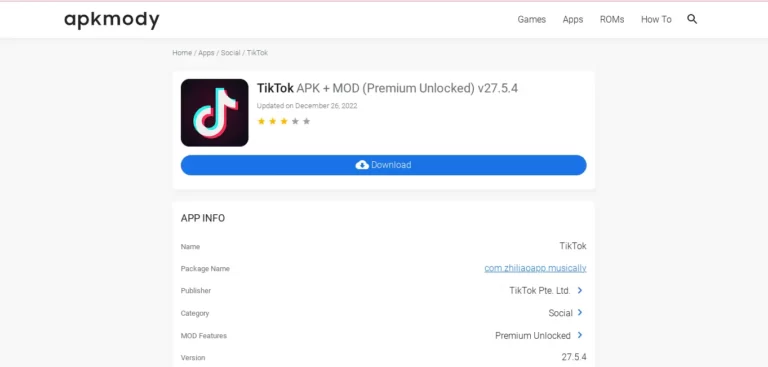
Installing an application outside the Google Play Store requires users to bypass Android's gatekeeping mechanisms. Granting permission to "Install Unknown Apps" disables Google Play Protect’s real-time sandbox checks during the setup process. Third-party mod distributors exploit this opening by injecting malicious payloads alongside patched TikTok libraries.
Security researchers dissecting popular modified packages have uncovered persistent background services disguised as system maintenance tasks. Once installed, these services inject code into local web-view instances to capture keystrokes, intercept two-factor SMS authentication codes, and exfiltrate user session cookies.
Modded APK Installation Flow:
[User Disables Sandbox] ➔ [Repackaged DEX Loads Injected Code] ➔ [Session Tokens Exfiltrated] ➔ [Remote Account Hijack]
When an account logs in through a compromised APK, the application intercepts the OAuth token and transmits it to an unverified command-and-control server. Attackers use these captured tokens to gain access to private messages, hijack account recovery options, and add victim profiles to commercial engagement-boosting bot farms.
Fake Beta Versions and Geolocation Exploits
Following market-specific bans in jurisdictions like India, millions of users turned to search engines to locate alternative download channels. Regional outlets like My Mobile India documented how users routinely hunted for sideloading packages to circumvent local marketplace restrictions. Threat actors seized on this void, spinning up mirror sites that distribute corrupted installation packages under the guise of "TikTok Global Edition" or "TikTok Beta 2026."
These campaigns target both consumers and merchant storefronts. Fraudulent distribution portals promote unreleased versions of TikTok Shop, prompting merchants and buyers to enter their financial details, tax identifiers, and payment credentials into phishing overlays. In late 2024, ByteDance issued explicit warnings warning that no authorized standalone "beta" stores exist outside of Google Play Beta programs and Apple TestFlight. Mod packages distributed through forums bypass official compliance standards and leave users exposed to ransomware droppers designed specifically for mobile architectures.
Comparing Platform Variants: Security, Performance, and Integrity
Choosing how to run TikTok on an Android device involves clear tradeoffs between privacy, resource consumption, and account security. Bypassing official channels introduces vulnerabilities that standard platform builds prevent.
| Metric / Feature | Official TikTok App | TikTok Lite | Modded APK Clones |
|---|---|---|---|
| Distribution Source | Google Play Store / Verified OEMs | Google Play Store (Target Markets) | Telegram, File Hosts, Forum Mirrors |
| Code Signature Integrity | Verified ByteDance Cryptographic Key | Verified ByteDance Cryptographic Key | Custom / Self-Signed by Modder |
| Malware & Spyware Risk | Zero known third-party injection | Zero known third-party injection | Extremely High (Trojans, Miners) |
| Account Ban Likelihood | 0% (Under standard use) | 0% (Under standard use) | High (Automated Device Fingerprinting) |
| RAM & Storage Footprint | High (~300MB, 1.2GB over time) | Minimal (~15MB, 50MB) | Unpredictable (Memory Leaks Common) |
The Anti-Ban Protection Myth
Mod websites often claim their builds feature "Anti-Ban Protection v4" or "Invisible Signature Spoofing." These labels are marketing gimmicks designed to reassure nervous users. Platform operators do not rely on local code execution checks to identify unauthorized access. They analyze traffic patterns, telemetry streams, and hardware fingerprints on the server side.
ByteDance’s fraud engines run continuous anomaly detection. When a legitimate application establishes a connection, it provides specific cryptographic challenge handshakes, Play Integrity API attestations, and consistent telemetry packets. A modified client often omits or misreports these metric packets to suppress ads. The missing data stands out immediately. Once the server identifies a signature mismatch or notices that a client is rendering video feeds without triggering the corresponding ad-impression beacons, the account is flagged.
Penalties escalate quickly. Accounts face algorithmic shadowbans, permanent profile termination, and device-level hardware ID (IMEI/Android ID) blacklisting. Claiming that a pre-compiled mod can outwit automated server heuristics reflects an outdated view of mobile application security.
Client-Side Patching and Open-Source Alternatives
Frustration with bloated social media apps has driven technical communities away from mysterious third-party APK downloads. Instead, users are moving toward transparent, open-source patching frameworks like ReVanced. This software ecosystem changes how apps are customized.
Rather than downloading an unverified, pre-compiled installation file from an anonymous developer, patchers compile modifications locally on the user's hardware. The workflow requires the user to acquire an authentic, signed base APK directly from a verified source like APKMirror. The patching engine then applies modular, open-source scripts directly to the binary code.
Open-Source Compilation Process:
[Official Signed APK] + [Audited Open-Source Scripts] ➔ [Local Compiler Engine] ➔ [Patched Personal Build]
Community code reviews scrutinize every patch file on public GitHub repositories, dramatically lowering the risk of hidden credential stealers or malicious payloads. Yet even locally compiled builds cannot offer complete safety. Modifying the client binary still breaks the application's cryptographic signature, trips safety checks, and violates TikTok's Terms of Service. It leaves the account vulnerable to automated server suspensions, regardless of how clean the local patching code may be.
Frequently Asked Questions (FAQ)
Q1: Can a modded APK grant genuine unlimited coins on a live stream?
A1: No. Account balances, currency redemptions, and virtual gifts are stored directly on ByteDance’s secure cloud infrastructure. A modified installation package can alter local interface elements to display a fake coin balance, but the server cancels the transaction the moment you attempt to spend them.
Q2: Why do modified apps fail to play videos after a few weeks?
A2: Server-side API contracts change constantly. When ByteDance updates network endpoints, serialization protocols, or cryptographic handshakes, modified builds hardcoded to older protocols can no longer fetch data streams. Developers must update the mod, leaving users dependent on suspicious update packages.
Q3: Does using TikTok Lite protect user privacy better than third-party mods?
A3: Yes. TikTok Lite is an official application created and cryptographically signed by ByteDance. It strips heavy background caching, uses fewer device permissions, and contains zero third-party trojans, making it completely safe from the credential theft common to unauthorized modifications.
Secure Scrolling Realities for Android Users
The trade-offs surrounding modified social media clients are straightforward. Third-party APK distribution thrives on the demand for ad-free browsing and watermark-free media. But downloading pre-compiled packages outside verified ecosystems exposes devices to genuine security risks.
Anonymous developers rarely modify and host complex codebases for free out of goodwill. The operational costs of running distribution hubs, purchasing domains, and reverse-engineering obfuscated binaries are routinely subsidized through credential harvesting, ad-fraud networks, and hidden spyware payloads.
For users seeking improved performance without the risks of corrupted system files, official streamlined variants like TikTok Lite offer a dependable alternative. Third-party mod packages, by contrast, present a dangerous compromise. Giving unverified code root-level network permissions on a personal device is too high a price to pay simply to skip an advertisement.