Ceremonial Grade vs. Culinary Blend: Fact-Checking the True Cost of Luxury Matcha Cakes
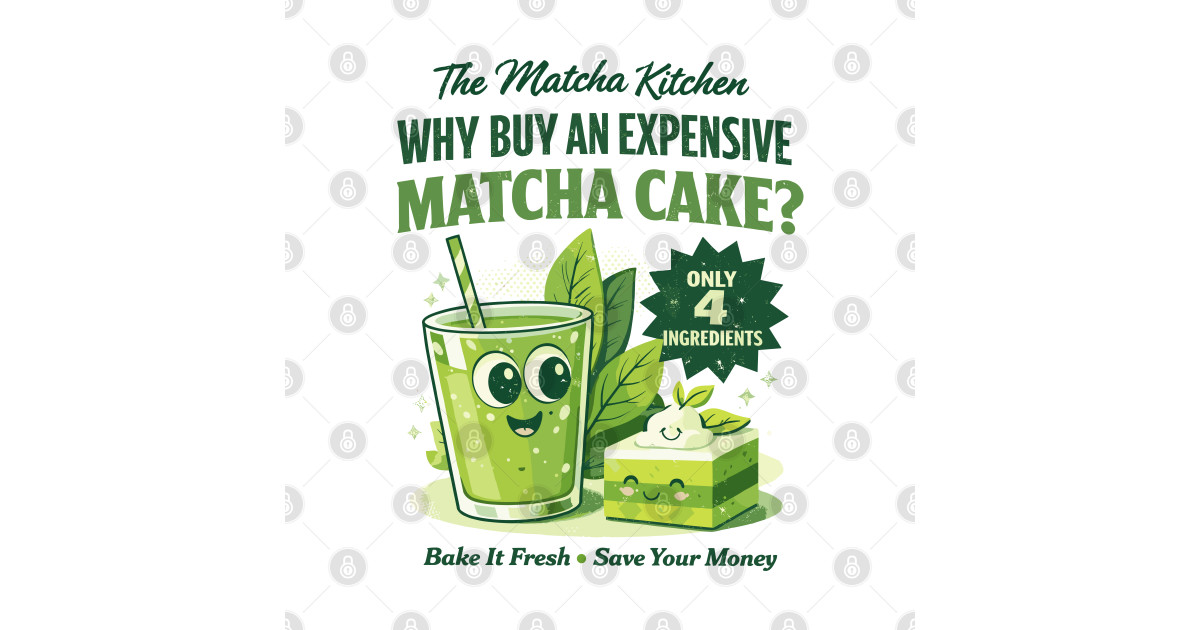
Walk into any boutique Japanese patisserie from Manhattan’s Lower East Side to Tokyo’s Ginza district, and the centerpiece of the glass display case is almost always a deep jade confection priced like fine jewelry. Whole multi-layered matcha crepe cakes routinely fetch $85 to $115, while individual slices easily cross the $14 threshold. Bakeries justify these luxury prices by invoking prestigious provenance: ceremonial-grade harvest, volcanic soils from Kyoto, and centuries-old stone-milling traditions. Yet culinary scientists and seasoned pastry chefs have begun questioning whether baking with luxury green tea is culinary excellence or simply high-margin marketing.
The skepticism has reached mainstream food journalism. As culinary investigators at foodrepublic.com reported in their breakdown on green tea preparation, high-quality matcha belongs on the shelf rather than inside a hot oven. High baking temperatures systematically destroy the very aromatic compounds that make premium tea expensive in the first place. Understanding whether an expensive matcha cake justifies its price requires peeling back the chemistry of heat, the economics of Japanese tea auctions, and the specific pastry techniques that separate genuine craftsmanship from cynical retail markup.
📌 Key Takeaways:
- The Heat Vulnerability: Baking heat above 300°F triggers severe chlorophyll oxidation and evaporates volatile grassy aromatics, rendering ultra-expensive ceremonial tea nearly indistinguishable from mid-tier harvest inside a baked sponge.
- The Formulation Divide: Elite artisanal Japanese bakeries use a dual-matcha strategy, reserving astringent culinary blends for heat-treated batters while infusing expensive first-harvest tencha into unheated pastry cream and chilled ganache.
- The Cost Reality: A 9-inch luxury matcha crepe cake contains roughly $9 to $14 worth of authentic Uji powder, meaning retail price tags above $80 stem primarily from labor-intensive assembly and brand positioning rather than raw agricultural expenses.
The Kitchen Paradox: Heat, Steam, and Chemical Degradation
Matcha does not behave like cocoa powder, vanilla bean, or espresso. It is an unfermented, powdered whole leaf loaded with sensitive polyphenols, volatile alcohols, and amino acids. When subjected to the dry heat of an oven (typically 325°F to 375°F), the bright green hue of chlorophyll undergoes rapid thermal pheophytinization. Magnesium at the center of the chlorophyll molecule is displaced by hydrogen atoms, turning radiant electric jade into a dull, muddy olive-drab.
Flavor degradation is equally ruthless. The delicate savory notes of the amino acid l-theanine break down under prolonged thermal stress. High-grade ceremonial matcha boasts a sweet, broth-like savoriness with minimal bitterness. Exposed to oven heat for thirty minutes alongside alkaline baking powder and acidic dairy, those nuanced floral and marine top notes vaporize. What remains is generic vegetal dryness.
For this reason, dumping $60-an-ounce first-harvest powder into a basic pound cake batter produces diminishing returns. The heat levels the playing field. In a blind crumb evaluation, tasters consistently fail to separate a baked sponge made with top-tier spring tea from one prepared with standard autumn culinary tea.
Where the Sourcing Money Goes: Uji Terroir vs. Mass Industrial Mills
Why does base matcha pricing swing from $12 for a commercial pound to $70 for a tiny 30-gram tin? The gulf lies in agricultural cultivation. Authentic Uji matcha origin traces to the hills of Kyoto Prefecture, where morning mists shield tea bushes and drainage is optimal. Three to four weeks before the spring harvest, growers drape tea fields in heavy black polypropylene shading netting, cutting sunlight by up to 90 percent.
Deprived of light, the tea plant frantically generates massive amounts of chlorophyll to capture stray photons while halting the conversion of l-theanine into bitter catechins. The resulting leaves, known as tencha, are hand-plucked during the prized first harvest. De-stemmed, de-veined, and slowly pulverized on granite stone mills that rotate at low speeds to prevent frictional heat, first harvest tencha yields an ultra-fine micron powder that feels like silk.
Conversely, industrial culinary grade green tea comes from unshaded or briefly shaded summer and autumn harvests (second and third flushes) across Shizuoka, Kagoshima, or China. Machine-harvested leaves retain their tough fibrous ribs and are crushed by high-speed air-jet pulverizers. The resulting powder contains significantly lower amino acid concentrations and much higher levels of harsh catechins. This chemical skew creates a sharp bitterness and astringency profile that hits the back of the palate like over-steeped grocery-store tea bags.
Boutique Margins: The Real Matcha Price Breakdown
To understand retail cake pricing, one must dissect the cost sheet of a high-end 9-inch matcha crepe cake featuring twenty individual crepes bound by whipped pastry cream. Many pastry kitchens cut corners by using industrial tea loaded with added sugars or cornstarch to keep costs under $3 per cake. High-end patisseries, by contrast, build their reputation on uncompromising ingredient sourcing.
| Production Tier | Tea Grade & Origin | Matcha Cost Per Cake | Typical Retail Price |
|---|---|---|---|
| Commercial Chain | Late-harvest autumn blend, mass machine-milled | $1.20, $2.50 | $38, $48 |
| Mid-Scale Bakery | Standard barista-grade Kagoshima culinary powder | $3.80, $5.50 | $55, $68 |
| Artisanal Specialist | Hybrid: Uji culinary base + ceremonial finishing cream | $9.50, $14.00 | $85, $110 |
Even in an artisanal cake requiring 30 grams of pure imported tea, the ingredient cost of the matcha rarely exceeds $14. The leap to an $85 or $100 sticker price is driven by secondary realities: the three hours of manual labor required to fry, cool, and stack paper-thin crepes, high-fat European butter, organic egg yolks, and the punishing rent of tier-one metropolitan shopfronts.

The Palate Test: Pastry Cream Infusion vs. The Sugar Mask
If heat ruins ceremonial matcha, how do artisanal Japanese bakeries justify charging top dollar for their green tea items? The answer lies in structural formulation. Masters of Japanese patisserie never bake their most expensive tea. Instead, they isolate it inside cold, high-fat mediums.
Fat acts as an aromatic solvent and flavor carrier. When authentic, stone-ground spring matcha is folded into an uncooked pastry cream infusion, a white chocolate ganache, or cold mascarpone, its chemical structure stays pristine. The rich dairy buffers the natural tannins while allowing the umami and l-theanine compounds to blossom on the tongue. In this cold-application environment, the contrast between grades is unmistakable.
High-end tea leaves a lingering, round sweetness that sits cleanly across the palate with zero scratchiness in the throat. Commercial kitchens using cheap culinary grade tea cannot achieve this balance naturally. Because their powder contains overwhelming astringency, commercial bakers are forced to flood the recipe with granulated sugar, sweetened condensed milk, or heavy syrups. When a green tea dessert leaves your mouth feeling parched or tastes predominantly like sweet frosting with a faint grassy finish, the kitchen is masking inferior raw materials.
Corner-Cutting in Modern Commercial Baking
The explosive global demand for green tea desserts has created widespread supply vulnerabilities. In response, corner-cutting has become routine across mid-tier bakeries chasing the luxury aesthetic without absorbing Japanese ingredient costs.
The most pervasive deception is artificial coloration. Because lower-grade culinary teas turn swamp-brown when exposed to room air and refrigerator humidity, lower-tier commercial producers source matcha adulterated with micro-algae like chlorella or spinach powder. This delivers a neon-green visual that tricks casual shoppers on social media while diluting authentic flavor.
Other establishments deploy deceptive labelling. Bakeries splash "100% Ceremonial Kyoto Matcha" across their display chalkboards while using that ceremonial tin solely for a thin decorative dusting across the top layer. Beneath that dusting, the sponge cake and custard layers are mixed with low-cost commercial green tea powders bought in five-kilo bulk sacks. Tasters paying luxury markups are often subsidizing a paper-thin dusting of authentic tea over an industrial-grade base.
Frequently Asked Questions (FAQ)
Q1: Can I taste the difference between culinary and ceremonial matcha in an unbaked dessert?
Yes. In unheated components such as mousses, diplomat creams, or crepe cake fillings, ceremonial matcha provides a clean, oceanic savoriness (umami) followed by a naturally sweet finish. Culinary grade green tea tastes noticeably sharp, intensely bitter, and leaves an astringent drying sensation across the gums.
Q2: Why do some artisanal bakeries claim to use ceremonial matcha in baked sponges?
It is largely marketing. While using high-grade powder in a sponge does no harm, baking heat breaks down the delicate aromatic compounds and oxidizes chlorophyll. Bakeries that understand green tea chemistry generally use a high-grade culinary powder with strong backbone astringency for the baked sponge and reserve premium ceremonial tea for raw creams, glazes, and dustings.
Q3: How can I tell if a luxury matcha cake is genuinely worth the price before buying?
Examine the shade and the ingredient transparency. Authentic high-tier matcha displays an electric, forest-moss green, never dull yellow-brown or glowing neon. Ask the patisserie staff which tea estate or region they source from. Reputable operations will readily name specific Uji, Yame, or Nishio producers, and the pastry itself will taste rich, savory, and moderately sweet rather than aggressively sugary.
Strategic Takeaways for Pastry Lovers in 2026
An expensive green tea cake is neither an outright scam nor an essential culinary miracle. Its value depends entirely on how the kitchen applies its raw materials. Paying $90 for a dense, fully baked matcha butter cake or dry pound cake is almost always an unnecessary expenditure; oven temperatures erase the very subtleties that drive agricultural auction prices in Kyoto.
The splurge makes sense when purchasing multi-component, cold-assembled confections. When an artisanal Japanese patisserie layers first-harvest tencha into raw mascarpone, delicate crepe creams, or cold-set Bavarian mousses, the interplay between milk lipids and l-theanine produces an irreplaceable taste profile. Look past marketing buzzwords, check whether the green tea is baked or raw, and let the balance of umami over raw sugar dictate whether that bakery slice earns its spot on your plate.


