Cold Brew vs Nitro Cold Brew: Debunking Caffeine, Calories, and Health Myths
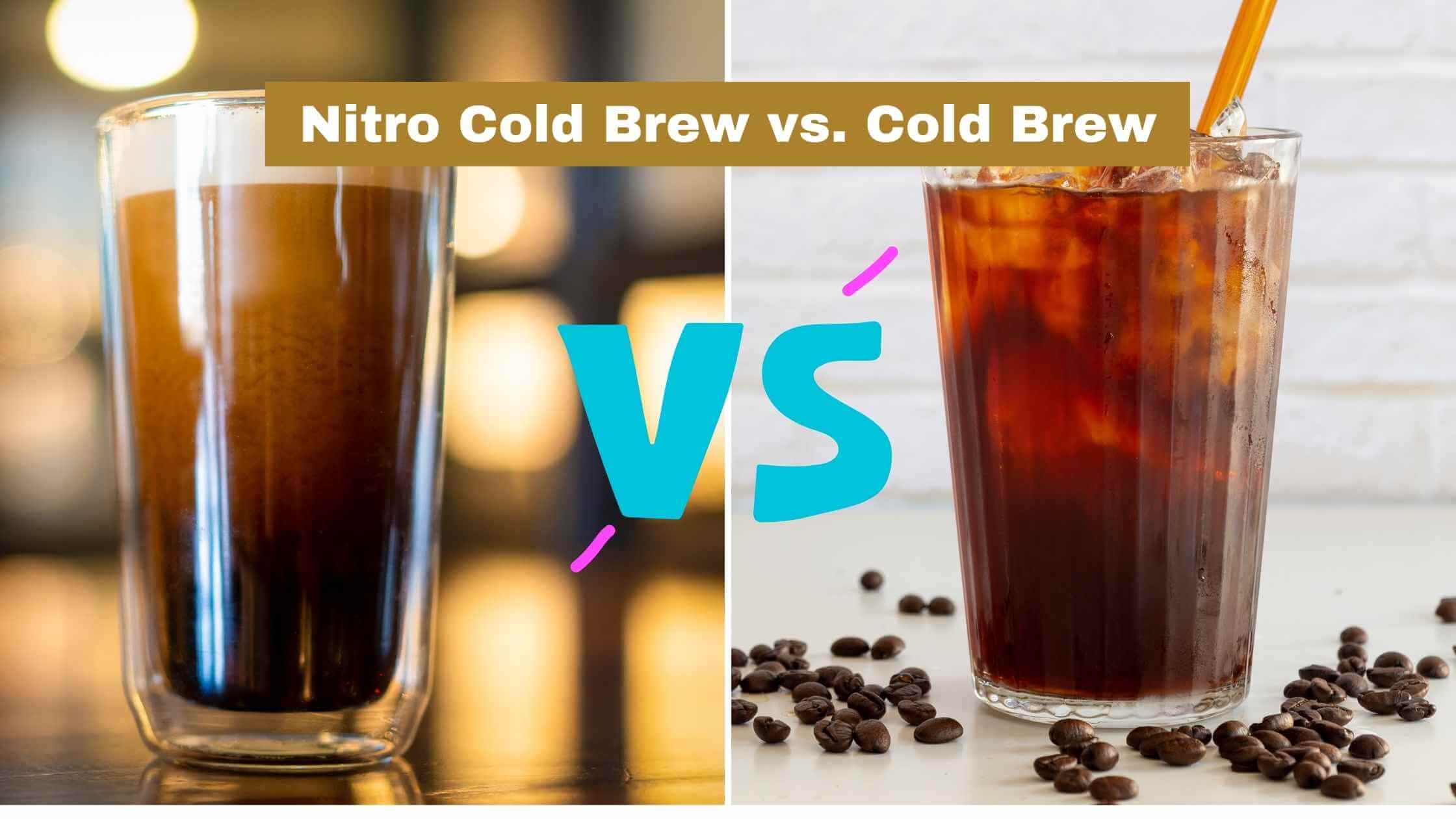
Walk into almost any specialty café or glance at a modern grocery cooler, and the dark, cascading pour of nitro cold brew stands front and center next to its still predecessor. The draft line promises a velvety, Guinness-like mouthfeel, a sweeter finish without milk or syrup, and an undeniable sensory lift. Regional beverage coverage, including a recent Westchester Magazine Report profiling independent roasters, reveals that cold taps have transitioned from high-end café novelties into standard commercial fixtures. Yet this rapid proliferation has generated a thick layer of consumer folklore regarding what is actually in the cup.
Marketing campaigns frequently imply that the draft tap somehow amplifies caffeine potency, eliminates acidity entirely, or offers a magic, calorie-free metabolic boost. Meanwhile, equipment evaluations by publications like Food & Wine show that standard immersion extraction methods already yield intense, heavy-bodied concentrates on their own. Separating brewing physics from commercial packaging requires looking past the mesmerizing downward cascade and examining the underlying food science.
📌 Key Takeaways:
- Core Science: Nitro coffee is standard cold brew infused with pressurized nitrogen gas; the gas itself adds zero calories, zero sugar, and no additional stimulants.
- The Caffeine Discrepancy: Nitro cold brew typically delivers 15% to 30% more caffeine per standard order purely because it is served without ice, filling the glass entirely with liquid concentrate.
- Palate Illusion: The stout-like microbubbles alter surface tension on the tongue, creating the perception of heavy dairy cream and natural sweetness without altering the coffee's chemical sugar count.
The Physics of Nitrogen Gas Infusion and Mouthfeel
Every batch of nitro cold brew begins life as standard cold brew. Coarse-ground coffee beans soak in ambient or chilled water for 12 to 24 hours during the cold brew steeping process. This extended immersion extracts solubles slowly without thermal degradation, leaving behind harsh, astringent chlorogenic lactones that hot water typically washes out. Once the extraction is complete, baristas filter the slurry to produce a clean, dark concentrate.
The split happens at the tap. Standard cold brew flows straight from a keg or pitcher over ice cubes. Nitro cold brew, by contrast, travels through a pressurized draft system charged with pure nitrogen gas (N₂) or a mixed blend at roughly 35 to 45 PSI. As the liquid forces its way through an internal restrictor plate fitted with tiny pinholes, the sudden pressure drop forces dissolved nitrogen out of solution. The result is thousands of microscopic bubbles.
Unlike carbon dioxide (CO₂), which forms large, acidic bubbles that prickle the palate, nitrogen gas creates tight, stable microbubbles. These bubbles remain suspended in the liquid rather than instantly escaping into the air. They physically coat the tongue, softening the coffee’s natural bitterness and creating a creamy texture without dairy. A dense, stout-like foam head crowns the pour, holding its structure for minutes as the cascading currents settle into deep mahogany.
Caffeine Realities: Does the Tap Actually Pack More Punch?
Rumors circulating across fitness forums claim that pressurized gas speeds up caffeine absorption or concentrates the stimulant. The chemical reality is far simpler: nitrogen is an inert gas. It does not react with caffeine molecules, nor does it pull extra alkaloids out of suspended solids. A gallon of cold brew contains the exact same total milligrams of caffeine whether it sits in a glass pitcher or inside an pressurized steel keg.
Why do drinkers consistently report feeling a heavier rush from the draft tap? The difference comes down to the serving temperature without ice. Traditional cold brew orders ship in a 16-ounce cup packed with roughly 4 to 6 ounces of ice cubes, leaving room for roughly 10 to 12 ounces of drinkable liquid. Nitro, however, is poured cold straight from the refrigerated line at 36°F to 38°F without ice, because ice cubes would break the delicate head of foam and ruin the cascade.
When you buy a 16-ounce nitro pour, you receive 16 full fluid ounces of pure coffee. A standard 16-ounce cold brew over ice delivers roughly 180 to 200 mg of caffeine. That same 16-ounce glass filled completely to the brim with undiluted nitro cold brew routinely clocks in between 240 and 280 mg. The gas does not boost the strength. The absence of ice simply increases the total dose per cup.
Calorie Counts, Digestive Comfort, and Natural Sweetness
Beverage labels can confuse shoppers looking to cut out dairy and processed sugars. Plain black nitro cold brew has an almost negligible calorie count: roughly 2 to 5 calories per 16-ounce pour, derived strictly from trace soluble bean oils. There are zero grams of carbohydrates, fats, or proteins.
The sensation of natural sweetness without sugar stems directly from olfactory and tactile mechanics. When the foamy microbubbles burst against the roof of the mouth, they aerosolize aromatic volatile compounds, directing them toward the retro-nasal passage. Paired with the lower extraction of bitter compounds typical of cold brewing, the brain interprets this silky, full-bodied mouthfeel as sweet creaminess, even though zero sweetener was introduced.
Digestion tells a similar story. Coffee drinkers dealing with acid reflux or gastritis often tolerate cold-extracted coffee better than hot filter brews. Hot water extraction releases quinic and caffeic acids, pulling the beverage pH down to roughly 4.85. Extended cold steeping produces a less acidic liquid, hovering between 5.2 and 5.6 pH. Nitrogen infusion does not raise or lower that acidity. Because nitrogen is non-acidic, unlike carbon dioxide, which dissolves into carbonic acid, it treats sensitive stomachs with the same mildness as still cold brew.

Comparing Extraction, Nutrition, and Draft Delivery
While both beverages emerge from the same bean grounds, their presentation and physical behavior diverge across several key metrics. The table below details how these two styles compare in standard commercial settings.
| Attribute | Standard Cold Brew | Nitro Cold Brew |
|---|---|---|
| Dispense System | Gravity pour, pitcher, or standard tap | High-pressure tap line with restrictor plate |
| Gas Saturation | None (atmospheric dissolved oxygen) | Pressurized N₂ (100% or mixed gas) |
| Service Style | Poured directly over ice | Served neat at 36°F, 38°F (never over ice) |
| Caffeine Delivery (16 oz Cup) | 180, 200 mg (diluted by 4, 6 oz ice) | 240, 280 mg (100% pure liquid pour) |
| Base Calories (Unsweetened) | 2, 5 kcal | 2, 5 kcal |
| Mouthfeel Profile | Crisp, clean, light-to-medium viscosity | Velvety, creamy, stout-like persistent head |
| Typical Retail Cost | $4.50, $5.50 | $5.75, $7.00 |
Bean Roast Profiles and Ready-to-Drink Innovations
Not every bean handles the draft system equally. Coffee bean roast profile selections dictate whether the final pour tastes refined or muddied. Dark roasts, packed with caramelized sugars and heavy aromatic oils, have traditionally dominated cold brew blends. Under nitrogen pressurization, however, excessive roast oils can impart an overpowering, smoky aftertaste.
Specialty roasters increasingly favor balanced medium roast profiles originating from Central America or East Africa. These selections retain crisp stone fruit and milk chocolate notes that blend harmoniously with nitrogen microbubbles. Light roasts present different extraction hurdles: their dense cellular structure demands precise grind calibrations and extended contact time to prevent weak, tea-like yields.
The industrial contest between draft tap vs bottled brew presents real packaging hurdles. In a café, kegs maintain continuous pneumatic pressure up to the spout. Ready-to-drink (RTD) cans face an engineering challenge: keeping insoluble nitrogen inside an unpressurized container once opened. Beverage companies solve this by inserting pressurized plastic nitrogen widgets at the base of the can or dosing liquid nitrogen droplets seconds before seaming the lid.
When the consumer cracks the tab, the sudden drop in head pressure triggers the widget to release its gas charge through the liquid, recreating the café cascade. However, canned versions degrade faster than fresh draft pours. Without refrigeration, suspended lipids slowly oxidize, collapsing the foam head prematurely and flattening the flavor into simple roast bitterness within months on shelf.
Frequently Asked Questions (FAQ)
Q1: Does nitro cold brew hit your system faster than regular iced coffee?
A1: There is no clinical evidence that nitrogen gas accelerates gastric absorption of caffeine. The perceived spike happens because nitro orders contain significantly more fluid ounces of coffee per cup than ice-diluted drinks, delivering a larger absolute dose of caffeine in fewer sips.
Q2: Why shouldn't you pour nitro cold brew over ice?
A2: Ice cubes disrupt the fluid dynamics required for microbubble suspension. The jagged surfaces of ice promote bubble nucleation, causing dissolved gas to break out rapidly. This flattens the drink, dissolves the dense foam head, and dilutes the velvety mouthfeel into thin coffee water.
Q3: Is nitro cold brew safe for people with dairy allergies?
A3: Yes, provided it is poured from clean, dedicated beverage lines. The rich, dairy-like viscosity comes entirely from nitrogen microbubbles altering physical surface tension on your tongue, not from milk fats or lactose additives.
Choosing Between the Carafe and the Draft Line
Deciding between regular cold brew and nitro cold brew rarely comes down to macro splits or chemical potency. Both drinks provide a clean, near-zero-calorie source of natural energy with low titratable acidity. The choice rests on sensory preference, caffeine tolerance, and budget.
Those who want an all-day hydrator they can sip slowly through a straw will find standard cold brew far more forgiving. Ice prevents rapid warming, and the crisp, clean finish works well with milk splashes or simple syrups. Nitro cold brew serves an entirely different ritual: a cold, concentrated drink meant to be consumed straight from the rim of a glass while the head is active and tight. For consumers trying to eliminate heavy dairy or added syrups without sacrificing mouthfeel, paying the extra dollar at the draft line delivers a genuine sensory payoff rooted entirely in physics.


