Deciphering Spanish Grocery Labels: What Cashews Look Like on Food Packaging
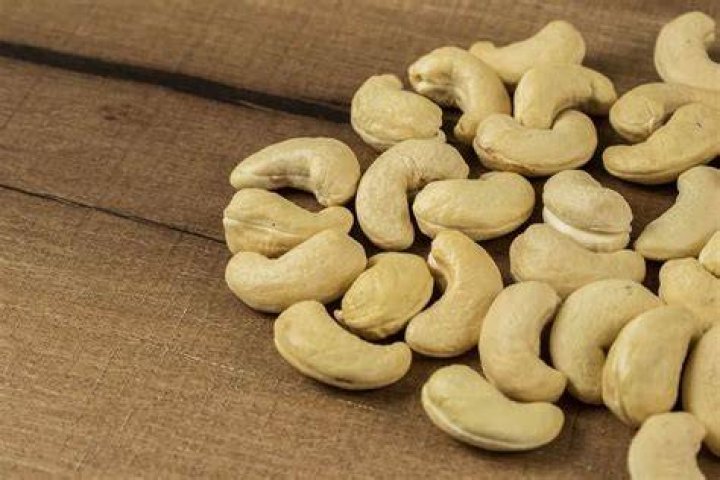
Walking down the snack aisle of a supermarket in Madrid presents an immediate linguistic surprise for travelers and expatriates hunting for cashews. You will not see the word "cashew" anywhere on the shelf, nor will a simple bilingual pocket dictionary solve every mystery if you cross borders into Mexico City, Bogotá, or Buenos Aires. European Union packaging regulations enforce strict botanical and allergen disclosures, while the Latin American food trade leans into regional indigenous names that evolved across centuries of cultivation.
At the same time, the boom in plant-based dairy substitutes has pushed cashews to the center of premium Spanish food manufacturing. Spanish artisan brands like Quevana, which produce aged cheeses made from raw organic cashews, have rapidly expanded from local markets onto continental grocery shelves, as detailed in a recent vegconomist.com report detailing their distribution into Dutch retail chains. Deciphering these terms is an essential skill for grocery shopping, menu navigation, and life-or-death food allergy management.
📌 Quick Summary:
- Vocabulary Divide: Spain uses anacardo, while Latin American markets divide between marañón, castaña de cajú, merey, and nuez de la India.
- Allergen Compliance: European Union labeling mandates group cashews under the legal allergen classification frutos de cáscara, separate from general frutos secos.
- Market Expansion: Spanish processors are scaling high-value fermented cashew cheeses and dairy alternatives, turning the imported tree nut into an artisanal staple.
The Five Regional Names for Cashew Across the Spanish-Speaking World
The botanical identity of the cashew tree is Anacardium occidentale, a plant indigenous to northeastern Brazil. When Spanish and Portuguese explorers encountered the species in the sixteenth century, local indigenous vocabularies entered European lexicons along distinct trade routes. The result is a fragmented map of common nouns that confuses consumers today.
In Spain, the nut is universally known as el anacardo. The term derives directly from the botanical Latin name assigned to the genus, which draws from the Greek kardia (heart), referring to the heart-shaped appearance of the cashew apple. If you visit Mercadona, Carrefour, or Dia in Madrid, Barcelona, or Seville, every package of salted, roasted, or raw nuts will feature anacardos on the primary label.
Central America and parts of northwestern South America take an entirely different linguistic path. In Mexico, Costa Rica, Panama, and Colombia, consumers and market stall vendors call the cashew marañón. The name traces back to the state of Maranhão in northern Brazil, through which trade shipments passed. In Mexico, packaging creates further nuance: while whole snack nuts frequently carry the name marañón, specialty health food stores and culinary menus routinely list them as nuez de la India. Shoppers must exercise caution here, as nuez de la India occasionally refers to an unrelated, toxic seed (Aleurites moluccanus) used in fraudulent weight-loss products.
Move further south into Venezuela, and the tree nut becomes el merey, a localized adaptation of an indigenous Caribbean word. Cross the border into Argentina, Uruguay, and Chile, and you encounter castaña de cajú or simply cajú, borrowed from the Tupi-Guarani term acajú ("nut that produces itself").
Reading Spanish Supermarket Labels: Ingredients and Allergen Mandates
Identifying the primary marketing label on the front of a bag is only the first step. Navigating the ingredient list on the back requires familiarity with European regulatory frameworks. Under EU Regulation No 1169/2011, manufacturers must emphasize recognized allergens directly within the ingredient list using bold lettering, distinct typography, or contrasting background colors.
On Spanish grocery shelves, you will encounter the broader classification frutos secos, which colloquial Spanish uses to describe dried fruits, peanuts, seeds, and tree nuts interchangeably. European food safety statutes draw a much tighter regulatory line. Tree nuts fall under the legally defined category frutos de cáscara (nuts with a hard shell). Spanish packaging highlights this precise wording:
"Ingredientes: Anacardos (98%), aceite de girasol, sal marina. Puede contener trazas de otros frutos de cáscara y cacahuetes."
The legal distinction between frutos secos and frutos de cáscara carries significant weight for individuals with severe allergies. A casual conversational exchange with a restaurant server might lead them to confirm that a dish contains "no frutos secos," under the mistaken belief that the phrase applies only to cocktail mixes or raisins. Checking for frutos de cáscara, or looking for anacardos printed in bold typeface, ensures chemical precision.
Regional Nomenclature and Culinary Use Across Spanish Markets
The following breakdown highlights how packaging, labeling, and culinary conventions vary across major Spanish-speaking culinary landscapes.
| Region / Country | Primary Label Term | Official Allergen Category | Common Culinary Presentation |
|---|---|---|---|
| Spain | Anacardo | Frutos de cáscara | Aperitivos tostados, quesos fermentados, cremas de frutos secos |
| Mexico | Nuez de la India / Marañón | Nueces de árbol | Botanas enchiladas, salsas veganas, repostería |
| Colombia & Panama | Marañón | Nueces y semillas | Dulce de marañón, semillas tostadas al natural |
| Venezuela | Merey | Frutos secos / Nueces | Merey tostado, mazapán de merey, conservas |
| Argentina & Uruguay | Castaña de cajú | Frutos secos | Mix de frutos secos, untables vegetales |
The Rise of Artisan Fermented Cashew Cheese in Spain
The transformation of cashews across the Spanish retail sector is no longer confined to plastic bags of roasted nuts. Plant-based consumers in Madrid, Valencia, and Bilbao have catalyzed a dynamic dairy-alternative category centered on fermented cashew paste.
Pioneering manufacturers like Segovia-based Quevana base their entire production lines on high-grade cashew processing. Instead of utilizing starch thickeners and coconut oil to approximate cheese textures, their process mirrors traditional cheesemaking: raw cashews are blended with water, inoculated with specific bacterial fermenting cultures, and allowed to cure in temperature-controlled aging rooms. The resulting wheels mimic semi-cured Spanish goat cheeses or French camemberts.
European Union labeling laws strictly prohibit these companies from using dairy designations like queso (cheese) on product packaging. Labels display inventive descriptions such as "Especialidad vegetal fermentada a base de anacardos" (Fermented vegetable specialty based on cashews) or "Semidurado ecológico de anacardo". Specialty stores feature packaging highlighting the neutral fat profile of the nut, pitching raw cashew fats as superior bases for probiotic preservation compared to soy or almond substrates.
Global Supply Chains and Processing Realities
Despite being central to Mediterranean vegan manufacturing, Spain grows negligible commercial volumes of cashews. The tree requires frost-free tropical climates to thrive. The domestic market relies entirely on raw nut imports routed through processing hubs across West Africa, East Africa, and Southeast Asia.
Agricultural processing patterns shifted markedly between 2023 and 2026. Large European commodity operations have invested directly in origin-country processing infrastructure to shorten transit times and trim carbon emissions. When Dutch food firm Monchy acquired specialized cashew processing installations in Tanzania in 2023, the move reflected an industry-wide transition away from shipping raw nuts to secondary facilities before arriving in Europe. European importers require verified processing trails because removing the caustic shell liquid (cardol and anacardic acid) from the raw fruit before it hits roasting facilities demands specialized thermal controls.
Botanically, what consumers call the cashew nut is the true fruit: a kidney-shaped drupe hanging from the bottom of the swollen pedicel, known as the cashew apple. While Latin American producers in Colombia and Brazil process this cashew apple into juices, jams, and vinegars, European distribution focuses exclusively on the seed kernel. Consequently, Spanish supermarket labels deal exclusively with roasted, raw, or pasteurized kernels, never the surrounding accessory fruit.
Navigating Menus and Vegan Dining from Madrid to Mexico City
Deciphering menus in traditional and modern dining establishments requires parsing culinary jargon. In Spain, tapas bars serve simple bowls of anacardos fritos con sal (salted fried cashews) alongside beer or vermouth. High-end modern bistros frequently prepare ajoblanco variations, substituting traditional almonds with cashews to produce a silky, sweet garlic-bread soup base.
In Mexico, diners must keep an ear open for culinary cross-pollination. A restaurant in Oaxaca or Condesa might feature a crema de nuez de la India over vegan tacos or roasted squash, utilizing the nut's neutral lipids to emulate sour Mexican table cream (crema ácida). Menus in Central America may list desserts containing dulce de marañón, which refers to the preserved cashew apple stewed in sugar syrup rather than the roasted nut itself.
For diners carrying severe tree nut allergies, a simple rule prevents dangerous errors: state your allergy explicitly using the official Spanish medical term rather than informal slang. Phrases such as "Tengo una alergia grave a los frutos de cáscara, especialmente al anacardo" eliminate ambiguity far better than asking if an item contains "nueces," which cooks often interpret solely as English walnuts (Juglans regia).
Frequently Asked Questions (FAQ)
Q1: Is "nuez de la India" always a cashew in Spanish?
A1: In Mexico and parts of Central America, nuez de la India is widely accepted culinary shorthand for cashew nuts. In holistic medicinal circles, however, the term also designates Aleurites moluccanus (candlenut), an unrelated toxic seed banned by food safety regulators in several countries. Standard supermarket food packaging featuring edible cashews uses the term safely, but consumers buying raw seeds in herbal apothecary markets must verify the item is truly Anacardium occidentale.
Q2: What is the difference between "frutos secos" and "frutos de cáscara" on Spanish labels?
A2: Frutos secos is a casual blanket term encompassing tree nuts, peanuts, and dried fruits like raisins. Frutos de cáscara is the specific legal allergen category recognized by European Union labeling statutes. It legally encompasses botanical tree nuts with hard shells, including cashews (anacardos), almonds, walnuts, hazelnuts, and pistachios.
Q3: How do dairy-free cheeses list cashews on Spanish packaging?
A3: Because European Union market regulations prevent dairy-free brands from using protected terms like queso, packages describe these products as "preparado vegetal", "especialidad fermentada", or "pasta untable", followed immediately by "a base de anacardos" (cashew-based) with the nut bolded in the ingredient index.
Modern Labeling Clarity for Global Consumers
Regional vocabulary will continue to distinguish food cultures across the Atlantic. Spain will stick to anacardo, Mexican kitchens will season marañón and nuez de la India, and Argentine producers will sell cajú. What has changed permanently is the standard of industrial accountability. Between European allergen mandates enforcing transparent typography and plant-based manufacturers refining cashew fermentation, shoppers armed with basic linguistic distinctions can now interpret packaging across any Spanish-speaking market with complete certainty.