Do TikTok Video Downloaders Violate Platform Terms? Legal Facts Explained
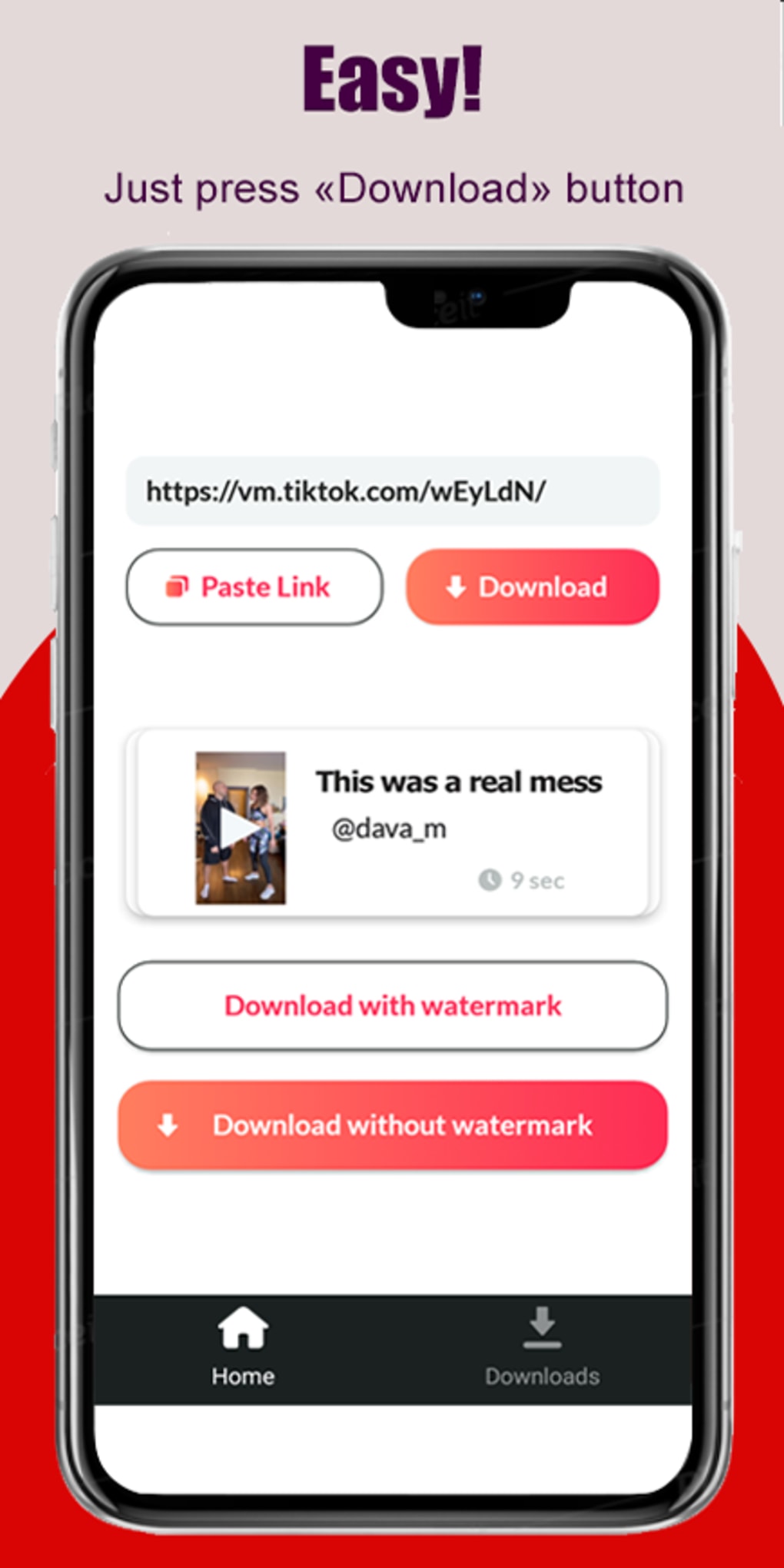
Every day, hundreds of thousands of internet users paste links into third-party web portals to pull clips offline, stripping out the moving watermark in seconds. The practice accelerated dramatically following the corporate restructuring of TikTok's American operations in January 2026. As documented in a Pensacola News Journal Report covering widespread login glitches and app instability after the ownership deal was finalized, nervous creators rushed to back up their personal media archives.
This surge in off-platform archiving has revived an urgent legal and practical debate. The casual utility of extracting clean media files clashes directly with ByteDance's updated legal framework, enterprise copyright protocols, and federal statutory standards.
📌 Key Takeaways:
- Account Suspension Risk: TikTok almost never bans personal viewer accounts simply for grabbing media via headless third-party downloaders, because these tools extract clips anonymously without requiring user credentials.
- Contractual Violations: Running third-party scraping tools or watermark removal tools expressly violates Section 5 of the TikTok Terms of Service, exposing software developers and automated download bots to aggressive IP blocking and legal cease-and-desist notices.
- Copyright Infringement: Saving an MP4 for private offline viewing generally falls outside infringement disputes, but commercial usage restrictions and video content redistribution without creator permission trigger statutory DMCA liability.
The Post-Restructuring Terms of Service: What Changed for Users
Following the corporate transition that reshuffled ownership between ByteDance, Oracle, and domestic investment groups, TikTok issued an overhaul of its end-user documentation. The updated clauses address automated data collection with far more specificity than past iterations.
Under Section 5 of the binding rules, the platform strictly prohibits any party from using automated scripts, scrapers, web spiders, or programmatic bots to index or extract content from the application or web domains. When an external web portal completes an MP4 video extraction, it queries TikTok's content delivery networks, circumvents programmatic access barriers, and retrieves raw stream files stored on edge servers.
The application architecture has grown hostile to these operations. TikTok actively tightens its API access policies, deploying rate limits, dynamic token generation, and cloud-level anti-bot challenges to choke unauthorized fetch calls. While the platform permits controlled data ingestion through official enterprise API pipes, free browser-based extraction utilities operate in outright violation of the platform's contractual terms.
Can TikTok Actually Ban Your Account for Saving Videos?
Creators and viewers fear their accounts might be abruptly terminated if they run external ripping software. The technical reality tells a different story.
External media converters do not hook directly into a user's mobile app session. When you feed a public URL into an extraction portal, that third-party server makes an unauthenticated GET request against TikTok's public CDN edge. TikTok's server sees an incoming request originating from a hosting provider or data center proxy, not from your logged-in mobile profile. Unless you authorize a shady service by surrendering your private login tokens, TikTok possesses no architectural pathway linking that video retrieval request to your handle.
[User App / Profile] ---> (Generates Public Share Link)
|
v
[Third-Party Server] ---> (Fetches Raw MP4 from CDN Edge) ---> [User Downloads File]
No user session or auth token is ever transmitted to TikTok
Account suspension risk emerges when creators re-upload extracted material back onto TikTok, YouTube Shorts, or Instagram Reels. The platform runs automated perceptual hash algorithms that cross-check new video and audio uploads against existing catalogs. When an account routinely uploads ripped content with metadata removed, automated moderation flags the profile for unoriginal content, stripping distribution reach or imposing permanent creator account bans.
Scraping, Watermark Stripping, and Copyright Realities
The technical divide between the app's native "Save Video" option and an external ripping site centers on the dynamic watermark. TikTok's native export bundles an overlay showing the creator's username and the platform's logo, guaranteeing creator attribution. Watermark removal tools strip this visual tag entirely by intercepting the raw, un-composited video stream directly from the media server before the client-side overlay is rendered.
Removing that tag carries serious legal weight under the Digital Millennium Copyright Act. Section 1202 of the DMCA outlaws the intentional removal or alteration of Copyright Management Information (CMI) if done to induce, enable, or conceal infringement. Stripping a creator's digital watermark removes identifying attribution, transforming a simple offline file into an infringing asset ready for unauthorized syndication.
| Extraction Method | Terms of Service Compliance | Legal Risk Exposure | Operational Profile |
|---|---|---|---|
| Native App "Save Video" | Fully Compliant | Zero liability; respects creator download permissions | Exports MP4 containing hardcoded username watermark |
| Third-Party Web Downloader | Breaches Section 5 (No Scraping/Extraction) | Negligible for viewers; high for hosting operators | Parses public media manifests to strip watermarks |
| Official Partner API | Fully Compliant | Contractual compliance governed by business licensing | Requires registered developer tokens, audits, and rate caps |
| Headless Custom Scrapers (Python/Puppeteer) | Direct Contractual Breach | IP blacklisting; potential CFAA litigation for bulk extraction | Simulates browser environments to bypass rate-limiting systems |
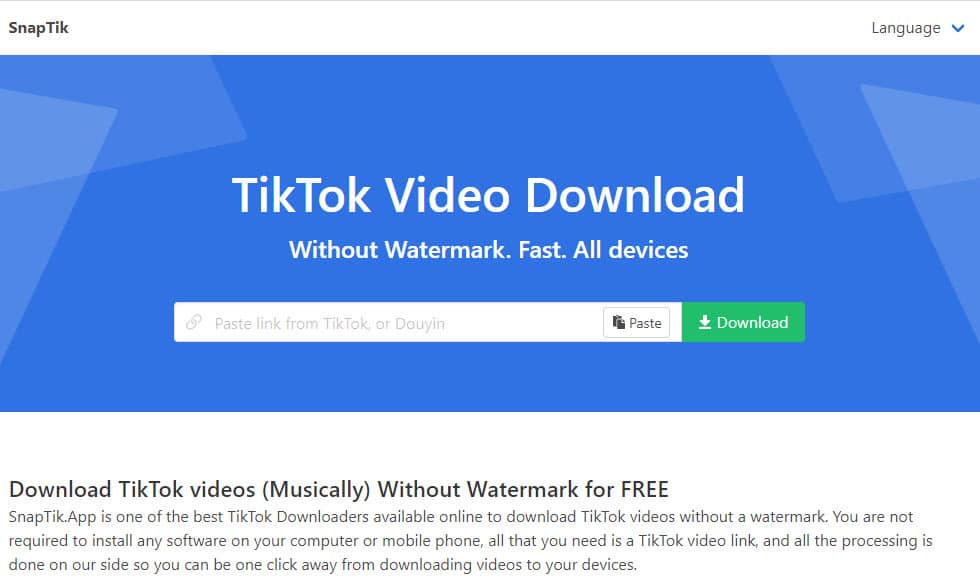
Fair Use Doctrine Versus Commercial Video Redistribution
A persistent myth across creative circles suggests that grabbing a video off the web grants unrestricted reuse rights. It does not. Intellectual property rights stay firmly with the original creator who filmed the footage, subject to the non-exclusive license granted to TikTok upon upload.
Under United States copyright law, the fair use doctrine offers an affirmative defense, not an automatic shield. Fair use applies across four distinct statutory factors:
- The purpose and character of the use, specifically whether the asset is transformed into a critique, parody, educational lesson, or news report.
- The nature of the copyrighted creative work.
- The amount and substantiality of the portion taken relative to the whole work.
- The effect of the use upon the potential market value of the original media.
Downloading a 60-second cooking video, cutting away the username watermark, and publishing it to a compilation channel running affiliate links violates commercial usage restrictions. Such behavior constitutes straightforward copyright infringement. The original rights holder can issue a formal DMCA takedown notice, trigger automatic copyright strikes against your channel, or file a federal civil complaint for statutory damages reaching up to $150,000 per willful infringement.
Conversely, an investigative reporter pulling a 10-second clip of a public demonstration to dissect a factual claim engages in protected transformative commentary. The act of capturing the clip does not decide legality; what you do with the downloaded media file does.
Hidden Security Hazards: Malicious Scripts and User Data Privacy
Beyond legal statutes, relying on free conversion websites creates immediate technical vulnerabilities for your hardware and personal privacy. Maintaining high-bandwidth proxy networks to rip high-resolution video streams costs thousands of dollars monthly in server infrastructure. Free web services rarely absorb these operational expenses out of goodwill.
Security researchers continually uncover high-risk ad-injection frameworks, malicious redirects, and credential-harvesting pop-unders running across free downloader sites. Several platforms require users to install dubious browser extensions that request broad read-write permissions across all active browser tabs. These permissions let attackers intercept session cookies, scrape browsing histories, and inject affiliate tracking tags into unrelated checkouts.
More aggressively, sketchy desktop or mobile utility apps frequently bundle background telemetry kits that exfiltrate device identifiers, internal IP addresses, and geolocation markers to unverified ad networks. When saving personal media backups, relying on ad-heavy, unverified utility sites sacrifices basic user data privacy for convenience.
Frequently Asked Questions (FAQ)
Q1: Will TikTok ban my personal account if I paste video links into an external downloader?
A1: No. Free web downloaders operate without requiring your platform login details, making external extraction calls from their own remote proxy servers. TikTok cannot match that server-side file request to your personal user account.
Q2: Is it legally permissible to strip watermarks from clips for marketing campaigns?
A2: No. Removing watermarks strips statutory Copyright Management Information (CMI), which breaches Section 1202 of the DMCA. Repurposing another person's creative output for commercial campaigns without formal licensing exposes your business to copyright infringement lawsuits.
Q3: How can I safely save my own published TikTok videos without visible watermarks?
A3: Always save original raw camera files to an external hard drive or cloud backup before uploading them to the platform. For content already live on your channel, TikTok's native settings permit creators to export their own uploads without platform branding, completely eliminating the need for suspicious external conversion sites.
Navigating Content Archiving Under TikTok's New Regime
The operational landscape governing social video extraction in 2026 demands caution. Regulatory agreements resolved the immediate threat of platform-wide operational bans across the United States, but platform infrastructure has become substantially more defensive. Stricter bot countermeasures, automated fingerprinting, and aggressive legal enforcement define the modern environment.
Individual users saving non-commercial cooking recipes, workout routines, or digital memories for private offline playback face virtually zero account discipline or legal liability. The danger hits creators, marketing agencies, and automated syndication networks that harvest external clips, remove identifying marks, and publish unoriginal assets to build commercial brands. Respecting creator ownership, tracking source attribution, and avoiding ad-loaded extraction tools remain the only dependable strategies for handling digital video assets responsibly.


