Does an Official NeeDoh Phone Case Actually Exist? Fact-Checking the Hype
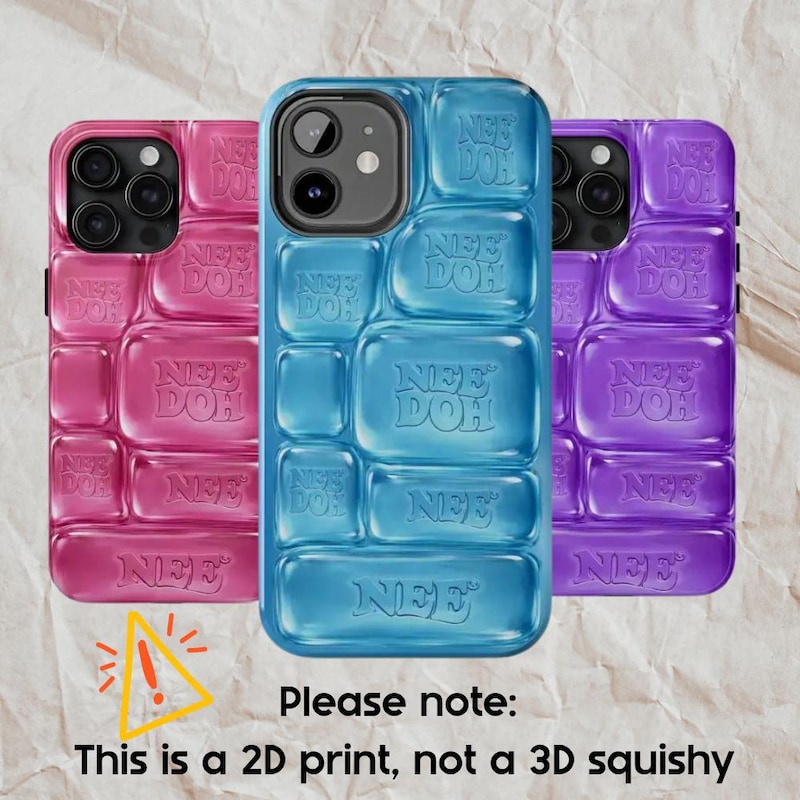
Social media feeds across TikTok and Instagram are flooded with videos showing creators squeezing pliable, jelly-filled cushions embedded directly into the back of their smartphones. Marketed aggressively across algorithmic feeds as an authentic "NeeDoh phone case," these sensory accessories mimic the tactile resistance of the wildly popular retro stress toy line owned by Massachusetts-based toymaker Schylling. Yet behind the ASMR-tinged unboxings lies a critical commercial reality: Schylling has never manufactured, licensed, or authorized a smartphone case, leaving an unregulated cottage industry of third-party knockoffs to fill consumer demand with alarming safety consequences.
The sudden surge in demand has triggered major legal and regulatory pushback. State and federal law enforcement agencies have ramped up physical raids across domestic distribution points, punctuated by a WSFA report detailing authorities seizing more than $200,000 worth of fake NeeDoh toys and unauthorized merchandise. As medical centers issue warnings over chemical and thermal injuries linked to viral stress toys, buyers seeking tactile relief are instead facing genuine household hazards.
📌 Key Takeaways:
- The Product Reality: Schylling does not make, license, or sell an official NeeDoh phone case; every version sold online is an unauthorized third-party knockoff.
- The Legal Crackdown: Law enforcement seizures have intercepted hundreds of thousands of dollars in counterfeit squish merchandise flowing through regional retail hubs.
- The Safety Hazard: Low-grade silicone covers paired with volatile phone battery heat dramatically elevate the risk of skin burns, toxic ruptures, and permanent phone damage.
The Viral Collision of Fidget Culture and Phone Accessories
The sensory toy phenomenon underwent a massive corporate resurgence when Schylling expanded its NeeDoh line, most notably with the NeeDoh Nice Cube. The firm, slow-rise resistance of these polymer cubes became an inescapable fixture of sensory-seeking communities, neurodivergent micro-influencers, and casual fidgeters looking to relieve screen fatigue. As clips tagged with fidget sensory phone case aesthetics crossed hundreds of millions of impressions, dropshippers on storefront platforms like Temu, AliExpress, and TikTok Shop spotted an immediate arbitrage play.
Sellers glued squishy stress toy modules to cheap thermoplastic polyurethane (TPU) shells, stamping unauthorized trademarks onto the packaging to capture search traffic for an iPhone squishy fidget case. For impulse buyers browsing short-form video shops, the distinction between genuine licensed inventory and bootleg factory runs blurred instantly. The tactile promise of continuous stress relief right on the back of a mobile device masked the cut-rate construction under the hood.
Schylling's Official Catalog vs. Social Media Scams
Schylling operates under rigorous manufacturing frameworks that must comply with ASTM F963 safety standards for consumer products in the United States. The official NeeDoh catalog covers handheld stress balls, character-shaped squeezables, and novelty items like the Dream Drop and GLO cubes. None of these products involve phone integration. When queried about the viral accessories, retail specialists point to the manufacturer's verified retailer directory, which contains zero listings for consumer tech accessories.
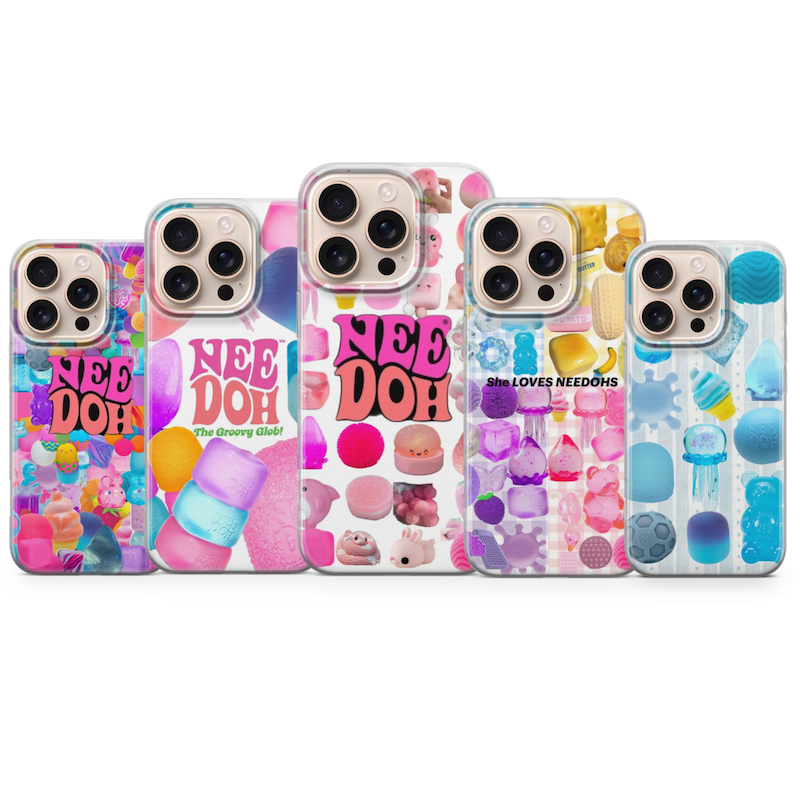
Counterfeit listings bypass these boundaries entirely. Sellers employ algorithmic search-term manipulation, titling product pages with phrases like "NeeDoh Nice Cube Phone Cover" while shipping generic, unbranded plastic slabs with adhesive-backed gel pockets. In multiple customer complaint threads across Reddit's r/fidgettoys, users reported that packages arrived without corporate branding, safety disclosures, or batch tracking numbers, arriving instead in unmarked cellophane bags smelling heavily of industrial solvents.
Seizures, Burn Hazards, and the Timeline of Knockoff Proliferation
The commercial scale of this counterfeit pipeline triggered aggressive police action throughout 2026. On August 7, 2026, police in Greenville, South Carolina, executed search warrants at Haywood Mall, confiscating over $214,000 in counterfeit NeeDoh toys and unauthorized knockoffs sold across pop-up kiosks. Three days later, on August 10, 2026, state investigators in Alabama confirmed another massive bust targeting illicit distribution warehouses supplying southeastern swap meets and online storefronts.
These actions followed severe clinical alarms sounded earlier in the year. On February 4, 2026, burn specialists at Loyola Medicine issued an urgent public health warning after treating a young boy who suffered severe thermal and chemical burns caused by a ruptured stress cube. When cheap gel-filled toys are subjected to friction, pressure, or the heat signatures of modern electronic devices, the compromised membranes fail catastrophically.
| Date | Regulatory or Clinical Action | Public Impact |
|---|---|---|
| Feb 4, 2026 | Loyola Medicine issues burn warning following child injury | Pediatric clinics alert consumers to chemical and heat burst risks |
| Aug 7, 2026 | Haywood Mall seizure: $214K in counterfeit NeeDoh merchandise | Direct disruption of mall kiosk bootleg distribution rings |
| Aug 10, 2026 | State task force seizes over $200K in unauthorized sensory stock | Multi-state supply lines to dropshipping platforms shut down |
Why Mounting Gel Toys on Smartphones Creates Severe Dangers
Smartphones are miniature thermal engines. Modern processors generate sustained operational temperatures exceeding 38°C to 43°C (100°F, 110°F) during rapid charging or high-intensity streaming. When you strap a thick, poorly compounded silicone squish cover to the back of a device, you create two distinct failure modes.
First, the gel pocket acts as an insulator, trapping heat against the lithium-ion battery. This thermal buildup causes the phone's power management system to throttle performance while degrading battery cell longevity. Second, the heat degrades the unvulcanized rubber compounds typical of budget knockoffs. Under constant pocket compression and thermal cycling, the cheap outer shell weakens. Once breached, the pressurized filling, often containing unlisted petroleum distillates, industrial plasticizers, or contaminated water-gel mixtures, escapes onto hands, clothing, and open electronic ports.
How to Spot Fake NeeDoh Knockoffs and Choose Safe Alternatives
Spotting these unlicensed accessories requires looking past algorithmic branding tricks. Authentic Schylling products always feature crisp trademark symbols, clear distributor licensing text, and verifiable toy safety certifications on their outer retail boxing. If a listing uses generic mockups, displays mangled brand lettering like "Need-Doh" or "KneadDoh," or ships exclusively from unverified international warehouses without an established customer service portal, it is an unregulated counterfeit.
Consumers who rely on tactile tools for sensory regulation or ADHD focus do not need to abandon mobile fidget accessories altogether. Instead, look toward reputable accessories designed specifically for thermal management and dropped-impact protection.
Safe Options: Textured silicone cases featuring molded geometric ridges provide continuous tactile input without liquid compartments. Detachable magnetic fidget sliders engineered from aircraft-grade aluminum or certified food-grade silicone clip safely onto MagSafe arrays and can be detached during heavy charging sessions.
Unsafe Options: Any casing containing enclosed fluids, non-certified squish compartments, or glue-bonded rubber modules from discount marketplaces should be avoided entirely. The short-term sensory novelty is not worth ruined hardware or chemical skin burns.
Frequently Asked Questions (FAQ)
Q1: Has Schylling announced any plans to release an official NeeDoh phone case?
A1: No. Schylling has made no official announcements regarding phone accessory collaborations or cases. The company focuses strictly on dedicated novelty, sensory, and educational toys manufactured under toy safety regulations.
Q2: What should I do if my counterfeit squish case ruptures on my skin?
A2: Wash the affected area immediately with warm water and mild soap for several minutes. Do not touch your eyes or mouth. If you experience redness, swelling, burning, or itching, seek medical attention promptly and take photos of the product packaging for toxicological identification.
Q3: Can attaching a squish toy ruin my smartphone?
A3: Yes. Trapped heat stresses the internal battery, causing premature battery degradation. If the gel reservoir punctures, leaked fluid can easily seep into speaker grilles, microphone ports, and charging connections, causing permanent short circuits.
Navigating the Viral Gadget Market in 2026
Viral product cycles move faster than regulatory agencies can seize illicit containers, leaving consumers to act as their own first line of defense. The illusion that every novelty item seen on a five-second video clip is safe, tested, and commercially legitimate leads straight into the hands of exploitative dropshippers. Keeping mobile hardware cool and tactile habits safe means leaving the squish toys on the desk where they belong, far away from lithium batteries and unregulated factory molds.


