Dulcolax Tablets vs. Suppositories: Onset Speed Breakdown and Clinical Data

Acute constipation creates an immediate sense of urgency, yet grabbing an over-the-counter remedy without reading the active ingredient profile often leads to miserable surprises. A recent cspi.org Report on digestive remedies evaluated the clinical effectiveness of primary laxative classes, exposing how common misconceptions about timing trigger accidental overdosing. When patients expect a pill to act like an enema, they double up too soon.
The Dulcolax brand name spans entirely distinct pharmacological formulations, each with a radically different bowel movement timing. The standard enteric-coated tablet relies on oral ingestion to trigger colonic contractions hours later, while the rectal suppository delivers direct stimulation in less time than it takes to stream an episode of television. Choosing the right intervention requires matching the pharmacokinetics of each route to your schedule and digestive distress.
📌 Key Takeaways:
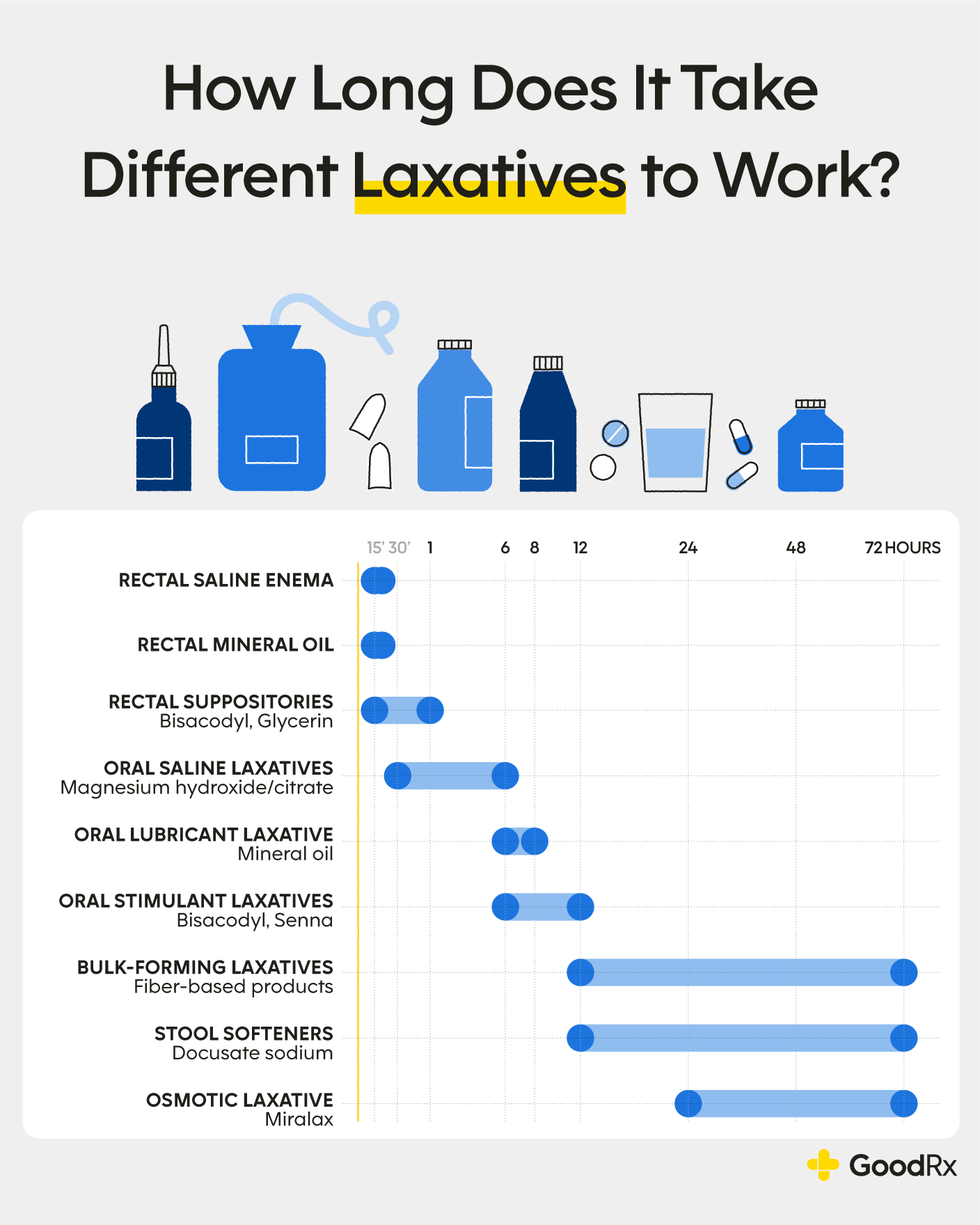
- The Onset Gap: Oral Dulcolax tablets produce a bowel movement in 6 to 12 hours, whereas bisacodyl suppositories trigger evacuation in 15 to 60 minutes.
- Formulation Confusion: The Dulcolax brand encompasses stimulant laxatives (bisacodyl), saline laxatives (magnesium hydroxide), and stool softeners (docusate sodium), each operating on distinct timelines.
- Administration Errors: Ingesting oral bisacodyl tablets alongside antacids or dairy strips the enteric coating prematurely, triggering severe gastric nausea and upper abdominal cramps.
Bisacodyl Pharmacokinetics: How Enteric Coatings Regulate Bowel Movement Timing
Oral Dulcolax tablets contain 5 milligrams of bisacodyl, a diphenylmethane stimulant laxative. The tablet does not act in the stomach or small intestine. Instead, it features an enteric coating engineered to resist gastric acid and pancreatic enzymes. This barrier holds until the tablet reaches the alkaline environment of the distal ileum and large intestine.
Once in the colon, endogenous bacterial enzymes cleave bisacodyl into its active metabolite, bis-(p-hydroxyphenyl)-pyridyl-2-methane (BHPM). This compound stimulates sensory nerve endings in the colonic mucosa, directly exciting the myenteric plexus.
The resulting parasympathetic reflex initiates high-amplitude propagating contractions, the deep muscular surges that propel fecal mass toward the rectum. Because the pill must physically clear the stomach and complete the entire gastrointestinal transit time before metabolic activation occurs, the verified bisacodyl onset time sits predictably between 6 and 12 hours. Most clinical regimens recommend taking 5 to 10 milligrams at bedtime to produce overnight constipation relief by morning.
Crushing or chewing the tablet destroys the protective polymer layer. If exposed to the acidic pH of the stomach, raw bisacodyl irritates the gastric mucosa directly, inciting acute nausea and violent vomiting within forty minutes.
The 15-Minute Suppository: Local Rectal Action vs. Systemic Transit
Patients needing fast-acting constipation remedies rarely have the luxury of waiting half a day. The Dulcolax rectal suppository bypasses the entire upper digestive tract by administering a 10-milligram dose of bisacodyl directly against the rectal mucosal wall.
The suppository's hydrogenated vegetable oil base melts at normal body temperature within minutes of insertion. Liquefied bisacodyl contacts the submucosal nerve plexuses in the rectal ampulla, immediately triggering localized propulsive peristalsis while simultaneously drawing water into the rectal vault via contact secretory mechanisms.
Clinical monitoring consistently demonstrates evacuation within 15 to 60 minutes, with a substantial portion of users experiencing intense defecation reflexes in under 30 minutes.
Because systemic absorption of rectal bisacodyl remains below 5 percent, this route eliminates the upper-GI distress commonly associated with oral administration. However, local burning, rectal tenesmus, and sharp pelvic urgency frequently accompany the rapid muscle contractions.
Clinical Formulations Compared: Tablets, Suppositories, and Osmotic Liquids
Brand extensions under the Dulcolax trademark frequently confuse consumers because different packages contain entirely distinct chemical classes. While the flagship products use bisacodyl, Dulcolax liquid products typically feature magnesium hydroxide, and branded softeners use docusate sodium.
| Product Variant | Active Ingredient & Class | Average Onset Window | Primary Mechanism |
|---|---|---|---|
| Dulcolax Laxative Tablet | Bisacodyl (5 mg) / Stimulant | 6, 12 hours | Stimulates myenteric plexus via colonic activation |
| Dulcolax Suppository | Bisacodyl (10 mg) / Stimulant | 15, 60 minutes | Direct mucosal reflex in the rectal ampulla |
| Dulcolax Liquid | Magnesium Hydroxide / Saline-Osmotic | 30 minutes, 6 hours | Draws luminal water into intestines via osmotic gradient |
| Dulcolax Stool Softener | Docusate Sodium (100 mg) / Emollient | 12, 72 hours | Surfactant action lowering stool surface tension |
The stool softener vs laxative distinction matters clinically. Docusate sodium will not force bowel evacuation. It merely lowers surface tension to let lipids and water penetrate hard feces, making passage painless over a period of two to three days. Expecting a stool softener to resolve an acute fecal impaction overnight leads to frustration and improper redosing.
Side Effects, Severe Cramping, and the Limits of Maximum Daily Dosage
Because bisacodyl works by inducing vigorous smooth muscle contraction, abdominal cramping represents its most frequent adverse effect. In clinical trials, up to 15 percent of users experience mild to moderate colonic griping before evacuation.
When users exceed the maximum daily dosage, which is strictly capped at 15 milligrams (3 tablets) for adults, though most clinicians advise starting at 5 milligrams, those spasms can become incapacitating. High doses alter mucosal permeability, prompting severe fluid and electrolyte shifts. The sudden secretion of water and sodium into the bowel lumen frequently produces watery diarrhea accompanied by hypokalemia and dizziness.
Common Misstep:
Tablet taken at 8:00 PM ──> No action by 11:00 PM ──> User takes 2 more pills
│
▼
Severe cramping, explosive diarrhea, and electrolyte loss at 4:00 AM
Dairy products and alkaline medications create an avoidable pitfall. Ingesting milk, yogurt, calcium antacids, or proton pump inhibitors within one hour of taking an oral bisacodyl tablet prematurely neutralizes gastric acid.
The enteric coating dissolves directly inside the stomach instead of the ileum. Rather than a gentle morning bowel movement, the user suffers intense epigastric pain, acid reflux, and mucosal inflammation.
The Science of Dependency: Why Habitual Daily Laxative Use Backfires
When constipation lingers, relying on daily doses introduces distinct pharmacological hazards. A long-term safety analysis published by Verywell Health examined the physiological cascades that follow daily stimulant laxative consumption over weeks and months. The human colon adapts to external stimulation with remarkable speed.
Continuous artificial activation of the myenteric plexus desensitizes intrinsic enteric pathways. Over time, the smooth muscle requires progressively larger chemical triggers to achieve the same amplitude of peristalsis.
Long-term misuse can culminate in cathartic colon, a condition characterized by neuromuscular atrophy, dilation of the bowel lumen, and profound loss of natural peristaltic tone.
The accompanying chronic loss of potassium in loose stools weakens colonic musculature further, creating a self-reinforcing cycle: the patient cannot produce an unassisted bowel movement, assumes their underlying constipation has deteriorated, and consumes even higher doses.
Gastroenterologists maintain that over-the-counter stimulant laxatives should rarely be used for more than seven consecutive days without clinical evaluation.
If bowel irregularity persists past this window, the clinical protocol shifts away from stimulants toward osmotic agents like polyethylene glycol 3350, alongside functional evaluations for pelvic floor dyssynergia or slow-transit constipation.
Protocol Selection: Matching the Delivery Method to Clinical Urgency
Selecting between oral tablets and rectal suppositories requires an honest assessment of current symptoms, schedule constraints, and anatomical tolerance. Neither formulation fits every scenario.
Is immediate relief required within 60 minutes?
├── YES ──> Choose Bisacodyl Suppository (10 mg)
└── NO ──> Can you wait 6 to 12 hours overnight?
├── YES ──> Choose Oral Bisacodyl Tablet (5, 10 mg)
└── NO ──> Consider Osmotic Liquid (Magnesium Hydroxide)
Target Candidates for Bisacodyl Suppositories
- Patients with acute, painful rectal impaction where hard stool rests immediately inside the pelvic vault.
- Individuals preparing for outpatient diagnostic procedures like flexible sigmoidoscopy that demand complete evacuation of the distal rectosigmoid colon on short notice.
- People with severe morning schedules who cannot afford the unpredictable 6-to-12-hour activation window of oral tablets during work hours.
Who Should Avoid Suppositories
- Patients with active anal fissures, ulcerated hemorrhoids, or proctitis, where mechanical insertion causes sharp pain and risks localized bleeding.
- Individuals with severe neutropenia or thrombocytopenia, where any rectal trauma carries heightened infection or hemorrhage risks.
Target Candidates for Oral Enteric Tablets
- Patients experiencing mild to moderate whole-colon sluggishness who can ingest a dose at 10:00 PM and remain home the following morning.
- Individuals averse to rectal medication delivery.
Who Should Avoid Oral Tablets
- Patients presenting with acute undiagnosed abdominal pain, nausea, or vomiting. These symptoms can signal a mechanical bowel obstruction or appendicitis, conditions where stimulant laxatives can trigger intestinal perforation.
- Individuals unable to swallow pills whole or those dependent on frequent antacid therapy throughout the evening.
Frequently Asked Questions (FAQ)
What should I do if Dulcolax does not produce a bowel movement after 12 hours?
Do not immediately take a second dose. The delay often reflects slow gastric emptying or severe fecal dehydration. Hydrate aggressively with 16 to 24 ounces of water or electrolyte solution. If no bowel movement occurs after 24 hours, or if severe abdominal bloating and pain develop, consult a healthcare provider to rule out a mechanical obstruction.
Can I take Dulcolax with coffee or citrus juice?
Black coffee and acidic citrus juices do not compromise the enteric coating because they do not raise gastric pH above the critical threshold. However, avoid adding cow's milk, soy milk, or heavy creamer to your beverage within an hour of dosing, as milk fats and dairy proteins trigger premature breakdown of the coating in the stomach.
Is the cramping from bisacodyl dangerous?
Transient, wave-like cramping is an expected side effect of bisacodyl as it triggers colonic contractions. However, persistent, sharp, or localized pain that does not resolve after a bowel movement is abnormal. If cramping is accompanied by bloody stools, high fever, or vomiting, seek immediate medical attention.
Navigating Acute Constipation Relief Safely
Bisacodyl remains one of the most thoroughly documented pharmacotherapies in the nonprescription digestive landscape. The decision to use it oral or rectal hinges entirely on how fast the colon needs to empty and which part of the tract requires stimulation.
Oral tablets remain the standard choice for overnight constipation relief, providing predictable morning results when swallowed whole with water and kept clear of dairy or antacids.
Suppositories function as rapid interventions, offering clinical evacuation within minutes by bypassing upper gastrointestinal transit entirely.
Short-term relief should not mask the underlying drivers of chronic dysmotility. If you find yourself turning to stimulant laxatives every few days to maintain regularity, the intervention is no longer treating an isolated incident; it is compensating for an unaddressed functional issue.
Re-evaluating daily dietary soluble fiber, adjusting fluid balance, and speaking with a gastroenterologist about osmotic regulators will safeguard your long-term colon health far better than relying on recurring high-dose stimulants.


