Fact Check: Does State Bank of Texas Founder Chan Patel Run an Exclusive Bank?
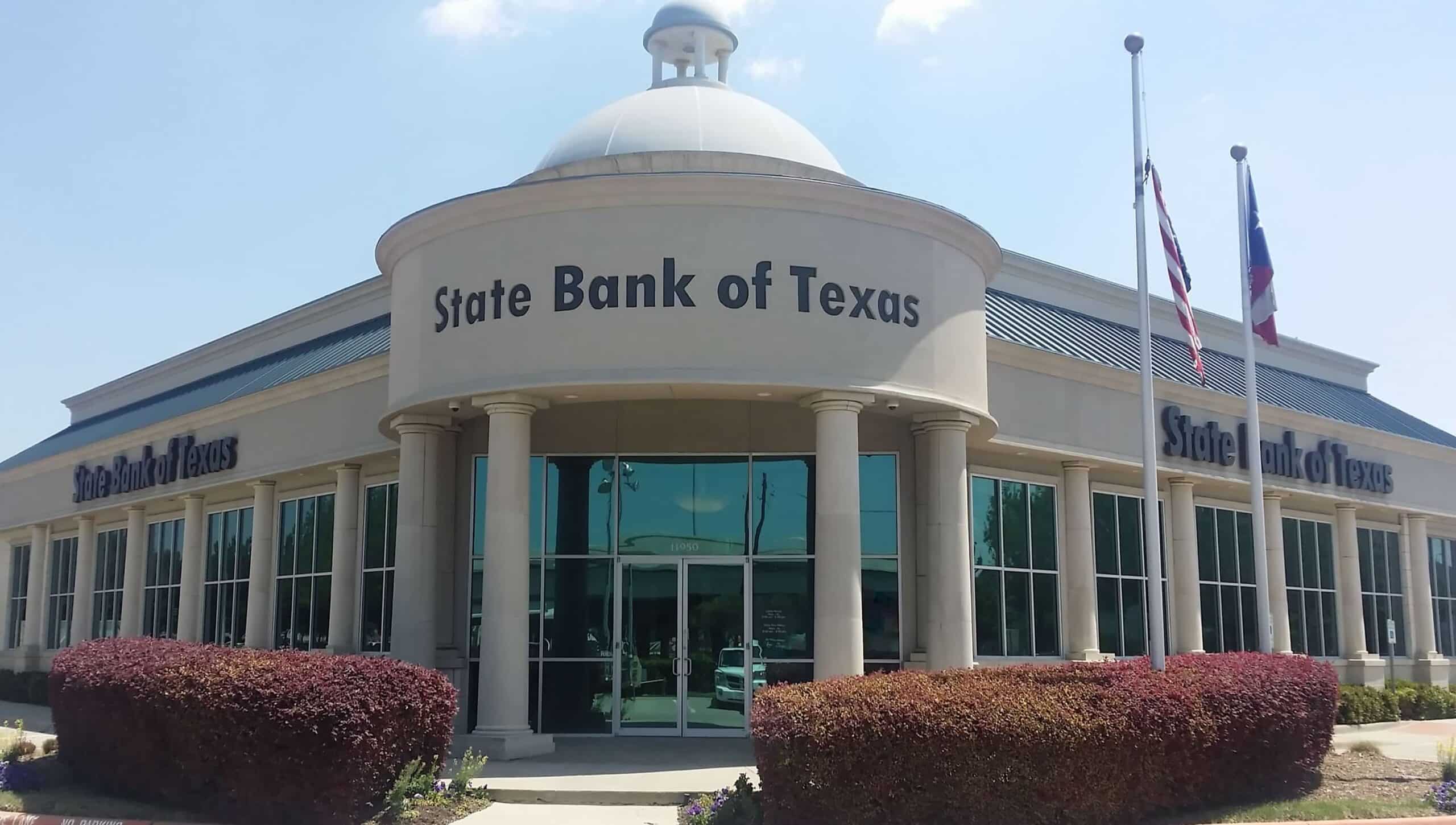
Viral posts across TikTok and X recently sparked intense scrutiny around State Bank of Texas and its founder, Chandrakant "Chan" Patel. Short-form video creators and amateur financial commentators claimed the Irving-based institution functions as a "closed-circuit" lender, alleging it systematically rejects outsiders to finance exclusively Indian-American hotel owners. These clips quickly amassed millions of views, conflating hyper-specialized commercial lending with illegal discrimination.
The reality is anchored in federal banking regulations and forty years of niche commercial underwriting. As congressional debates over domestic capital distribution and community banking access continue to draw attention following federal policy debates highlighted in a pbs.org Report on national economic priorities, an examination of regulatory filings paints a very different picture. State Bank of Texas is an FDIC insured institution operating under stringent federal non-discrimination statutes, built upon a focused hospitality lending model that transformed commercial banking in Texas.
📌 Key Takeaways:
- The Core Rumor: Online posts falsely claim State Bank of Texas operates an exclusive credit system barred to non-minority borrowers or mainstream depositors.
- The Legal Framework: As a certified Minority Depository Institution (MDI) overseen by the FDIC and the Texas Department of Banking, the bank cannot lawfully exclude customers based on race, national origin, or ethnicity.
- The Real Driver: Founder Chan Patel built a dominant market position by underwriting hotel and motel acquisitions that conventional lenders historically avoided, maintaining exceptional credit discipline within the hospitality sector.
Viral Claims Spark Scrutiny Over Chan Patel’s Operations
The controversy gathered steam after social media aggregators picked up interviews detailing how Patel financed thousands of limited-service hotels across the United States. Commentators mischaracterized Patel’s community relationships, claiming the bank operated outside standard regulatory frameworks. Some commenters asserted that the bank offered sub-market interest rates exclusively to Gujarati immigrants while shutting out regional small-business owners.
Commercial banking does not operate in a vacuum. Every federally chartered or state-chartered bank must comply with the Equal Credit Opportunity Act (ECOA) and the Community Reinvestment Act (CRA). The bank cannot refuse retail deposits, consumer accounts, or credit applications on discriminatory grounds without triggering immediate enforcement actions from federal authorities.
The misperception originates from the institution's overwhelming portfolio concentration. State Bank of Texas does not market itself like a traditional retail powerhouse chasing checking accounts on every corner. Instead, it operates out of corporate hubs in Irving and Dallas, funneling capital into hospitality financing. This high-conviction approach created an outward impression of an insulated club, even though its underwriting books remain open to all qualified commercial operators.
How Chandrakant Patel Built an Irving Financial Powerhouse
Chan Patel arrived in the United States in the 1970s with an engineering degree, working multiple jobs before purchasing a 24-room motel in Dallas. At the time, major commercial lenders frequently refused capital to immigrant motel operators, viewing budget lodging as high-risk and unpredictable. Traditional underwriters required burdensome personal guarantees and offered punitively high interest rates.
Patel recognized a systemic blind spot. Immigrant families managed properties hands-on, living on-site, slashing overhead, and prioritizing debt service over personal income. In 1987, alongside a cohort of regional investors, Patel founded State Bank of Texas in Irving with roughly $2 million in start-up capital. His objective was direct: build a community financial outfit capable of evaluating hotel risk through actual operational familiarity.
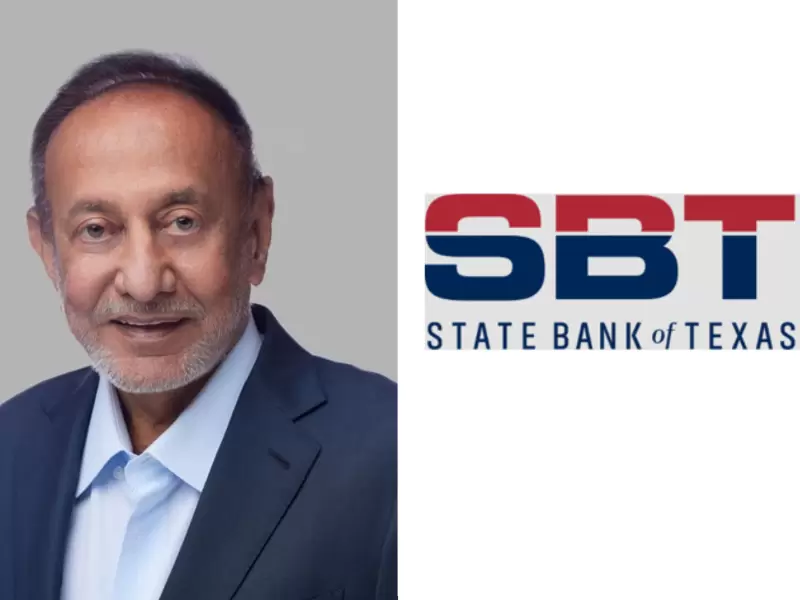
Over the decades, Patel transformed that modest community charter into one of the country's most profitable independent community banks. Working alongside his sons, Sushil Patel (Bank President) and Rajan Patel (Chief Lending Officer), Chan Patel scaled the institution's total assets past $1.2 billion. They evaluated properties based on real cash flows, revPAR (revenue per available room), and personal operator track records rather than arbitrary corporate metrics.
Federal MDI Designations Versus Public Misconceptions
Much of the online confusion surrounds the institution’s status as a Minority Depository Institution. Authorized by Congress under Section 308 of the Financial Institutions Reform, Recovery, and Enforcement Act of 1989 (FIRREA), the MDI designation preserves minority-owned and minority-directed financial institutions across the United States.
Federal designations do not mean a bank operates exclusively for a single ethnic group. Instead, the FDIC designates an institution as an MDI if 51% or more of its voting stock is held by minority individuals, or if a majority of the board of directors consists of minority individuals serving a predominantly minority community. This classification allows institutions to access technical assistance and specific federal capital support initiatives, but it grants zero exemptions from civil rights laws.
State Bank of Texas undergoes recurring compliance audits by the FDIC and state regulators. Under federal fair lending laws, excluding an applicant based on race, religion, or ancestry carries severe civil money penalties, mandatory corrective action, and the potential revocation of deposit insurance. The bank's doors, retail counters, and credit committees follow the identical statutory guidelines governing institutions like JPMorgan Chase or Wells Fargo.
Financial Metrics and Portfolio Concentration
State Bank of Texas runs an atypical balance sheet. While typical community lenders balance their books across single-family mortgages, auto financing, and agricultural credits, Patel concentrated heavily on the motel loan portfolio niche. This specialization yielded industry-leading efficiency ratios and unusually high return on assets (ROA).
| Performance Indicator | State Bank of Texas | Peer Texas Community Banks (Average) |
|---|---|---|
| Hospitality / Lodging Exposure | 60%, 75% of commercial loan book | 3%, 8% of commercial loan book |
| Return on Average Assets (ROA) | Typically exceeding 2.5%, 3.5% | 0.90%, 1.20% |
| Efficiency Ratio | Sub-25% (Extremely lean overhead) | 55%, 65% |
| Tier 1 Risk-Based Capital Ratio | Well above 18% | 12%, 14% |
The bank's hyper-lean efficiency stems from a streamlined branch network. Rather than operating tens of brick-and-mortar locations requiring tellers, security teams, and operational real estate, Patel’s enterprise centralizes its operations. This operational model reduces overhead expenses, yielding substantial margins that protect the bank against unexpected hospitality market downturns.
Underwriting Discipline and the AAHOA Connection
A crucial factor behind the bank’s visibility is its deep relationship with the Asian American Hotel Owners Association (AAHOA). Founded in 1989, AAHOA members today own nearly 60% of all hotels in the United States, generating billions of dollars in economic activity. Chan Patel and his family were early supporters and active participants within this association.
When Asian American entrepreneurs initially struggled to secure commercial financing through traditional credit channels, Patel assessed creditworthiness using criteria standard commercial bankers missed. He understood the operational stability of a family that lived inside the motel it operated. If labor costs spiked, the family absorbed the maintenance tasks themselves. Loan losses at State Bank of Texas remained remarkably low because the bank understood the operational dynamics of its borrowers.
Sushil Patel has noted across banking industry panels that the bank frequently syndicates loans with other commercial institutions. Major national lenders collaborate with State Bank of Texas precisely because the Patels can accurately evaluate hospitality real estate assets. Borrowers from diverse backgrounds obtain loans from the bank, provided they possess the liquidity, operational track record, and down payments required to service debt during hospitality slumps.
Legal Realities of Fair Lending Compliance Under FDIC Oversight
Federal examiners monitor whether community institutions run fair, non-discriminatory lending pipelines. Under the scrutiny of the FDIC and the Consumer Financial Protection Bureau (CFPB), banks must maintain exhaustive loan application registers. If State Bank of Texas systematically declined commercial or retail loan applications from non-Indian borrowers while accepting identical profiles from Indian applicants, statistical monitoring would trigger immediate regulatory sanctions.
Specialization is legally distinct from discrimination. An agricultural bank lending 90% of its capital to soybean farmers in Iowa does not discriminate against suburban dry cleaners; it allocates capital where its executives understand asset valuation, secondary liquidation markets, and seasonal risk. The same dynamic governs the Irving lender's focus on select commercial properties.
Furthermore, the bank's retail operations remain open to all consumers. Anyone meeting basic identity verification standards can open an FDIC-insured account at State Bank of Texas. The institution services local retail checking, municipal accounts, and standard certificates of deposit across North Texas, functioning like any other federally regulated depository institution.
Frequently Asked Questions (FAQ)
Q1: Does State Bank of Texas only provide hotel financing to Indian-Americans?
A1: No. Federal fair lending laws strictly prohibit banks from selecting or rejecting borrowers based on race, ethnicity, or national origin. The bank provides commercial loans to any applicant who meets its stringent hospitality underwriting criteria, equity requirements, and cash-flow thresholds.
Q2: What is Chan Patel's actual role at State Bank of Texas today?
A2: Chandrakant "Chan" Patel is the founder and serves as Chairman of the Board. Daily executive operations are managed alongside his sons, including Bank President Sushil Patel and Chief Lending Officer Rajan Patel, who lead strategic growth and national loan syndication efforts.
Q3: How does the bank maintain high profits despite limited branch locations?
A3: State Bank of Texas keeps overhead low by operating without an expansive consumer branch footprint. By originating larger commercial real estate loans and maintaining high capital reserves, the bank achieves an efficiency ratio well below the national community banking average.
The Long-Term Impact of Niche Commercial Lending
The viral narratives surrounding Chan Patel and State Bank of Texas misinterpret a specialized business strategy for an insular arrangement. By concentrating capital where mainstream banks once saw only liability, Patel established an enduring commercial model that supported the growth of the modern American hospitality industry.
As independent banks face heightened capital demands, changing regulatory baselines, and shifting real estate valuations, specialized underwriters remain essential to domestic commerce. State Bank of Texas demonstrates how rigorous, focused credit assessment, grounded in complete compliance with federal lending laws, creates durable financial institutions capable of serving demanding commercial markets.