Fact-Checking 'Sympathetic': The Real Distinction Between Sympathy, Empathy, and Favor
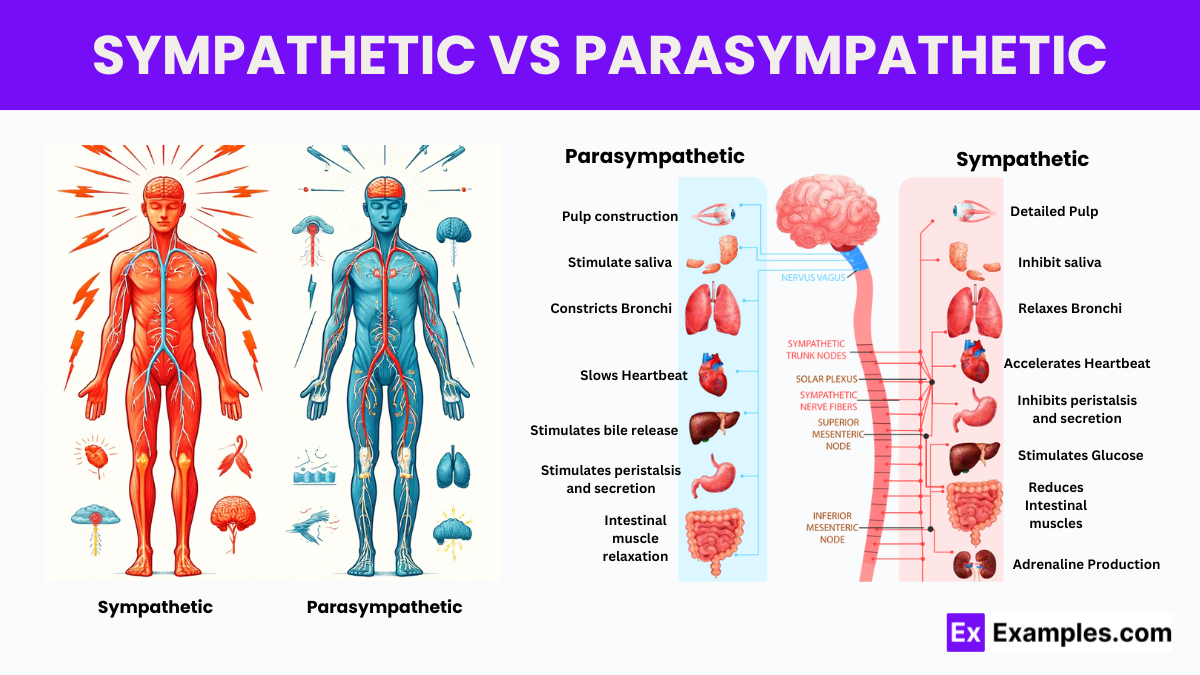
Most people reach for the word "sympathetic" when offering a card to a grieving friend or lending a sympathetic ear over coffee. Yet when legal reporters at SCOTUSblog noted on January 20, 2026, that the Supreme Court appeared sympathetic to gun owners challenging a Hawaii firearm statute, nobody suggested the justices were weeping from sorrow. Meanwhile, medical researchers analyzing autonomic tone in an American Heart Association Journals Report tracked how lipid infusions accelerate sympathetic transduction across vascular walls, having nothing to do with feelings at all.
Language bends under institutional pressure. The root Greek term sympatheia, literally "suffering together", has fractured across centuries into distinct registers of biology, jurisprudence, literary criticism, and emotional connection. Understanding what sympathetic means requires distinguishing between emotional resonance, institutional bias, and raw physiological stress reflexes.
📌 Key Takeaways:
- Core Definition: The word encompasses three separate frameworks: emotional commiseration, ideological agreement or favor, and involuntary autonomic nervous activation.
- Sympathy vs Empathy: Sympathy maintains an observational distance through condolence and care, whereas empathy demands an internal simulation of another person's direct pain.
- Somatic Mechanics: In biology, sympathetic actions govern the fight or flight response and vascular tone rather than subjective warmth or kindness.
The Semantic Divide: Sympathy Versus Empathy
Everyday conversation frequently conflates sympathy and empathy, treating them as interchangeable tokens of interpersonal warmth. The distinction is functional rather than pedantic. Sympathy operates as an acknowledgment of external hardship. When someone sends a condolence message following a personal tragedy, they express feeling compassion while maintaining clear psychological boundaries between the observer and the sufferer.
Empathy dissolves that partition. It requires affective mirroring, pulling the observer into the emotional shoes of the other person to recreate their distress internally. Clinical psychologists point out that an individual offering a sympathetic ear can provide steady, rational guidance precisely because they remain outside the emotional turbulence.
Psychiatric literature identifies three distinct layers in this emotional continuum:
- Cognitive Perspective: Grasping that another person faces hardship without adopting their internal state.
- Sympathetic Care: Feeling genuine concern, pity, or goodwill toward someone experiencing difficulty, motivating supportive action.
- Empathic Resonance: Somatic or neural alignment where the observer mirrors the grief, terror, or anguish of the subject.
Confusing these concepts causes practical problems in crisis response. When someone in distress requests support, an empathic reaction can occasionally overwhelm the listener, prompting vicarious burnout. A sympathetic posture offers emotional resonance alongside enough detachment to organize logistics, secure resources, or simply remain calm during acute sorrow.
High Court Leanings: Showing Favor and Legal Alignment
Outside personal relationships, "sympathetic" often indicates partisan favor or judicial receptivity. During oral arguments on Hawaii's strict public-carry permitting regime in early 2026, observers noted the bench seemed overtly sympathetic to the petitioners. In legal parlance, this usage has zero connection to pity or charitable impulses.
Instead, the term indicates showing favor or agreement with a party’s statutory interpretation. A court described as sympathetic toward corporate defendants or union organizers signals an analytical willingness to accept their premises. The phrase acts as journalistic shorthand for intellectual alignment, predicting how a judge might weigh evidence or balance competing constitutional claims.
This institutional usage mirrors political discourse. A legislative committee can be sympathetic toward clean-energy subsidies or defense allocations, meaning members lean toward endorsing the policy. Conflating this definition with emotional tenderness misinterprets hard-nosed statecraft. In legal drafting and court reporting, sympathy denotes strategic openness, procedural generosity, or ideological alignment.
The Hard Biology: Fight-or-Flight and the Autonomic System
The most dramatic divergence from colloquial emotion occurs inside the human body. The sympathetic nervous system forms an essential arm of the autonomic nervous system, working directly opposite the parasympathetic pathways that regulate rest and digestion. It operates entirely beneath conscious awareness, preparing organisms for survival crises.
When a person encounters an immediate threat, sympathetic neurons fire bursts of norepinephrine, triggering the fight or flight response. Heart rate climbs, bronchial passages dilate to maximize oxygen intake, peripheral blood vessels constrict, and digestion stalls. This neural network earned its name from eighteenth-century anatomists who believed internal organs operated in mutual physiological "sympathy" to maintain balance.
Modern clinical research has pushed far beyond broad descriptions of adrenaline surges:
- Sympathetic Transduction: In August 2021, Nature highlighted how sympathetic transduction, the operational efficiency with which neural bursts convert into arterial constriction, drives untreated essential hypertension.
- Metabolic Interplay: The August 2026 findings published by the American Heart Association showed that acute intravenous lipid infusions heightened sympathetic transduction through redox-sensitive molecular cascades, demonstrating that metabolic shifts directly amplify vascular resistance.
- Cardiovascular Load: Sustained sympathetic tone wears down endothelial tissues, increasing stroke and infarction risks across decades.
These involuntary reactions cannot be calmed by conscious intent. The biological apparatus is purely mechanical, optimizing physical survival at the expense of metabolic conservation.

Mapping Context: How Definitions Shift Across Disciplines
Because the word operates across so many fields, analyzing its exact meaning depends entirely on the domain where it appears.
| Discipline / Domain | Core Definition | Operational Mechanism |
|---|---|---|
| Interpersonal Relations | Feeling compassion, offering condolence | Conscious expressions of warmth, active listening, supportive boundaries |
| Judicial & Political Analysis | Showing favor or agreement, institutional leanings | Accepting legal interpretations, voting in coalition, granting procedural relief |
| Autonomic Physiology | Fight-or-flight activation, vascular regulation | Norepinephrine release, peripheral vasoconstriction, elevated cardiac output |
| Literary & Narrative Arts | Audience affinity, moral relatability | Fostering investment in a protagonist despite complex flaws or transgressions |
Literary Tension: The Collapse of the Likable Character
Storytellers have long debated what makes a sympathetic character. In classic narrative frameworks, protagonists required recognizable virtues, loyalty, honesty, or vulnerability, to maintain audience loyalty. That model has eroded significantly across modern fiction and screenwriting.
In a July 2022 essay for Reactor, critics observed that readers and critics frequently confuse sympathetic characters with purely likeable ones. Modern audiences regularly invest in morally compromised protagonists who lie, steal, or exhibit destructive vanity. The character remains sympathetic not because readers endorse their ethics, but because their underlying motivations, grief, fear of obscurity, or the need to protect a child, feel intensely coherent.
When writers strip characters of all understandable motives, narrative detachment sets in. A protagonist does not require moral purity to evoke audience concern. They merely require internal logic that allows an observer to grasp why they make disastrous choices. Once that connection snaps, the story loses emotional traction, reducing the protagonist to an irritating spectator in their own drama.
Frequently Asked Questions (FAQ)
Q1: What is the main difference between sympathy and empathy?
A1: Sympathy involves recognizing another person's suffering and feeling compassion or sorrow for them while keeping emotional distance. Empathy involves internally sharing and feeling that pain as if it were happening to you.
Q2: Why is the fight-or-flight system called "sympathetic"?
A2: Eighteenth-century anatomist Jacob B. Winslow applied the Greek term because he believed internal organs worked in "sympathy" or coordination with each other via spinal nerves to protect the organism during danger.
Q3: What does it mean when a judge or court is described as "sympathetic"?
A3: It means the judge shows an inclination toward a legal argument, case precedent, or specific party, indicating an intellectual openness to ruling in their favor rather than feeling pity.
Q4: Can a villain be a sympathetic character in fiction?
A4: Yes. An antagonist becomes sympathetic when their motivations, backstory, or emotional vulnerabilities are clear enough that audiences understand their actions, even while condemning their behavior.
Navigating Meaning in Daily Communication
Words with wide conceptual spreads risk losing clarity when speakers assume mutual comprehension. When someone mentions a sympathetic response, context dictates whether they are discussing an emotional gesture, an ideological alliance, an audience reaction to a novel, or a surge of adrenaline constricting blood vessels.
Clarity requires tracking which definition is in play. Precision prevents treating strategic political favor as authentic moral kindness, or assuming that an involuntary physiological reflex carries conscious emotional intent. The term remains one of the most flexible in the English lexicon, balancing raw clinical biology at one extreme and subtle human connection at the other.


