Fluid Ounces vs. Dry Weight: Decoding 1 1/4 Cups Across Different Ingredients
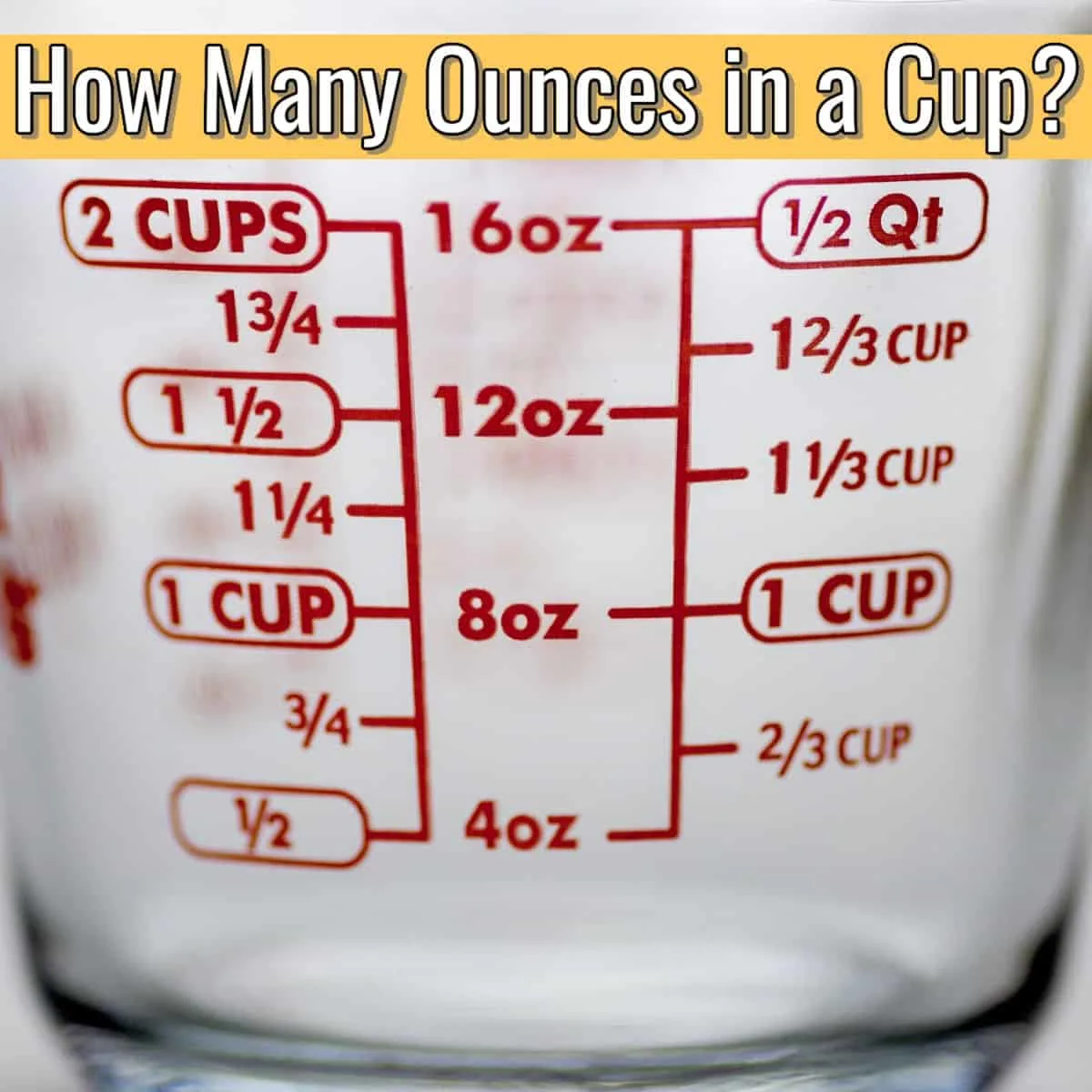
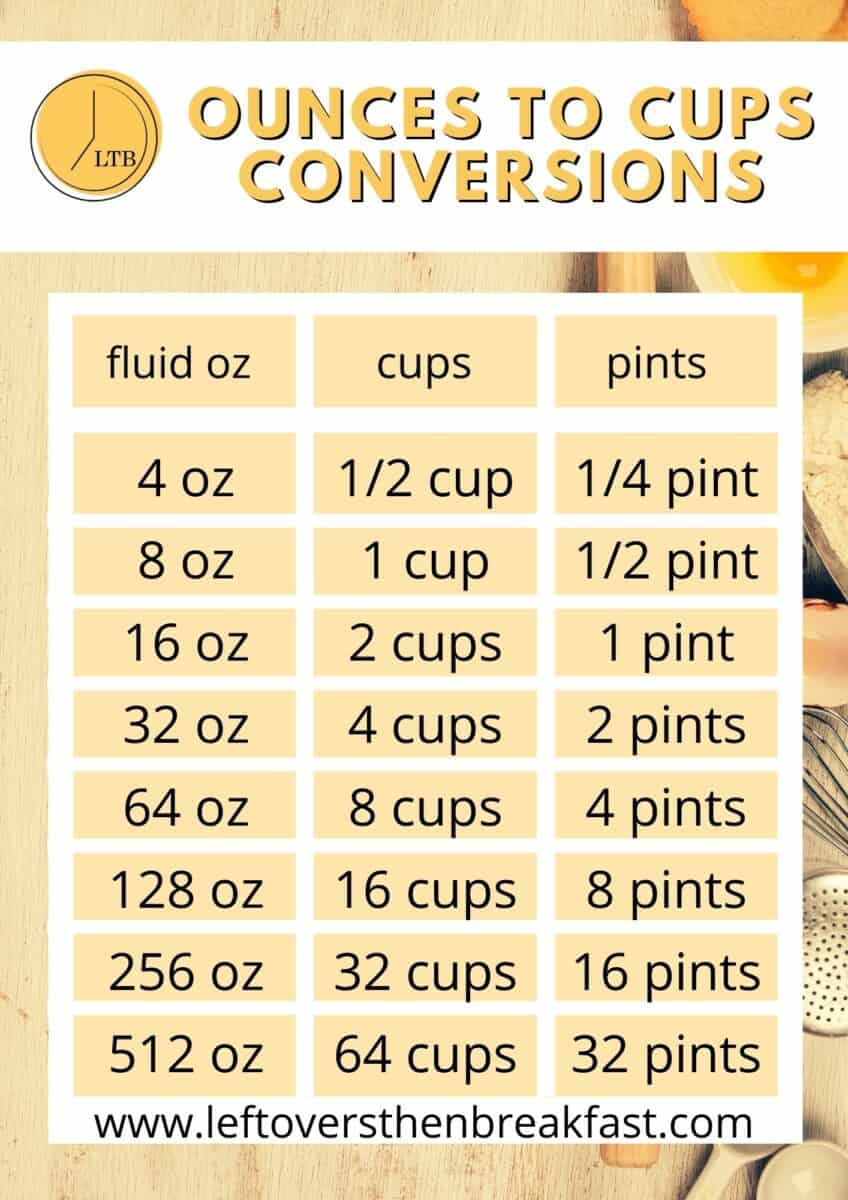
When a recipe calls for a cup and a quarter, reaching into the cupboard without checking the ingredient density can ruin an entire bake. In the standard US customary system, the basic fluid ounce calculation is straightforward: one cup equals 8 fluid ounces, which makes 1 1/4 cups precisely 10 fluid ounces (or 295.7 milliliters). Yet when home cooks pour flour or granulated sugar into that same vessel, the weight on the counter drops or spikes dramatically.
The gap between liquid volume and dry weight explains why so many cakes turn out dense or cookies spread flat across the sheet pan. According to an extensive equipment evaluation by the Food & Wine Report, inconsistencies in common kitchen measuring cups produce volume swings of up to 20 percent. Understanding fluid ounces vs dry ounces is the single fastest way to achieve real recipe measurement precision.
📌 Key Takeaways:
- Liquid Standard: Exactly 1 1/4 cups of liquid equals 10 fluid ounces or approximately 296 milliliters.
- Weight Disparity: Dry ingredients do not equal 10 ounces by weight; 1 1/4 cups of all-purpose flour weighs roughly 5.5 ounces, while the same volume of granulated sugar weighs roughly 8.8 ounces.
- Tool Division: Clear liquid measuring cups measure volume at eye level, while flat-rimmed dry measuring cups require the scoop and level method to avoid packing.
The Critical Line Between Fluid Ounces and Avoirdupois Weight
A fluid ounce measures volume, the physical space a substance occupies. An avoirdupois ounce measures mass or weight. Because water has a density close to 1 gram per cubic centimeter at room temperature, 8 fluid ounces of water weighs roughly 8.34 ounces avoirdupois, prompting generations of American cooks to rely on the rhyme "a pint's a pound the world around."
That rule breaks down the moment you step outside pure water. Molasses, honey, and whole milk have higher densities, meaning 1 1/4 cups will weigh noticeably more than 10 dry ounces. Conversely, flour, cocoa powder, and rolled oats trap air between their particles. Pouring 1 1/4 cups of sifted cake flour yields roughly 4.5 ounces of actual matter. When a formula developed by weight is translated carelessly into volumetric cups, bread dough turns dry and pie crusts crumble before reaching the oven.
Converting 1 1/4 Cups for Everyday Pantry Staples
Converting 1 1/4 cups into ounces requires matching the physical ingredient with its real-world bulk density. A baker making sugar cookies needs far more mass than a cook preparing pancake batter.
| Ingredient | Fluid Ounces (Volume) | Dry Weight (Ounces) | Dry Weight (Grams) |
|---|---|---|---|
| Water, Broth, Black Coffee | 10.0 fl oz | 10.4 oz | 296 g |
| All-Purpose Flour (Dip & Sweep) | 10.0 fl oz | 5.3, 5.6 oz | 150, 160 g |
| Granulated White Sugar | 10.0 fl oz | 8.8 oz | 250 g |
| Packed Brown Sugar | 10.0 fl oz | 9.7 oz | 275 g |
| Powdered (Confectioners') Sugar | 10.0 fl oz | 5.3 oz | 150 g |
| Unsalted Butter (Melted / Solid) | 10.0 fl oz | 10.0 oz (2.5 sticks) | 284 g |
| Whole Milk / Oat Milk | 10.0 fl oz | 10.4, 10.6 oz | 305 g |
| Rolled Old-Fashioned Oats | 10.0 fl oz | 3.7 oz | 105 g |
For liquids, 10 fluid ounces remains constant across water, broths, and juices. But as shown in the baking conversion chart above, 1 1/4 cups of all-purpose flour weighs barely half that amount. Anyone expecting 10 ounces of flour from a 1 1/4-cup measure will end up adding nearly double the flour required by a recipe written in ounces.
Why Your Liquid and Dry Measuring Cups Tell Different Stories
Culinary labs consistently warn against using liquid measuring cups for dry goods and vice versa. Liquid vessels feature a pouring spout, empty headroom above the top graduation line, and markings on clear tempered glass or plastic. To measure 1 1/4 cups of buttermilk, place the pitcher on a flat surface, bend down, and check the bottom of the meniscus at eye level. Looking down from above skews the perspective, easily introducing an extra half-ounce of liquid.
Dry measuring cups, by contrast, are designed to be filled to overflowing and leveled flat across the top edge. When Serious Eats conducted hundreds of test scoops across popular metal and plastic dry cups, researchers found that dipping a measuring cup straight into a flour bag packed the granules together, introducing up to 30 percent excess flour by weight compared to the standard scoop and level method.
To measure 1 1/4 cups of flour accurately without a scale, fluff the flour in its canister with a fork. Spoon it gently into a 1-cup metal vessel and a 1/4-cup vessel until mounded. Sweep a flat straight-edge, like the back of a butter knife, across the rims. Never shake or tap the cup, as vibrations compress the fine grains down into the corners.
Dairy, Plant Milks, and Syrups: The Viscosity Factor
Not every liquid behaves like water. Heavy whipping cream, buttermilk, sweetened condensed milk, and modern plant-based milks (such as oat, almond, and soy) exhibit varying specific gravities.
A cup and a quarter of whole milk registers 10 fluid ounces on a liquid jug and weighs roughly 10.6 dry ounces on a digital scale due to dissolved milk solids and butterfat. Plant milks with added gums or starches track closely to whole dairy, averaging around 10.4 to 10.5 ounces for 1 1/4 cups. Honey and maple syrup introduce extreme shifts: 1 1/4 cups of pure maple syrup weighs roughly 14.1 ounces, while clover honey tops 17.5 ounces.
When professional recipe developers publish formulas for custards, ice cream bases, or potluck sides, like those popularized by America's Test Kitchen, they specify liquid ingredients in fluid ounces or milliliters to prevent sticky miscalculations. Pouring heavy syrups into dry measuring cups creates significant residue loss along the sidewalls, robbing the batter of critical moisture.
Why Kitchen Scale Accuracy Overrules Volumetric Cups
Home bakers often ask whether upgrading measuring cups solves consistency problems. While high-grade stainless steel nested cups offer better calibration than warped dollar-store plastic, volume measurement remains inherently vulnerable to human technique and atmospheric humidity.
Flour left in a humid kitchen absorbs ambient moisture, gaining weight without changing in visual volume. A digital kitchen scale removes this variable entirely. Switching to weight measurements delivers several concrete advantages:
- Single-Bowl Efficiency: You can place a mixing bowl directly on the scale, press the tare button, and pour exactly 150 grams (5.3 oz) of flour, tare again, and add 250 grams (8.8 oz) of sugar without dirtying multiple nested cups.
- Predictable Texture: Pastry crusts retain their intended flaky crumb because flour ratios do not fluctuate by 20 or 30 grams between batches.
- Effortless Scaling: Halving or tripling an odd quantity like 1 1/4 cups becomes simple arithmetic rather than awkward visual approximations.
A capable digital scale measuring in 1-gram and 0.05-ounce increments costs between $15 and $25, paying for itself quickly in saved ingredients and eliminated baking mishaps.
Frequently Asked Questions (FAQ)
Q1: Is 1 1/4 cups always equal to 10 ounces?
A1: Only when measuring fluid volume. One and a quarter cups equals 10 fluid ounces. By dry weight, the value changes completely depending on what you measure: 1 1/4 cups of all-purpose flour weighs about 5.3 to 5.6 ounces, while 1 1/4 cups of granulated sugar weighs about 8.8 ounces.
Q2: How many tablespoons are in a cup and a quarter?
A2: There are 20 tablespoons in 1 1/4 cups. One cup contains 16 tablespoons, and 1/4 cup contains 4 tablespoons.
Q3: Can I measure liquids in a dry measuring cup if I'm careful?
A3: You can in an emergency, but surface tension makes spilling likely, and filling to the exact brim often leads to over-pouring by 5 to 10 percent. For liquids, use an angled or clear measuring jug checked on a flat surface.
Best Practices for Flawless Measurements
Navigating recipe conversions comes down to identifying whether an author intends liquid volume or dry mass. When a formula lists "10 ounces of water or stock," using a liquid measuring cup filled to the 1 1/4 cup line delivers pinpoint results. The moment an author specifies "10 ounces of flour," step away from the graduated cup and set a mixing bowl directly onto a digital scale.
Adopting the scoop and level method for dry goods provides an immediate safety net when working without weight gear. Fluff your dry goods, spoon them lightly into dedicated flat-rimmed cups, and sweep the excess away. Mastering this distinction ensures that every loaf, cookie, and sauce matches the author's original vision.