From 1920s Fields to Modern Menus: How Beets in Spanish Became Culinary Staples

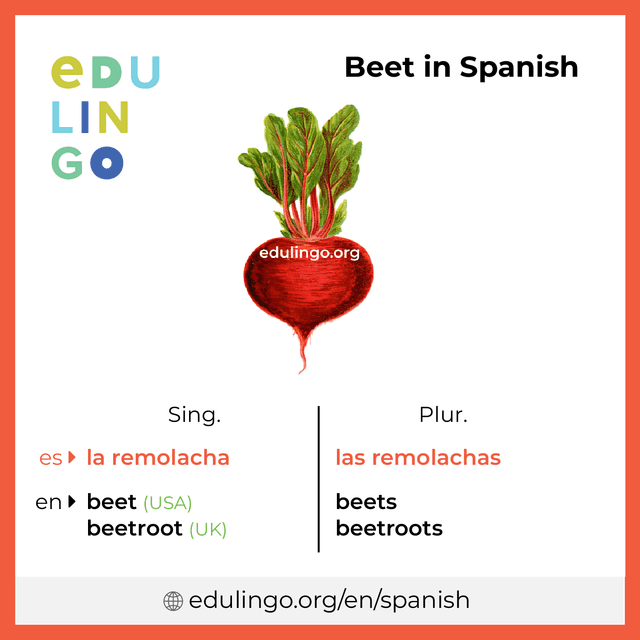
Walk into a central market in Mexico City and ask for root vegetables, and the vendors will point you toward mounds of deep purple globes labeled betabel. Fly south to Santiago or Lima, and that identical vegetable suddenly becomes betarraga. Step into a greengrocer in Madrid, Santo Domingo, or Bogotá, and the crate reads remolacha. While global culinary history often links the root to Eastern European preservation traditions, documented in archival overviews like this Wikipedia (en) Report tracing fermented white beets, root kvass, and sugar beet stocks, the Spanish-speaking world developed an entirely distinct linguistic map and agricultural relationship with the crop.
Behind these divergent labels lies a century-long story of cross-continental trade, early twentieth-century field labor, and regional dialect evolution. Once dismissed across parts of the Americas as an unrefined field crop or relegated to industrial sugar refineries, the ruby-red root has established itself at the center of modern Latin American gastronomy.
📌 Quick Summary:
- Linguistic Divide: Spanish uses three primary regional words for beets: betabel in Mexico, betarraga across the Andean and Southern Cone corridors, and remolacha in Spain, the Caribbean, and northern South America.
- Labor Footprint: The expansion of sugar beet cultivation throughout the American West and northern Mexico between 1910 and 1935 mobilized hundreds of thousands of Mexican agricultural laborers, permanently embedding the root into borderland foodways.
- Modern Resurgence: From Mexican holiday salads to Lima tasting menus, the root has transitioned from a subsistence crop to a celebrated centerpiece of contemporary zero-waste Latin dining.
The Three Words for One Root: Remolacha, Betabel, and Betarraga
Spanish produce vocabulary often puzzles culinary translators because regional colonial trade routes rarely standardized everyday botanical names. The taproot of Beta vulgaris entered Hispanic dialects along three separate phonetic pathways, each tracing a unique etymological history.
Remolacha dominates peninsular Spain, the Caribbean basin, Colombia, and Venezuela. The noun originates from the Italian ramolaccio, which historically referred to horseradish or wild radishes before shifting to the deep-red garden beet. In Spain, specifying remolacha roja differentiates the table vegetable from yellow varieties or feed crops.
Travel through Mexico and Central America, and the term disappears entirely in favor of betabel. The Mexican Spanish dialect borrowed the word from the French betterave, a linguistic imprint that took root during nineteenth-century periods of French cultural and culinary influence in Mexico. The term remains the undisputed standard throughout Mexican produce markets and home kitchens.
Further south in Chile, Peru, Bolivia, and Argentina, speakers rely heavily on betarraga. This variant entered the South American produce vocabulary through Portuguese and early Provençal mariners who brought seeds around Cape Horn. Today, understanding these distinctions is essential for any translator, chef, or home cook reading regional recipe archives.
From Sugar Extraction to Field Labor Realities
The global dominance of beets altered significantly during the late nineteenth century when industrial sugar beet processing took off across North America. European agricultural scientists developed commercial techniques to extract crystalline sucrose from Beta vulgaris subsp. vulgaris altissima, known in Spanish as remolacha azucarera.
By the 1920s, extensive sugar beet operations spanned Colorado, California, Idaho, and northern Mexico. Thinning, hoeing, and harvesting sugar beets required back-breaking manual field work during short seasonal windows. Growers recruited heavily across northern Mexico and the American Southwest, drawing tens of thousands of migrant families into the fields.
Workers bent double over short-handled hoes to cultivate dense acreage, often earning meager piece-rate wages that averaged roughly $20 to $24 per acre during the mid-1920s. This grueling agricultural era reshaped labor activism, fostering cross-border organizing networks among Mexican farmworkers. While sugar beets were bound for processing mills rather than dining tables, field workers frequently cultivated table beets in home garden plots alongside chiles and pinto beans, integrating the root deeply into working-class diets.
A Comparative Guide to Spanish Produce Terminology
The Latin American produce stall features a wide array of underground crops. For cooks navigating authentic recipe collections, distinguishing the various garden roots requires precision, as naming conventions vary substantially across jurisdictions.
| Botanical / Commercial Type | Regional Spanish Name | Primary Geographic Territory | Culinary Use |
|---|---|---|---|
| Red Table Beet (Beta vulgaris) | Betabel | Mexico, Guatemala, parts of Central America | Fresh salads, juicing, Christmas punch garnish |
| Red Table Beet (Beta vulgaris) | Remolacha / Remolacha roja | Spain, Caribbean (Cuba, PR, DR), Colombia | Boiled salads, pickled preserves, side dishes |
| Red Table Beet (Beta vulgaris) | Betarraga (or Beterraga) | Peru, Chile, Bolivia, Argentina | Ensalada rusa variants, roasted side dishes |
| Sugar Beet | Remolacha azucarera | International agricultural trade standard | Industrial sucrose extraction, livestock silage |
| Beet Greens | Hojas de betabel / de remolacha | Universal Spanish produce taxonomy | Sautéed greens, soups, potage fillings |
Within broader root vegetable catalogs, beets share classification shelf space with crops native to the Americas as well as Old World staples. A Spanish root vegetable vocabulary list typically encompasses:
- Zanahoria: Carrot (found in every regional dialect).
- Rábano: Radish, vital for garnishing Mexican pozole.
- Nabo: Turnip, commonly used in northern Spanish stews.
- Yuca (Mandioca): Cassava, a cornerstone of Caribbean and Amazonian cooking.
- Camote / Batata: Sweet potato, varying sharply by regional geography.
Ensalada de Betabel and Festive Latin American Foodways
Home cooking throughout Latin America embraces beets primarily in chilled dishes, providing earthy balance to rich, slow-braised meats. The most famous Mexican preparation is ensalada de betabel, often prepared as ensalada de Nochebuena for Christmas Eve feasts.
In this celebration dish, diced boiled beets provide a vivid crimson foundation. Cooks layer them alongside sliced jicama, orange segments, peanuts, and seeds from fresh pomegranates, dressed lightly with lime juice and raw cane syrup. The pairing cuts cleanly through the fat of roast pork leg or tamales.
Across the Southern Cone and the Andean plateau, home cooks routinely add betarraga to their localized editions of potato salad, colloquially dubbed ensalada rusa. Rather than the pale, mayonnaise-heavy Russian salad common in Western Europe, the Peruvian and Chilean tables turn the entire mixture a shocking, vibrant magenta. Diced potatoes, carrots, hard-boiled eggs, and green peas take on the color and sweetness of the root, forming an indispensable side for Sunday family lunches.
In the Dominican Republic and Cuba, the vegetable takes liquid form in a beverage known colloquially as morir soñando de remolacha or blended directly with carrots and orange juice in a morning tonic known across street stands as jugo de tres tiempos (beet, carrot, and orange juice).
Root-to-Leaf Cooking: Modern Latin Gastronomy Rediscovers Beet Greens
In traditional rural kitchens, resourceful cooks never discarded the foliage. The leafy stalks, known as hojas de betabel or hojas de remolacha, are botanically closely related to Swiss chard (acelga), offering a mineral-rich flavor when wilted over medium heat with garlic, onion, and lard.
Contemporary Latin fine dining has brought these historical zero-waste techniques into premier dining rooms across Mexico City, Buenos Aires, and Bogota. Chefs in modern establishments utilize whole roasted baby roots glazed in aged agave or pisco reductions, then plate them over puréed tops blended with local pumpkin seeds or fresh queso fresco.
This culinary shift honors the complete life cycle of the crop. Discarding the green tops is no longer standard practice; rather, kitchen teams treat the leaves as equal culinary components in contemporary stews, braises, and taco fillings.
Frequently Asked Questions (FAQ)
Q1: What is the most widely understood Spanish word for beets?
A1: Remolacha carries the broadest international recognition across Spain, the Caribbean, and most of South America. However, if you are speaking to someone from Mexico or Central America, betabel is the universally preferred term, while in Chile and Peru, you will hear betarraga.
Q2: How do you say "sugar beet" in Spanish?
A2: The standard agricultural and commercial translation for sugar beet is remolacha azucarera. It rarely goes by betabel azucarero outside specialized regional farm literature in Mexico.
Q3: How do Latin American chefs prepare beet greens?
A3: Beet greens (hojas de remolacha or hojas de betabel) are typically treated like wild greens (quelites) or spinach. They are thoroughly washed, roughly chopped, and sautéed with garlic, white onions, and olive oil or lard, often finished with lime juice or mixed into scrambled eggs.
Q4: Why does Mexican Spanish use a different word than peninsular Spanish?
A4: Mexico experienced significant French cultural, political, and culinary influence during the mid-nineteenth century, notably during the Second Mexican Empire. The French term betterave was absorbed and localized into betabel, whereas Spain retained remolacha, derived from Italian roots.
The Evolving Language of Latin American Produce
Language reflects the soil and hands that cultivate it. What began as an Italian loanword in the Mediterranean transformed across centuries into distinct dialects that mapped the migration routes of the Americas.
From the harsh industrial fields of early twentieth-century beet harvesters to the artfully composed plates of contemporary urban dining, the plant has shed its reputation as secondary forage. Whether ordering a chilled glass of fresh juice in Oaxaca or sampling roasted roots along the coast of Chile, knowing your betabel from your betarraga offers an authentic glimpse into the rich history of Spanish produce markets.