From Botanical Gardens to Flagship Stores: The Biggest 'Brick by Brick' Exhibits Right Now
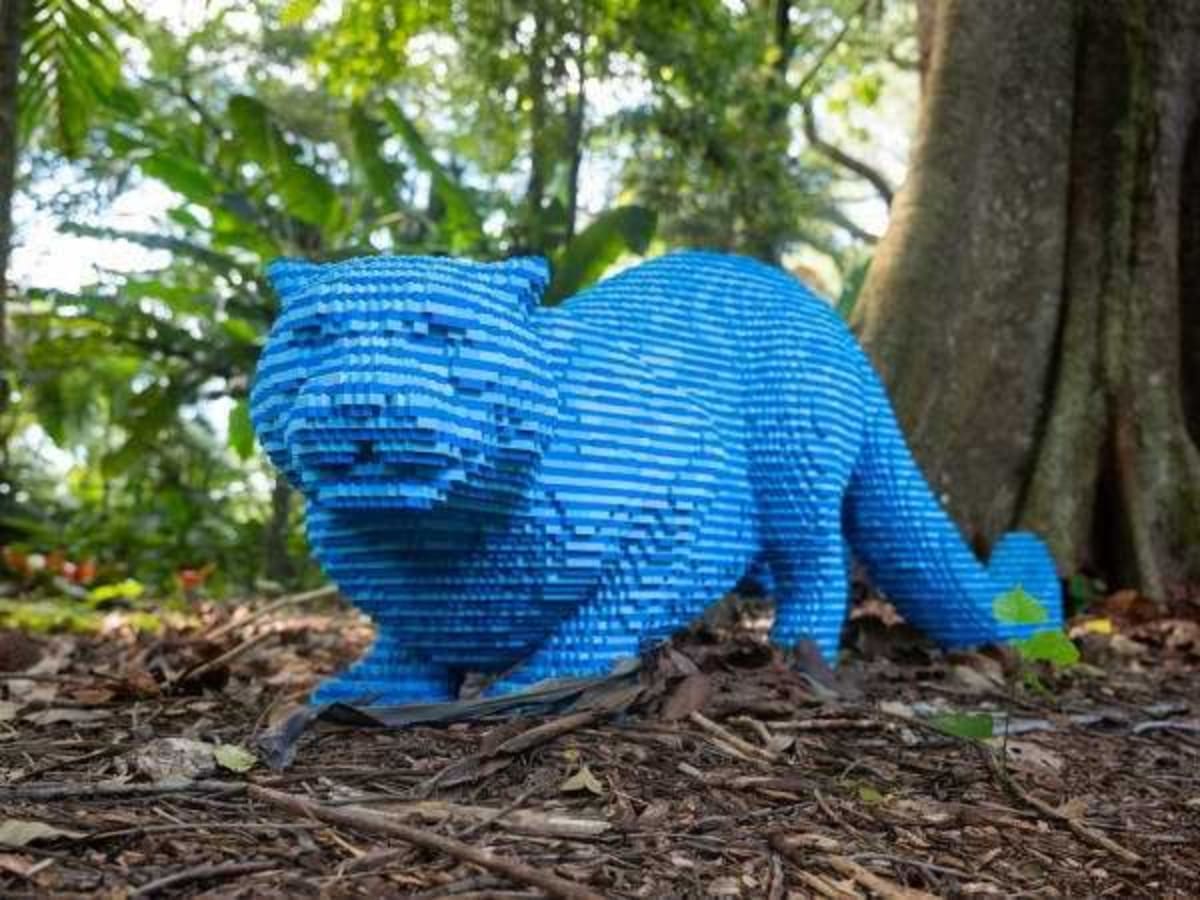
Sculptors are pushing ABS plastic to structural extremes, assembling hundreds of thousands of tiny interlocking elements into monumental outdoor and urban centerpieces. As confirmed in a recent AOL Report, the Fort Worth Botanic Garden is preparing to debut an 800,000-brick installation titled Nature POP! Made with LEGO Bricks, produced by acclaimed artist Sean Kenney. These colorful creations stand shoulder-to-shoulder with living flora, highlighting a sophisticated movement in experiential public art.
Across the Atlantic, Prague’s record-setting retail flagship continues drawing global crowds with its sprawling architectural tributes built entirely from standard bricks. The public appetite for massive brick-built art installations has evolved beyond hobbyist conventions into major cultural programming. These displays merge heavy engineering, pop art aesthetics, and landscape architecture into high-traffic civic events.
📌 Key Takeaways:
- Botanical Spectacles: Fort Worth Botanic Garden launches Sean Kenney’s *Nature POP!*, featuring 800,000 bricks across dozens of vivid, wildlife-inspired sculptures.
- Architectural Scaling: Prague’s flagship installation anchors European urban tourism with complex structural replicas of historic landmarks.
- Industrial Engineering: Outdoor installations require internal welded steel skeletons and ultraviolet-stabilized bonding agents to survive ambient heat, rain, and public contact.
Sean Kenney’s Vibrant Nature POP Invades Fort Worth Botanic Garden
The Fort Worth Botanic Garden is transforming its living grounds into an open-air gallery where engineered wildlife mingles with native Texan flora. Sean Kenney, a pioneering master model builder and contemporary artist, created Nature POP! to present familiar ecosystem relationships through bold, stylized palettes. Kenney avoids standard camouflage. Instead, his team renders a five-foot dragonfly in neon magenta or a family of deer in brilliant geometric stripes.
The production footprint is staggering. Constructing the full display required roughly 800,000 individual bricks and thousands of studio hours. Kenney’s studio maps every organic curve using custom 3D voxelization software before a single element snaps into place.
Botanical garden exhibits face distinctive curatorial demands. Placing synthetic, rigid plastic figures inside dynamic, humid microclimates creates visual friction that draws younger demographics into conservation-focused spaces. Horticultural teams collaborate directly with the artist's rigging crews, ensuring that concrete footings and ground stakes do not disturb historic root systems or sensitive perennial beds.
Engineering the Elements: How Large-Scale Brick Sculptures Survive Outdoors
Erecting outdoor LEGO displays presents structural hurdles that indoor exhibitions never encounter. Wind shear, thermal expansion, driving rain, and UV degradation will systematically compromise standard plastic assemblies left unprotected under open skies.
Large-scale brick building relies on hidden structural metallurgy. Artists run precision-welded internal steel armatures through the center of every sculpture. This skeleton anchors into buried ballast plates or discrete concrete footings.
Assembly techniques depend on chemical welding rather than raw clutch power:
- Technicians coat mating surfaces with methyl ethyl ketone (MEK) or industrial ABS solvents during physical stacking.
- The solvent temporarily liquefies the plastic, fusing neighboring bricks into a continuous, monolithic shell.
- Internal channels allow moisture condensation to drain freely, preventing interior water pooling that could freeze and split seams during unseasonal cold snaps.
- Specialized matte clear-coats are applied post-assembly to shield standard injection-molded polymers from solar photodegradation and surface fading.
Without these mechanical interventions, a prolonged summer run under direct sunlight would warp structural seams within weeks.
Global Heavyweights: Comparing 2026’s Landmark Brick Installations
Across major public gardens and flagship architectural installations, project footprints vary dramatically in complexity, durability requirements, and engineering scope.
| Exhibition Venue | Core Focus / Theme | Brick Count Range | Primary Engineering Challenge |
|---|---|---|---|
| Fort Worth Botanic Garden (Texas) | *Nature POP!* (Stylized flora and fauna) | 750,000, 850,000 | High-heat UV exposure, wind loads, living root preservation |
| Prague Architectural Flagship (Czechia) | National Museum & Central European landmarks | 300,000, 500,000 | Historic masonry accuracy, micro-lighting integration |
| Leicester Square Installation (London) | Urban culture and historic transport icons | 200,000, 400,000 | High-density foot traffic, tactile interactive wear |
| Melbourne Museum Touring Pavilion (Australia) | Paleontological reconstructions | 900,000, 1,200,000 | Cantilevered skeletal stress, modular shipping breakdown |

Prague's Architectural Masterpiece: The Flagship Engineering Feat
While botanical institutions lean toward biodiversity narratives, urban flagships use the medium to mirror their surrounding heritage. In Central Europe, Prague’s multi-story retail destination sets a towering standard for architectural recreation. Its centerpiece is a massive, meticulously proportioned model of the National Museum, complete with functioning interior lighting and historic façade details.
Master builders spent hundreds of design hours studying architectural blueprints to replicate neo-Renaissance proportions with standard rectangular studs. Unlike garden pieces viewed from designated pathways, retail installations endure close scrutiny from inches away. Every window frame, corbel, and roof ridge must align without visible seams.
These municipal tributes act as high-conversion cultural magnets. Visitors who might pass by standard retail storefronts intentionally stop to inspect the craftsmanship, bridging civic architectural pride with branded commercial design.
Master Model Builders and the Rigorous Math of Modular Brick Art
Assembling complex, nature-inspired brick art requires a structured technical process. The craft demands spatial calculus, material science, and logistical foresight.
Large installations cannot travel as single assemblies. A life-sized bear or towering floral stalk weighing several hundred pounds would shatter under transport vibration. Builders split the geometry into interlocking, transportable segments using precision joints:
- Digital Mesh Generation: Artists build high-resolution polygonal 3D models of the subject.
- Voxel Grid Slicing: Proprietary programs divide the digital asset into single-plate vertical layers, mapping individual brick lengths to balance structural seams like bricklayers building a brick wall.
- Internal Core Engineering: Software leaves hollow vertical conduits to receive welded steel support posts.
- Sectional Assembly: Studios build pieces in 50-to-100-pound segments. Each section terminates in hidden keyed pins and recessed bolt channels.
- On-Site Hoisting: Riggers piece the modular units together inside the park or gallery, torque-bolting the internal steel core before finishing the exterior seam with unglued camouflage bricks.
This modular strategy allows a touring team to assemble 40 distinct outdoor installations in less than four business days, saving considerable setup costs.
Frequently Asked Questions (FAQ)
Q1: Are the sculptures in the Fort Worth Botanic Garden made exclusively from genuine LEGO bricks?
A1: Yes. The pieces in Sean Kenney's Nature POP! use standard, commercially available LEGO elements. However, builders integrate internal steel support armatures and industrial adhesives during construction to guarantee public safety and weather resistance.
Q2: How do outdoor LEGO displays survive severe rain, wind, and Texas heat?
A2: Sculptures are chemically fused using solvent bonding agents rather than simple clutch friction. They mount directly to internal steel posts bolted into deep ballast plates. Builders also apply UV-resistant protective coats to reduce plastic degradation and pigment bleaching from direct sunlight.
Q3: Can visitors touch the interactive brick exhibits?
A3: Policy depends on the setting. Flagship stores and indoor galleries frequently feature tactile build stations and touchable models. Botanical installations, including Nature POP!, are strictly look-only exhibits to protect the surrounding plant beds, irrigation systems, and structural finishes.
What Lies Ahead for Monumental Brick Art in 2026 and Beyond
Large-scale brick building has evolved into an established genre of modern sculpture. Institutions embrace these exhibits because they solve an ongoing operational dilemma: capturing broad family interest while maintaining educational and aesthetic value.
Horticultural gardens across North America and Europe are booking traveling brick collections two to three years in advance. These exhibits reliably increase gate traffic during previously quiet summer months. By pairing rigorous internal steel engineering with accessible pop-art sensibilities, artists like Sean Kenney demonstrate that simple childhood toys can command respect as serious monumental media. The medium's future relies on balancing ambitious physical scale with sustainable engineering, proving that any vision can stand tall when built brick by brick.


