From Inspection Suspensions to Deforestation Bans: The Full Timeline of Mexico's Avocado Shake-Up
Federal agricultural monitors in Washington and Mexico City are working against the clock to stabilize cross-border produce corridors. Following another sudden USDA APHIS inspection suspension triggered by inspector safety concerns in the Michoacan avocado hub, American authorities agreed to a partial operations restart under tightened security protocols. As detailed in a recent Reuters Report, the move came after days of tense negotiations aimed at protecting field personnel without choking off North America’s fresh fruit supply.
The suspension paralyzed packing houses across Uruapan and Tancítaro, sending immediate shockwaves through logistics networks in Texas and California. Video reports compiled by outlets like NDTV captured lines of grounded refrigerated trailers throughout western Mexico, laying bare the vulnerability of an export economy worth roughly $3 billion annually. What began as a local security emergency has evolved into an ongoing operational test for North American agricultural trade security.
📌 Key Takeaways:
- The Trigger: Threats directed at USDA APHIS personnel halted field certifications across Michoacan, forcing federal authorities to freeze shipments pending local security guarantees.
- Supply Fallout: Spot wholesale prices for Hass avocados jumped 24% to 31% within 72 hours of the pause, straining retail grocers and restaurant distributors.
- The Path Forward: Bilateral agreements now mandate state police escorts for inspectors, while Jalisco avocado producers absorb an expanding share of export quotas.
The Michoacan Standstill and Inspector Safety Realities
The crisis accelerated when two American agricultural officers were unlawfully detained during a protest blockade near Aranza, Michoacan. While both employees were released without physical injury, the event crossed an unequivocal red line established by the United States Department of Agriculture. USDA APHIS halted all field visits and packing facility audits across the state, bringing export certifications to a dead stop.
Orchard gates were padlocked within hours. Local industry associations, including APEAM (the Association of Avocado Exporting Producers and Packers of Mexico), scrambled to establish contact with federal ministers in Mexico City. Cartel extortions, illegal checkposts, and fuel theft have long plagued rural transit corridors in Michoacan, but direct interference with foreign regulatory staff directly triggers federal protection clauses.
The partial operations restart negotiated in early August established dedicated state police escorts and satellite-tracked transit routes for American inspectors. Yet field logistics remain fragile. If local security details fail to control transit roads between orchards and packing facilities, shipments freeze automatically. For growers managing thousands of acres of ripe Hass fruit, a three-day inspection halt turns prime harvests into discounted domestic pulp.
Price Surges from Packing Facilities to Retail Aisles
Produce markets react instantly to border stoppages. Because Michoacan provides the overwhelming majority of Hass avocados imported into the United States, any sudden avocado supply chain disruption sparks defensive buying among commercial wholesalers.
Within four days of the Michoacan export freeze, 48-count cartons of Hass avocados climbing out of McAllen, Texas, jumped from $44 to nearly $62. Commercial buyers for national supermarket chains faced immediate inventory allocations. Regional grocers absorbed higher freight surcharges, passing $2.49 per-fruit retail tags directly to consumers in major metropolitan areas. Independent restaurants, already squeezed by dairy and protein inflation, removed guacamole sides or imposed temporary market surcharges.
The timing amplifies the volatility. Late summer typically marks a transition period where old-crop fruit yields decline before the primary seasonal bloom begins. When regulatory halts interrupt this lean supply window, wholesale distributors burn through cold-storage reserves within five business days, leaving retail distribution centers entirely dependent on emergency air and sea shipments from Peru and Chile.
Fragility Across Cross-Border Cold Chains
The logistics backbone connecting central Mexican orchards to American dining tables operates on razor-thin delivery tolerances. Fruit picked on a Tuesday morning in Uruapan is typically washed, graded, cold-treated, and cleared through customs to reach border crossings in Laredo or Pharr by Thursday evening.
A USDA APHIS inspection suspension snaps this continuous conveyor. Reefer trailers consume thousands of gallons of diesel idling outside certified packing sheds. Customs brokers in Tamaulipas and Texas report cascading delays as agricultural import lanes sit empty, followed by massive logistical bottlenecks once clearance resumes.
To cushion the blow, importers increasingly turn to Jalisco avocado producers. Cleared for US export access in 2022, Jalisco operates under modernized security infrastructure and newer orchard layouts. While Jalisco cannot replace Michoacan's sheer volume during peak Super Bowl avocado demand periods, its packing facilities provided critical baseline shipments that prevented a total Hass avocado shortage on grocery shelves this summer.
| Disruption Window | Primary Cause | Market Price Reaction | Regulatory Resolution |
|---|---|---|---|
| February 2022 | Verbal threat made to USDA inspector's mobile phone in Uruapan | Wholesale carton prices spiked 38% in seven days | Establishment of initial bilateral intelligence-sharing protocols |
| June 2024 | Detention of two APHIS staff during civil unrest in Michoacan | Shipping volume dropped 80%; border gate prices rose 26% | Deployment of dedicated state transit security escorts |
| August 2026 | Localized security breaches and transit extortion threats | Spot price jump of 24%, 31% across US southern border ports | Partial operations restart with expanded Jalisco supply corridors |
Environmental Oversight and the Deforestation Crackdown
Security threats represent only half of the regulatory pressure squeezing the trade. Environmental groups and import regulators in the United States and the European Union have placed Mexican orchards under intense scrutiny over illegal water diversion and deforestation.
In response, Michoacan state authorities rolled out the "Guardian Forestal" satellite monitoring platform. The system uses remote sensing to detect unauthorized land clearing across native pine-oak forests, cross-referencing clear-cut parcels against agricultural export registries. Orchards established on land cleared after 2018 face disqualification from export certification schemes.
Enforcement remains politically contentious. While major export consortiums support digital certification to protect their brand equity, informal smallholders argue the regulations favor industrial conglomerates. Tying phytosanitary inspection permits to environmental compliance adds an additional administrative hurdle. When satellite alerts trigger environmental investigations, entire municipal zones can see their export paperwork held up, intensifying regional supply pinches.
Reframing the Brand Against Supply Realities
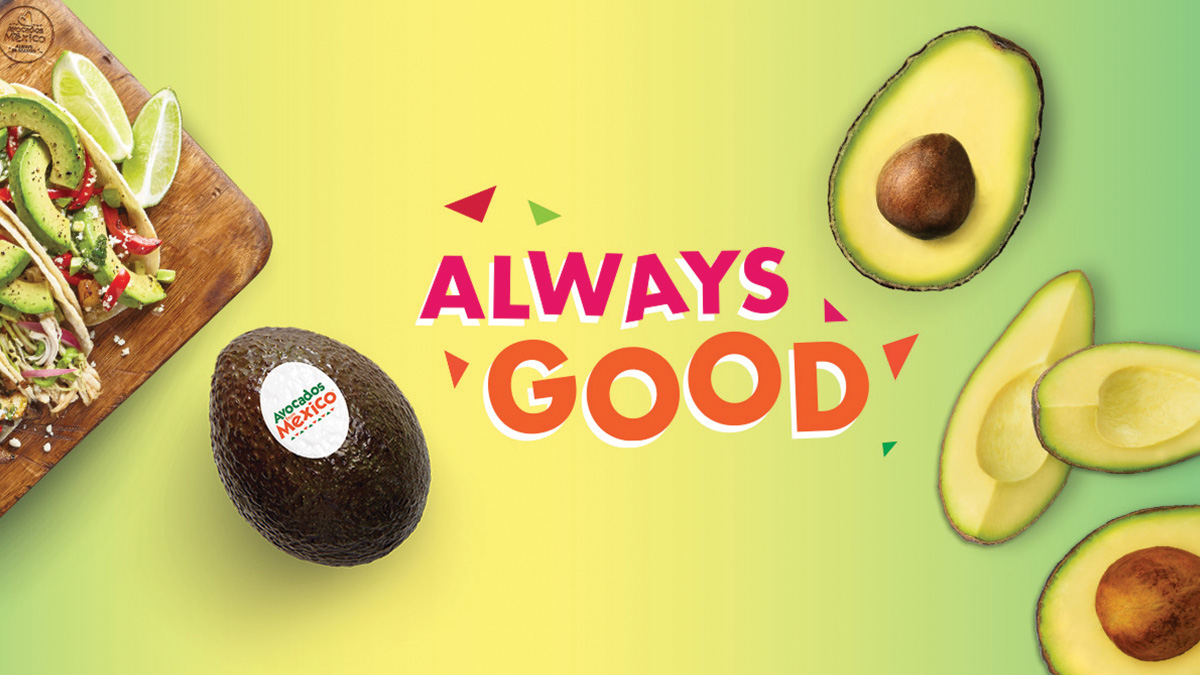
For decades, the "Avocados From Mexico" brand served as an undisputed masterclass in agricultural marketing. Backed by multi-million-dollar Super Bowl commercial slots and catchy musical jingles, the brand transformed an ethnic specialty ingredient into a non-negotiable household staple. Consumption in the United States surged from roughly 1.1 pounds per capita in 1989 to over 8.5 pounds.
Yet that consumer-facing narrative faces constant operational friction on the ground. Supermarket shoppers sing along to cheerful advertising while procurement executives navigate complex geopolitical vulnerabilities. When cartel violence spills over into logistics routes, marketing campaigns cannot mask empty produce bins or spikes in grocery avocado prices.
Industry groups have responded by diversifying their sourcing story. Major distributors no longer position imports as a single uninterrupted flow from Michoacan. Instead, marketing materials highlight traceability platforms, fair-labor certifications, and secondary production zones in Jalisco and Nayarit. Diversification protects the brand's premium shelf space, reassuring commercial retailers that temporary border interruptions will not leave supermarket displays bare.
Frequently Asked Questions (FAQ)
Q1: Why does the United States send its own agricultural inspectors into Mexico?
A1: Under long-standing bilateral phytosanitary agreements, USDA APHIS personnel inspect Mexican orchards and packing facilities at origin to prevent destructive pests, such as the avocado seed weevil, from entering American soil. This pre-clearance model enables rapid transit through US ports of entry without secondary dockside unloading.
Q2: Can California-grown avocados make up for Mexican supply shortages?
A2: No. California growers supply roughly 10% to 12% of total domestic demand, with harvests concentrated primarily between April and August. High land costs, strict water quotas, and labor limitations prevent domestic growers from meeting North America’s multi-billion-pound annual demand.
Q3: How do export suspensions affect restaurant and grocery pricing?
A3: A freeze lasting longer than 48 hours immediately drains border warehouse reserves. Wholesalers respond by bidding up spot-market prices on available cartons, creating an immediate retail increase of **$0.30 to $0.75 per avocado** or forcing restaurants to implement temporary fixed surcharges on avocado-heavy menu items.
The Emerging Security Blueprint for North American Produce
The fragile resolution reached in Michoacan demonstrates that business as usual has permanently ended for cross-border fruit logistics. Bilateral agricultural trade can no longer operate independently of local security governance. The future of the Hass trade depends on the federalization of transport corridors, strict satellite audits that decouple farming profits from illegal deforestation, and the continued expansion of certified acreage across Jalisco.
Retail chains and commercial foodservice providers are already adjusting their procurement contracts, building in automated surge pricing and secondary sourcing protocols to insulate their margins. As harvest crews return to Michoacan's volcanic highlands under armed patrol, the modern avocado trade stands as a sobering case study in the true cost of securing globalized food chains.