From Muffins to Fruit Pockets: Veggies Made Great Launches Major Frozen Pastry Expansion
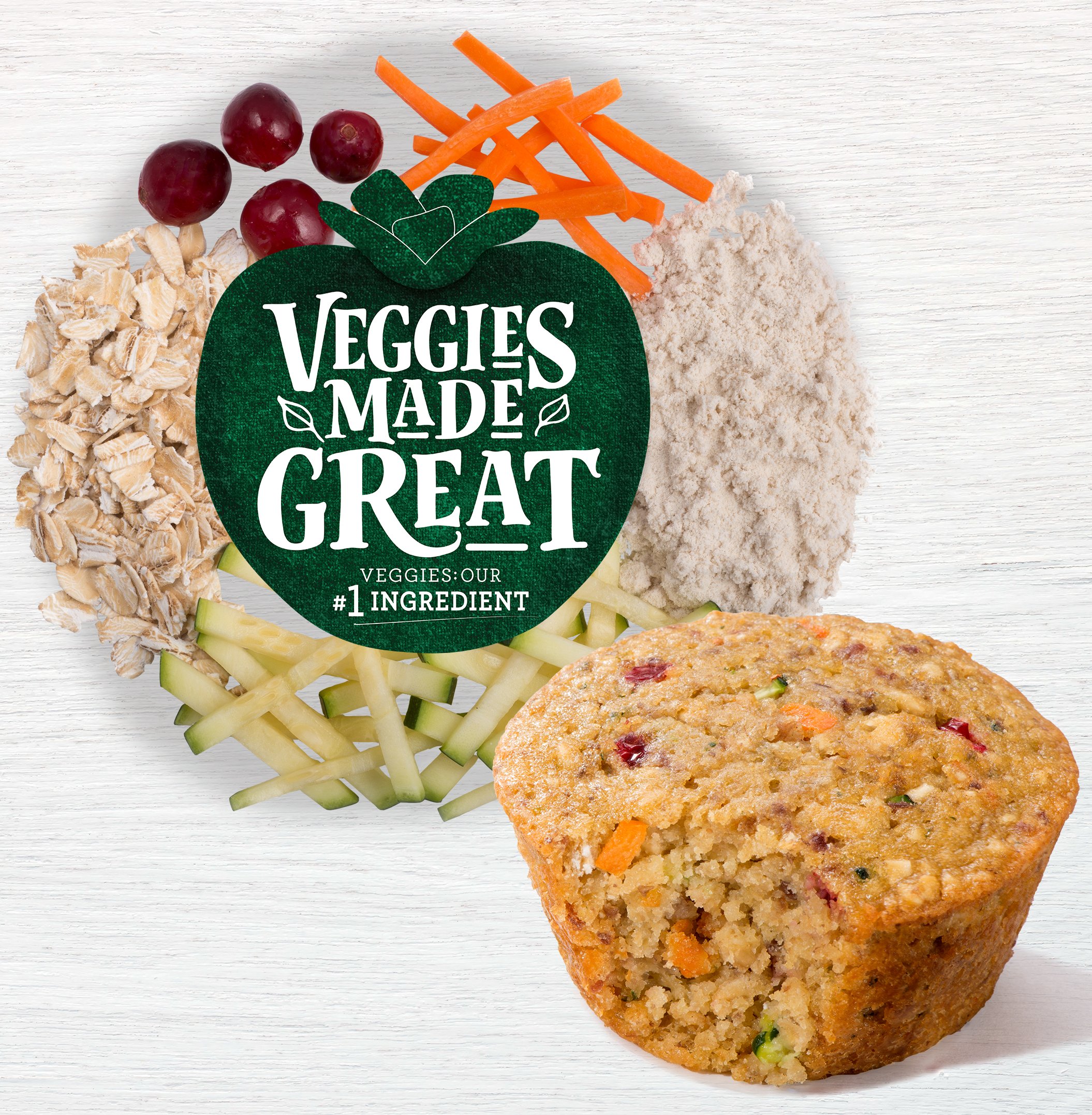
For over a decade, time-strapped parents and health-conscious eaters have relied on Veggies Made Great muffins as a reliable freezer staple. By placing vegetables like zucchini and carrots as the first ingredients in sweet treats like their flagship Double Chocolate muffin, the brand carved out a dominant position in dietary frozen foods. Now, as reported by a June 2026 prnewswire.com Report, the company is making an aggressive push beyond cups and frittatas by entering the frozen pastry category with its new Fruit Pockets line.
This rollout directly targets the sweet morning routine dominated by traditional toaster pastries and strudels. Trade monitors including Nosh and Progressive Grocer highlighted the product's debut as an ambitious effort to scale clean label baked goods into morning snacking territories long criticized for high refined sugar and low nutrient density. Shoppers hunting for portable, veggie-forward snacks are finding a revamped grocery freezer aisle where convenience no longer requires abandoning dietary standards.
📌 Key Takeaways:
- The Move: Veggies Made Great is expanding beyond its core muffin and frittata lines by introducing Fruit Pockets to capture the handheld frozen pastry market.
- Nutritional Architecture: The new lineup continues the brand's core standard, using real vegetable puree alongside whole fruit fillings while keeping gluten-free, allergy-conscious profiles intact.
- Aisle Implications: The launch challenges conventional morning pastries, providing a direct alternative for families seeking plant-based ingredients without excessive sugar spikes.
How Veggies Made Great Built a Morning Freezer Giant
The brand, originally founded under the name Garden Lites, recognized an enduring consumer contradiction: shoppers crave warm morning bakery goods, yet pediatricians and nutritionists constantly push for more plant-based ingredients. Traditional frozen muffins often carry 18 to 26 grams of sugar and rely primarily on refined wheat flour. By reformulating classic bakery textures around zucchini and carrot bases, the company turned sweet comfort food into an easy nutritional delivery mechanism.
The strategy paid off across major retailers like Costco, Target, and Kroger. Reddit parenting communities frequently discuss the brand's Double Chocolate muffin as a tactical victory for picky eaters, citing that kids eat them without detecting the hidden vegetables inside. Building on that foundation, the manufacturer broadened its shelf footprint into egg patties, savory frittatas, and seasonal bakes. That steady growth established the manufacturing infrastructure and supplier network required to support this broader frozen pastry category expansion.
Inside the Fruit Pockets Formula and Nutritional Profile
The Fruit Pockets product line targets handheld toaster pastries. Traditional commercial breakfast pastries average 200 to 220 calories per serving, packing synthetic food dyes, hydrogenated fats, and upwards of 30 grams of carbohydrates with negligible dietary fiber. In contrast, Fruit Pockets are engineered around real fruit fillings blended with mild vegetable purees, maintaining the brand’s promise of whole-food integrity.
Each pastry features a flaky, grain-free crust developed for standard toaster ovens and air fryers. They deliver roughly 5 to 7 grams of sugar, between 3 and 5 grams of fiber, and zero artificial preservatives. The formulations remain certified gluten-free, peanut-free, and tree nut-free. That strict adherence to allergen safety opens immediate placement in school lunchboxes, an advantage traditional frozen breakfast foods often sacrifice during industrial baking.
Nutritional Breakdown: How Fruit Pockets Compare on the Shelf
Handheld breakfast pastries sit at opposite ends of the nutritional spectrum depending on whether they cater to indulgence or clean-label pantry requirements. The comparison below illustrates how the new formulation stacks up against conventional grocery freezer aisle offerings and the brand's classic muffins.
| Product Line | Primary First Ingredients | Sugar per Serving | Allergen Profile |
|---|---|---|---|
| Standard Toaster Pastry | Enriched flour, corn syrup, high fructose corn syrup | 15, 30g | Contains wheat, soy; factory risk of dairy/nuts |
| Double Chocolate Muffin | Zucchini, carrots, whole eggs, cocoa powder | 10, 11g | Gluten-free, peanut-free, nut-free, contains egg/dairy |
| Fruit Pockets (New) | Vegetable blend (zucchini/cauliflower), real fruit, gluten-free flour | 5, 7g | Gluten-free, peanut-free, nut-free, plant-forward |
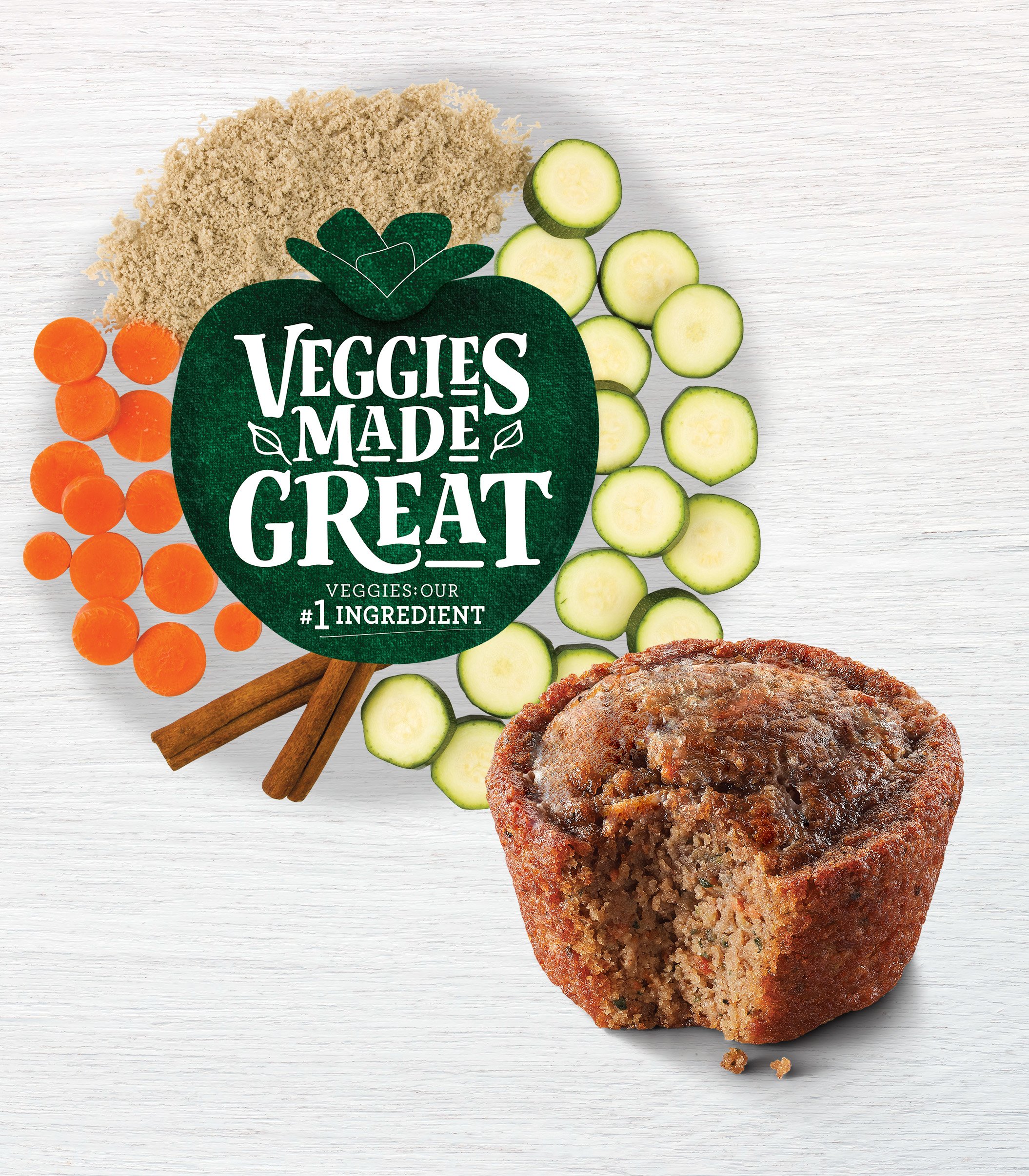
Retail Dynamics and the War for Morning Freezer Space
Supermarket buyers face immense pressure to modernize the breakfast case. Generation Z and millennial shoppers are consistently bypassing legacy frozen waffles loaded with artificial ingredients. Supermarket scanner data tracked by Progressive Grocer reveals double-digit sales dips for high-sugar breakfast novelties alongside steady 8% to 12% year-over-year growth for clean label baked goods.
This change explains why retailers quickly granted shelf space to Fruit Pockets. Stocking an established brand across multiple breakfast occasions lowers retail adoption risk. Veggies Made Great muffins established high velocities in warehouse club stores and standard grocery chains alike. Leveraging that existing shelf recognition allows the brand to capture afternoon snackers and quick morning commuters who prefer a handheld pastry over a fork-and-plate frittata.
Consumer Realities: Who This Launch Serves Best
Handheld fruit pockets provide an undeniable convenience upgrade, yet they may not suit every nutritional strategy. Categorizing dietary profiles clarifies where these items excel and where buyers should look elsewhere:
- Picky Eaters and Time-Pressed Households: Ideal. Parents looking to slip whole vegetables into breakfast routines without morning arguments benefit from the sweet pastry profile.
- Celiac and Allergen-Sensitive Shoppers: Highly recommended. Reliable, certified gluten-free pastries that survive a toaster cycle without disintegrating remain difficult to find.
- Strict Ketogenic Dieters: Avoid. Even though the sugars remain modest, the fruit purees and gluten-free flours carry enough complex carbohydrates to disrupt strict ketosis thresholds.
- Heavy Protein Seekers: Supplementation required. If your morning goal is 30 grams of protein, these pastries deliver fiber and micronutrients instead of high amino acid concentrations, requiring a hard-boiled egg or protein shake on the side.
Frequently Asked Questions (FAQ)
Q1: Are Veggies Made Great muffins being discontinued for the new Fruit Pockets?
A1: No. The core muffin line, including top sellers like Double Chocolate and Blueberry Oat, remains central to the brand's production. Fruit Pockets represent a line expansion into frozen pastries, not a replacement.
Q2: How do you prepare Fruit Pockets compared to the muffins?
A2: While the muffins are traditionally microwaved for 35 seconds, Fruit Pockets are engineered for toaster ovens, standard wide-slot toasters, or air fryers to give the grain-free crust a crisp finish.
Q3: Do Fruit Pockets taste like vegetables?
A3: No. The mild vegetable purees serve as structural and moisture-binding bases, allowing natural fruit profiles like berry and apple cinnamon to dominate the flavor profile.
The Evolving Landscape of Clean-Label Breakfast
The entry of Veggies Made Great into the frozen pastry space confirms a broader transformation in how food brands approach morning convenience. Functional ingredients and vegetable purees are no longer relegated to obscure niche products or specialty health boutiques. By proving that shoppers will buy vegetable-forward treats when texture and taste mimic bakery favorites, the brand continues to redefine expectations in the grocery freezer aisle. Handheld morning food is finally breaking free from artificial syrups and refined flours, giving health-conscious shoppers a faster, smarter start to the day.


