From Riverbanks to Video Games: How Capybara Diets Captured the Public Eye
Social feeds routinely serve up clips of the world's largest rodent serenely chewing on a hollowed-out watermelon or accepting hand-fed lettuce leaves at an animal cafe. Between viral loops set to catchy synth tunes and cozy virtual feeding mechanics in life simulators like Disney Dreamlight Valley, the modern perception of the capybara (Hydrochoerus hydrochaeris) has detached from its real ecological context. As detailed in a recent BBC Report charting how these semi-aquatic giants shifted from obscure wildlife to beloved global internet icons, pop culture loves treating them as laid-back, fruit-loving caricatures.
The biological reality is far grittier and more metabolically demanding. Thriving across river basins, savannas, and marshes requires a digestive operation built to process harsh, abrasive vegetation that would starve most other mammals. Capybaras do not survive on sweet melons and domestic vegetables. Instead, they rely on a finely tuned anatomical engine designed to strip nutrients from coarse plant fiber.
📌 Key Takeaways:
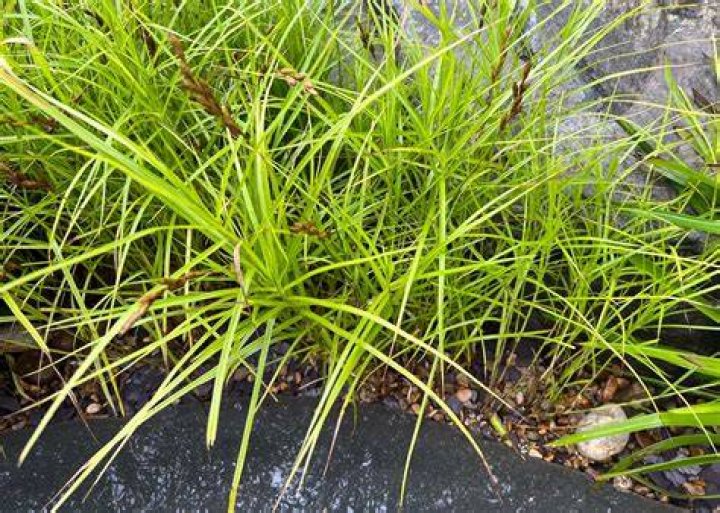
- Natural Intake: In the wild, capybaras survive almost exclusively on rough grasses and sedges alongside submerged aquatic vegetation, rarely touching sweet fruits.
- Biological Machinery: Ever-growing hypsodont teeth and cecal microbial fermentation allow them to break down tough plant cellulose that simple stomachs cannot process.
- Captive Hazards: Overfeeding melon and fresh produce creates catastrophic dental and metabolic failures, driving accredited facilities to prioritize specialized grasses and coarse forage.
The Viral Illusion: Why Millions Watch Rodents Eat Watermelon
Social platforms turned capybaras into mascots of unbothered tranquility. Clips of captive specimens placidly chewing on bright orange pumpkin slices or crunching through entire heads of romaine lettuce earn millions of impressions across TikTok and YouTube. When gaming developers introduced capybaras as companions in Disney Dreamlight Valley, they cemented this pop-culture narrative by designating cabbage and bamboo as their preferred in-game taming snacks.
Euronews examined this viral explosion, pointing to the animal’s uniquely stoic facial expressions and unflappable temperament around other species. Yet that viral imagery paints an inaccurate picture of their actual nutritional biology. Domestic produce has been selectively bred for centuries to yield maximum sugars and minimal insoluble fiber. Handing a capybara a watermelon slice offers quick entertainment for a video clip, but treating that snack as normal sustenance obscures the physiological adaptations that define their true lifestyle.
Grasses, Sedges, and Riverbanks: The True Wild Menu
In their native habitats throughout the South American wetlands, stretching across the Amazon basin, the Pantanal, and the seasonal savannas of the Llanos, capybaras live as dedicated, selective grazers. Their survival hinges on access to narrow bands of green forage clustered near freshwater shorelines.
During the rainy season, when water levels surge and vegetation explodes with life, capybaras feed heavily on nutritious semi-aquatic grasses and sedges. They graze along muddy banks and wade into shallow lagoons to pluck tender submerged stems and floating rafts of water hyacinth. Their selections are precise. Biologists tracking wild troops in Venezuela and Brazil found that while hundreds of plant varieties flourish in these marshes, capybaras get over 75% of their total dry-matter intake from just a half-dozen favored grass species, including Reimarochloa acuta and Paspalum fasciculatum.
When the dry season arrives, water sources recede and lush wetlands turn into cracked mud. The quality of available forage plummets, forcing troops to adapt. To fulfill their daily food consumption of roughly 3 to 4 kilograms (6.6 to 8.8 pounds) of plant matter, they turn to hardier scrubland vegetation, tree bark and roots, and dry reeds. These drought-hardy plants carry high concentrations of silica and woody lignins, presenting severe mechanical challenges that would destroy human teeth.
The Cecotrophy Engine: How Capybaras Extract Maximum Fuel
Surviving on abrasive, low-calorie river foliage requires an aggressive digestive architecture. Capybaras manage this through a specialized herbivorous digestive system centered around a massive, chambered cecum that acts as a natural bioreactor.
Because capybaras are monogastric hindgut fermenters, they lack the four-chambered stomachs of cows or sheep. Instead, coarse grasses move past the stomach and into the cecum, where an ecosystem of symbiotic bacteria breaks down tough cellulose through microbial fermentation. This process extracts volatile fatty acids, supplying up to 70% of the animal's daily energy needs.
Yet hindgut fermentation has an evolutionary catch: the cecum sits downstream of the stomach and small intestine, where primary nutrient absorption takes place. To recover vital amino acids, microbial proteins, and B vitamins generated by cecal bacteria, capybaras rely on cecotrophy.
Early each morning, while resting near the water, capybaras excrete and directly ingest soft, nutrient-dense cecal pellets distinct from their firm afternoon feces. This behavior is a biological necessity. Research confirms that without cecotrophy, capybaras cannot maintain nitrogen balance on a pure grass diet.
Grinding down fibrous marsh grasses around the clock also exacts a heavy toll on their mouths. Capybaras possess open-rooted hypsodont teeth, including long, chisel-like incisors and massive corrugated molars, that continuously grow throughout their lives. The abrasive silica contained inside wild grasses and sedges grinds these teeth down at precisely the rate they emerge from the gum line. Without constant grinding against tough forage, their teeth overgrow, misalign, and cause fatal jaw abscesses.
Nutritional Breakdown: Wild Reality Versus Captive Diets
Maintaining capybaras in zoological parks, animal reserves, or domestic settings requires replicating the physical abrasion and fiber density of the wild wetlands. The table below illustrates the nutritional divergence between wild habitats, accredited zoological care, and the fictional diets popularized by video games.
| Dietary Category | Wild Wetlands Ecosystem | Accredited Zoo Baseline (2024, 2026) | Gaming & Media Depictions |
|---|---|---|---|
| Primary Fiber Source | Native wetland grasses, sedges, floating aquatic plants | Ad libitum Timothy hay, Orchard grass, Bermuda hay | Lettuce heads, cabbage leaves, decorative bamboo shoots |
| Structural Enrichment | Submerged roots, riverbank tree bark, woody shrubs | Untreated willow and fruitwood browse, fibrous branches | None (instant reward animations) |
| Concentrates & Pellets | None (rely entirely on cecotrophy and microbial fermentation) | High-fiber captive diet pellets formulated with extra Vitamin C | None modeled |
| Sugars & Fresh Produce | Extremely rare windfall fruits during short seasonal windows | Restricted to | Melon wedges, whole watermelons, citrus fruits, berries |
| Health Risk Factors | Drought-induced starvation, toxic blue-green algae ingestion | Obesity, dental malocclusion from inadequate chew time | Promotes pet-trade misperceptions and improper feeding |
The Hazards of Pet Culture and Fruit Overfeeding
Viral videos often show private pet owners or novelty petting cafes handing whole watermelons to capybaras. This practice creates severe, documented health hazards for the animals.
Like humans and guinea pigs, capybaras lack the enzyme L-gulonolactone oxidase and cannot synthesize their own Vitamin C. Without adequate dietary ascorbic acid, they quickly develop scurvy, showing joint swelling, internal hemorrhages, and loose teeth. In accredited zoos, staff resolve this by offering stabilized, high-fiber captive diet pellets paired with vast quantities of low-protein hays.
[Low-Fiber, High-Sugar Diet (Melons / Fruit)]
│
├─► Insufficient Tooth Wear ──► Hypsodont Malocclusion & Abscesses
│
├─► Rapid Starch Fermentation ──► Cecal Acidosis & Dysbiosis
│
└─► Metabolic Collapse ──► Chronic Diarrhea, Scurvy, Fatal Organ Stress
Problems erupt when private caretakers skip grassy roughage and lean heavily on sweet produce. Because high-sugar produce moves rapidly through the gut, it disrupts the bacterial balance within the cecum. Sugars ferment too quickly, lowering cecal pH and killing off beneficial cellulolytic microbes. The result is cecal acidosis, chronic diarrhea, and systemic infection.
Equally dangerous is the loss of tooth wear. Chewing soft melon rinds does not provide the abrasive friction needed to maintain hypsodont teeth. The teeth continue to grow, forming razor-sharp spurs that slice through the tongue and cheeks, eventually preventing the animal from eating entirely.
Vanishing Wetlands and the Future of Capybara Grazing
The real survival challenge facing capybaras today is not finding treats in an enclosure, but securing vast swaths of undisturbed wetland in the wild. Intensive cattle ranching, soybean cultivation, and canal building across South America actively displace troops from their ancestral feeding territories.
When cattle herds overgraze seasonal river margins, capybaras lose access to the dense mats of Paspalum grass they depend on during dry months. Displaced troops wander into commercial sugarcane, corn, and eucalyptus fields. This brings them into armed conflict with agricultural landowners who classify them as crop-destroying pests.
The capybara's digestive hardware is a specialized evolutionary achievement that turns coarse marshes into high-efficiency fuel. Maintaining these animals requires protecting the native aquatic vegetation of South America rather than admiring them as water-loving, melon-chomping novelties on a phone screen.
Frequently Asked Questions (FAQ)
Q1: Can a capybara survive on a diet of fruits and vegetables alone?
No. Feeding a capybara solely on fruits and vegetables will cause lethal digestive and dental complications. Their digestive system relies on coarse, insoluble cellulose to maintain stable cecal bacteria. Sweet produce lacks necessary fiber, disrupts their gut pH, and causes their continuously growing teeth to overgrow painfully.
Q2: Why do capybaras eat their own feces?
Capybaras practice cecotrophy, consuming soft, specialized cecal droppings produced early in the morning. Because they ferment grasses in the cecum (which sits after the stomach), eating these nutrient-rich pellets allows them to pass microbial proteins and B vitamins through the stomach and small intestine for proper absorption.
Q3: How much food does an adult capybara consume each day?
A healthy wild adult capybara weighs between 35 and 65 kilograms (77 to 143 pounds) and eats roughly 3 to 4 kilograms (6.6 to 8.8 pounds) of fresh forage daily. In winter or dry months, they compensate for low-protein grass by browsing on tree bark and woody roots.
Q4: Why are capybaras shown eating watermelons and pumpkins in viral videos?
Melon and pumpkin are bright, visually striking treats that animals enjoy because of the high sugar content. Keepers at reputable facilities sometimes offer tiny amounts of melon as rare behavioral enrichment or medical training rewards, but it never serves as a staple diet.
The Gap Between Screen and Sedge
Pop culture transforms complicated wild creatures into cuddly caricatures. As social feeds and video games continue to showcase capybaras snacking on easy treats, the distance between internet fantasy and wild reality widens. The capybara is not an indiscriminate garbage disposal or an easygoing backyard lawnmower. It is a finely tuned semi-aquatic specialist whose survival relies on coarse riverbanks, active microbial partnerships, and the preservation of fragile marshlands. Appreciating these animals means looking past the viral clips to respect the real biology that keeps them alive.


