From Summer Sun to Deep Autumn: The Rise of Cherry Prints in Modern Fashion
Leopard print spent over two decades serving as fashion's undisputed neutral, covering slip dresses, faux-fur overcoats, and block-heel mules across high street racks and luxury ateliers. That feline monopoly broke wide open this season. According to a retail forecast by the Paris Select Book Report, the fruit pattern revival has reached a decisive commercial tipping point, officially dethroning leopard print as the leading graphic motif for Spring 2026 fashion trends. What began as a nostalgic nod across social media moodboards has solidified into a structural merchandising shift.
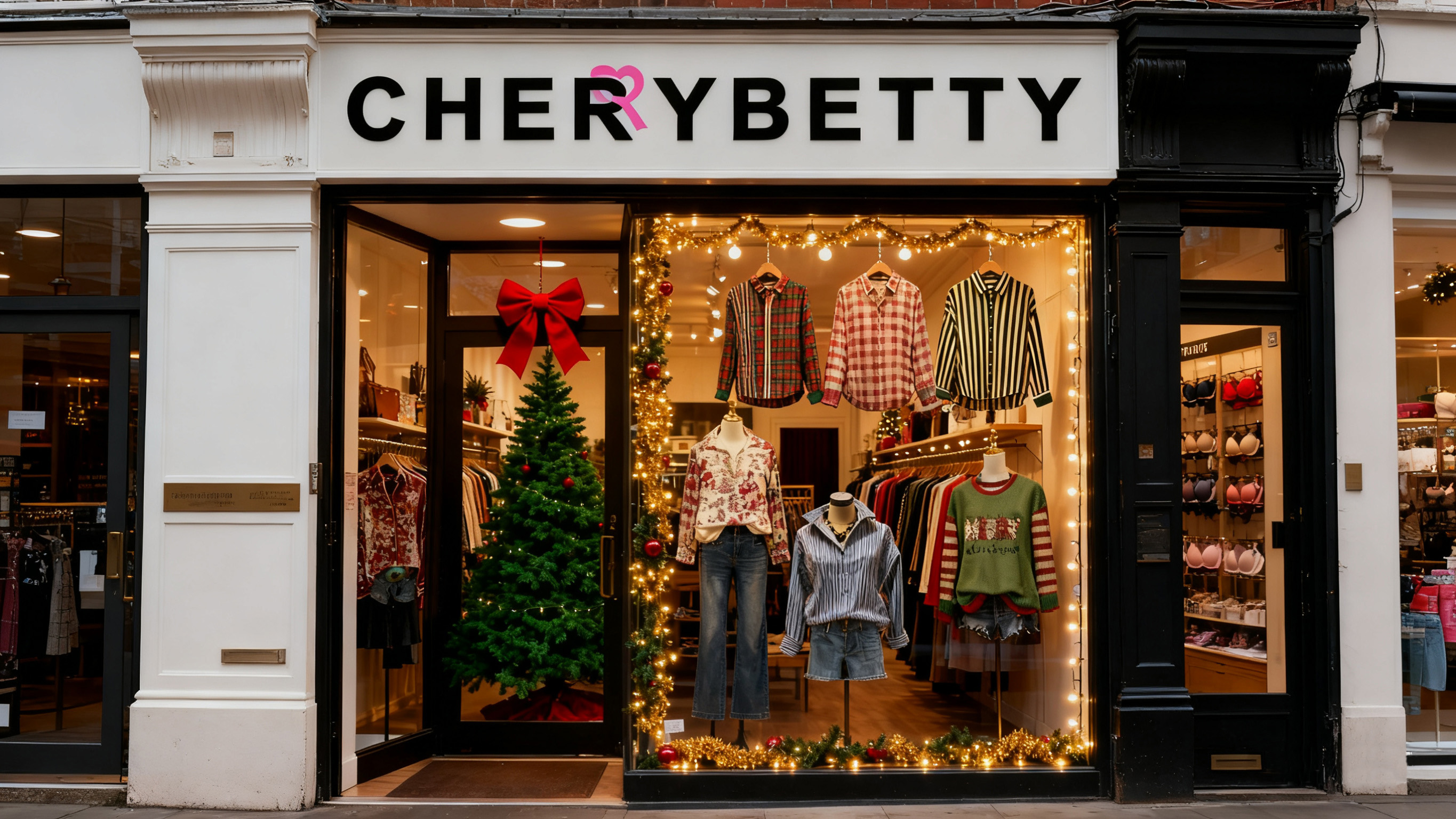
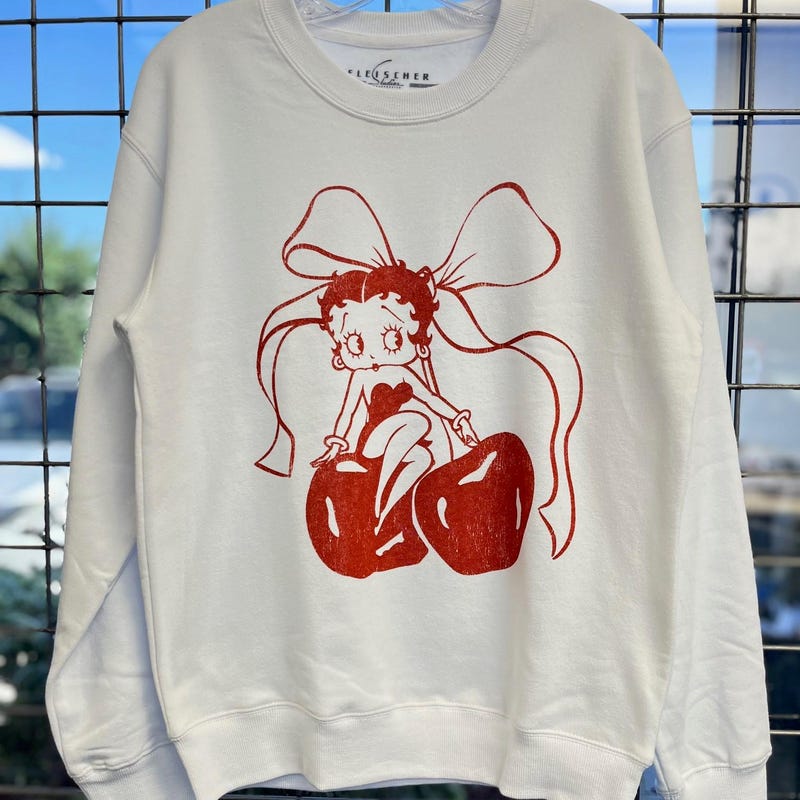
The cherry girl aesthetic initially picked up momentum during early 2025 editorial roundups, when publications like FASHION Magazine declared a seasonal turn toward bright, hyper-feminine fruit motifs. Over the past twelve months, the trend expanded far beyond novelty picnic wear. Designers transformed botanical motifs into versatile daily foundations. Brands such as Cherry Betty clothing carved out a dedicated following by bridging Mid-Century rockabilly retro clothing with contemporary minimalism, proving that cherry prints function across midsummer linen sundresses and deep autumn performance apparel alike.
📌 Key Takeaways:
- The Commercial Shift: Spring 2026 market data reveals cherry print dresses and fruit motifs outperforming classic animal prints by an estimated 28% across boutique and contemporary retail orders.
- Cross-Era Design Roots: The resurgence bridges 1950s pin up fashion tailoring with the kitschy irony of early-2000s Y2K vintage aesthetics.
- Extended Color Systems: Beyond bright maraschino reds, darker black cherry tones now dominate technical layers, activewear lines, and trans-seasonal suiting.
The Shift from Feline Prints to Orchard Motifs
Fashion runs in cycles of visual exhaustion. Animal patterns dominated runway presentations and fast-turnaround collections throughout the early 2020s, saturating every price tier from fast fashion retailers to Milanese fashion houses. By autumn 2025, consumer sentiment tracked across European apparel distributors showed a distinct fatigue with neutral-adjacent animal spots. Buyers wanted vibrant contrast, tactile nostalgia, and unapologetic saturation.
Cherries fill that void effortlessly. The motif carries immediate psychological weight: youthfulness, rebellion, sunshine, and mid-century Americana. Unlike abstract florals that blend quietly into seasonal backgrounds, a crimson pair of cherries against a crisp cotton base creates an immediate visual anchor. It reads as a deliberate choice. Designers in Paris and Copenhagen embraced this high-contrast geometry for early 2026 collections, pairing graphic fruit illustrations with stark tailoring, oversized blazers, and structured denim to ground the sweetness in modern metropolitan wear.
From Rockabilly Subcultures to Cherry Betty Boutiques
The print carries deep subcultural roots long before it entered contemporary luxury showrooms. Throughout the 1950s and during the 1990s rockabilly revival, cherry patterns formed the backbone of pin up fashion. Enthusiasts gathered at classic car rallies and underground swing joints dressed in halter necklines, circular skirts, and crinoline petticoats printed with ruby fruit clusters. It symbolized retro rebellion with a wink.
Specialty labels kept this subcultural torch burning when mainstream department stores abandoned it. A comprehensive Cherry Betty boutique review illustrates why this aesthetic survived market fluctuations: fabrication focus and structural tailoring. Rather than printing flat digital patterns on flimsy polyester blends, boutique manufacturers specialized in 97% cotton twill with 3% elastane weaves. These fabrics offer substantial support, maintaining shape along the torso without requiring historical corsetry. Cherry Betty garments gained traction among collectors who prioritize fitted bodices, side seam pockets, and reinforced stitching over disposable trend cycles.
Tracking the Graphic Print Evolution
The path from fringe vintage reproduction to mainstream luxury retail reveals distinct ideological shifts over sixty years of design history.
| Era | Defining Silhouette | Color Foundation | Cultural Driver |
|---|---|---|---|
| 1950, 1959 | Full swing skirts, boned bodices, halter collars | Bright scarlet cherries on optic white or black | Post-war domestic optimism and early pin-up imagery |
| 1998, 2004 | Baby tees, micro-minis, low-rise capri pants | Bubblegum pink backgrounds, glitter screenprints | Y2K vintage resurgence and ironic pop-punk styling |
| 2025, 2026 | A-line midis, square-neck tanks, performance leggings | Dark black cherry, ecru, slate, espresso bases | Fruit pattern revival merging retro cuts with functional minimalism |
This historical trajectory demonstrates that while silhouettes adapt to modern utility, the visual signature remains resilient. What changed in 2026 is the context: cherry motifs no longer require rockabilly costume accessories like victory rolls or bowling shirts to feel intentional.
Styling the Modern Cherry Print Dress
Executing retro sundress styling today requires careful balance. Leaning too heavily into period-accurate accessories risks making an outfit look like theater wardrobe rather than high-end streetwear. The most effective contemporary ensembles counter the sweetness of the fruit motif with sharp, utilitarian components.
A classic cherry print dress featuring a vintage sweetheart neckline pairs naturally with an oversized boxy leather bomber jacket and chunky lug-sole loafers. The contrast between delicate décolletage tailoring and heavy leather breaks up the hyper-feminine aesthetic. For casual weekday wear, stylists suggest layering a fitted fruit-patterned camisole underneath relaxed ecru denim trousers, finishing with unlined suede slides. The statement print does the heavy lifting, allowing the rest of the outfit to remain pared-down and architectural.
From Bright Fruit to Dark Cherry Activewear
The print's resurgence extends beyond casual woven garments. The palette itself underwent an autumn-ready transformation that broadened its appeal. Designers isolated the color of the fruit, moving from midsummer candy-apple shades to deep, bruised black cherry hues. This tonal shift opened opportunities in athleisure and technical apparel.
Leading sportswear lines in early 2026 introduced monochromatic collections rendered entirely in dark cherry, oxblood, and rich cordovan. These moisture-wicking leggings, compression tops, and fleece zip-ups incorporate micro-cherry jacquard textures rather than screen-printed graphics. The result is understated and functional. Runners and gym-goers gain an alternative to standard jet-black or charcoal activewear without resorting to garish neons, allowing the cherry trend to maintain momentum through freezing temperatures.
Frequently Asked Questions (FAQ)
Q1: How do I style a cherry print dress without looking like a retro costume?
A1: Pair the garment with modern, minimalist outerwear and clean footwear. Avoid petticoats, red lipstick, and retro victory rolls. Instead, throw an oversized charcoal blazer or distressed moto jacket over the dress, and wear clean white leather sneakers or blunt-toed boots.
Q2: Is the fruit print trend limited to spring and summer collections?
A2: No. Spring collections feature graphic red cherries against white and pastel backdrops, while autumn collections shift toward "black cherry" and bordeaux colorways. Designers apply darker cherry tones to heavier knitwear, wool coats, and moisture-wicking activewear lines for year-round wear.
Q3: How does sizing typically run for boutique vintage brands like Cherry Betty?
A3: Boutique retro labels generally cut garments with less synthetic stretch than fast-fashion brands. While contemporary dresses use high-spandex blends, retro-inspired garments use structured cotton twills with fitted bodices. Check individual bust and waist measurements carefully, as sizing often runs true to classic dressmaker standards rather than vanity sizing.
The Year-Round Longevity of the Orchard Palette
Trends that depend purely on internet novelty burn out within a single fashion cycle. Cherry prints avoided this fate by establishing dual identities across consumer demographics. At the entry level, bright maraschino graphics appeal to younger shoppers exploring Y2K revivalism and picnic-core aesthetics. Simultaneously, high-end boutiques and technical apparel brands treat the motif as an enduring graphic asset, pairing vintage sweetheart necklines with premium tailoring.
As retail racks roll over into late-season stock, cherry patterns show zero signs of a sudden fade-out. The shift from bright retro sun dresses to deep-toned activewear proves that fruit motifs have shed their novelty status. They now function as an essential wardrobe pillar, delivering bold contrast to a market long overdue for color.


