From TikTok Sensation to Critical Flop: The Rise of Biscoff Cheesecake
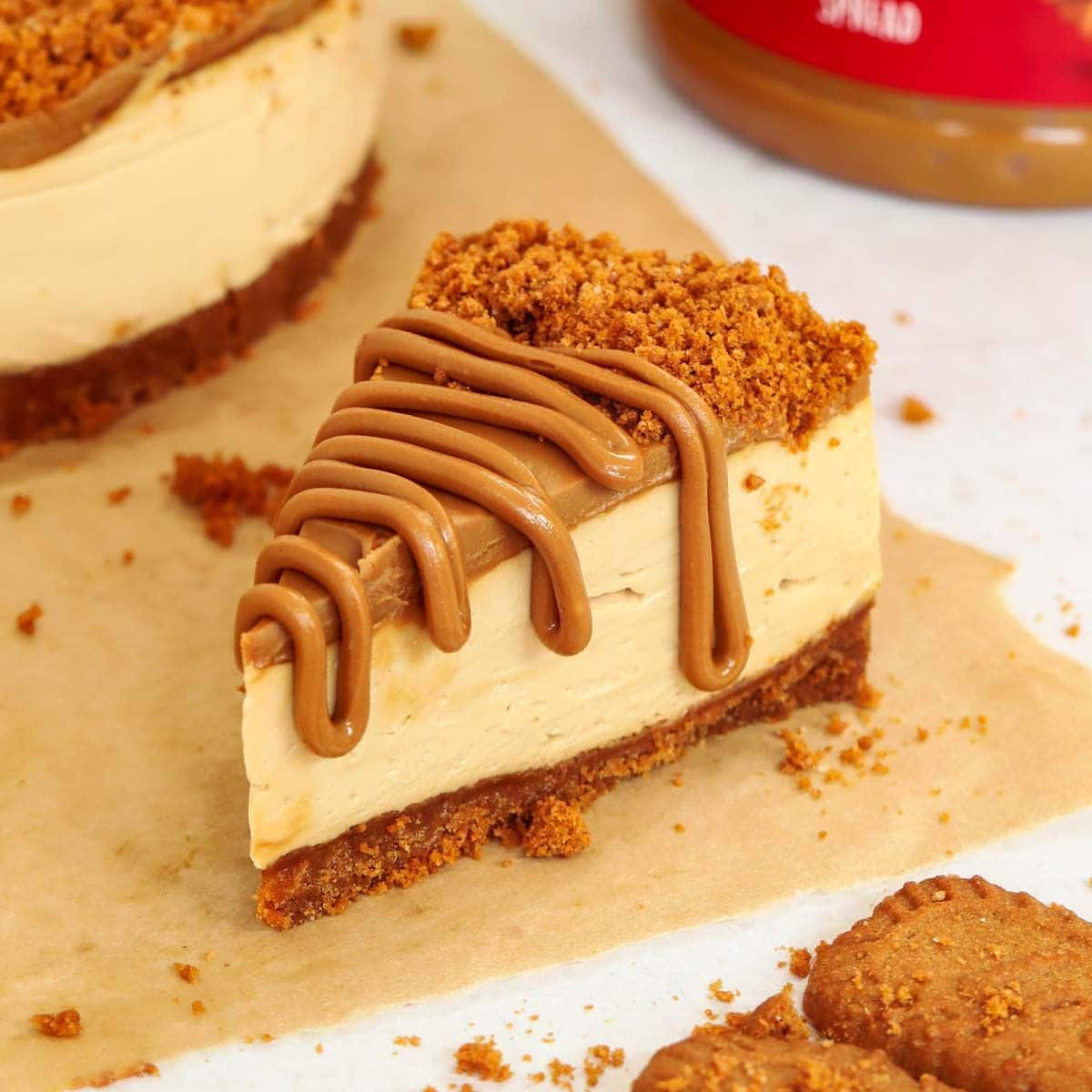
Social media feeds spent the better part of two years drowning in warm caramel hues. Driven by short-form video algorithms, TikTok viral dessert recipes promised home cooks that a showstopping no-bake cheesecake required little more than crushed biscuits, a tub of dairy, and three minutes of mixing. The obsession reached cultural ubiquity when coverage from The Guardian spotlighted hyper-enthusiastic fans professing unhinged devotion to the spiced Belgian biscuit, while an Allrecipes Report cataloged how two-ingredient sweet shortcuts rapidly took over weekday meal routines.
The honeymoon did not survive the testing kitchen. As hundreds of thousands of amateur bakers unclasped their springform rings, the visual payoff promised by digital creators dissolved into soup. What looked immaculate under ring lights collapsed on the plate, triggering a sharp critical backlash across culinary forums, mainstream consumer review programs, and home baking groups. Deconstructing the classic biscoff cheesecake recipe reveals the sharp divide between algorithm-friendly food theater and the unforgiving chemistry of dairy emulsion.
📌 Key Takeaways:
- The Viral Failure: Streamlined online hacks cut structural stabilizers like heavy whipping cream and precise setting periods, resulting in runny fillings that separate at room temperature.
- The Chemistry Fix: A stable no-bake cheesecake depends on high fat emulsion, proper aeration, and an uninterrupted 8, 12 hour chilling and set time inside an airtight springform pan.
- Flavor Balancing: Unmitigated Lotus Biscoff spread creates cloying, one-note sugar fatigue without the acid intervention of full-fat cream cheese filling and lemon juice.
How Lotus Biscoff Conquered Social Feeds and Home Pantries
The biscuit began life in 1932 in Lembeke, Belgium, as a simple coffee accompaniment known generically as speculoos. For decades, it occupied a distinct European niche: a crisp, thin biscuit spiced with cinnamon, nutmeg, and caramelized brown sugar. The decisive transformation happened in 2007, when a Belgian television inventor created a spreadable paste from crushed cookies and vegetable oils, which Lotus quickly acquired and commercialized.
By 2024, the product had achieved escape velocity on social video platforms. The rich, deeply caramelized flavor profile paired with an intensely photogenic, glossy viscosity made it catnip for mobile screens. As The Week reported during the height of the trend, the biscuit transformed from a sleepy European airline snack into a dominant internet aesthetic. Bakers realized that blitzing the biscuits provided an immediate speculoos cookie crust that required zero par-baking, while warming the jar yielded a glossy melted cookie butter drizzle that dripped down sliced edges with cinematic perfection.
The visual appeal concealed practical baking pitfalls. Commercial cookie butter contains vegetable oil, sugar, and flour. When heated, its viscosity drops rapidly; when cooled, it solidifies. Creators eager to ride trending audio tracks began stripping away essential steps to market impossible "three-ingredient" shortcuts, setting up home bakers for routine kitchen failure.
The Myth of the Shortcut: Why Two-Ingredient Video Hacks Fail
The collapse of viral dessert hacks follows a predictable trajectory. In early 2026, mainstream networks like TODAY.com and international outlets including news24.com launched investigation segments into viral two-ingredient "Japanese cheesecakes" and ultra-fast cookie-butter pies. Food editors quickly discovered that the final results were rubbery, weeping, or structurally liquefying within five minutes of service.
Cheesecake is not an assembly project. It is an emulsion. In a standard baked version, egg proteins coagulate under low heat to hold moisture in suspension. In a classic no-bake cheesecake, structural integrity relies entirely on cold fat crystallization and air trapped in whipped fat globules. When social media creators tell viewers to fold melted Lotus Biscoff spread directly into softened room-temperature cream cheese without mechanical aeration, the fat matrix fails. The added vegetable oils in the spread dilute the dairy fats, lowering the mixture's melting point.
Home testers who followed these stripped-down videos frequently reported a gritty, separated mess. Reddit baking communities documented hundreds of "Biscoff puddles," where bakers opened their springform pan only to watch the sides give way immediately. Without cold heavy whipping cream whipped to stiff peaks or the moisture-binding power of powdered sugar, the filling cannot withstand the weight of its own density.
Lab Tests and Kitchen Trials: Comparing Viral Shortcuts Against Classic Technique
To identify where the online shortcuts derail, test kitchen trials conducted across early 2026 evaluated three dominant methods: the viral "quick-fold" hack, the standard cold-set emulsion, and the traditional water-bath baked method. The results demonstrate that time saved during preparation directly correlates with structural instability.
| Recipe Architecture | Chilling / Bake Time | Structural Rigidity at 70°F | Palate & Texture Profile |
|---|---|---|---|
| Viral 2-to-3 Ingredient Hack(Cream cheese + cookie butter only) | 2, 3 hours chilling | Critical failure; collapses within 8 minutes | Dense, oily, cloying sweetness with graininess |
| Classic No-Bake Emulsion(Whipped cream + cream cheese + cookie butter) | 8, 12 hours chilling | High; clean slice edges maintain shape for 45+ minutes | Velvety, airy mousse balance; clean spiced finish |
| Traditional Baked Method(Eggs + cream cheese base, cookie butter swirl) | 60 min bake + 6 hours chill | Exceptional; solid custard matrix resists ambient heat | Dense, rich, New York-style tang with toasted notes |
Data from kitchen bench testing confirms that temperature control is non-negotiable. Shortcut recipes that mandate only 2, 3 hours of chilling fail because milk fat requires extended rest under 40°F to fully crystallize. Pulling the cake early leaves the core semi-fluid, regardless of how firm the outer perimeter appears.

Mastering the Chemistry: Whipping Cream and Chilling Mechanics
Executing a reliable no-bake biscoff cheesecake recipe requires understanding dairy physics. Full-fat brick cream cheese provides the base, but it cannot deliver structure alone. It contains roughly 55% water, meaning it needs an aerated fat network to lock moisture in place.
The mechanics demand three distinct steps:
First, whip cold heavy whipping cream containing at least 36% milk fat to medium-stiff peaks in a chilled bowl. This builds a stable foam. Second, beat the room-temperature cream cheese with powdered sugar rather than granulated sugar. The minute addition of cornstarch present in commercial powdered sugar absorbs excess free water, preventing syneresis, the weeping effect that ruins refrigerated desserts. Third, fold the whipped cream into the cream cheese filling gradually, preserving the trapped air cells.
Pan management is equally crucial. A standard 9-inch springform pan lined with parchment along the base ensures that the butter-bound speculoos cookie crust releases without sticking. Packing the crust requires firm, level pressure using the flat bottom of a drinking glass. If pressed too loosely, the crust absorbs moisture from the filling and turns to paste; if pressed too hard, it turns into an impenetrable brick that shatters the delicate filling upon slicing.
The Anatomy of Balance: Taming the Over-Sweetened Cookie Butter Profile
A culinary flaw common to viral dessert recipes is palate fatigue. Lotus Biscoff spread carries roughly 56 grams of sugar per 100 grams of product. When layered over a crushed cookie crust containing another 38 grams of sugar per 100 grams, the dessert quickly overwhelms the taste buds.
Foolproof baking techniques rely on counterweights. The cream cheese filling needs high lactic acidity to cut through the heavy vegetable oils of the spread. Adding a teaspoon of fresh lemon juice and a generous pinch of fine sea salt sharpens the caramelized flavor profile without altering the texture. The salt attenuates bitterness while suppressing cloying sweetness, highlighting the nutmeg and clove aromatics inherent to speculoos.
The final melted cookie butter drizzle must be treated with thermal care. Pouring boiling spread over a cold cheesecake melts the surface fat emulsion instantly, creating an unappealing gray slick. The cookie butter should be gently warmed to 85, 90°F, just warm enough to pour freely off a spoon, but cool enough that it sets cleanly on contact with the chilled cake.
Frequently Asked Questions (FAQ)
Q1: Why did my no-bake Biscoff cheesecake fail to set after chilling?
A1: The most common culprit is under-whipping the heavy whipping cream or shortening the chilling window. The cheesecake requires full-fat dairy (avoid tub-style cream cheese spreads, which have higher water content) and a strict minimum of 8 hours at under 40°F inside your refrigerator.
Q2: Can I substitute granulated sugar for powdered sugar in the filling?
A2: Avoid granulated sugar in no-bake fillings. Granulated crystals will not dissolve in cold dairy fat, creating a gritty texture. Powdered sugar dissolves instantly and contains trace cornstarch that helps stabilize free moisture in the cream cheese.
Q3: How do I cleanly remove the cheesecake from the springform pan?
A3: Run a thin metal offset spatula or knife under hot tap water, wipe it completely dry, and carefully trace the inner perimeter of the pan before unclamping. Release the latch slowly, keeping the base supported on a flat work surface.
The Standard for Everyday Kitchen Execution
The trajectory of Biscoff cheesecake mirrors the wider lifecycle of modern food media: an intoxicating visual promise gives way to practical frustration, followed by a return to classic pastry fundamentals. Shortcuts that eliminate aeration, fat balance, and chilling times are designed for thirty-second video consumption, not the dining room table.
Producing an exceptional dessert does not require professional training, but it does require respect for physical chemistry. When paired with genuine whipped dairy, balanced acidity, and sufficient patience, Lotus Biscoff delivers on its promise, a rich, aromatic dessert that holds its shape long after the cameras are turned off.


