From Whole Spices to Liquid Gold: Visual Step-by-Step Homemade Chai Concentrate Recipe

Commercial grocery aisles are lined with aseptic cartons of liquid chai that promise an authentic coffee shop copycat experience, yet they routinely fall flat. Most pre-packaged options rely heavily on cane sugar syrups, artificial flavor distillates, and watered-down tea bases that taste cloying rather than robustly spiced. Culinary creators have documented the stark difference between store-bought options and scratch-made alternatives; as highlighted in a practical demonstration via the YouTube (Ethan Rode) Report, brewing an artisanal base requires little more than pantry staples and thirty minutes over a low flame.
When food lovers replicate artisanal cafe beverages at home, they frequently discover that commercial producers skip the single most critical step in beverage chemistry: thermal spice activation. By toasting whole aromatics before boiling, you coax fat-soluble essential oils to the surface, transforming simple water into a deeply layered botanical infusion.
📌 Key Takeaways:
- The Botanical Edge: Dry-toasting whole spices for two minutes activates volatile essential oils, unlocking pungent terpene profiles that standard boiling leaves dormant.
- Extraction Order: Simmering hardy aromatics first and adding tannic black tea leaves off the heat completely prevents the harsh, astringent bite common in mass-market cartons.
- Economic Value: Crafting a 32-ounce batch at home costs roughly $2.40, slashing the per-serving price by 70% compared to leading grocery brand concentrates.
The Thermal Chemistry of Whole Botanical Spices
Extracting maximum flavor from masala chai spices requires an understanding of how volatile compounds react to heat. Dropping raw aromatics directly into boiling water fails to crack their defensive cellular walls. A gentle dry toast in a heavy stainless-steel skillet breaks open the lipid structures holding compounds like eugenol, cinnamaldehyde, and cineole.
Begin with raw green cardamom pods, split open slightly with the flat side of a knife to expose the dark inner seeds. Combine these with whole cinnamon sticks broken into shards, whole cloves, and crushed black peppercorns. Toast the mixture over medium-low heat for roughly 90 to 120 seconds, swirling constantly. The moment the spices release a warm, nutty fragrance, remove the pan from the burner. That specific aromatic bloom signals that the oils have liquefied without scorching. Overheating will char the delicate cardamom hulls, imparting an acrid bitterness that no amount of sugar can mask.
Selecting the Foundation: Assam Tea and Fresh Ginger
A spice blend without a robust black tea foundation collapses into spiced water. To support the punch of cloves and pepper, you need a high-tannin, malt-forward tea. Single-origin Assam tea, particularly the Crush, Tear, Curl (CTC) granular grade, provides the requisite structural backbone. Orthodox loose-leaf black tea leaves work as well, but fine CTC granules provide a rapid, dense infusion that cuts cleanly through whole milk or heavy oat bases.
Fresh ginger root operates on an entirely different plane than dried ginger powder. Dried ginger contains shogaols, which yield a dry, throat-scratching sting. Fresh rhizomes provide gingerol, which brings a zesty, juicy fire to the palate. Slice unpeeled fresh ginger into quarter-inch discs and lightly crush them with a pestle to maximize surface exposure. This release of raw juice integrates directly with the toasting aromatics, balancing the rounded sweetness of cinnamon with an assertive, peppery heat.
The Two-Stage Stovetop Extraction Method
Professional tea makers never boil tea leaves alongside raw spices. Bitter catechins leach out of black tea when boiled aggressively, resulting in an unpalatable astringency. The solution is a disciplined, two-stage extraction process:
First, transfer your toasted spices and crushed fresh ginger into a medium saucepan filled with four cups of filtered water. Bring the mixture to a rolling boil, then drop the heat to low, cover the pan, and simmer gently for 20 minutes. This extended decoction extracts the woodier, oil-dense compounds from the cinnamon bark, cloves, and peppercorns.
Second, pull the pot off the heat completely. Stir in a half cup of brown sugar simple syrup or raw turbinado sugar, then add your Assam tea leaves. Cover the pot and let the tea steep undisturbed in the cooling, spiced liquid for no more than five to seven minutes. Strain the liquid immediately through a fine-mesh sieve lined with cheesecloth into a heat-safe glass pitcher. Pressing the solids gently with the back of a spoon will express remaining liquids without squeezing bitter polyphenols into your concentrate.
Comparing Homemade Concentrate Against Commercial Cartons
The divide between small-batch stovetop chai and industrial shelf-stable options becomes stark when evaluating ingredients, sweetness levels, and cost metrics:
| Evaluation Metric | Stovetop Concentrate (DIY) | Leading Supermarket Carton |
|---|---|---|
| Base Ingredients | Whole botanicals, fresh ginger root, Assam CTC | Tea extract, natural flavorings, citric acid, water |
| Sugar per 8 oz Latte | 8g, 12g (fully adjustable) | 28g, 34g (non-adjustable) |
| Batch Cost (32 oz) | $2.10, $2.60 | $5.80, $7.40 |
| Flavor Profile | Assertive ginger zing, cracked pepper, warm floral notes | Flat sweetness, dominant cinnamon oil, acidic finish |
The commercial product relies heavily on acidity regulators like citric acid to survive months in ambient storage. This introduces an unnatural tang that clashes sharply with steamed milk. Cooking from whole spices bypasses synthetic additives while allowing complete autonomy over the sweetness curve.
Balancing the Chai Latte Milk Ratio and Texture
A concentrated base is only as good as how you dilute it. The standard chai latte milk ratio that yields coffee-shop body without washing out spice notes is precisely 1:1.
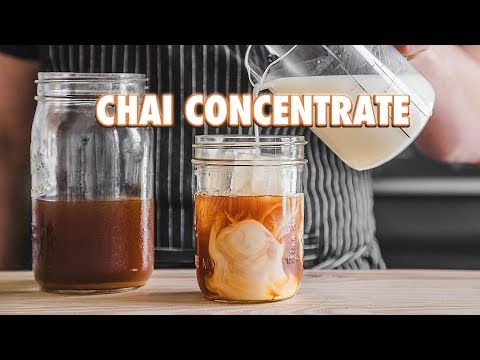
If you favor an iced drink, fill a tall glass with ice cubes, pour in four ounces of chilled concentrate, and top with four ounces of cold whole milk or barista-edition oat milk. The emulsified fats in high-grade oat alternatives suspend the hydrophobic spice oils, enhancing mouthfeel without muting the cardamom.
For hot preparations, steam the milk to 140°F (60°C) before combining. Overheating milk past 150°F scalds dairy proteins, releasing sulfurous notes that compete with your delicate aromatics. If you prefer an extra punch of richness, swapping standard white cane sugar for a dark brown sugar simple syrup during the decoction stage brings deep molasses notes that anchor the drink's back-palate warmth.
Preservation Guidelines and Storage Parameters
Because this fresh concentrate lacks industrial chemical preservatives, your refrigerator shelf life spans 14 to 21 days when stored in an airtight, sterilized glass container. Use a mason jar or swing-top flip bottle washed in high-heat cycles.
Avoid opening the jar repeatedly to warm ambient air, as condensation invites premature spoilage. If you brew a double or triple batch, freeze half of the strained liquid in silicone large-format ice trays. Each frozen cube holds roughly two fluid ounces of concentrate. When a craving hits, melt two cubes directly in a small milk pan over low heat, whisk in an equal volume of milk, and enjoy a fresh cup without repeating the extraction process from scratch.
Frequently Asked Questions (FAQ)
Q1: Can ground spices replace whole spices in this recipe?
A1: Ground spices create a muddy, gritty suspension that passes right through mesh strainers and burns quickly during the simmering phase. Whole botanicals are essential for clean, bright extraction and transparent, cafe-grade syrup clarity.
Q2: Why does my concentrate taste bitter instead of warm and spicy?
A2: Bitterness typically stems from two mistakes: toasting the whole spices until blackened, or boiling the black tea leaves rather than letting them steep off the heat. Simmer the whole spices alone first, pull the pot off the burner, and steep the tea for just five minutes.
Q3: How do I create a completely sugar-free version?
A3: Prepare the decoction and steep the tea without adding sweeteners. Once strained and chilled, sweeten individual servings using liquid monk fruit, pure stevia, or allulose simple syrup, which blend smoothly without graininess.
The Lasting Appeal of Slow Kitchen Rituals
The rise of home-brewed chai reflects a wider pushback against convenience foods engineered purely for packaging longevity. Industrial cartons standardize taste by minimizing complexity, trading aromatic cardamom and fresh ginger fire for shelf-stable sugars. Taking thirty minutes on a weekend to crack pods, roast spices, and steep bold Assam tea delivers a sensory experience commercial packaging simply cannot replicate. The resulting jar in your refrigerator offers everyday luxury: honest ingredients, vibrant heat, and complete control over every morning cup.


