Hot Jimothy Summer: How a Plump Seattle Raccoon Conquered Social Media in 2026
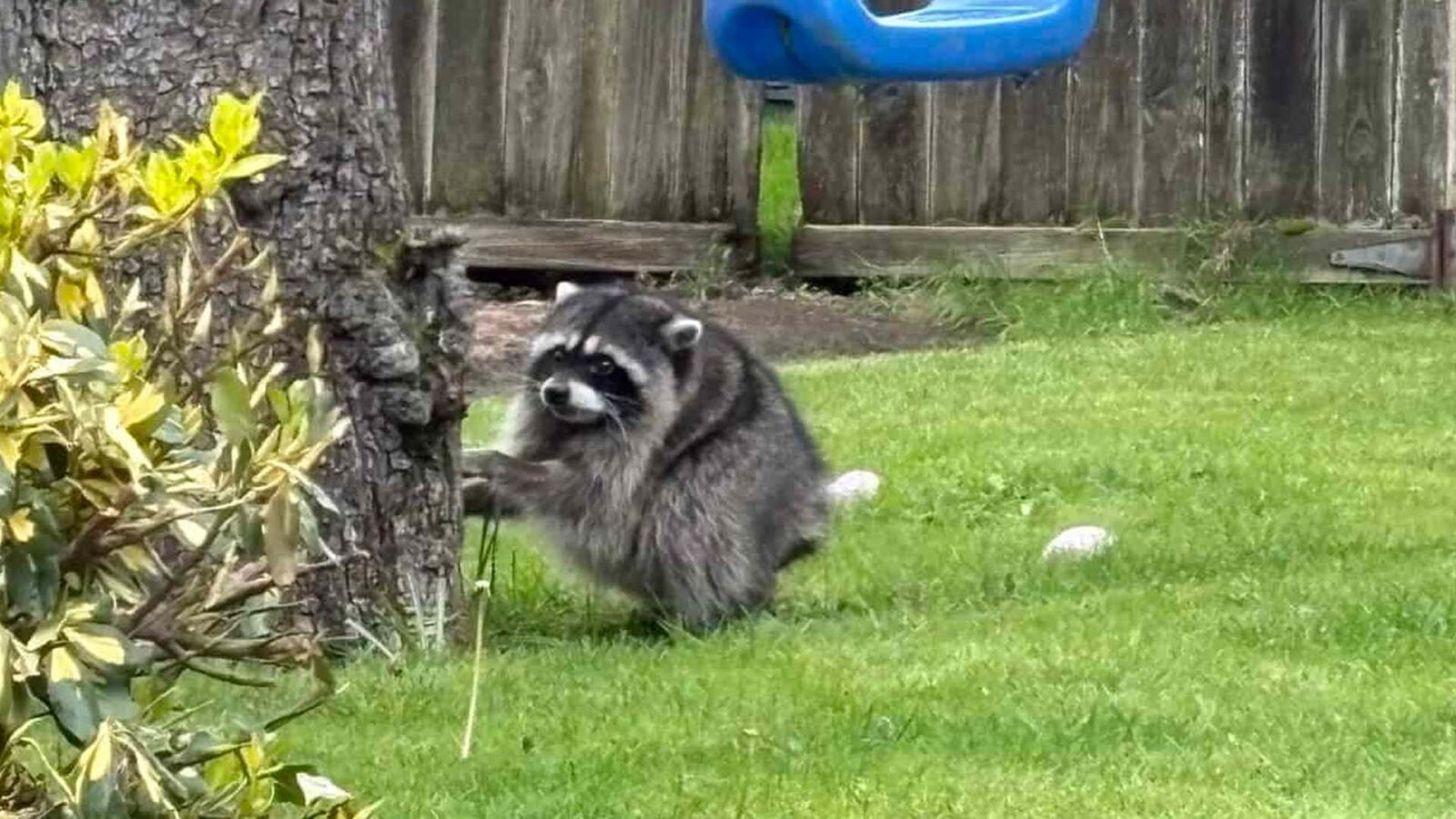
When fuzzy backyard snapshots of a remarkably spherical raccoon began surfacing across social feeds in early July 2026, local neighborhood forums pegged it as an amusing suburban oddity. Within weeks, the creature, affectionately christened Jimothy, ballooned into a Pacific Northwest cultural phenomenon. The tipping point arrived when a longtime homeowner in North Seattle uncovered archival camera footage documenting Jimothy as a baby kit, revealing that the animal's signature bowling-ball proportions and calm, curious demeanor were present from his earliest days stumbling through cedar woodpiles. That revelation turned a local sight into an international obsession, propelling backyard snapshots into national features across The Seattle Times, The New York Times, and a landmark mynorthwest.com Report.
The craze, quickly dubbed "Hot Jimothy Summer," highlights a broader collision between urban wildlife, community humor, and algorithmic fandom. Seattle residents who once worried about knocked-over compost bins began actively checking security cameras hoping to catch Jimothy waddling past their deck steps. What began as low-resolution ring-camera clips transformed into stadium tributes, viral fan art, and serious municipal discussions about backyard wildlife management in the Pacific Northwest.
📌 Key Takeaways:
- The Origin Record: Newly unearthed video clips of Jimothy as a baby kit confirm his distinct pear-shaped profile dates back to his earliest foraging months in 2024, 2025.
- Mainstream Cultural Traction: The viral trajectory moved from Reddit neighborhood threads directly into national coverage, culminating in official promotions with Major League Baseball and local art institutions.
- Wildlife Realities: Biologists stress that while Jimothy's rotund build captured internet affection, urban raccoons face distinct metabolic risks when sustained by human trash and intentional feeding.
Unearthing the Kit: The Discovery of Jimothy as a Baby
The public fell in love with Jimothy as a full-grown, strikingly portly mammal. Yet the internet's obsession intensified when local resident Sarah Lindqvist posted digital camera reels from June 2024. Lindqvist had captured trail camera footage behind her garden shed in Seattle's Ballard neighborhood, documenting a nursing mother raccoon alongside three kits. One of those kits stood out immediately. While his siblings were sleek, hyperactive, and skittish, the smallest kit exhibited an unnervingly round midsection and moved with an unbothered, deliberate waddle.
Side-by-side photo comparisons verified unique tail-banding patterns and a slight left-ear notch, confirming that the baby kit was indeed an infant Jimothy. The archival clips showed the young animal attempting to climb a low-hanging rhododendron branch, tumbling softly onto a moss bed, and pausing to inspect a discarded tennis ball. Overnight, queries for baby pictures of Jimothy flooded platforms like TikTok and Instagram, spawning millions of video remixes set to retro synth tracks.
The discovery provided an origin story rarely documented in wild urban animals. Most viral pets arrive on feeds as domesticated cats or dogs with clear adoption records. Jimothy provided an authentic, unstaged window into wildlife development within a dense metropolitan ecosystem, demonstrating how a creature adapted to human suburban architecture right from his formative weeks.
How a Round Seattle Raccoon Sparked Hot Jimothy Summer
By mid-summer, the moniker "Hot Jimothy Summer" was inescapable across western Washington. The phrase originated on community message boards before migrating onto street flyers, brewery chalkboards, and indie apparel designs. Outlets like The Independent and Mashable traced how local yard sightings evolved into shared daily checkpoints for city residents navigating high-stress news cycles.
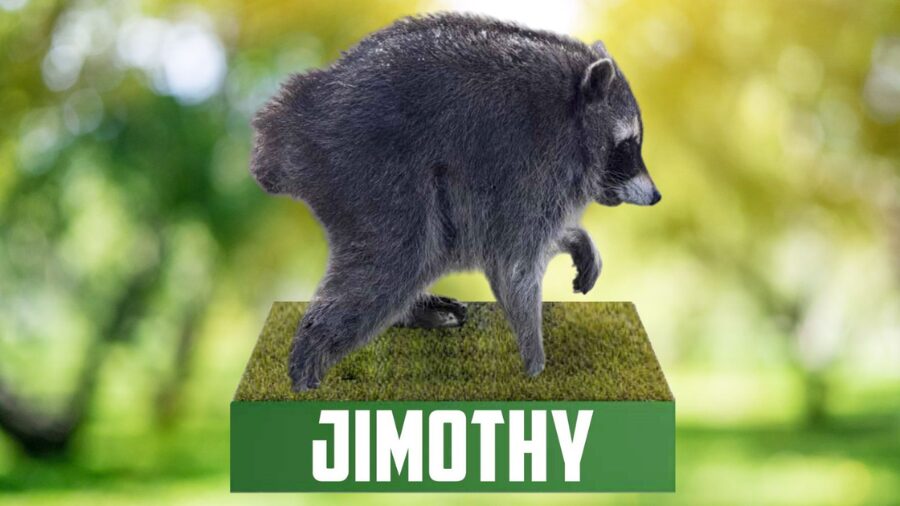
Residents across Greenwood, Phinney Ridge, and Ballard began mapping confirmed sightings. Unlike standard urban raccoons (Procyon lotor) that scramble into storm drains at the first sound of foot traffic, Jimothy developed an unflappable rhythm. He would perch atop cedar fences during golden hour, gaze down at passing dog walkers, and slowly groom his forepaws. His sheer girth led some online commenters to joke that he was a "mutant raccoon," but local naturalists quickly clarified that ample access to residential compost buckets, fallen backyard apples, and outdoor cat dishes had simply built him an enviable caloric reserve.
The visual contrast between typical wildlife photography and these unpolished yard photos struck an algorithmic nerve. Jimothy was relatable. He was heavy, unhurried, and completely unconcerned with human hustle. In an internet ecosystem exhausted by curated luxury aesthetics, a tubby North Seattle mammal resting his stomach on a deck railing became the ultimate anti-stress mascot.
Tracing the Rise: From Seattle Yards to National Headlines
Jimothy did not achieve household recognition overnight. His ascent followed distinct phases, moving from localized suburban group chats to major league sporting events and fine art spaces.
| Timeframe | Milestone Event | Cultural & Community Impact |
|---|---|---|
| June 2024, May 2025 | Infancy & Early Yard Sightings | Archived as trail-camera clips of a clumsy baby kit in Ballard; shared only on private family accounts. |
| Early July 2026 | Viral Reddit Post & Naming | Clear photos of an adult, exceptionally round raccoon circulate on r/Seattle; moniker "Jimothy" takes root. |
| July 18, 23, 2026 | Baby Footage Discovery & Press Surge | Archival kit videos verify origin; covered by The Guardian, Mashable, and The Independent. |
| August 5, 6, 2026 | Institutional Tributes & Public Art | Seattle Mariners host dedicated tribute night at T-Mobile Park; community art contest draws hundreds of entries. |
The progression reflects how modern regional stories scale. A compelling character, verified photo trails, and an enthusiastic regional subculture can bypass traditional media gatekeepers entirely before forcing national outlets to cover the phenomenon.
Ballparks and Galleries: The Seattle Mariners Tribute and Art Contest
By August 2026, the movement spilled out of the digital sphere and into physical Seattle landmarks. On August 5, 2026, the Seattle Mariners hosted a dedicated "Hot Jimothy Summer" theme night during their home stand at T-Mobile Park. The team unveiled custom scoreboard graphics, played stadium audio of raccoon chitters, and sold commemorative merchandise featuring Jimothy wearing a backwards navy cap. Portions of concession proceeds were directed toward regional wildlife rehabilitation centers, proving that meme culture could produce tangible public funding.
Simultaneously, local community organizations and creative collectives launched the official Jimothy Art Contest, highlighted by culture outlets like My Modern Met. The competition pulled in over 400 original submissions across water color, oil painting, stained glass, and digital sculpture. Winning entries included an oil rendering of Jimothy re-imagined as an Elizabethan monarch draped in velvet, alongside a minimalist ink portrait of Jimothy as a baby kit clinging to a garden sprinkler.
These activations demonstrated how deeply the city embraced the animal. In a tech-heavy region often criticized for rapid corporate changes and shifting neighborhood identities, a common backyard visitor served as an unpretentious social bridge across diverse demographics.
Urban Wildlife Ecology: Why Pacific Northwest Raccoons Thrive
Behind the lighthearted memes lies a serious biological reality. Pacific Northwest raccoons are exceptionally adaptable omnivores, thriving across maritime climates that supply abundant natural forage alongside rich human-generated food supplies. Urban forestry programs throughout Seattle create continuous green corridors, allowing nocturnal mammals to travel miles across residential backyards without crossing major arterial highways.
Urban wildlife biologists from the University of Washington noted during the height of the summer hype that while Jimothy appeared healthy in photographic documentation, his size highlighted human-induced dietary shifts. Raccoons in natural temperate rainforests average between 12 to 20 pounds. In food-dense metropolitan corridors with locked-down predator populations, adult males can push past 30 pounds.
The city's mandatory curbside compost bins, while environmentally progressive, act as high-protein buffets when lids are left unsecured. Fallen plums, uncovered birdseed feeders, and outdoor pet stations supply steady carbohydrates. Jimothy's rotund frame is less of a genetic mystery and more of a visual reflection of how effectively wild scavengers capitalize on modern urban infrastructure.
Backyard Coexistence and the Ethics of Wild Animal Celebrity
The viral explosion surrounding Jimothy brought unavoidable challenges regarding responsible human behavior. When an individual wild animal attains celebrity status, the risk of human interference climbs exponentially. Seattle Parks and Recreation, along with the Washington Department of Fish and Wildlife, issued joint public reminders urging residents not to pursue, feed, or corner the raccoon for social media clips.
Wild animals that lose their natural wariness around humans frequently face tragic outcomes. Habituation often leads to aggressive foraging, structural damage to homes, and eventual euthanasia by wildlife control operators. Local community groups played a crucial role in self-policing, establishing strict forum rules that forbade posting real-time GPS locations of Jimothy sightings. Fans were encouraged to share photos only after the animal had naturally moved along, preserving his safety while maintaining the community's enjoyment.
The consensus among wildlife specialists remains unambiguous: appreciate from a distance, secure trash containers, and resist the temptation to domesticate wild kits. Jimothy's appeal works precisely because he remains entirely wild, navigating city streets on his own terms rather than functioning as an indoor pet.
Frequently Asked Questions (FAQ)
Q1: Are the baby pictures of Jimothy confirmed to be authentic?
A1: Yes. Trail camera footage recorded in June 2024 in North Seattle was verified by matching specific facial markings, tail-ring spacing, and a notched left ear against high-resolution adult photos captured during July 2026.
Q2: Is Jimothy dangerously overweight for a wild raccoon?
A2: While visibly heavier than average forest raccoons, local wildlife professionals note he displays full mobility, alert reflexes, and clean fur, indicating robust health. However, wildlife authorities continuously advise residents against intentional feeding to prevent metabolic complications.
Q3: Did the Seattle Mariners officially partner with the raccoon's owners?
A3: Jimothy is an undomesticated wild raccoon with no legal owner. The Mariners' August 2026 tribute night was an independent civic celebration, with proceeds supporting regional wildlife rehabilitation initiatives rather than private individuals.
Q4: What should Seattle residents do if they spot Jimothy in their yard?
A4: Observe quietly from inside or keep a respectful distance of at least 20 feet. Do not offer food, keep domestic pets inside, and avoid publishing real-time geographic coordinates online to protect the animal from crowds.
The Lasting Footprint of Seattle's Favorite Ring-Tailed Icon
The summer of 2026 proved that community solidarity can emerge from the most unexpected corners of suburban ecology. Jimothy's journey from an awkward baby kit stumbling over garden beds to a ballpark-honored folk hero captures the whimsical side of contemporary city life. His narrative united neighbors across community fences, inspired hundreds of artists, and directed critical funding toward wildlife preservation networks.
As autumn rains return to the Pacific Northwest and the raccoon population prepares for cooler foraging conditions, Jimothy's presence remains a staple of neighborhood lore. He stands as a reminder of the wild lives unfolding quietly beneath porch steps and behind garden fences, thriving quietly alongside the modern city.