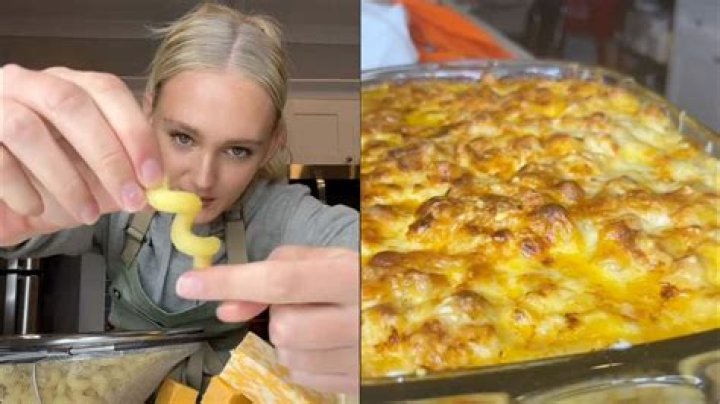
How Cottage Cheese Pasta Sauce Conquered TikTok, The New York Times, and Family Kitchens

For four decades, cottage cheese occupied a lonely, beige corner of the American refrigerator. It sat alongside canned peaches on vintage weight-loss platters, saddled with a reputation for watery whey and lumpy curds. That cultural stigma evaporated almost overnight. Driven by culinary creators and documented by local reporting, home cooks across the country began buying tubs in bulk for an unexpected purpose: pureeing them into velvety, savory pasta sauces. As highlighted in a recent Kansas City Star Report, even vocal critics who detest the curd texture are now relying on it as a stealth base for skillet dinners.
The transformation reflects a shift in modern cooking priorities. With food budgets pinched by years of grocery inflation and consumers tracking macronutrients closer than ever, the demand for affordable, protein-packed comfort food hit record levels. What began as an algorithmically boosted TikTok viral food trend graduated into features across The New York Times and food magazines, establishing blended cottage cheese as a dominant culinary staple.
📌 Key Takeaways:
- Nutritional Density: Pureed cottage cheese yields roughly 25 to 28 grams of protein per cup, cutting traditional cream sauce calories by nearly 60%.
- Mechanical Physics: High-shear blending unravels curdled milk proteins, producing a smooth sauce consistency without heavy roux or cornstarch stabilizers.
- Economic Efficiency: A four-portion pasta bake anchored by grocery-brand curds costs under $2.50 per serving, beating out jarred premium marinara or imported heavy cream.
From Diet Plate Relic to Digital Sensation
Cottage cheese hit its original peak in 1972, when the average American consumed roughly 5.4 pounds per year. By 2019, that figure dropped by more than half. Greek yogurt had captured the breakfast market, leaving cottage cheese stranded in nutritional purgatory. The product had an image problem: visible curds triggered visceral texture aversions for millions of younger shoppers.
Social media dismantled that barrier through mechanical intervention. In late 2023, fitness creators discovered that running whole-milk curds through a countertop blender broke down casein clusters, creating a neutral dairy base with the mouthfeel of sour cream or soft mascarpone. Clips tagged with high-protein pasta hack generated hundreds of millions of views. Instead of choking down curds plain, users whipped them with roasted garlic, cracked black pepper, and pasta water to engineer a creamy Alfredo alternative that met strict athletic nutrition targets.
The movement gathered momentum throughout 2024 and 2025 as mainstream culinary institutions validated the technique. Food writers who previously dismissed social media cooking hacks realized that blended curds solve a fundamental home-kitchen dilemma: how to create rich, glossy pasta sauces on a Tuesday night without stocking expensive heavy cream or spending an hour making a butter-heavy béchamel.
The Emulsion Science: Why Blended Curds Mimic Heavy Cream
The culinary magic relies on dairy chemistry. Traditional cream sauces like Alfredo derive their velvety body from milk fat suspended in water. Heavy whipping cream contains at least 36% fat, which coats the tongue and carries fat-soluble aromatic compounds from garlic and cheese. While delicious, heavy cream breaks down quickly under reheating and offers minimal protein per serving.
Cottage cheese operates on protein suspension rather than fat alone. The curd consists largely of casein micelles that form loose gelatinous networks during acid coagulation. When subjected to the sharp blades of a food processor, these aggregates shear apart into microscopic spheres. The resulting liquid achieves an emulsion viscosity close to heavy cream while retaining just 2% to 4% fat.
The trick lies in thermal management. Casein proteins tighten and squeeze out water when exposed to direct, aggressive heat, a process called syneresis. Amateur cooks who pour cold blended dairy directly into a boiling skillet often find their sauce separating into watery liquid and grainy grit. Professional recipe developers manage this by tempering the mixture with reserved, starchy pasta water and stirring it in off direct flame, preserving the suspension.
Sauce Base Comparison: Nutrition and Household Costs
Comparing mainstream pasta sauces highlights why households are reallocating weekly grocery dollars toward high-protein dairy bases. The table below compares standard four-serving sauce preparations based on 2025, 2026 average retail pricing and standard nutritional databases.
| Sauce Base Style | Protein Per Serving | Fat Per Serving | Average Base Cost (4 Servings) |
|---|---|---|---|
| Blended Cottage Cheese (4% Milkfat) | 14g | 5g | $2.29, $2.89 |
| Traditional Heavy Cream Alfredo | 4g | 38g | $4.50, $5.50 |
| Soaked Raw Cashew Puree | 6g | 18g | $4.80, $6.20 |
| Standard Jarred Marinara | 2g | 3g | $2.50, $4.00 |
Technique and Flavor: Avoiding the Common Pitfalls
Mastering cottage cheese sauces requires ditching old assumptions about dairy. Small adjustments in equipment and heat control make the difference between a silk-smooth emulsion and a curdled mess.
Immersion blender techniques provide the best control for weeknight execution. Using a wide-bottom jar or blending cup, pulverize 16 ounces of curds for at least 45 to 60 seconds until no visible granulations remain. Adding a splash of warm broth or starchy water during blending prevents the blade from seizing on denser dairy solids.
Flavor balance requires deliberate seasoning. Pureed cottage cheese carries a slight lactic acidity and a subtle saltiness. To transform it into a credible marinara sauce substitute or pink vodka-style sauce, blend it directly with crushed San Marzano tomatoes, tomato paste, and extra virgin olive oil. When crafting white sauces, lean heavily on savory additions: fresh cracked pepper, nutritional yeast, finely grated Parmigiano-Reggiano, and a balanced garlic and herb seasoning blend containing dried oregano, thyme, and onion powder.
Never bring the assembled dish to a hard rolling boil. Turn off the stovetop burner entirely before folding the pureed sauce into freshly cooked, drained pasta. The residual heat from the starch warms the sauce gently without exceeding the 180°F (82°C) threshold where casein proteins aggressively constrict.
The Family Kitchen Workhorse: Low-Cost Baked Skillets
The most lasting commercial impact of this trend is happening in weeknight home cooking. While fitness influencers initially marketed it as a strict macro-friendly dinner, working parents adopted the method as an anchor for budget-friendly family meals. Publications like Simply Recipes spotlighted simplified preparations, including an effortless 5-ingredient pasta bake that relies on blended dairy rather than expensive blocks of specialty melting cheese.
In baked applications, the blended dairy behaves much like ricotta, but with superior moisture retention and twice the protein density. Layered with ziti, tomato sauce, spinach, and a modest dusting of mozzarella on top, the pureed cheese creates a creamy internal structure that keeps the pasta moist without turning greasy.
The economic logic is hard to beat. A standard 24-ounce container of private-label whole milk cottage cheese regularly retails between $2.20 and $2.80 at major supermarket chains. Ricotta of comparable volume costs roughly $4.50, while heavy cream runs higher still. For families looking to stretch their food budgets without sacrificing comfort, the substitution delivers an undeniable financial edge.
Who Should Adopt This Technique (and Who Should Avoid It)
Every culinary shortcut comes with tradeoffs. Understanding where blended curds succeed and where they fail prevents disappointing dinner outcomes.
This technique is well suited for:
- Active individuals tracking macros: Adding 25+ grams of protein directly into a pasta plate eliminates the need to prepare a separate side of chicken breast or ground beef.
- Parents of selective eaters: Children sensitive to visual curds or distinct dairy textures cannot detect the ingredient once blended smoothly into marinara or mac-and-cheese sauce.
- Budget-conscious meal preppers: Blended sauces hold their emulsion during refrigeration far better than butter-and-flour roux mixtures, which often turn rubbery when chilled.
This technique is not recommended for:
- Lactose-intolerant diners: Unless purchasing certified lactose-free varieties, cottage cheese contains between 3 to 6 grams of lactose per cup, which can cause digestive issues.
- High-heat skillet frying: Recipes requiring continuous, high-temperature pan reductions should avoid this base, as prolonged boiling causes water separation.
- Culinary purists: A blended dairy reduction will never mimic the deep, nutty, slow-caramelized profiles of classical Italian pan sauces like authentic carbonara or cacio e pepe.
Frequently Asked Questions (FAQ)
Q1: Does the blended sauce taste like sour cottage cheese?
A1: When blended smooth and seasoned with garlic, salt, herbs, and Parmesan, the tart flavor profile softens significantly. Whole-milk (4% milkfat) varieties taste much richer and milder than non-fat versions, delivering a profile very close to whole-milk ricotta or light cream sauce.
Q2: Can cottage cheese pasta sauce be reheated without separating?
A2: Yes, provided it is reheated gently. Microwave in 30-second intervals at 50% power, stirring between cycles with a tablespoon of water or milk. Reheating at maximum power will cause the protein emulsion to break and weep liquid.
Q3: Should I buy small-curd or large-curd cottage cheese for blending?
A3: Small-curd, whole-milk cottage cheese blends down the fastest and yields the most uniform consistency. Large curds require an extra 30 to 45 seconds in standard blenders to eliminate residual texture.
The Permanent Repositioning of Dairy Aisles in 2026
The cottage cheese boom has outlasted typical short-lived viral food fads. Rather than fading away like baked feta or butter boards, pureed curds have earned a steady place in everyday cooking because they solve real, persistent problems: inflation, time constraints, and protein goals.
Supermarket dairy producers have taken notice. Major brands now distribute pre-blended, flavored culinary dairy tubs intended directly for sauces, marinades, and savory baking. By removing the prep step and the curd texture altogether, food companies are turning a social media curiosity into a lasting grocery staple. Cottage cheese is no longer a retro diet compromise; it has become one of the most reliable and resourceful tools in the modern kitchen.