Inside Embreigh Courtlyn's Viral TikTok Fashion Line: Exclusive Looks and What Sold Out at Target
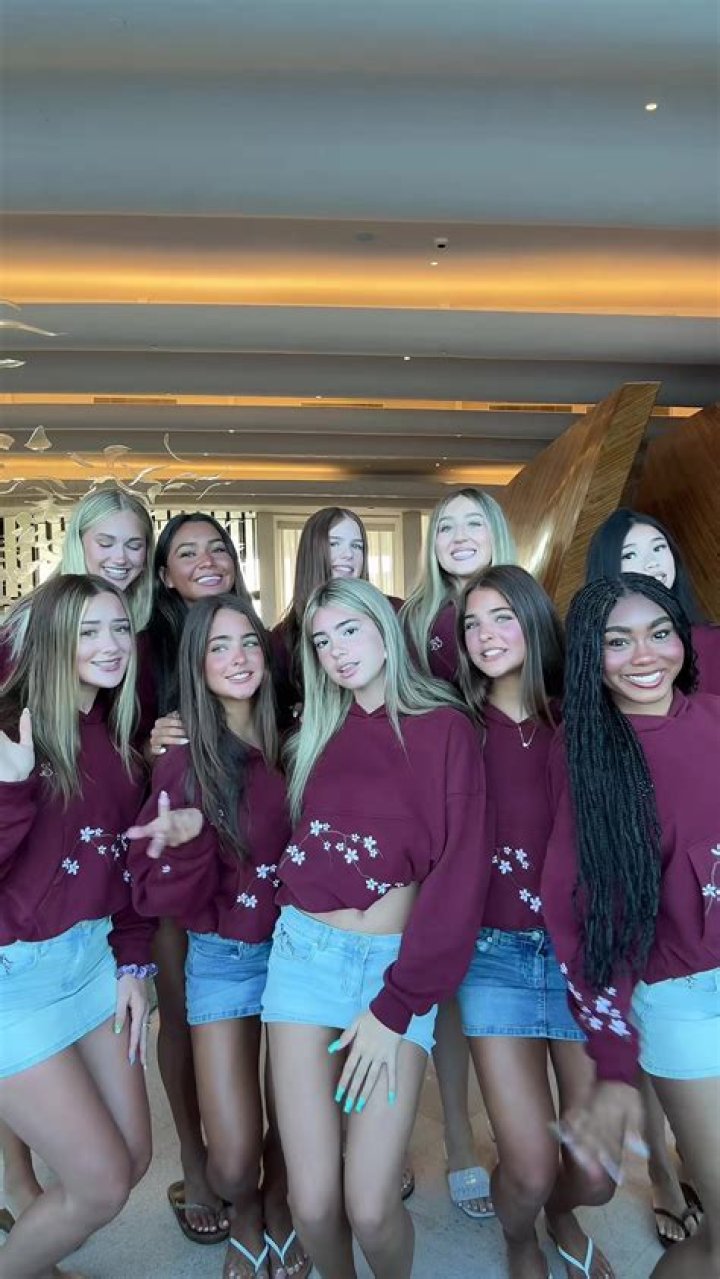
When Target doors opened across the country on June 22, racks designated for "The Embreigh Edit" emptied in less than two hours. Outside suburban locations from Dallas to Minneapolis, teenagers waited in lines that snaked along concrete sidewalks, clutching smartphones with open TikTok feeds. At 16, lifestyle content creator Embreigh Courtlyn achieved what decades-old retail consultancies often fail to deliver: real-time foot traffic and immediate inventory clearance. According to a glossy.co Report, the teen entrepreneur leveraged her close-knit circle of creator friends to power a debut that pulled in $2.2 million in opening-week sales.
The launch marks a structural shift in how big-box retailers approach Gen Z influencer marketing. Target did not recruit a Hollywood stylist or build a polished television campaign around Courtlyn. Instead, the retail giant handed design input and promotional autonomy to an adolescent creator whose daily get-ready-with-me videos command millions of impressions. The result was a chaotic, lucrative collision between algorithmic social media virality and physical retail shelf space.
📌 Key Takeaways:
- The Commercial Impact: Embreigh Courtlyn's limited-edition capsule collection generated $2.2 million within its initial retail rollout across Target stores and digital channels.
- The Viral Engine: Organic video styling tips, friend-group try-on hauls, and unvarnished fitting-room diaries bypassed traditional advertising to fuel nationwide sell-outs.
- The Inventory Reality: Signature knit lounge sets and wide-leg denim sold out online in under 45 minutes, exposing production bottlenecks alongside immense consumer appetite.
From Suburban Vlogs to National Retail Shelves
Courtlyn's rise followed a pattern familiar to anyone monitoring social media algorithms over the last two years. She did not emerge through agency casting or high-profile brand ambassadors. Her audience formed around short-form clips recorded in high school parking lots, chaotic bedroom organization streams, and thrift flips with classmates. Her content felt casual, unedited, and radically accessible.
Retail scouts noticed the pattern when her outfit recommendation videos began clearing inventory of generic items from standard fast-fashion racks. When Courtlyn linked a basic crewneck or cargo skirt, online stock vanished within an afternoon. Target moved quickly to formalize that organic pull, pitching Courtlyn on an apparel capsule aimed directly at her teenage demographic.
The agreement, struck in early 2026, gave Courtlyn input into color palettes, cut silhouettes, and fabric choices. It was a calculated risk for the retailer. Teenage creators frequently struggle with product development schedules and manufacturing timelines that require commitments six to nine months ahead of delivery. Yet Courtlyn brought an intuitive grasp of micro-trends that corporate trend-forecasting teams consistently miss.
Inside The Embreigh Edit: Pieces That Sparked the Frenzy
The 28-piece collection focused on elevated basics designed for layering, casual school wear, and weekend socializing. Courtlyn prioritized neutral palettes punctuated by muted matcha greens, washed espresso, and soft butter yellows. Prices ranged between $14 and $48, positioning the apparel within reasonable reach for high schoolers shopping with allowances or part-time wages.
Three specific designs drove the bulk of the initial online rush:
- The Coastal Ribbed Set: A two-piece knit lounge ensemble priced at $34 that sold out online in 22 minutes.
- Pleated Relaxed Trouser: Cut with a slouchy, high-waist profile designed to sit flat over platform sneakers, retailing at $38.
- The Boxy Heavyweight Tee: A thick cotton basic featuring dropped shoulders and subtle embroidery, which became the top-reposted piece across user try-on clips.
Behind the scenes, the styling emphasized versatility. Courtlyn released dozens of fifteen-second tutorials illustrating how to style a single pair of utility shorts three different ways. The approach treated each garment as an interchangeable asset rather than a standalone runway item, catering directly to budget-conscious teen consumers seeking utility alongside style.
The Retail Run: Launch Velocity and Inventory Breakdown
The speed of the sell-out highlighted the power of peer-to-peer digital distribution, but it also exposed supply chain friction. Online shoppers flooded the Target app at 3:00 a.m. Eastern Time, prompting intermittent checkout errors and early stock-depletion notifications.
| Collection Category | Price Spectrum | Time to Online Sell-Out | Physical Store Retention |
|---|---|---|---|
| Lounge & Knit Sets | $28, $44 | Under 30 minutes | Under 48 hours nationwide |
| Everyday Denim & Trousers | $36, $48 | 45, 90 minutes | Scattered regional sizing (3, 5 days) |
| Baby Tees & Heavyweight Basics | $14, $22 | Under 60 minutes | Under 72 hours |
| Canvas Bags & Accessories | $12, $26 | 3, 6 hours | Limited stock remained through week one |
Secondary resale markets reacted instantly. Within hours of the retail launch, listings on Depop, Poshmark, and eBay surfaced with markups ranging from 150% to 300% above retail. The $34 ribbed set fetched up to $95 on peer resale apps, driven by buyers who missed the initial morning drop.
Peer Networks as Promotion: How the Launch Succeeded
The commercial success of the line did not depend on glossy billboards or commercial television spots. Courtlyn built anticipation through decentralized, organic peer distribution. Weeks before launch, she sent unmarked prototype samples to her inner circle of fellow high school creators.
These creators did not post standard paid-sponsorship disclosures with scripted ad copy. Instead, they incorporated the clothes into their existing content routines: packing vlogs, study session check-ins, and impromptu dance trends. By the time Target confirmed the official drop date on June 12, Courtlyn's core audience had already seen the pieces worn in real-life contexts for over a month.
This peer-to-peer amplification created genuine social currency. Teen shoppers did not view the collection as an executive retail collection; they viewed it as a collective wardrobe shared by a friend group they watched daily on their phones. The campaign stripped away the sterile corporate gloss that often alienates adolescent buyers, substituting informal social proof.
Sizing Controversies and Creator Scrutiny
Despite the commercial windfall, the rollout revealed logistical friction. On TikTok and Reddit community forums, consumers quickly raised concerns about inconsistent sizing across the denim line. Customers noted that the wide-leg pants ran significantly smaller in the waist than standard Target youth sizing, leaving several shoppers frustrated after waiting in long morning lines.
Other discussions centered on the ethics of mass retail merchandising driven by teen creators. Commentators questioned whether fast-turnaround collections exacerbate impulse purchasing among young audiences vulnerable to fear-of-missing-out (FOMO) marketing.
Courtlyn addressed the sizing issues directly in an unscripted six-minute video posted to her account, admitting that pre-production samples differed from the final factory run. She advised followers on how to exchange items and promised adjusted size runs for future shipments. The candid response diffused much of the initial criticism, illustrating how modern creators must manage customer service crises publicly and in real time.
Frequently Asked Questions (FAQ)
Q1: What is The Embreigh Edit, and where is it sold?
A1: The Embreigh Edit is a limited-edition capsule apparel collection created by 16-year-old digital creator Embreigh Courtlyn in collaboration with Target. It is sold exclusively via Target's official app, website, and select brick-and-mortar storefronts across the United States.
Q2: How much do pieces from the collection cost?
A2: The capsule features budget-accessible retail pricing ranging from **$14** for basic tees and accessories to **$48** for outerwear and tailored denim.
Q3: Will Target restock sold-out items from the collection?
A3: Target logistics teams have indicated that select high-demand pieces, including the ribbed lounge sets and wide-leg trousers, will receive controlled online restocks heading into the late autumn shopping cycle, though physical store replenishment will remain limited.
The Evolving Rules of Creator Merchandising
Courtlyn's Target partnership proves that the relationship between big-box retailers and social media creators has moved past surface-level sponsored posts. Retail giants no longer view adolescent influencers merely as media channels to buy ad space on; they are leaning on them as creative directors who hold direct lines to elusive consumer demographics.
The commercial durability of these collections relies on balancing scarcity with customer satisfaction. While rapid sell-outs create powerful viral moments, persistent inventory shortages and sizing inconsistencies risk alienating the young audiences driving the demand. For legacy retailers, matching the blistering pace of algorithmic trends with traditional manufacturing schedules remains the central challenge as creators take center stage in apparel design.


