Inside Michelle Pfeiffer’s Henry Rose Tribute to Husband David E. Kelley

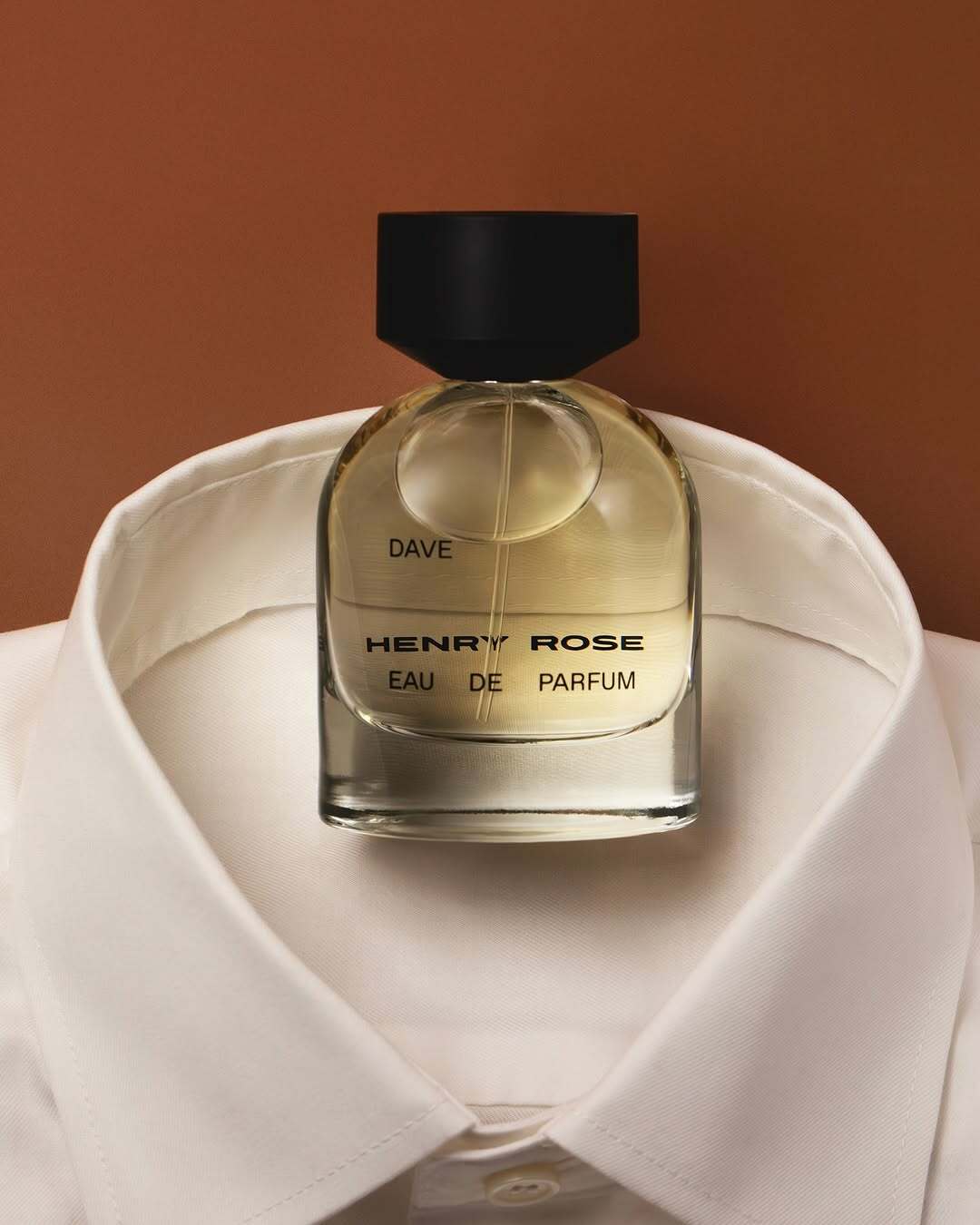
When Michelle Pfeiffer first pitched cosmetics executives on building a fully transparent perfume house, industry veterans urged her to stick to celebrity lipstick lines instead. She ignored them. As chronicled in a recent thekit.ca Report on the brand's trajectory, Pfeiffer spent nearly a decade refusing licensing deals that failed to disclose raw fragrance ingredients. Now, Henry Rose has unveiled its most intimate creation yet: a rich vanilla-forward profile built as an explicit tribute to her husband of over three decades, prolific television writer and producer David E. Kelley.
The release marks a rare personal turn for a clean fragrance brand founded on strict clinical neutrality and third-party certifications. While traditional celebrity perfumes trade on aspirational fantasies, Pfeiffer engineered this new blend around the grounding, tactile presence of Kelley himself. The result challenges the conventional gourmand category, swapping cloying synthetic sweetness for warm woods, vetiver, and smoky Madagascar vanilla.
📌 Key Takeaways:
- The Personal Anchor: Michelle Pfeiffer dedicated Henry Rose’s newest vanilla scent directly to her husband, David E. Kelley, translating their 30-year partnership into a balanced, grounding olfactory portrait.
- Radical Transparency: Unlike typical designer vanillas that hide proprietary chemicals behind the generic label "fragrance," this blend discloses 100% of its formula under EWG Verified and Cradle to Cradle standards.
- Formulation Constraints: Perfumers built the scent using a restricted palette of roughly 300 safe ingredients, deliberately stripping out phthalates, parabens, and common endocrine disruptors.
Defying Hollywood’s Licensing Playbook
In the mid-2000s, Pfeiffer walked away from fine fragrances entirely. After learning that federal regulations allow manufacturers to shield trade secrets behind the single word "fragrance" (parfum), hiding dozens of unlisted phthalates and synthetic fixatives, she packed up her vanity. For ten years, she wore nothing.
When she finally decided to solve the problem herself, beauty conglomerates welcomed her star power but rejected her operational demands. Corporate backers pushed her toward quick-turnaround color cosmetics and white-labeled skin creams. Those categories offered massive margins without the chemical headaches of transparent formulation. Pfeiffer walked away from every meeting.
She insisted on complete ingredient disclosure. That requirement terrified traditional fragrance houses, which treat formulas as proprietary intellectual property. Pfeiffer eventually partnered with International Flavors & Fragrances (IFF) master perfumers, agreeing to work under self-imposed safety filters never before applied to fine perfumery. When Henry Rose debuted in 2019, its name honored Pfeiffer’s children, John Henry and Claudia Rose. Building the brand on family heritage established an ethos of accountability that directly informs this latest homage to Kelley.
The Intimate Inspiration Behind the David E. Kelley Scent
David E. Kelley, the creative mind behind The Practice, Ally McBeal, and Big Little Lies, is not an obvious muse for commercial fragrance. He is famously low-profile, spending his days writing scripts longhand in legal pads rather than walking red carpets. Pfeiffer set out to capture that quiet, steady demeanor.
Vanilla is often ruined by synthetic ethyl vanillin, producing an aggressive sweetness reminiscent of cheap cupcakes. Pfeiffer wanted something stripped back. The inspiration stemmed from sensory memories: Kelley’s worn leather jackets, the cedar air of Northern California, and the understated warmth of his physical presence across three decades of marriage.
To achieve this, the perfumers avoided confectionary sugars. They balanced Madagascar bourbon vanilla against dry amber, vetiver, and subtle whispers of clean musk. The composition opens with an airy brightness before drying down into an earthy skin scent. It is an intentional subversion of the celebrity fragrance genre. Rather than a billboard for an idealized persona, it reads as a quiet domestic portrait.
| Formulation Standard | Henry Rose ("Dave" Tribute Profile) | Conventional Designer Fragrance |
|---|---|---|
| Ingredient Palette | Restricted to ~300 verified safe molecules | Unrestricted access to 3,000+ industry compounds |
| Formula Disclosure | 100% public ingredient list on packaging | Obscured behind "Fragrance / Parfum" trade secret |
| Certifications | EWG Verified & Cradle to Cradle Certified | Internal corporate safety standards only |
| Sensory Profile Focus | Bourbon vanilla, dry vetiver, woody warmth | Heavy ethyl maltol, synthetic musks, phthalate fixatives |
The Chemistry of Formulating from a Shrinking Palette
Most fine perfumers paint with a palette of more than 3,000 raw aromatic materials. When Pfeiffer demanded that Henry Rose satisfy both the Environmental Working Group (EWG) and the Cradle to Cradle Products Innovation Institute, that palette collapsed to roughly 300 ingredients.
Formulation proved brutal. Master perfumers Yves Cassar and Pascal Gaurin spent years developing the initial Henry Rose lineup because their standard toolkit had vanished. Traditional long-wear fixatives, specifically diethyl phthalate, were off-limits. Common synthetic nitro-musks that linger on clothing for days were banned due to environmental persistence and bioaccumulation risks.
Building an enduring vanilla scent under these constraints required unconventional layering. Vanilla absolute is heavy and dense, but without synthetic binding agents, it can collapse into a faint skin scent within two hours. The perfumers countered this by anchoring the vanilla to clean-derived vetiver and cedarwood fractions. These wood molecules provide the structural scaffolding necessary to hold the fragrance aloft without irritating sensitive airways or triggering contact dermatitis.
Transparent Sourcing and the Clean Vanilla Conundrum
The clean beauty market has long suffered from greenwashing, with brands throwing around meaningless buzzwords like "pure" and "chemical-free." Vanilla is the fragrance industry's most vulnerable supply chain. Natural vanilla orchid cultivation in regions like Madagascar is fraught with price volatility, labor exploitation, and deforestation.
Pfeiffer took a pragmatic, science-first approach rather than an absolutist "all-natural" stance. Henry Rose uses a blend of responsibly sourced natural vanilla extracts and safe, vetted synthetic molecules. All-natural perfumes frequently trigger allergic contact dermatitis because essential oils contain concentrated natural allergens like limonene, linalool, and eugenol. By combining safe synthetics with ethically sourced naturals, the Kelley tribute achieves hypoallergenic status while bypassing environmental degradation.
Every component in the formula is posted directly on the Henry Rose website, cataloged down to fractions of a percent. This transparency strips away the romantic mystique the luxury perfume sector has relied upon for a century, replacing it with measurable consumer safety.
Frequently Asked Questions (FAQ)
Q1: What is the official name of the David E. Kelley tribute fragrance by Henry Rose?
A1: While fans and beauty editors refer to the release as the "Dave tribute" due to Pfeiffer’s dedication to her husband, Henry Rose integrates these personal vanilla and woody notes into its core line of evocative, unisex titles such as *Torn* and recent warm gourmand iterations designed around subtle vanilla profiles.
Q2: Why are Henry Rose fragrances considered safer than traditional luxury perfumes?
A2: Henry Rose was the first fine fragrance house to earn both EWG Verified status and Cradle to Cradle certification. The brand excludes parabens, phthalates, formaldehyde, and over 2,700 common industry fragrance ingredients known or suspected to be allergens, carcinogens, or endocrine disruptors.
Q3: Does the perfume smell overly sweet or feminine?
A3: No. The fragrance is intentionally unisex. By blending rich vanilla absolute with smoky woods, vetiver, and clean amber, the scent leans earthy and warm rather than sugary, making it balanced for all wearers.
The Shifting Architecture of Luxury Clean Perfume
Michelle Pfeiffer’s venture has dismantled the false choice between safety and luxury performance. For decades, consumers assumed that choosing a clean scent meant settling for rudimentary aromatherapy oils that evaporated within an hour. Henry Rose proved that clinical rigors and high-end aesthetic appeal can coexist on the same vanity.
Dedicating a core creation to David E. Kelley illustrates how personal narratives can fuel product integrity. Instead of licensing her name to an overseas holding company for a passive royalty check, Pfeiffer spent years in development laboratories debating chemical molecular weights. The market response has forced legacy beauty conglomerates to rethink their secrecy. As ingredient literacy rises, the demand for radical transparency will no longer be an experimental niche, it will be the baseline expectation for the entire fragrance world.