Inside the 2026 Meal Prep Craze: From Sunday Reset Routines to Viral Salad Gadgets
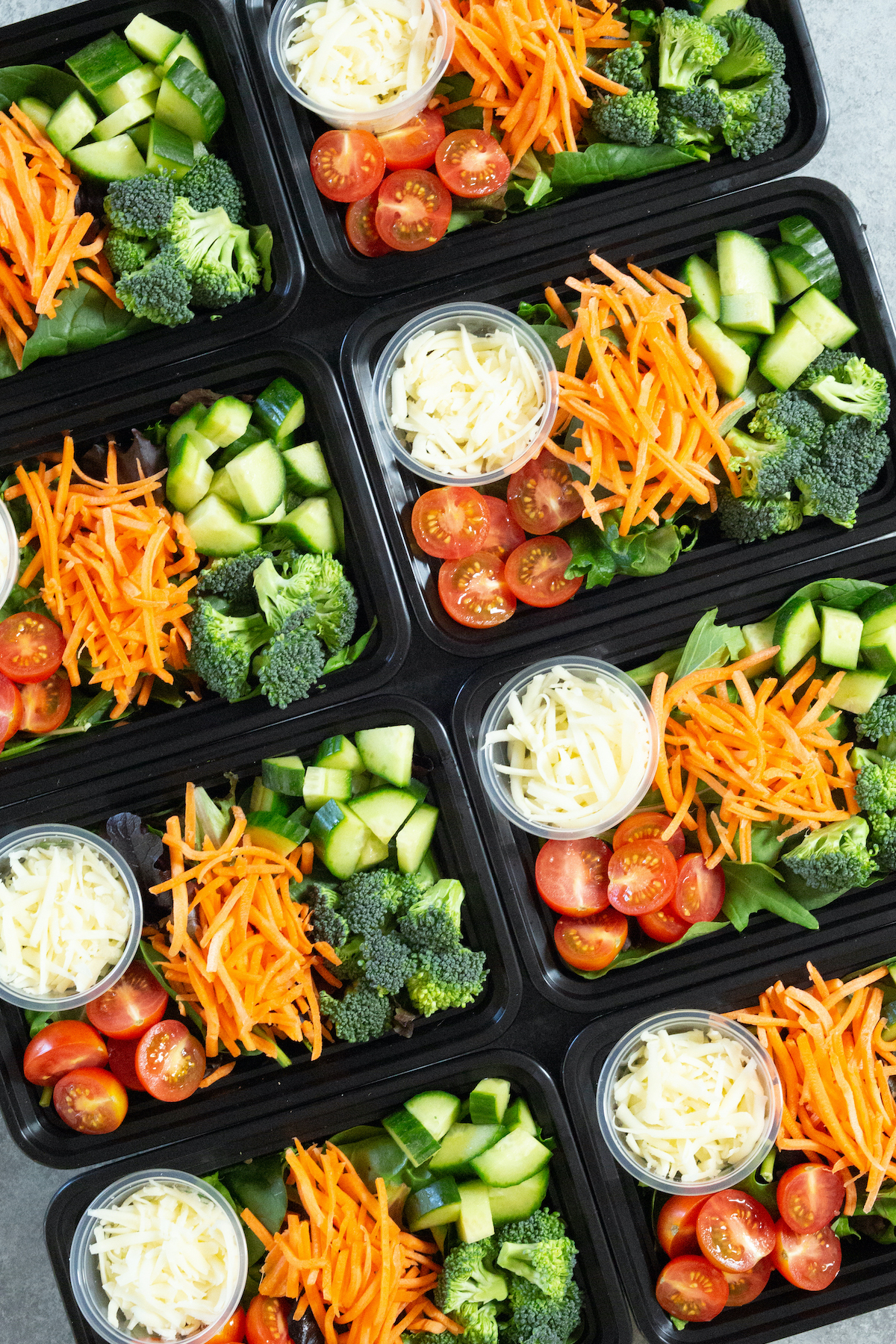
The standard weekday desk lunch used to involve a limp tangle of pre-washed spring mix drowning in commercial vinaigrette, purchased for $16 from a fast-casual assembly line. In 2026, home cooks are staging a decisive rebellion on Sunday afternoons. Driven by high grocery inflation and fatigue with wilted, soggy greens, home kitchens have transformed into micro-prep stations running on precise architectural rules and specialized counter gear.
Much of this momentum accelerated following an EatingWell Report that spotlighted eight Mediterranean-diet salad recipes engineered to retain their crunch for five consecutive days. At the same time, hardware makers have jumped into the space to remove the primary barrier to regular vegetable consumption: chopping fatigue. When Mashable covered the launch of the Ninja PREPi, an ultra-compact meal prep gadget designed specifically for tight apartment counters, it marked a turning point. Salad prep is no longer about damp plastic tubs of lettuce; it is an organized, technical routine built around moisture barriers, hearty grains, and rapid-fire dicing.
📌 Key Takeaways:
- The Structural Pivot: Fragile baby lettuces are taking a back seat to hearty Mediterranean staples like chickpeas, farro, and shredded cruciferous vegetables that hold their texture all week.
- The Mechanical Assist: Dedicated mini-appliances like the Ninja PREPi compress 45 minutes of manual slicing down to under eight minutes, removing prep friction.
- The Moisture Barrier: Strict vertical dressing separation techniques and specialized airtight salad containers consistently extend chopped salad shelf life past 120 hours.
The Death of the Soggy Desk Salad
Every office refrigerator tells the same tragic story by Wednesday afternoon: rows of plastic containers weeping condensation onto browned arugula. Traditional salad meal prep failed because home cooks treated Monday’s fresh greens the same way they treated braised chicken thighs. Leafy produce continues to respire after harvest, releasing moisture into sealed spaces while absorbing ambient acid from dressings.
The Sunday reset routine of 2026 attacks this breakdown at the cellular level. Instead of delicate butter lettuces, prep cooks now build their weekly routines around structural integrity. Dense vegetables, cucumbers with seeds scooped out, radishes, shaved Brussels sprouts, and lacinato kale, serve as the foundation. These vegetables feature thick cell walls that resist osmotic collapse when exposed to salt and trace moisture.
The psychological payoff is substantial. Reclaiming an hour during the chaotic midday rush provides an immediate energy boost, avoiding both the midday slump associated with heavy takeout and the sensory disappointment of decaying produce. By swapping high-moisture greens for resilient Mediterranean diet prep bowls, workers eliminate the gamble of opening their lunch container on Thursday only to find sludge.
The Physics of Mason Jar Salad Layering
The mason jar remains the most reliable vessel for preserving raw produce, but only if packed in strict vertical sequence. Casual attempts at jar salads fail when cooks toss ingredients inside indiscriminately. Success demands an understanding of moisture migration.
The rules of modern jar layering follow five discrete tiers:
Layer 1 (The Reservoir): Dressings, vinaigrettes, and citrus reductions sit directly on the glass bottom, typically 2 to 3 tablespoons per quart jar.
Layer 2 (The Dense Shields): Hard root vegetables and legumes enter next. Diced carrots, roasted chickpeas, bell peppers, and Persian cucumbers can marinate in the dressing for days without breaking down. In fact, legumes and dense roots taste noticeably better after absorbing the vinaigrette.
Layer 3 (The Grain Buffer): Quinoa, farro, brown rice, or chilled whole-wheat pasta form a moisture-absorbing boundary. This layer stops the dressing from climbing toward the top of the jar while soaking up excess ambient vapor.
Layer 4 (The Protein Pack): Grilled chicken strips, marinated tofu cubes, hard-boiled eggs, or crumbled feta sit on top of the grain barrier, keeping them away from direct liquid exposure.
Layer 5 (The Dry Canopy): Fragile baby greens, fresh herbs, toasted seeds, and crispy croutons rest at the very top, adjacent to the lid seal. As long as the jar remains upright inside the refrigerator at 37°F to 40°F, this top canopy stays completely dry until inverted into a wide bowl at noon.
Countertop Automation and the Ninja PREPi Surge
The manual chore of hand-dicing 12 separate ingredients has historically doomed the longevity of Sunday prep habits. By week three, most busy professionals abandon their chef's knives. Kitchen hardware brands noted this drop-off and re-engineered commercial processors for everyday home use.
Mashable documented this shift when covering the arrival of the Ninja PREPi, highlighting how small-footprint appliances are redefining the modern Sunday kitchen. Traditional food processors require substantial cabinet real estate and feature heavy, difficult-to-clean bowl assemblies. The newer wave of prep gadgets focuses on continuous-chute slicing that shoots diced celery, sliced cucumbers, and shredded cabbage straight into personal glass meal-prep dishes.
By automating the prep work, these compact gadgets slash physical knife time by roughly 80%. A cook can process a whole head of purple cabbage, three bell peppers, a block of extra-firm tofu, and four English cucumbers in approximately six minutes. Less physical handling also translates to reduced bacterial transfer, extending fresh produce longevity by an extra 24 to 48 hours inside chilled, airtight salad containers.
Benchmarking Produce Longevity Across Common Storage Methods
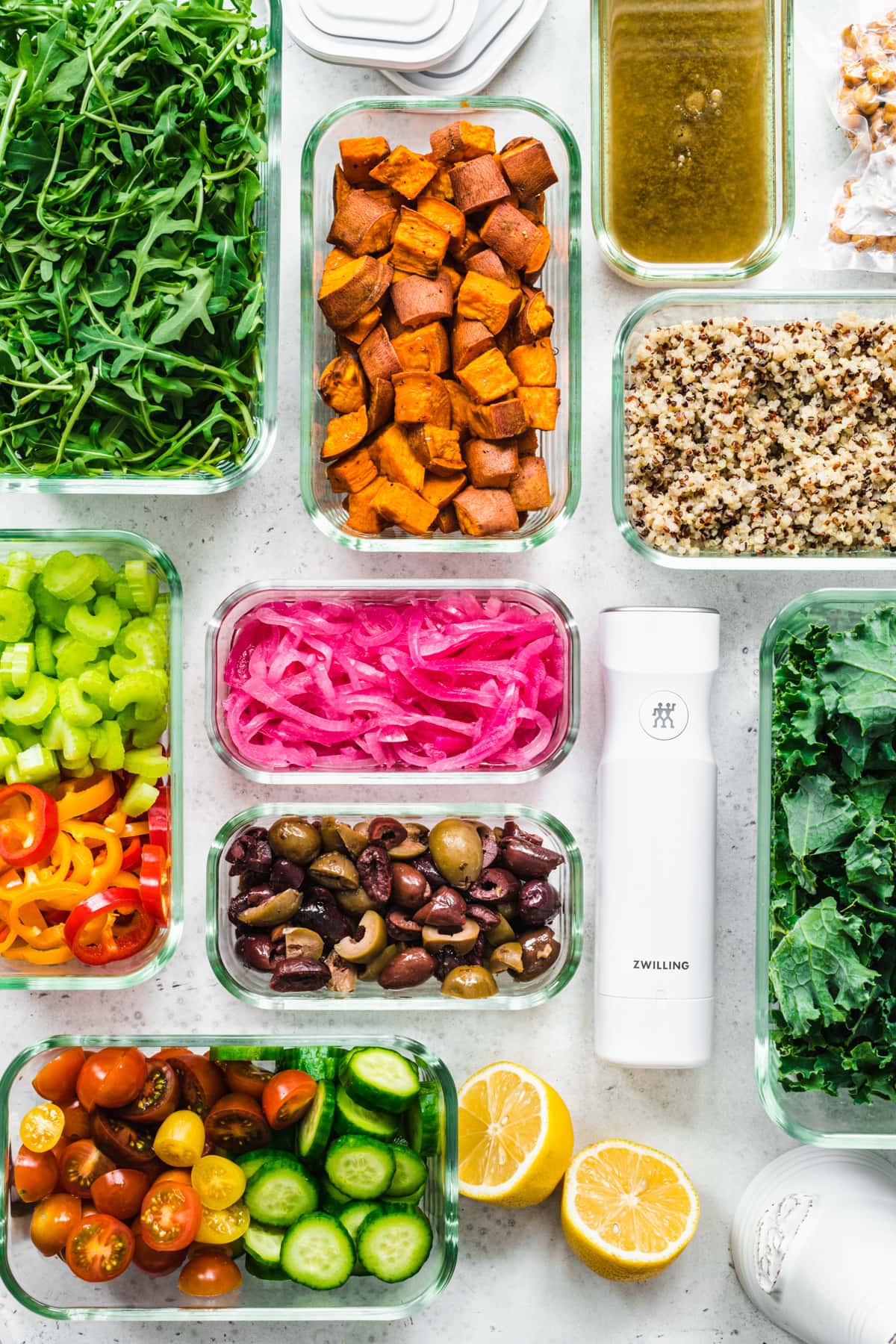
Container selection determines whether a pre-cut vegetable survives past Tuesday. Standard deli containers allow microscopic gas exchange, while specialized vacuum and airtight glass ware control relative humidity.
| Storage Method | Average Shelf Life | Texture Retention Score (1, 10) | Best Suited Produce |
|---|---|---|---|
| Standard Disposable Tubs | 2, 3 Days | 4.2 | Whole unpeeled items, dense cabbage |
| Wide-Mouth Mason Jars (Layered) | 5, 6 Days | 8.8 | Layered leafy salads, pasta salads |
| Airtight Glass with Gaskets | 5, 7 Days | 8.5 | Mediterranean grain bowls, chopped slaws |
| Manual Vacuum-Pump Canisters | 7, 9 Days | 9.4 | Baby spinach, chopped herbs, berries |
Beyond Greens: Mediterranean Grains and Regional Variations
The modern salad bowl often contains no traditional lettuce at all. Mediterranean diet prep bowls dominate because their nutritional framework prioritizes complex carbohydrates and heart-healthy lipids that hold up inside a refrigerator.
Farro and pearl couscous retain an al dente chew after five days immersed in lemon-herb vinaigrette. When paired with kalamata olives, marinated artichoke hearts, roasted red peppers, and crumbled sheep’s milk feta, these grain and pasta salads eliminate the risk of wilting entirely. They also satisfy high-protein meal prep goals by delivering 18 to 26 grams of plant-forward protein per portion without requiring dry, overcooked chicken breasts.
Concurrently, home cooking communities are experimenting with looser definitions of the word salad. A recent feature by Allrecipes exploring the preparation of Midwest-style "cookie salads", a nostalgic blend of buttermilk, pudding mix, mandarin oranges, and crushed fudge stripe cookies, highlighted how the Sunday batch-prep format has crossed over into sweets. While standard weekly prep focuses on clean eating and macro balances, the structural technique remains identical: moisture-sensitive cookies and crunchy toppings stay separated in individual silicone snack bags, added only seconds before serving to preserve their crunch.
The Economics of Packing Versus Buying Lunch
The rapid adoption of Sunday prep is sustained by personal finance realities. Fast-casual salad counters in metropolitan areas now charge $15 to $19 before taxes and tips for an upgraded bowl with animal protein. Purchasing lunch four days a week costs an office worker roughly $68 weekly, exceeding $3,200 annually for raw greens and dressing.
By contrast, sourcing whole ingredients for five Mediterranean grain bowls runs between $14 and $22 total, depending on organic certifications and protein selections. The investment in five 32-ounce wide-mouth glass jars (roughly $15 for a case) and a dedicated chopping appliance pays for itself within the first three weeks of consistent use.
Beyond the ledger, the true dividend is measured in energy and time. Avoiding midday ordering lines and courier delays returns approximately 45 minutes of focus to the workday, while clean fats and fiber-rich legumes eliminate the 2:00 PM cognitive slowdown triggered by sodium-heavy commercial dressings.
Frequently Asked Questions (FAQ)
Q1: What is the most effective way to prevent wilted greens in glass containers?
A1: Thoroughly spin-dry your washed greens until no visible moisture droplets remain on the leaves. Place a folded, food-grade unbleached paper towel or dry cotton cloth strip directly at the top of the jar or container before clamping down the lid. The towel collects the condensation that greens release during refrigerated respiration, preventing water from pooling on the leaves.
Q2: Can sliced tomatoes be included in weekly meal prep salads?
A2: Large sliced or diced slicing tomatoes break down rapidly and release excessive acid and seeds, spoiling a prep container within 48 hours. Use whole, unpunctured cherry or grape tomatoes instead. Their intact skins maintain a natural moisture seal, allowing them to remain fresh and firm for seven full days inside the container.
Q3: How long do grain and pasta salads stay safe to eat in the fridge?
A3: When kept at or below 40°F (4°C) in an airtight container, chilled pasta, farro, and quinoa salads remain safe and palatable for up to 5 days. Keep dressing amounts moderate early on, as grains continue to absorb acidity and liquid over time, which can dry them out if under-dressed or make them mushy if over-saturated.
The Future of Weekday Lunch Efficiency
The shift toward structured salad meal prep is more than a viral aesthetic; it is an overdue correction against inefficient daily routines and overpriced lunch counters. By pairing durable Mediterranean ingredients with reliable dressing separation techniques, home cooks have solved the decay problems that previously compromised home-packed lunches.
As kitchen appliances continue to shrink in footprint while speeding up manual dicing, the friction of home meal preparation will drop further. The home kitchen of 2026 is no longer a site of evening cooking exhaustion. On Sunday afternoons, it operates as a streamlined production line, providing crisp, nutrient-dense meals that make weekday vitality an effortless, predictable habit.