Inside the Nutty Fruit Dubai Chocolate Phenomenon: Layers, Ingredients, and Real Cross-Sections

Snap a thick slab of stuffed milk chocolate in half, and the interior gives way with an audible, buttery crunch. What began as a regional novelty in the United Arab Emirates has matured into a dominant force across the premium confectionery market, morphing from simple pistachio creams into elaborate nutty fruit Dubai chocolate bars. Confectioners worldwide now fold tart freeze-dried fruit inclusions and dark berry reductions directly into rich pistachio butter filling and toasted pastry layers. This evolution balances cloying sweetness against high-acidity fruit notes, redefining how specialty sweets command attention on social feeds and retail shelves alike.
The culinary shift reflects broader movements in chocolate manufacturing, where traditional legacy brands face intense pressure from textured, filling-heavy formats. As analyzed in a recent Tasting Table Report evaluating retail milk chocolate dynamics, consumer expectations around snap, fat ratios, and cocoa butter percentages are shifting rapidly toward specialized confections. To understand why these hybrid bars command lines and premium resale tags, one must look directly at the interior mechanics.
📌 Key Takeaways:
- The Structural Core: Authentic bars rely on a crispy kataifi pastry network browned in clarified butter, bound with roasted nut creams and balanced by freeze-dried fruit.
- The Taste Balance: Adding passion fruit, raspberry, and sour cherry cuts through heavy sesame tahini and pistachio lipids, preventing flavor fatigue.
- The Market Spillover: The viral dessert trend has expanded past luxury boutique chocolatiers into supermarket private labels and breakfast cereals across North America and Europe.
How Fix Dessert Chocolatier Redefined Stuffed Confections
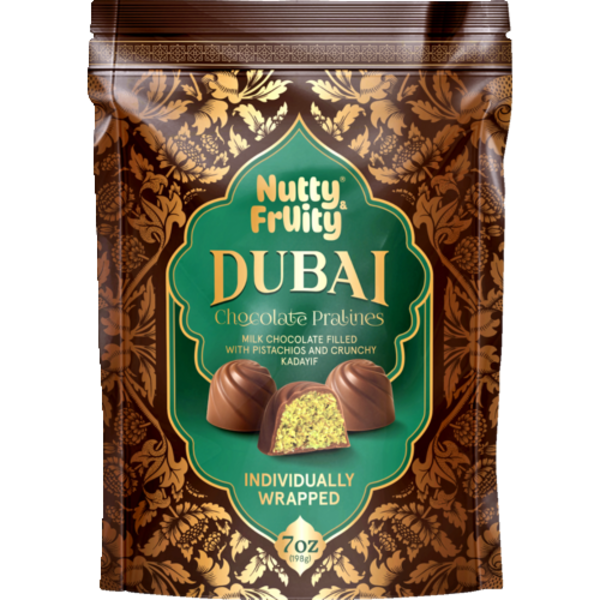
The modern obsession began with Fix Dessert Chocolatier, an artisanal venture founded in Dubai by British-Egyptian entrepreneur Sarah Hamouda. Dissatisfied with standard confectionery bars that offered thin smears of praline or runny caramel, the workshop engineered slabs approaching 2.5 centimeters in thickness. The breakout product, originally dubbed "Can't Get Knafeh of It," became a sensation because of its internal architecture: shredded Middle Eastern pastry strands suspended within pistachio paste, encased in an intricately hand-painted milk chocolate shell.
Micro-batch drops created instant digital scarcity. Orders opened for mere minutes each afternoon, selling out batches of 500 bars in seconds. As food creators chased the dramatic "crack and pull" on camera, pastry kitchens around the world rushed to recreate the treat. Yet as copycats flooded TikTok and Instagram, early iterations suffered from a glaring flaw: excessive sweetness. Standard recipes combined sweetened pistachio spreads, white chocolate binders, and heavy milk chocolate shells, overwhelming the palate after two bites.
Artisanal chocolate bars answered this critique by introducing acidity. By folding pulverized raspberries, sour cherry purees, and freeze-dried passion fruit into the nutty base, makers discovered that high-acid fruit elements elevated the savory undertones of pistachio and roasted hazelnut praline. The resulting nutty fruit variations turned a short-lived stunt into an enduring fixture of high-end pastry cabinets.
Inside the Texture Cross-Section: Knafeh, Pistachio, and Fruit Ribbons
A successful slice reveals four distinct operational zones working in harmony. The exterior shell must hold structural integrity at room temperature without turning rubbery. Inside, a crunchy knafeh layer provides sound and resistance, followed by smooth nut lipids, finished with intense pockets of dehydrated fruit.
The kataifi pastry, made from spun wheat batter, requires meticulous preparation. Chefs shred the noodles finely and toast them in clarified ghee until they reach an exact amber hue. Moisture is the enemy here. If warm pastry contacts nut butter containing even marginal water content, the noodles soften into a mushy paste. To maintain a shatterproof bite, makers cool the pastry entirely before mixing it into low-moisture pistachio butter filling or hazelnut paste.
Fruit elements serve as moisture-free contrast. Instead of wet jams, which degrade the knafeh within 24 to 48 hours, premium chocolatiers integrate freeze-dried fruit inclusions. These crisp berries absorb excess oils from the nut paste while delivering bursts of malic and citric acid. A concentrated ribbon of raspberry or dark pomegranate molasses tucked between the pastry and the top shell adds a visual jewel-tone stripe that cuts cleanly under a chef's knife.
Formulation Benchmarks Across Viral Confectionery Formats
The balance of fats, starch, and fruit acidity determines whether a bar holds its texture over time or disintegrates into greasy softness. Commercial producers and boutique chocolatiers approach these ratios through markedly different specifications.
| Bar Variation | Crunch & Nut Base | Fruit & Acid Layer | Price Point (2024, 2026) |
|---|---|---|---|
| Original Pistachio Knafeh | 45% Kataifi, 40% Pistachio Butter, 15% Tahini | None (Pure savory-sweet profile) | $18, $25 per 200g bar |
| Nutty Raspberry Ruby Bar | 40% Kataifi, 60% Pistachio Cream | Freeze-dried raspberry powder & whole flakes | $22, $30 per 220g bar |
| Hazelnut Passion Fruit Crunch | 35% Kataifi, 65% Roasted Hazelnut Praline | Dehydrated passion fruit curd flakes | $20, $28 per 200g bar |
| Mass-Market Retail Copycat | 25% Rice Crisp / Wheat, 75% Sweetened Nut Spread | Artificial berry flavoring or pectin jellies | $7, $12 per 150g bar |
The gap between mass-produced variants and boutique confections centers on ingredient substitution. Budget iterations swap expensive Turkish pistachios and clarify ghee for palm oil bases and extruded rice crisps. The result lacks the dense, flaky strata characteristic of genuine Middle Eastern pastry work.
Fat Ratios, Tempering, and Chocolate Shell Physics
Building a stuffed bar requires careful thermodynamic control. Standard chocolate shells measure between 1.5 and 2 millimeters in thickness. Stuffed bars, however, carry internal weights exceeding 120 grams per cavity, exerting severe pressure on bottom seals and sidewalls during demolding.
Chocolatiers must use cocoa butter couverture with fat contents between 31% and 36%. Anything lower results in a viscous chocolate that pools unevenly around deep mold corners, causing micro-fractures where the interior pistachio oils can seep through. When nut oils migrate into the outer shell, they trigger fat bloom, leaving unappealing white streaks and softening the bar's clean snap.
Temperature control inside the bar is just as vital. Pouring warm tempered chocolate over room-temperature nut-knafeh filling destabilizes cocoa butter crystals. Confectioners chill the interior mixture to roughly 18°C (64°F) before capping the bottom with chocolate. This preserves the temper of the cap, ensuring that consumers experience a firm, clean break rather than a messy crumble.
The Spillover: Mainstream Shelves and Morning Cereals
The sensory blend of toasted grains, crushed nuts, and fruit ribbons has spilled out of boutique chocolate shops and entered commercial retail aisles. Major packaged goods brands have begun reverse-engineering these flavor profiles for everyday food items.
A clear signal of this trend arrived when organic breakfast manufacturers adapted the flavor profile into everyday pantry goods. As reported by Trend Hunter, brands like Love Crunch introduced Dubai-style dessert-inspired granolas, pairing toasted rolled oats with pistachio pastes, chocolate chunks, and freeze-dried berry slices. Rather than reserving knafeh textures for luxury indulgences, breakfast processors recognized that the nutty-tart crunch answers consumer demand for multidimensional morning textures.
At the same time, regional grocery chains are developing their own private-label fruit-infused gourmet sweets to capture shoppers unwilling to pay $25 for imported confections. While mass-market versions often struggle with pastry moisture migration over extended supply chain journeys, their presence demonstrates that complex Middle Eastern flavor pairings have permanently joined mainstream Western grocery culture.
Frequently Asked Questions (FAQ)
Q1: Why is real Dubai chocolate noticeably more expensive than standard chocolate bars?
A1: High retail prices stem from labor-intensive manual processes and premium raw ingredients. Authentic bars use stone-ground Antep or Bronte pistachios, fresh shredded kataifi dough browned in clarified butter, and pure couverture chocolate, requiring precise multi-stage cooling that defies automated candy manufacturing lines.
Q2: How long does a nutty fruit Dubai chocolate bar retain its crisp texture?
A2: Freshly made bars retain peak crunch for 7 to 10 days when kept in a cool, dry environment between 16°C and 19°C (60°F, 66°F). Refrigeration can introduce moisture condensation upon removal, causing the crispy pastry strands to soften quickly.
Q3: What role does freeze-dried fruit play compared to standard fruit jams?
A3: Freeze-dried fruit contains less than 2% residual moisture, allowing it to sit beside butter-fried kataifi without making the pastry soggy. Standard wet jams or compotes contain free water that migrates into the pastry within hours, ruining the distinctive texture.
The Evolution of Modern Multi-Texture Confectionery
The rise of nutty fruit Dubai chocolate signals a lasting shift in confection design. Shoppers no longer settle for flat, single-note sugar profiles. They gravitate toward contrasting mechanics: the crunch of toasted wheat, the fat coat of stone-ground nuts, and the sharp snap of balanced cocoa butter cut by sour fruit.
What started as a viral stunt inside a Dubai boutique has pushed global confectionery toward richer, regionally rooted ingredients. As formulation techniques mature and industrial lines solve the challenge of maintaining pastry crunch across commercial transit, these stuffed bars will continue to redefine expectations for luxury sweets.


