Inside the Pot: What Authentic Seco de Pollo Really Looks and Tastes Like
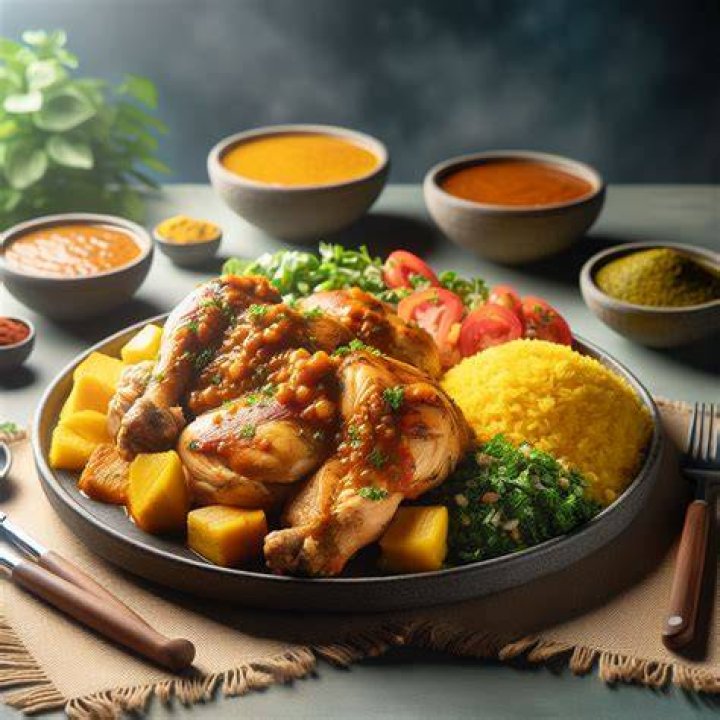
Few dishes carry a name as deceptively literal as seco de pollo. In Spanish, seco translates directly to "dry," yet anyone lifting the lid off a simmering pot encounters the exact opposite: an aromatic bath of slow-cooked braised chicken thighs submerged in an intense, herb-stained or citrus-bright braising broth. Across coastal Peru and the Andean valleys of Ecuador, this comfort staple sparks passionate regional loyalty over which country perfected the braise. As culinary historian Chef Walter Potenza observed in a recent RINewsToday Report examining northern Peruvian cooking, the secret to authentic coastal braises lies in the unhurried marriage of native chilies and fermented acids that tenderize the meat while building an unmistakable savor.
Modern home cooks frequently stumble when attempting to recreate this classic outside South America. Supermarket shortcuts often reduce a centuries-old culinary lineage to generic chicken soup tinted with dried cilantro flakes. Real seco de pollo, whether rendered in Peru's emerald-hued cilantro reduction or Ecuador's golden, fruit-infused glaze, depends on uncompromising foundational techniques: a heavy sofrito, bone-in poultry seared until deeply bronzed, and an acidic braising medium that softens collagen into pure velvet.
📌 Key Takeaways:
- The Essential Core: Authentic seco de pollo relies on bone-in chicken thighs braised low and slow in a concentrated aromatic liquid rather than standard chicken stock.
- The Regional Divide: Peruvian versions feature an emerald cilantro puree spiced with aji amarillo paste and chicha de jora, while Ecuadorian preparations lean on tart naranjilla juice and pale lager.
- The Structural Pairings: Both traditions demand starchy anchors, most commonly steamed white rice flanked by boiled yuca root and creamy canary beans, to absorb the heavy reduction.
The Linguistic Paradox of South America’s Wettest Braise
Culinary folklore offers multiple explanations for why a stew dripping with glossy sauce bears the name "dry." Coastal lore in northern Peru suggests the moniker refers to the cooking process itself: the liquid must reduce so severely that the fats break and separate from the herbs, leaving the sauce clinging tightly to the poultry rather than floating as a watery broth.
Another historical theory traces the term to nineteenth-century domestic kitchens. Traditional multi-course meals in Lima and Guayaquil were structured around an opening wet course, a light sopa or broth, followed by the segundo, or dry course, which simply meant solid food served on a plate rather than in a soup bowl. Over time, household cooks began labeling any braised meat served over rice as a seco, distinguishing it from the starter.
Whichever story holds true, the reality in the pot is thoroughly liquid. The sauce coats the back of a wooden spoon like heavy cream, thick with pulverized alliums and aromatic oils.
The Peruvian Green Crucible: Cilantro, Chicha, and Yellow Pepper
In northern Peru, particularly through the coastal culinary cradle of Lambayeque, seco de pollo takes on an arresting forest-green hue. This Peruvian chicken stew does not treat cilantro as an afterthought or a delicate garnish thrown on before serving. Instead, an entire bunch of fresh coriander, stems and leaves alike, is pureed with a splash of water or oil into a vivid chlorophyll sludge, then cooked directly into the fat.
The flavor architecture rests upon a foundational cumin and garlic sofrito. Red onions, diced with razor precision, sweat in vegetable oil alongside minced garlic until the sulfurous bite dissolves into mellow sweetness. Then comes the yellow heat: authentic aji amarillo paste. Derived from Peru's signature sun-colored baccatum pepper, this paste provides a rounded, tropical warmth carrying notes of passion fruit and dried apricot alongside its moderate Scoville punch.
Acidity breaks the richness. Traditional coastal kitchens turn to chicha de jora, a fermented, cloudy beverage made from germinated yellow corn (jora). Brewed since the Inca empire, chicha brings an earthy, rustic funk and sharp lactic tang that modern vinegar simply cannot replicate. Outside South America, chefs substitute a crisp northern pilsner mixed with a splash of apple cider vinegar, mirroring the dual bitter-and-sour profile that defines the classic Lambayeque style braise.
| Regional Component | Peruvian Seco de Pollo | Ecuadorian Seco de Pollo |
|---|---|---|
| Color & Visual Profile | Deep emerald green to olive-tinted reduction | Warm golden-amber, orange-red stew broth |
| Primary Acid Source | Chicha de jora (fermented corn beer) or pilsner | Naranjilla juice (lulo) balanced with light beer |
| Key Flavoring Agents | Heavy cilantro puree, aji amarillo paste, ground cumin | Achiote oil, sweet peppers, plum tomatoes, cilantro stems |
| Traditional Starch Base | Steamed white rice and stewed canary beans | Yellow rice (arroz colorado) and sweet fried plantains |
The Ecuadorian Counterpart: Citrus, Achiote, and Amber Broth
Cross the border into Ecuador, and the visual character changes entirely. Ecuadorian seco de pollo discards the opaque green carpet in favor of a radiant, sunset-orange glaze. Here, the culinary signature belongs to an endemic Andean fruit: the naranjilla (known across Colombia as lulo).
Naranjilla provides a bracing, high-acid punch resembling a cross between green rhubarb, sour lime, and unripe pineapple. In authentic coastal kitchens around Guayas and Manabí, fresh naranjilla pulp is blitzed with water, strained, and stirred directly into the braising pot alongside a pale lager. The fruit’s assertive malic and citric acids cut effortlessly through the gelatinous richness of braised chicken thighs.
The color foundation begins with achiote oil, annatto seeds steeped slowly in warm lard or vegetable oil to extract their earthy aroma and crimson stain. Cooks build a refrito using sweet red onions, bell peppers, garlic, and fresh plum tomatoes. Rather than pureeing leafy cilantro into an emerald paste, Ecuadorian cooks often bundle the pungent cilantro root and stems into a bouquet garni, extracting delicate herbal oils without altering the stew's amber glow.
The Anatomy of the Braise: Achieving Fall-Apart Texture
A dry, stringy chicken breast ruins a seco faster than any missing spice. Traditional preparation strictly favors bone-in, skin-on chicken thighs and drumsticks. The connective tissues inside dark poultry contain dense ribbons of collagen that melt into gelatin when held at low simmering temperatures between 185°F and 200°F (85°C to 93°C).
The process demands deliberate sequencing:
- The Sear: The chicken cuts receive a heavy dusting of salt and black pepper before hitting a smoking-hot cast-iron pot. The goal is not to cook the meat through, but to render surface poultry fat and leave behind a concentrated fond, the caramelized brown residue stuck to the bottom of the pan.
- The Deglaze: Once the chicken is removed, the alliums enter the rendered fat, scraping up the browned meat proteins. As the aromatics soften, the cooking alcohol (chicha or beer) deglazes the pan, capturing every molecule of browned flavor.
- The Low Simmer: The seared chicken returns to the pot, nestling into the green puree or orange tomato base. The pan is covered tightly and dropped to the lowest flame for roughly 40 to 50 minutes.
By the time the braise concludes, the meat pulls cleanly away from the bone at the mere nudge of a fork. The cooking liquid reduces into an emulsion, thick enough to leave visible tracks when stirred with a wooden spatula.
The Plate Architecture: Canary Beans, Yuca, and White Rice
Seco is never eaten in isolation. A traditional plate of seco de pollo is a deliberate study in carbohydrates engineered to manage the assertive sauce.
On Peruvian tables, the sauce demands the presence of boiled yuca root. Cooked until its fibrous exterior cracks open to reveal a soft, snowy, starchy interior, yuca functions like a culinary sponge. It sits submerged in the cilantro sauce without turning mushy. Alongside the yuca rests a generous mound of garlicky steamed white rice, flanked by a pool of creamy canary beans (frijoles canarios). These pale, thin-skinned legumes are simmered gently with pork fat and red onion until their cooking water transforms into a rich gravy, grounding the bright herbal lift of the cilantro.
In Ecuador, the presentation shifts toward sweetness. Seco de pollo commonly shares the plate with arroz amarillo, rice tinted yellow with achiote, and thick rounds of fried ripe plantain (maduros). The caramelized sugars of the fried plantains create a direct, satisfying counterpoint to the tart, acidic edge of the simmered naranjilla broth.
Frequently Asked Questions (FAQ)
Q1: Can I make authentic Peruvian seco de pollo using boneless chicken breast?
A1: While possible, chicken breast is not recommended. White meat lacks the connective collagen required to thicken the braising broth during a 45-minute simmer. If you must use boneless meat, opt for skinless chicken thighs, which maintain their moisture and enrich the sauce as they cook.
Q2: What is the best substitute for chicha de jora if I cannot find it locally?
A2: The most reliable kitchen substitute is an equal mix of a standard crisp pilsner beer and apple cider vinegar (roughly three parts beer to one part vinegar). This mirrors the mild carbonation, fermented grain depth, and tart acidity inherent to authentic Peruvian corn beer.
Q3: How do I prevent the cilantro sauce from turning a muddy brown color?
A3: To preserve an emerald-green shade in Peruvian seco, quickly blanch your fresh cilantro leaves in boiling water for 15 seconds, plunge them into an ice bath, and drain thoroughly before blending. Add half the puree early in the simmer for depth, and stir in the remaining fresh puree during the final 5 minutes of cooking.
The Living Legacy of Northern Braises
As global appetites drift toward fast-casual convenience, seco de pollo remains an enduring defense of slow, deliberate cooking. It is a dish that refuses to be rushed in an instant cooker or approximated with dried spice packets. Whether finished with the wild, tart punch of Andean naranjilla or the deep, verdant perfume of cilantro and ancient chicha, real seco captures the geography of northern South America in a single shallow bowl. It proves that the greatest comfort foods do not come from luxury ingredients, but from the patience to let heat, acid, and time unlock the soul of a bird.


