Inside the Wonderful Empire: Assets, Mansions, and the Hidden Owners of Fiji Water
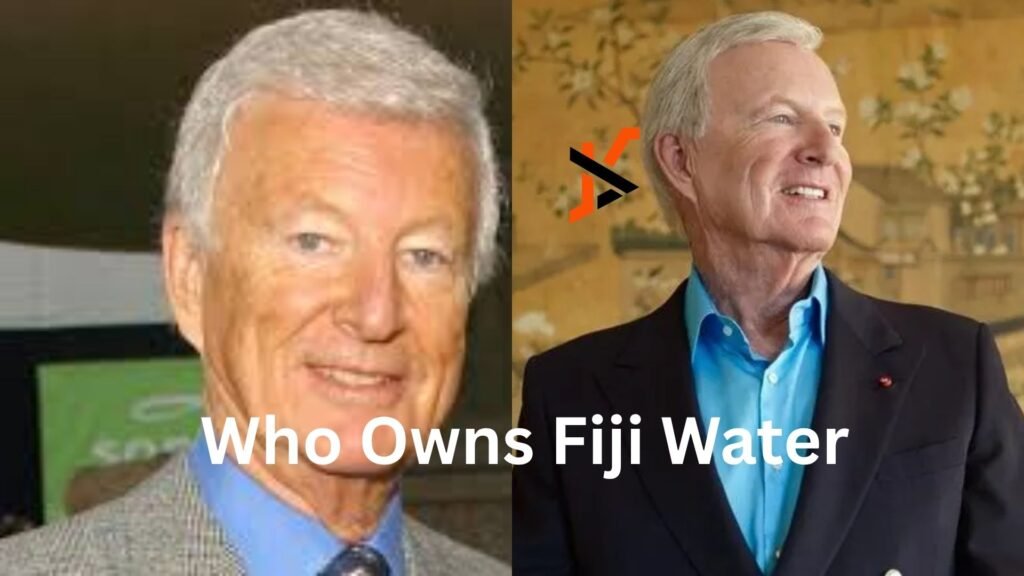
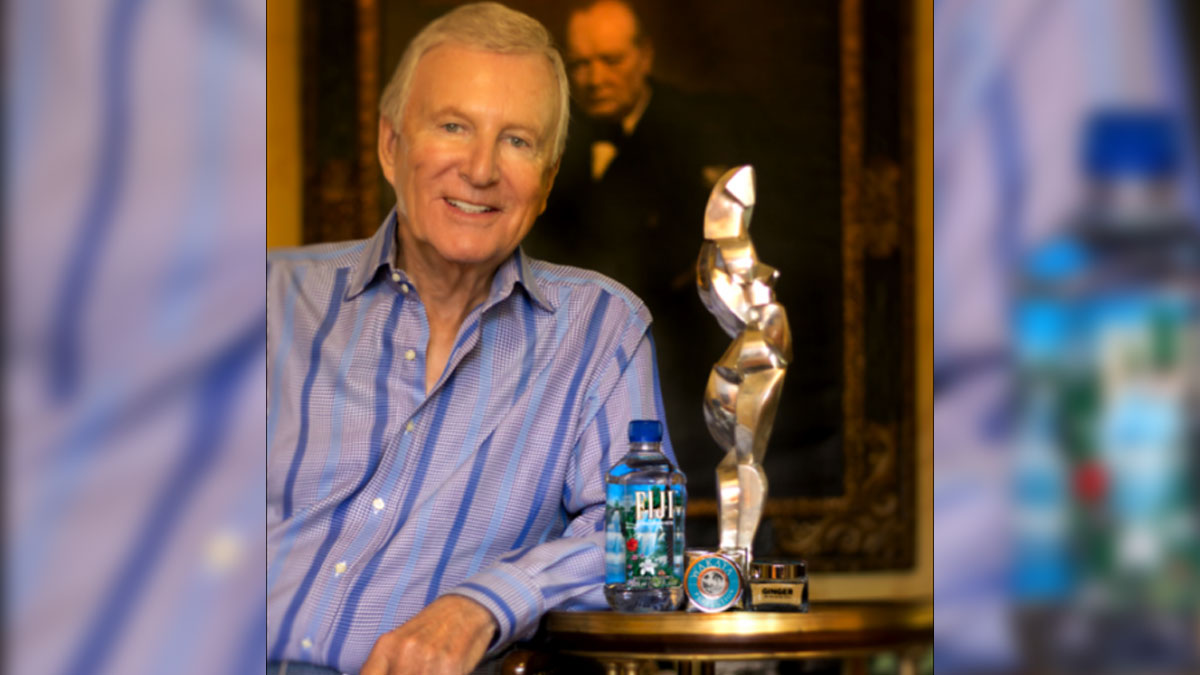
Behind the distinct square plastic bottle and its vibrant pink hibiscus flower sits one of the most private, asset-rich dynasties in American commerce. Stewart and Lynda Resnick, the billionaire couple behind the privately held conglomerate The Wonderful Company, control an agricultural and consumer empire that generates billions in annual revenue. While millions of shoppers worldwide recognize their packaged goods, few trace those products back to the quiet compound in Los Angeles where the Resnicks pull the corporate levers.
Their enormous wealth routinely makes headlines in luxury real estate circles. As detailed in a Celebrity Net Worth Report, the couple listed their 67-acre Aspen mountain retreat for an eye-popping $300 million, underscoring the staggering liquidity generated by their global network of water, fruit, nut, and floral businesses.
📌 Key Takeaways:
- The Owners: Fiji Water is 100% privately owned by Stewart and Lynda Resnick through their Los Angeles-based conglomerate, The Wonderful Company.
- The Scale: The Resnick billionaire net worth sits at roughly $10.5 billion to $12 billion, fueled by brands including POM Wonderful, Wonderful Pistachios, and Teleflora.
- The Resource Conflict: The company pumps artesian water from an ancient aquifer beneath the island of Viti Levu, navigating contentious tax fights with the Fijian government and ecological debates in drought-prone California.
The Marketing Architects: How the Resnicks Built Roll Global
The story of modern Fiji Water began long before the brand became a staple on red carpets and luxury hotel nightstands. Stewart Resnick started out operating a janitorial service while studying law, later acquiring agribusiness land in California's Central Valley during the farm crisis of the late 1970s. Lynda Resnick brought rare marketing intuition, sharpening her instincts at her family's advertising firm before orchestrating consumer campaigns that transformed commodities into luxury lifestyle items.
Operating under the holding group Roll Global, later rebranded as The Wonderful Company, the couple assembled a formidable supply chain. They bought Teleflora in 1979, turning a decentralized florist dispatch network into an international floral clearinghouse. They acquired vast groves of pomegranates, pistachios, and almonds, creating POM Wonderful and Wonderful Pistachios. In 2004, the Resnicks acquired Natural Waters of Viti Ltd., the bottling firm founded in 1996 by Canadian entrepreneur David Gilmour, for an estimated $50 million. Lynda immediately stripped down the brand's aesthetics, highlighting the square profile and pristine island imagery that turned tap water alternatives into high-status consumer accessories.
The Viti Levu Aquifer and Island Extraction Realities
The product inside the bottle comes from the Yaqara Valley on the remote northern coast of Viti Levu, the largest island in the Republic of Fiji. Hundreds of feet beneath a rainforest catchment, an artesian aquifer holds water filtered through volcanic rock strata. The bottling facility operates directly over the source, filling each container in a sealed cleanroom designed to ensure human hands never touch the liquid until a consumer twists the cap.
The local operating reality carries persistent tension. While the brand promotes pure island escapism to overseas buyers, substantial portions of the native Fijian population have historically dealt with intermittent access to municipal drinking water and decaying infrastructure. The Resnicks counter these criticisms by funding community projects, water filtration systems for rural villages, and local schools through the Fiji Water Foundation. The operation remains Fiji's single largest private exporter, accounting for a massive share of the island nation's outbound shipping traffic.
The 2010 Fiji Water Tax Dispute and Political Standoff
The balance of power between a multinational corporate owner and a small island government reached a boiling point in late 2010. Fiji's military-led government, headed by Commodore Frank Bainimarama, announced a dramatic tax increase on commercial water extraction, raising the levy from one-third of a Fijian cent per liter to 15 Fijian cents per liter. The hike targeted entities extracting more than 3.5 million liters a month, a threshold that effectively applied solely to Fiji Water.
The Resnicks fought back with corporate brinkmanship. They immediately shut down the bottling plant, placed hundreds of local employees on leave, and canceled contracts with regional freight suppliers. The Fijian government held firm, issuing an ultimatum: reopen the plant and pay the tax, or the state would revoke the extraction license and award the aquifer lease to a competitor. Stewart Resnick blinked within 48 hours. The company reopened the facility, swallowed the tax increase, and resumed exports, proving that the rare brand value of the Fijian spring was too lucrative to abandon over balance-sheet friction.
| Asset / Brand | Acquisition / Launch | Primary Production Footprint | Strategic Function |
|---|---|---|---|
| Fiji Water | 2004 | Viti Levu, Fiji | High-margin premium beverage anchor |
| Wonderful Pistachios & Almonds | 1980s, 1990s | Central Valley, California (130,000+ acres) | Mass-market snack food revenue engine |
| POM Wonderful | 2002 | San Joaquin Valley, California | Antioxidant-focused beverage and extract market |
| Teleflora | 1979 | Worldwide network (HQ in Los Angeles) | Floral delivery transaction marketplace |
| Wineries (JUSTIN, Landmark, Lewis) | 2010, 2022 | Paso Robles & Napa Valley, California | Luxury hospitality and fine wine portfolio |
From Aspen Mansions to the Napa Valley Wine Corridor
Profits from the consumer portfolio have fueled major acquisitions in American luxury enclaves. The Resnicks maintain a massive presence in Western property markets. Their real estate moves routinely redefine neighborhood price ceilings, as evidenced by their Aspen mega mansion listing, which features sprawling guest houses, private meadows, and bespoke architecture framed against the Colorado Rockies.
In Northern California, the couple carried out a quiet land rush across prestigious wine districts. Through their subsidiary Wonderful Wine Group, they acquired Justin Vineyards in Paso Robles and Landmark Vineyards in Sonoma. They followed those buys with high-profile moves into Napa, including the acquisition of Lewis Cellars and the purchase of the iconic Robert Sinskey Vineyards tasting room along the Silverado Trail in late 2022. This Napa Valley winery acquisition strategy allows the Resnicks to apply the same vertical integration playbooks to high-end hospitality that made their retail packaging ubiquitous across convenience stores.
Water Banking and the Central Valley Resource Machine
The couple's control of water extends far beyond their South Pacific bottling business. Inside California, Stewart Resnick is widely recognized as one of the state's most powerful water brokers. Through corporate entities, The Wonderful Company owns a commanding 57% majority stake in the Kern Water Bank, a massive subterranean storage facility in the San Joaquin Valley capable of storing over 500 billion gallons of freshwater.
This water bank acts as an insurance policy for their agricultural operations. During years of severe California drought, when regional municipal authorities enforce water restrictions on residential communities, the Resnicks draw upon these underground reserves to keep their water-intensive almond and pistachio trees alive. Environmental advocates and policy analysts point out the striking contrast: a family enterprise moving freshwater from drought-hit California soils for cash crops, while simultaneously importing millions of plastic bottles filled with water from an island 5,000 miles away.
Frequently Asked Questions (FAQ)
Q1: Who is the true owner of Fiji Water?
A1: Fiji Water is entirely owned by Stewart and Lynda Resnick through their private holding entity, The Wonderful Company. It is not a publicly traded brand, nor is it owned by the Fijian government.
Q2: What other household brands do the owners operate?
A2: Under The Wonderful Company umbrella, the Resnicks own Wonderful Pistachios, Wonderful Almonds, POM Wonderful, Teleflora, Wonderful Halos mandarins, and several wineries including JUSTIN Vineyards and Lewis Cellars.
Q3: How much is the Resnick family worth?
A3: According to financial tracking indexes from Forbes and Bloomberg, Stewart and Lynda Resnick hold a combined net worth estimated between $10.5 billion and $12 billion, placing them among the wealthiest agricultural magnates in global history.
Q4: Why was there a tax dispute between Fiji Water and the Fijian government?
A4: In 2010, the Fijian government increased the extraction tax from one-third of a cent to 15 Fijian cents per liter on high-volume extractors. The Resnicks initially shut down local operations in protest, but conceded and paid the levy after the state threatened to transfer the bottling lease to another operator.
The Future of the Wonderful Corporate Machine
The Resnick agricultural empire shows no signs of slowing down its institutional accumulation. Even as climate instability complicates water distribution in California and puts small island nations under environmental stress, the couple's tightly integrated corporate structure shelters them from public market demands. Their private status allows them to deploy capital with total autonomy, whether funding cutting-edge sustainability institutes at Caltech or securing prime tasting rooms along Napa's most celebrated corridors.
Fiji Water remains the crown jewel of this marketing apparatus. The bottle on grocery store shelves sells an illusion of untouched nature, insulated from geopolitical squabbles, water banking rights, and corporate tax standoffs. Stewart and Lynda Resnick proved that simple natural resources can become multi-billion-dollar empires, provided you control the source, manage the distribution, and wrap the bottle in the right narrative.