Inside TikTok’s Power Play: How the TikTok Shop App Ecosystem Is Disrupting Amazon
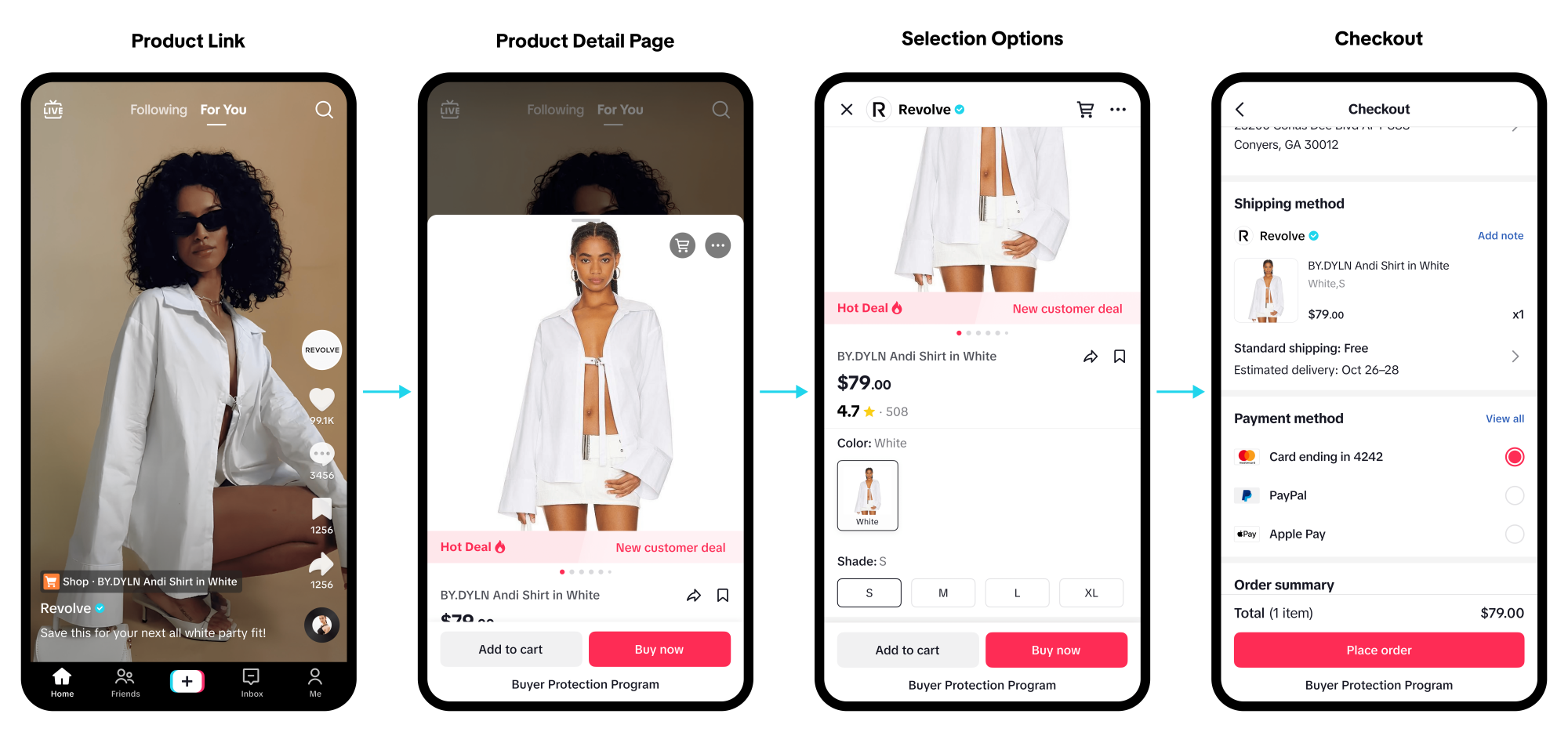
For more than two decades, digital retail began with a cursor blinking in Amazon’s search bar. Shoppers arrived with a specific item in mind, evaluated delivery windows, checked user ratings, and tapped a yellow button to finalize the sale. That direct, intent-driven purchasing loop is facing its most severe structural disruption to date. ByteDance has turned its flagship video platform into a retail apparatus where users do not search for products they need; instead, algorithmic video feeds tell them what they want before they realize they want it.
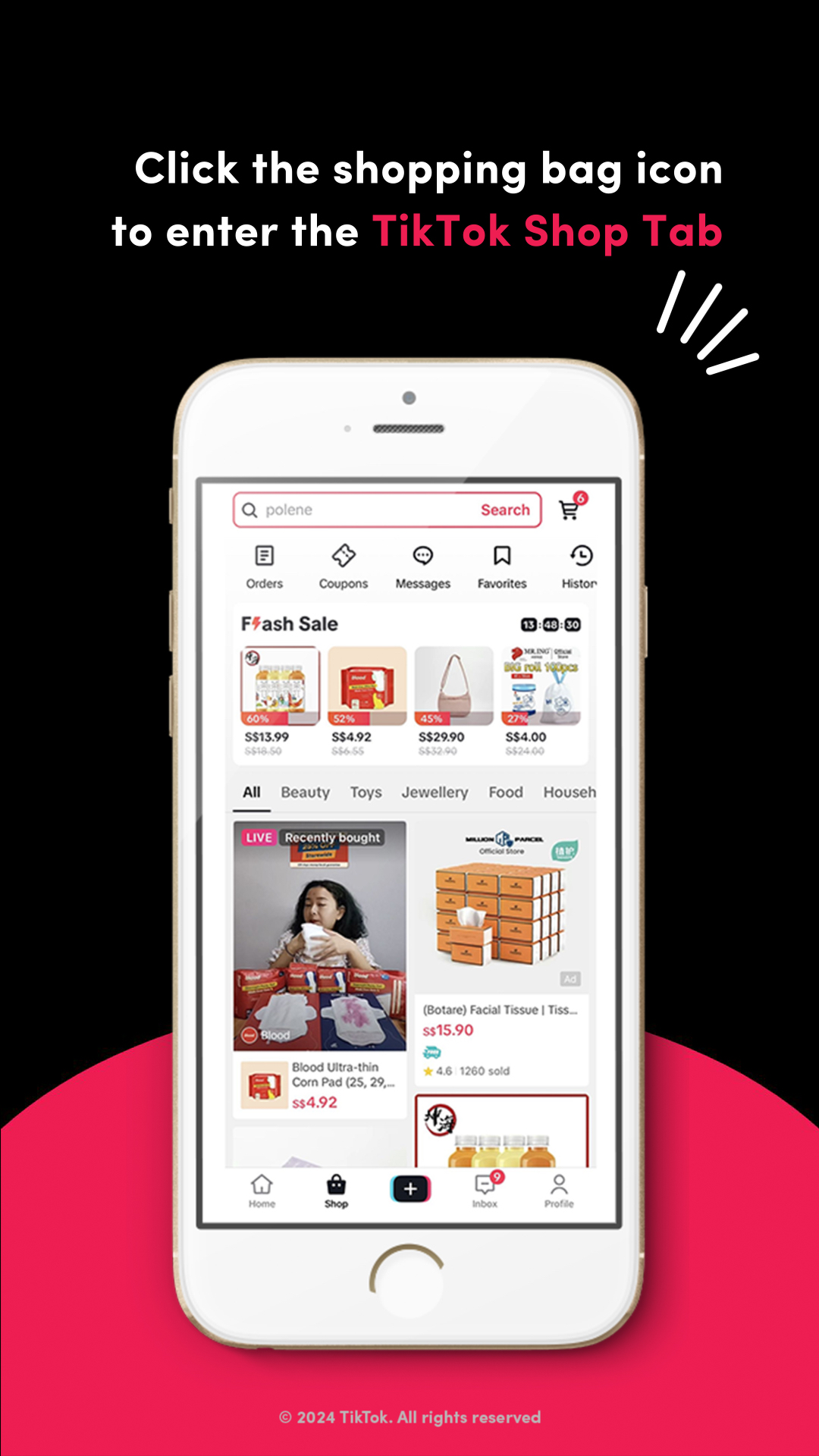
This aggressive commercial push is reshaping mobile retail. As platform monetization models face widespread scrutiny across mobile operating systems, a trend highlighted by a recent TechCrunch Report tracking structural challenges to traditional app store control, TikTok is building a self-contained retail ecosystem. By fusing creator affiliate commissions, proprietary warehousing, and short-form video, the social commerce ecosystem is aggressively slicing into market share once held entirely by legacy marketplaces.
📌 Key Takeaways:
- Behavioral Realignment: Shoppers are abandoning traditional keyword search bars in favor of algorithmically predicted impulse purchases served through native video feeds.
- Merchant Pressures: Rigorous fulfillment performance metrics and platform-enforced delivery windows are forcing merchants to split inventory between Amazon FBA and TikTok's emerging logistics network.
- Catalog Expansion: TikTok’s move into high-value categories, including certified fine art auctions, demonstrates an explicit plan to expand far beyond discount impulse goods.
The Death of Search Intent: Why Impulse Discovery Wins
Amazon operates as an efficiency engine. You search for replacement vacuum filters, choose the Prime-badged listing, and leave the app within two minutes. TikTok, conversely, is an attention capture machine designed to keep users engaged for hours. When commerce is placed directly inside that entertainment loop, the user journey changes fundamentally.
The platform's proprietary product discovery algorithm identifies subtle consumer inclinations based on watch time, comment interactions, and re-watches. Rather than waiting for a consumer to search for a kitchen gadget, the algorithm serves an unstaged, thirty-second cooking clip where that gadget solves a distinct annoyance. A single tap brings up the native checkout window. Industry tracking across early 2026 indicates that this streamlined flow delivers an in-app checkout conversion rate between 3.8% and 6.2% on top-performing viral products, nearly double the conversion rates typical of standard mobile web checkouts redirecting to third-party storefronts.
This frictionless path strips away the critical comparison window that Amazon has relied on for price defense. On Amazon, a shopper immediately sees twelve alternative options sponsored by competing third-party sellers. On TikTok, the viewer watches an engaging creator demonstration, clicks a product anchor embedded in the video, and finishes the order before second thoughts take hold.
Inside the Seller Center: Tougher Gates and Logistical Realities
The gold rush has not come without friction. Onboarding documents and seller guides published throughout 2026, including detailed regional breakdowns by outlets like Halston Media Group, show that ByteDance has dramatically tightened merchant onboarding requirements. Gone are the early days of loosely tracked cross-border dropshipping that flooded buyer mailboxes with broken plastic and month-long shipping estimates.
Merchants managing accounts inside the TikTok Shop seller center must now clear strict verification checks. Domestic business registrations, validated tax identification, strict identity screenings, and clean product liability track records are mandatory before a seller can list a single SKU. Sellers face immediate account suspensions if their order fulfillment latency slips past a strict 48-hour dispatch window.
To insulate buyers from delivery headaches, ByteDance established its own e-commerce fulfillment network, partnering with regional logistics hubs to match Amazon’s warehouse infrastructure. Merchants storing products directly inside partner fulfillment centers receive preferential placement across shoppable video feeds. This creates a challenging dynamic for mid-sized merchants: manage independent inventory pools across both Amazon and TikTok, or risk algorithmic demotion inside the social feed.
Amazon Marketplace vs. TikTok Shop: The Operational Divide
The friction between the two retail giants comes down to discovery philosophy, platform taxation, and traffic acquisition. Analysis published by Business of Apps underlines Amazon’s sheer scale, processing hundreds of billions in global gross merchandise value, yet TikTok’s growth trajectory among buyers under 35 continues to outpace traditional retail channels.
| Core Operational Metric | TikTok Shop Ecosystem | Amazon Marketplace |
|---|---|---|
| Discovery Method | Predictive algorithmic push; shoppable video feeds and interactive livestreams | Keyword search intent, structured product taxonomy, paid sponsored search placements |
| Merchant Referral Fees | Standard commission scales of 6%, 8%, plus optional creator affiliate payouts | Category-based referral fees averaging 8%, 15%, alongside mandatory ad bids for visibility |
| Creator Incentive Engine | Native affiliate marketplace with dynamic commission splits ranging from 10%, 25% | Amazon Associates program running lower fixed yields, typically 1%, 4% per attributed sale |
| Fulfillment Infrastructure | Hybrid fulfillment network utilizing contracted third-party logistics and regional hubs | Proprietary Fulfillment by Amazon (FBA) network featuring multi-tier nationwide sorting |
| Buyer Engagement Style | High-dwell entertainment browsing, spontaneous impulse conversions, peer validation | Direct transaction execution, spec verification, and crowdsourced star reviews |
Upstream Ambitions: The Fine Art Category Expansion
For months, critics dismissed TikTok Shop as a digital bazaar for cheap cosmetics, wire organizers, and fast fashion knockoffs. That critique lost its footing following an unexpected expansion reported by The Art Newspaper: TikTok Shop launched a dedicated fine art category, recruiting contemporary galleries, certified auction houses, and independent visual artists.
The introduction of high-end painting, certified printmaking, and sculpture directly challenges longstanding assumptions about social shopping limits. Verified art sellers are hosting structured TikTok live shopping sessions, walking prospective buyers through gallery showings, detailing medium compositions, and offering signed originals priced anywhere between $500 and $10,000.
This demographic elevation serves two strategic functions. It drives up average order values across the platform, generating larger individual processing cuts for ByteDance. Simultaneously, it demonstrates that user confidence in the in-app payment and shipping infrastructure has matured enough to support authenticated, fragile, and high-liability purchases without requiring traditional escrow intermediaries.
Creator Economics and the In-App Checkout Loop
The bedrock of TikTok's commercial growth remains its creator affiliate commission structure. Where traditional e-commerce brands spend tens of thousands of dollars on pay-per-click advertising with diminishing returns, social sellers offload marketing costs directly to content creators.
Through the platform's open marketplace, a creator can request sample products, film honest reactions or product reviews, link the product card into the upload, and automatically draw a 15% commission on every completed transaction. The seller pays zero marketing capital upfront; their advertising expense is realized entirely on completed sales. This creates an army of motivated micro-creators acting as an outsourced sales department.
Crucially, keeping payments inside the TikTok client sidesteps standard app store monetization challenges. Because transactions represent physical merchandise shipped to residential doorsteps rather than digital downloads, the orders bypass Apple and Google's 30% in-app purchase platform levies. This regulatory carve-out allows ByteDance to run lean transaction fees while funding user coupons and creator bonuses out of its own margins.
Strategic Pitfalls: Returns, Burnout, and Feed Saturation
Rapid expansion introduces immediate systemic vulnerabilities. Chief among them is user fatigue. Scroll through the core feed today, and every third video features a creator pitching an electric scrubber, a posture brace, or an insulated tumbler. When entertainment feeds become indistinguishable from late-night infomercials, audience engagement drops. Platform engineers walk a fine line, constantly recalibrating how many shoppable items can appear in an individual user's feed before retention metrics begin to slide.
Merchant operations present their own headaches. High-volume impulse buying brings elevated return rates. Sellers operating in fashion, beauty, and novelty consumer goods report return volumes between 20% and 35% on items sold during high-energy livestreams, compared to sub-15% return baselines on Amazon. Buyers swept up in limited-time countdown timers frequently experience buyer's remorse before the parcel even clears sorting hubs, leaving sellers to absorb reverse logistics shipping expenses.
Frequently Asked Questions (FAQ)
Q1: How does TikTok Shop protect buyers from counterfeit products and fraudulent sellers?
A1: Merchants must submit verified business documentation, bank details, and proof of brand licensing during the onboarding process. High-risk categories like consumer tech, luxury goods, and fine art require independent certificate verifications, and sellers failing authenticity checks face permanent platform bans and frozen payout funds.
Q2: Why are independent sellers expanding to TikTok Shop instead of staying purely on Amazon?
A2: Customer acquisition costs on Amazon have climbed due to rising sponsored ad bids. TikTok allows sellers to move substantial volume through viral organic video reach and creator affiliate programs without committing thousands of dollars in advance ad spend.
Q3: How do shipping times on TikTok Shop compare to Amazon Prime?
A3: While Amazon routinely hits same-day and next-day delivery marks via its proprietary logistics infrastructure, TikTok’s network generally averages 2 to 5 business days for domestic merchants. Products routed through certified fulfillment partner hubs receive higher tracking transparency to minimize parcel delays.
The Next Front in Global Retail Power
The confrontation between Amazon and TikTok Shop represents a collision of fundamentally different retail philosophies. Amazon built an empire on mechanical logistics, predictable delivery promises, and cold search efficiency. ByteDance has staked its future on narrative entertainment, spontaneous desire, and algorithmic discovery.
Amazon has not stood by idly. The Seattle retail giant has repeatedly tested native video feeds, expanded creator collaborations, and rolled out conversational shopping agents like Rufus to recapture browsing mindshare. Yet bolting video features onto an intent-driven search engine rarely replicates the kinetic culture of a video platform where consumers voluntarily spend hours each day.
As social shopping platforms advance upstream into higher-ticket goods, fine art collections, and structured regional logistics, retail dominance is breaking apart. The coming years will not belong exclusively to the fastest warehouse delivery network, but to whichever ecosystem successfully captures consumer attention before a shopping list is ever written.


