Is Channing Tatum Actually Changing His Name to Jeff? Fact-Checking the Viral Claim
When Channing Tatum walked into press junkets for his crime biopic Roofman, he knew the ghost of a decade-old punchline was waiting for him. Playing real-life fugitive Jeffrey Manchester, Tatum slipped back into the exact syllable that defined his digital footprint in 2014. Headlines quickly escalated after promotional interviews suggested the actor was ready to make the moniker permanent, leading aggregators to question whether paperwork had quietly been submitted to a county clerk. As detailed in a yahoo.com Report, Tatum leaned straight into the absurdity, openly joking that after living with the tag for twelve years, he might as well surrender his birth certificate to it.
The claim spread rapidly across social platforms, fueled by algorithmic feeds that thrive on taking deadpan actor banter at face value. For audiences who watched "My name is Jeff" migrate from a throwaway movie theater gag into an enduring internet relic, the idea of a formal name change felt just strange enough to be plausible. Yet the reality of the situation reveals far more about modern celebrity press machinery than it does about California state legal registries.
📌 Key Takeaways:
- The Legal Reality: Channing Tatum has not filed legal petition paperwork in Los Angeles County or any other jurisdiction to change his name to Jeff.
- The Catalyst: The rumor stems from promotional banter for Roofman, where Tatum portrays convicted robber Jeffrey Manchester.
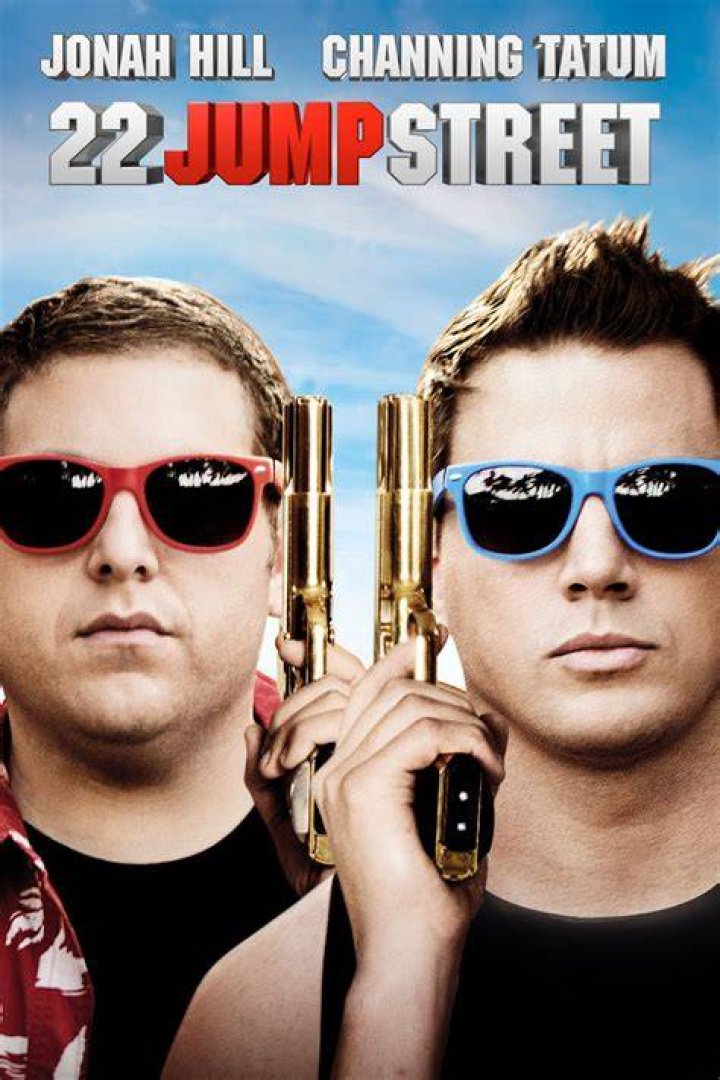
- The Cultural Longevity: First delivered in 2014’s 22 Jump Street, the four-word line remains one of the most durable audio memes in digital history.
The Press Tour Joke That Spawned a Legal Rumor
Press junkets are exhausting marathons of repetitive questioning, and actors frequently survive them by constructing running gags. During international promotion for Roofman, directed by Derek Cianfrance, interviewers repeatedly brought up the coincidence of Tatum portraying a man named Jeffrey. Tatum seized on the comedic parallel, remarking on camera that having spent over a decade being yelled at on the street by strangers, taking the name legally would simply save everyone time.
Aggregator accounts immediately clipped the quotes, stripped away the deadpan pauses, and formatted the remarks as breaking news bulletins. Within hours, threads across Reddit and X claimed that Tatum was following through with formal documentation. The quip was classic self-effacing Tatum, yet modern content aggregation strips irony to manufacture engagement, turning off-the-cuff comedy into an apparent celebrity life update.
Fact-Checking the Paperwork: Did Any Filing Actually Occur?
Celebrity legal name changes leave distinct public trails. In California, where Tatum resides, petitioning for a legal name change requires filing a formal Form NC-100 with the Superior Court, paying administrative fees, and publishing notice of the hearing in a recognized local newspaper for four consecutive weeks. No such filing exists under Tatum's legal name, Channing Matthew Tatum.
SAG-AFTRA union records, entertainment trade registries, and production call sheets for his upcoming slate all retain his birth name. Representatives for the actor confirmed behind the scenes that the remarks were pure promotional humor designed to play off his established public persona. Tatum is not becoming Jeff on paper, nor has he taken any formal exploratory legal steps to do so.
How Four Words in 2014 Created an Immortal Audio Meme
The line originated on the set of Phil Lord and Christopher Miller’s buddy-cop comedy 22 Jump Street. Undercover officers Greg Jenko (Tatum) and Morton Schmidt (Jonah Hill) infiltrate a drug ring operated by the fictional distributor Ghost. Jenko, clad in a tight suit and slicked hair, attempts to adopt an intimidating, gravelly Mexican cartel persona. Schmidt asks him his name, and Jenko chokes under pressure, producing a bewildered, high-pitched mutter: "My name is Jeff."
The beat was an improvised delivery that caught Hill off guard on set, remaining in the theatrical cut because of its sheer tonal mismatch. Once the film debuted in June 2014, the six-second clip migrated to Vine. The platform's short-form, infinite-loop mechanics turned the soundbite into an explosive punchline format. While thousands of contemporary movie quotes vanished, this specific phrase survived Vine's 2017 shutdown and flourished across YouTube remixes, Twitch soundboards, and modern TikTok lip-sync templates.
| Era | Primary Platform | Cultural Footprint |
|---|---|---|
| 2014, 2016 | Theatrical Release & Vine | Short-form looping video boom; peak adoption among teenagers and gaming communities. |
| 2017, 2021 | YouTube & Twitch | Used widely as an automated stream alert soundbite and ironic non-sequitur reaction. |
| 2022, 2026 | TikTok & Film Press Tours | Nostalgia-driven audio resurgences; renewed visibility tied directly to Roofman publicity. |
Jeffrey Manchester vs. Greg Jenko: The Role That Reignited the Joke
The thematic irony behind the rumor is that Roofman is far from a broad comedy. The film dramatizes the true crime trajectory of Jeffrey Manchester, an Army reservist who gained national notoriety by robbing over 40 McDonald's locations across the United States. Manchester earned his moniker by breaking in through roofs before dawn and waiting for morning staff.
After escaping prison in 2004, Manchester lived undetected for months inside an abandoned Toys "R" Us in Charlotte, North Carolina, surviving on baby food and exercising on bicycles display models. Tatum’s portrayal tackles a real man whose calculated, disciplined evasion contrasted heavily with Greg Jenko's bumbling undercover persona. Yet the presence of the name Jeff in the script ensured that audiences instantly bridged the gap between serious narrative drama and slapstick internet history.
Why Celebrity Name Changes Blur the Line Between Fact and Prank
The public fell for Tatum's junket joke because genuine celebrity name changes have become increasingly common. Jonah Hill legally dropped his birth surname Feldstein in 2022 after decades of performing under his chosen professional moniker. Kanye West legally shortened his name to Ye in a California courtroom in 2021, citing personal and spiritual reasons.
Audiences have watched performers pivot their legal identities for branding, personal identity, and creative reinvention. When a major movie star playfully hints at taking on his most famous meme name, the prospect seems just believable enough to slip past media literacy filters. Tatum used that familiarity to his advantage, keeping conversation surrounding an indie-leaning crime drama buzzing across the digital ecosystem without spending extra marketing capital.
Frequently Asked Questions (FAQ)
Q1: Did Channing Tatum actually file paperwork to change his name to Jeff?
No. There are no court petitions filed in California or elsewhere. Tatum made deadpan remarks during promotional interviews for Roofman, referencing the ongoing viral life of his 2014 movie line.
Q2: What movie made the phrase "My name is Jeff" famous?
The line comes from the 2014 action-comedy 22 Jump Street, directed by Phil Lord and Christopher Miller. Tatum’s character, Officer Greg Jenko, utters the line in an unconvincing voice while attempting to disguise his identity in front of armed cartel members.
Q3: Who is the real-life person Tatum plays in 'Roofman'?
Tatum stars as Jeffrey Manchester, a former U.S. Army reservist and prolific serial robber known for dropping through restaurant roofs. Manchester famously escaped custody in 2004 and hid inside a North Carolina Toys "R" Us for months before his recapture.
The Staying Power of an Accidental Punchline
Most internet memes disappear within weeks, buried by new cycles of algorithmic attention. The persistence of Tatum's four-word slip demonstrates how certain moments of comedic timing settle permanently into everyday conversation. Twelve years after 22 Jump Street hit theaters, the line functions as an instant shared reference point that needs no setup.
Tatum’s press-tour remarks were an acknowledgment of reality: once an actor gifts the internet an indelible soundbite, escaping it is impossible. By joking about embracing the identity rather than fighting it, Tatum turned what could have been an annoying distraction into an effective publicity lever for Roofman. The legal records remain unchanged, but in the cultural archive of modern movie comedies, the name sticks indefinitely.