Is Gel-X Caught in the Gel Polish Ban? Fact-Checking New Regulations and Chemical Safety
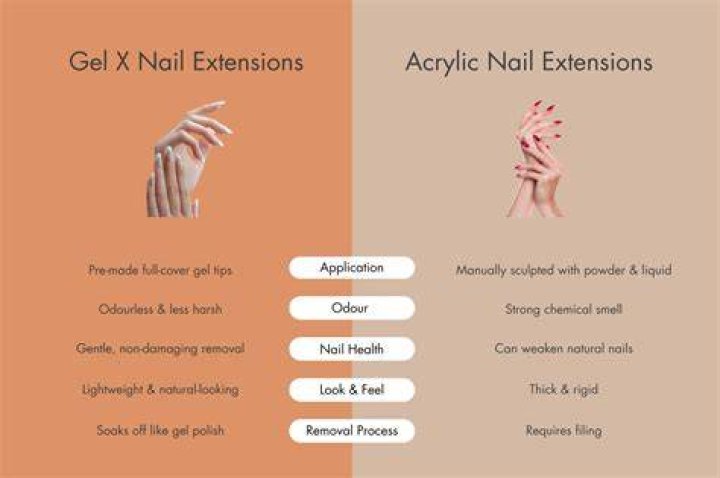
Social media feeds and nail appointment books look decidedly different this year as salon clients confront alarming headlines about outlawed chemicals and severe allergic reactions. Regulators across the globe are targeting hazardous ingredients in salon products, igniting frantic rumors that popular soft gel extensions face an outright commercial ban. As documented by an investigative PolitiFact Report on gel nail polish safety, public confusion has surged around which cosmetic chemicals are facing real prohibitions and whether UV light exposure poses acute health risks.
The anxiety is palpable among clients who abandoned traditional acrylics for the flexibility and clean aesthetic of soak-off gel systems. Aprés Nail popularized the system under the trademarked Gel-X name, and dozens of competitors quickly introduced their own full-cover soft gel tips. But untangling marketing claims from actual legal mandates requires examining chemical compounds, polymerization science, and cosmetic safety regulations.
📌 Quick Summary:
- The Direct Verdict: Gel-X tips themselves are not banned; regulatory prohibitions specifically target uncured liquid adhesives and gel polishes containing the photoinitiator TPO and unrestricted HEMA monomers.
- The Regulatory Catalyst: The European Union classified TPO as a reproductive toxin, prohibiting its sale in cosmetics across member states and forcing worldwide adhesive reformulations.
- The True Health Hazard: Methacrylate allergies and contact dermatitis stem primarily from under-curing adhesives under weak UV LED lamps, creating permanent sensitization risks.
The European Crackdown on TPO and Nail Chemistry
The regulatory tremor shaking the beauty industry originated in Brussels. The European Union implemented Regulation (EU) 2024/197, reclassifying diphenyl(2,4,6-trimethylbenzoyl)phosphine oxide, commonly known as TPO, as a Category 1B reproductive toxicant. Under European cosmetic frameworks, any chemical receiving this CMR designation faces an immediate phase-out. The mandatory cut-off date banned products containing TPO from commercial shelves and European salon stations.
TPO functions as a photoinitiator. When exposed to specific wavelengths emitted by a UV LED lamp, photoinitiators absorb light energy and release free radicals. These free radicals trigger a rapid chain reaction, converting liquid monomers and oligomers into a rigid, durable polymer network. TPO was long favored by cosmetic chemists because it cures rapidly, resists yellowing, and ensures deep cures in thick, opaque builder gels.
The ban ignited immediate panic across North America and the UK. Social feeds conflated the specific prohibition of TPO with a blanket ban on all gel enhancements. Gel-X tips are not liquids. They arrive at salon desks as pre-polymerized, fully cured plastic extensions made from flexible gel formulas. The regulatory action does not prohibit the tips. Instead, it directly targets the liquid bonding adhesives, base coats, and colored gel polishes required to anchor those tips to the natural nail plate.
How Soft Gel Extensions Function Under the Microscope
Understanding where regulatory risk sits requires understanding how full-cover systems operate. Traditional extensions use a liquid monomer (often ethyl methacrylate) mixed with a polymer powder to form an air-drying paste sculpted directly onto a paper form or plastic tip. Full-cover soft gel extensions take an entirely different structural approach.
The tip itself is manufactured in a factory using medical-grade or high-clarity soft gel polymers. It sits over the entire natural nail, extending past the free edge. Because the plastic tip is already fully cured, it releases virtually zero volatile organic compounds and carries minimal risk of direct sensitization. The biological interaction occurs beneath the tip.
To adhere the extension, technicians apply a liquid soak-off gel adhesive, frequently sold under names like Extend Gel, directly to the etched natural nail and the hollow base of the tip. The technician presses the tip onto the nail plate, pushing out air pockets, and holds it under a mini curing torch before placing the entire hand into a full-sized UV LED lamp. If that bonding liquid contains banned photoinitiators like TPO or excessive concentrations of volatile monomers, the client faces real exposure before the lamp ever turns on.
Gel-X vs Acrylics: Chemical Profiles, Curing, and Structural Stress
The debate between soft gel systems and legacy liquid-and-powder acrylics involves distinct chemical mechanics, application steps, and long-term consequences for nail plate health. Each system presents unique clinical trade-offs that consumers rarely hear about during appointments.
| Feature | Soft Gel Systems (Gel-X Style) | Traditional Liquid & Powder Acrylics |
|---|---|---|
| Curing Mechanism | Photopolymerization via 365, 405 nm UV LED light | Chemical cross-linking via benzoyl peroxide auto-cure |
| Primary Monomer Exposure | HEMA, Isobornyl Acrylate, Di-HEMA TMHDC | Ethyl Methacrylate (EMA); rarely Methyl Methacrylate (MMA) |
| Target of 2025, 2026 Bans | TPO photoinitiator; restricted consumer HEMA sales | MMA banned globally; stringent occupational dust limits |
| Removal Process | Acetone soak-off within 15, 20 minutes | Extensive electronic filing followed by prolonged soaking |
| Sensitization Danger | High risk from under-cured adhesive touching surrounding skin | Moderate-to-high risk from wet brush touching eponychium |
While acrylic nails earned widespread criticism due to toxic volatile odors, highlighted in workplace studies by institutions like the University of Nevada, Reno, soft gel formulas mask their chemical presence behind an odorless exterior. That lack of scent creates a false impression of total safety. Liquid acrylics announce their volatility through heavy vapors; gel adhesives sit quietly against the cuticles, slowly migrating into living tissue if misapplied.
The Methacrylate Allergy Trap: HEMA and Incomplete Curing
The true clinical emergency confronting the nail sector is not toxic poisoning from TPO. It is contact allergy. Dermatologists worldwide report a sharp spike in patients presenting with severe, intractable contact dermatitis linked directly to methacrylate monomers.
Hydroxyethyl methacrylate (HEMA) is the primary culprit. It is a tiny, highly reactive monomer known for exceptional adhesion and solvent properties. Because of its microscopic molecular weight, unbound HEMA slips easily through the skin's lipid barrier. Once inside the epidermis, it binds to natural proteins, prompting the immune system to identify it as a foreign threat. Once sensitized, an individual develops a lifelong allergy.
This allergy carries grave real-world consequences far beyond manicures. Methacrylates are essential components of dental composite fillings, bone cements used in joint replacements, and continuous glucose monitoring patches used by diabetics. Developing a severe allergy at a nail salon can complicate major medical interventions decades later.
Sensitization happens primarily through two vectors: sloppy application that floods the lateral nail folds, and incomplete UV LED lamp exposure. A gel adhesive can look solid to the naked eye when it has only achieved a 50% or 60% chemical cure. The exterior shell hardens, trapping free, unreacted monomers directly against the porous nail plate. Over days, these loose monomers leach down to the nail bed, triggering painful onycholysis, the complete detachment of the nail plate from the underlying tissue.
Salon Ventilation Standards and the Formulation Shift
The intersection of EU chemical prohibitions and mounting clinical data has accelerated industry-wide change. Major manufacturers are eliminating TPO from their lines, replacing it with alternatives like TMO (Trimethylbenzoyl diphenylphosphinate) or refined formulations of camphorquinone and BAPO (bis-acylphosphine oxide). Simultaneously, companies are launching professional lines labeled "HEMA-Free," turning to larger-molecule alternatives like Di-HEMA TMHDC or specialized acrylate oligomers that struggle to breach human skin.
These reformulations do not eliminate responsibility inside the salon. Even the safest low-allergen resin can sensitize tissue if applied incorrectly or cured under mismatched equipment. Salon ventilation standards are facing renewed scrutiny from public health authorities. In several jurisdictions, inspectors now require source-capture exhaust systems mounted directly to manicure desks to pull vapors and airborne filing dust away from both the technician and the client.
The equipment matching crisis remains another major challenge. Gel chemistry relies on precise light wavelengths (typically 365 nm for surface hardness and 405 nm for deep curing) alongside adequate radiant flux. Inexpensive, low-wattage lamps bought online rarely generate sufficient energy to cure thick bonding adhesives beneath tinted or opaque tips. High-end brands now instruct technicians to cure exclusively using brand-matched lamps engineered to their specific adhesive formulations.
Frequently Asked Questions
Are Gel-X extensions completely banned in the United States or the European Union?
No. The pre-manufactured extensions themselves are legal and unaffected by cosmetic restrictions. Regulatory actions only target specific ingredients, such as TPO and high concentrations of HEMA, found in the liquid adhesives and gel polishes used alongside the extensions.
What symptoms indicate an allergy to gel nail chemicals?
Initial warning signs include intense itching around the nail folds, redness, burning sensations, and small, fluid-filled blisters along the fingertips. Advanced reactions cause the nail plate to separate from the nail bed (onycholysis), skin peeling, dry cracking, and systemic hives.
How can consumers verify that their salon cures gel nails safely?
Ask whether the technician uses the manufacturer's dedicated lamp paired with the adhesive brand, rather than a generic mini-light. Inquire if their adhesives are free of TPO and formulated with low-HEMA content. Ensure the technician never allows uncured liquid gel to touch surrounding skin.
Safeguarding Your Nails Through New Safety Standards
The chemical bans sweeping through the cosmetics world mark a long-overdue transition toward safety and professional transparency. Soft gel extensions remain an outstanding, resilient alternative to traditional nail enhancements, but the era of casual, unregulated chemical use is over. Salon clients can no longer treat cosmetic nail enhancements as completely harmless cosmetic treatments.
Protecting nail plate health requires informed consumer choices. Prioritize salons that invest in certified technician training, utilize medical-grade source ventilation, and work exclusively with brand-matched curing hardware. By understanding the chemical ingredients touching your nail bed and insisting on disciplined application standards, you can enjoy durable nail enhancements without putting your immune system at risk.


