Is LMK Passive-Aggressive? The Truth Behind the Popular Texting Acronym

A three-letter ping lands on your phone screen with no punctuation: "LMK." Depending on who sent it, that tiny prompt can read as a relaxed, efficient sign-off or an impatient demand for an answer. As outlined in a recent Reader's Digest Report on modern texting etiquette rules, subtle syntax choices and shorthand trigger outsized emotional reactions in digital exchanges. What was created to save precious keystrokes on numeric keypads now carries complex social baggage.
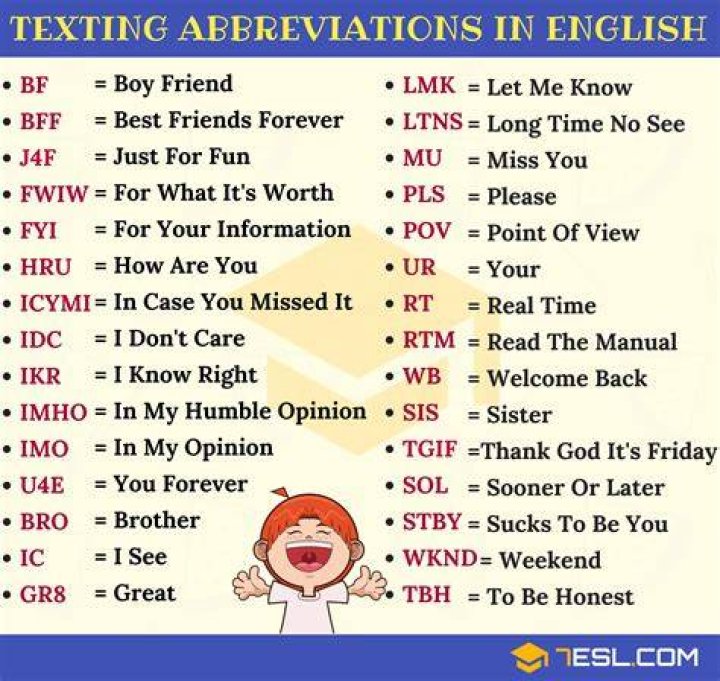
The core acronym definition is simple enough: "let me know." Yet across professional platforms, messaging apps, and dating threads, the interpretation of those letters shifts constantly. Context, capitalization, and the relationship between sender and recipient turn a standard phrase into a linguistic minefield.
📌 Key Takeaways:
- Core Definition: LMK directly translates to "let me know," acting as a request for information, confirmation, or future availability.
- The Tone Divide: Capitalized or isolated as a single message, "LMK" frequently reads as blunt or passive-aggressive, particularly to younger recipients who value conversational softness.
- Contextual Etiquette: Workplace chat platforms demand specific follow-ups and deadlines, whereas casual social circles tolerate quick, unvarnished abbreviations.
- Polite Substitutes: Swapping bare acronyms for brief, contextual sentences reduces ambiguity and eliminates conversational friction.
The Evolution of LMK from Early Chatrooms to Modern Screens
Texting abbreviations date back to SMS constraints and early internet slang. During the late 1990s and early 2000s, cell phone carriers imposed strict 160-character limits per message, charging per individual dispatch. Entering every letter required cycling through multi-tap numeric keypads. Shortenings like "BRB" (be right back), "TBH" (to be honest), and "LMK" arose out of sheer mechanical necessity.
As smartphones introduced predictive text and full QWERTY keyboards, the functional requirement to compress words vanished. Yet chat abbreviations survived, shifting from technical workarounds into markers of conversational register. In casual messaging, abbreviations signify brevity and informal ease. When someone writes "lmk" in lowercase to a close friend, it mimics a casual shrug or a low-pressure query.
Generational patterns heavily influence this perception. Sociolinguistic studies across text corpora highlight a widening divide: older demographics frequently view uppercase acronyms as clean, efficient standard shorthand, while younger digital natives associate all-caps abbreviations with abruptness, impatience, or administrative barking.
Why Three Capital Letters Can Sound Hostile
Tone does not travel through glass screens easily. Without vocal inflection, facial cues, or body language, readers supply their own emotional subtext to written words. When a message reads simply "LMK.", the absence of softening punctuation creates an impression of flat detachment.
The perceived passive aggressive tone of "LMK" typically stems from three factors:
- Isolation: Sending the acronym as a standalone response makes it appear dismissive, implying the sender lacks the time to compose a complete sentence.
- Capitalization: In digital communication nuance, all-caps strings mimic raised voices or stern managerial directives. Lowercase "lmk" lands far softer than "LMK."
- Terminal Punctuation: Adding a period to an acronym, writing "LMK.", signals finality and irritation to demographics who treat text periods as emotional full stops.
When someone asks, "Are we still meeting at 6?" and the reply is a stark "LMK," the recipient often wonders if the sender is annoyed. The phrase shifts the entire burden of coordination back onto the reader without offering reciprocal warmth.
Evaluating Tone Across Everyday Digital Scenarios
The social impact of texting abbreviations depends heavily on platform architecture and relationship proximity. What works seamlessly inside an iMessage thread with a sibling can stall a conversation on Microsoft Teams.
| Context | Message Format | Perceived Tone | Response Expectation |
|---|---|---|---|
| Casual Friendship | "heading out soon, lmk if u need a ride!" | Warm, flexible, low-stakes | Optional reply before departure |
| Workplace Chat (Slack/Teams) | "Updated the deck. LMK your thoughts." | Direct, task-driven, borderline terse | Actionable feedback by end of day |
| Dating App / Early Courtship | "Drinks Thursday? LMK." | Guarded, indifferent, detached | High risk of conversation stalling |
| Conflict / Unresolved Plan | "Still waiting. LMK." | Explicitly passive-aggressive | Immediate defensive response or silence |
The table reveals how subtle structural changes alter the social contract. Adding lowercase letters, context, and clear intent strips away ambiguity, leaving little room for misinterpretation.

Workplace Texting Rules and Professional Slack Etiquette
Internal workplace messaging apps have largely replaced traditional email threads for quick operational updates. As these channels adopt casual chat formats, professional boundaries often blur. Dropping shorthand acronyms into high-stakes corporate conversations introduces risks.
When managers use "LMK" with subordinates, the lack of an explicit deadline creates anxiety. Does "LMK what you think" mean drop everything and review the document now, or glance at it whenever schedule permits? In high-pressure corporate environments, employees assume the former. Clear workplace texting rules demand specificity: state what feedback is required and provide a realistic timeframe.
Senior leaders communicating upward face equal peril. Sending a bare abbreviation to an executive or an external client signals sloppy habits. Professional etiquette favors complete phrases: "Please let me know your thoughts by Thursday afternoon" commands far more respect than an isolated abbreviation.
Relationship Anxiety and Ambiguous Messaging
In modern romantic communication, abbreviations often signal emotional distance. When dating partners negotiate plans, vulnerability matters. Suggesting dinner requires social risk; closing that offer with a clipped "LMK" acts as an emotional safety net, telegraphing: I care so little that I won't even type the words.
Relationship analyses, such as those compiled in recent coverage by PureWow on digital dating dynamics, confirm that open-ended indifference frequently precedes romantic ghosting. When one party consistently drops casual shorthand instead of engaging in balanced conversation, the other reads the disinterest clearly. The recipient feels pressured to carry the logistical load while sensing that the sender is already checked out.
Social etiquette in SMS relies on matching the energy of the sender. If someone sends an enthusiastic three-paragraph invitation, responding with "Cool, lmk" creates a jarring imbalance. Conversational warmth requires roughly equitable investment.
Clear and Polite Alternatives to Use Instead
Upgrading your digital phrasing does not require writing flowery, Victorian prose. Replacing abrupt abbreviations with precise sentences saves relationships from unnecessary friction.
When coordinating with colleagues, choose clarity over speed:
- Instead of: "Review this doc. LMK."
- Try: "Could you take a look at section three when you have a moment today? No rush before 3 PM."
When organizing plans with friends or partners, choose warmth over brevity:
- Instead of: "Free tonight? LMK."
- Try: "Thinking of grabbing tacos around 7, would love for you to join if you're free!"
If you genuinely prefer using shorthand to save time while typing on mobile devices, cushion the acronym with conversational padding. "Sounds good, lmk when you land!" feels friendly and inviting, neutralizing the coldness of the standalone acronym.
Frequently Asked Questions (FAQ)
Q1: What does LMK mean in text messaging?
LMK stands for "let me know." People use it across SMS, social media apps, and workplace messaging platforms as an abbreviated request for information, confirmation, or updates regarding a specific plan or topic.
Q2: Is using LMK considered rude or passive-aggressive?
It is not inherently rude, but context dictates its reception. A lone, capitalized "LMK." sent with a period often sounds dismissive, cold, or impatient. Writing it in lowercase ("lmk") within an enthusiastic, complete sentence prevents negative interpretations.
Q3: How should I respond when someone texts me "LMK"?
Assess the request and reply based on your current knowledge. If you have the answer, respond directly: "Will do, planning on 6 PM." If you need time to decide, set a clear expectation: "Still checking my schedule, I'll update you by noon tomorrow."
Q4: Is LMK appropriate for business emails and professional chats?
Avoid it in formal business emails, client correspondence, or executive communications. In casual internal team chats like Slack or Teams, it is generally acceptable among peers, provided you pair it with clear context and a specific timeframe.
Q5: What is the difference between LMK and WBY?
LMK means "let me know" and asks the recipient to supply future information or make a decision. WBY stands for "what about you?" and prompts the recipient to share their current perspective or mirror an answer immediately within an active dialogue.
Navigating Conversational Boundaries in Everyday Texts
Digital communication strips away the human voice, leaving punctuation, capitalization, and phrasing to carry our intentions. The acronym "LMK" is neither entirely toxic nor universally harmless. It is a linguistic shortcut that demands mindful usage.
Taking an extra four seconds to spell out "let me know" changes the emotional temperature of an exchange. Adding a timeline removes guesswork for colleagues. Padding a casual message with friendly context reassures friends and romantic interests. Clarity and intentionality remain the best defense against misunderstood screens.