Is Macaulay Culkin Returning as Kevin McCallister? Inside Disney's Secret Talks
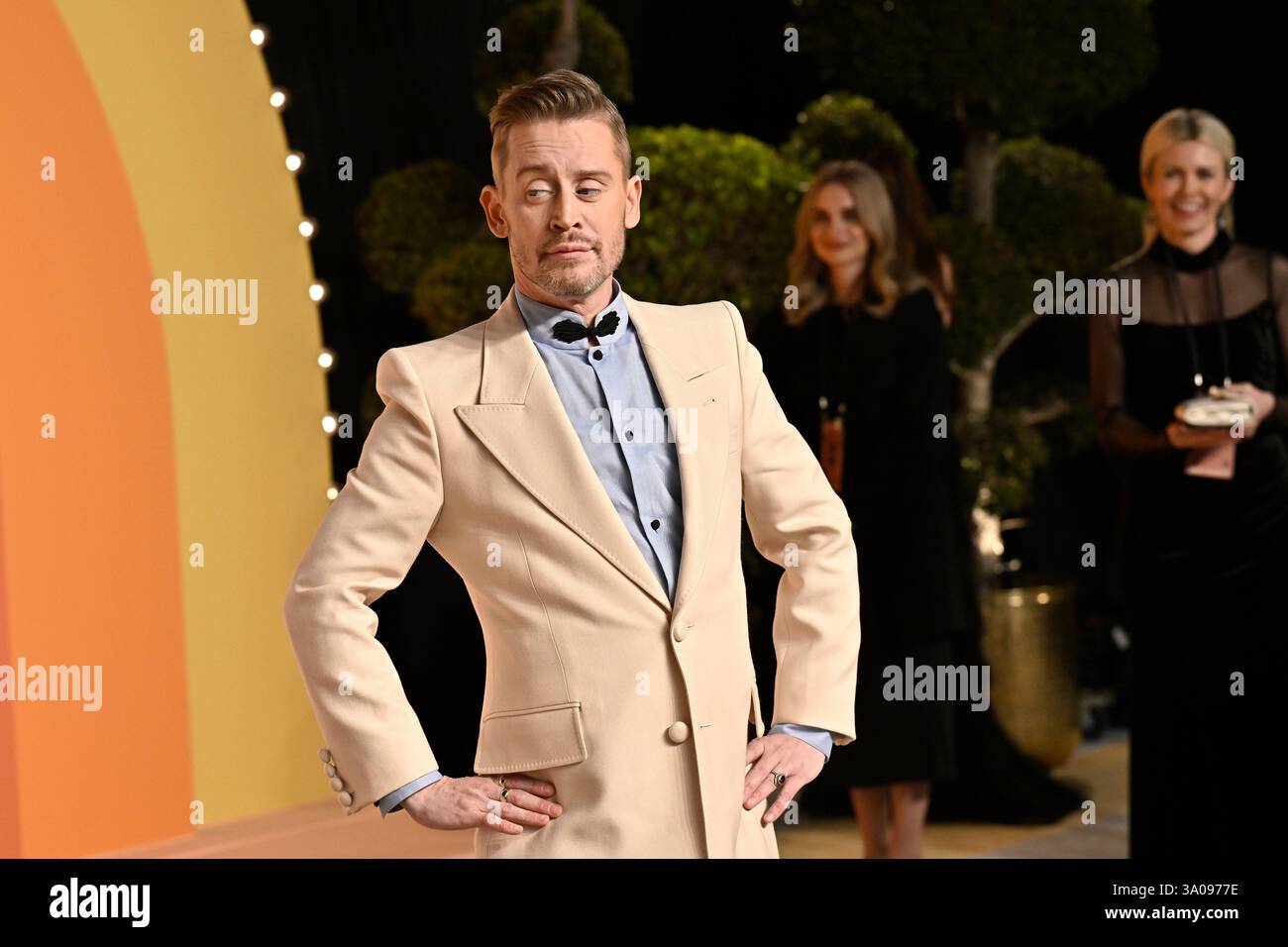
Hollywood studio executives have spent decades attempting to recapture the lightning in a bottle that turned an eight-year-old boy defending a suburban Chicago home into a multi-billion-dollar cultural juggernaut. According to a breaking TV Insider Report corroborated by industry reporting across NME and WDW News Today, Disney executives have entered direct discussions with Macaulay Culkin regarding a potential return to the franchise. This development represents a stark break from prior reboot attempts, signaling that Burbank may finally understand what fans have demanded for thirty-five years: there is no true McCallister story without Culkin himself.
Rather than sitting as a passive target for studio nostalgia, Culkin brought his own creative vision to the table. Early tracking from internal studio corridors reveals that Culkin initiated conversations with a bespoke pitch centered around an adult Kevin McCallister facing modern domestic chaos. After years of keeping his distance from the character that defined his childhood, Culkin's willingness to engage signals a monumental shift in how the studio plans to handle its crown-jewel holiday intellectual property moving forward.
📌 Key Takeaways:
- The Direct Negotiations: Industry reports reveal that Disney leadership recently engaged in exploratory creative meetings directly with Macaulay Culkin.
- The Actor-Driven Concept: The discussions stem from a specific narrative pitch developed with Culkin, moving past generic studio-mandated reboot concepts.
- Franchise Trajectory: Disney aims to avoid the critical missteps of past streaming spinoffs by securing the original lead for a legitimate legacy continuation.
The Long Road Back to the McCallister Household
For more than three decades, Culkin treated his signature character with wry detachment. He declined countless television reunions, avoided corporate brand extensions, and occasionally poked fun at his childhood persona in viral commercial campaigns or web shorts. That distance was entirely intentional. Following his emancipation and well-documented early retirement from Hollywood in the mid-1990s, Culkin guarded his autonomy carefully.
The cultural temperature shifted noticeably when Culkin received his Hollywood Walk of Fame star in December 2023. Standing beside his screen mother, Catherine O'Hara, Culkin delivered his classic line, "Merry Christmas, ya filthy animals", with genuine affection rather than reluctance. The emotional public appearance demonstrated to studio heads that Culkin had fully reconciled with his legacy. Public interest exploded across online communities, demonstrating that multi-generational audiences still consider Kevin McCallister the undisputed gold standard of holiday family entertainment.
Disney's acquisition of 20th Century Fox in 2019 granted the company ownership of the entire franchise library, putting immediate pressure on streaming planners to exploit the property. The first attempt, the 2021 streaming release Home Sweet Home Alone, largely bypassed the original cast aside from a brief cameo by Devin Ratray reprising his role as Buzz. The film drew harsh reviews and low audience retention, underscoring that brand recognition alone cannot substitute for the original screen chemistry.
Inside Culkin's Pitch: Subverting the Classic Formula
The creative momentum behind the current discussions stems from a pitch Culkin brought forward rather than a script generated by committee. Hollywood insiders indicate the premise explores what happens when a hyper-resourceful kid grows into an adult navigating twenty-first-century security paranoia, automated smart homes, and parenthood.
Fans on Reddit's popular movie discussion communities have spent years mapping out hypothetical concepts: Kevin McCallister running a high-end residential home security firm, or Kevin managing children who inadvertently trigger his own vintage defensive setups. Early details surrounding Culkin's meeting indicate his concept balances sharp contemporary humor with genuine family warmth, intentionally avoiding the slapstick cartoonishness that doomed earlier sequels.
The dynamic must also address the legendary Wet Bandits legacy originally brought to life by Joe Pesci and Daniel Stern. Any narrative attempting to extend the McCallister canon faces the creative challenge of replacing or honoring those original antagonists. A modern script requires believable stakes while maintaining the seasonal wonder that made the 1990 original a global box-office titan.
Tracking the Franchise: Box Office and Critical Benchmarks
Evaluating Disney's eagerness to bring Culkin back requires looking at the historical performance of the property across four decades of theatrical releases and streaming experiments.
| Title & Release Window | Culkin Involvement | Global Box Office / Reach | Rotten Tomatoes Score |
|---|---|---|---|
| Home Alone (1990) | Lead (Kevin McCallister) | $476.7M | 67% Critics / 80% Audience |
| Home Alone 2: Lost in New York (1992) | Lead (Kevin McCallister) | $358.9M | 35% Critics / 61% Audience |
| Home Alone 3 (1997) | None (New Cast) | $79.1M | 29% Critics / 27% Audience |
| Home Sweet Home Alone (2021) | None (Direct-to-Streaming) | SVOD Release (Disney+) | 15% Critics / 24% Audience |
| Active Disney Talks (2025, 2026) | Lead & Executive Producer Pitch | Theatrical / Disney+ Priority | In Active Development |
The numbers highlight an undeniable reality. Every iteration produced without Macaulay Culkin suffered steep drop-offs in both financial return and audience goodwill. For Disney's studio operations, bringing Culkin back into the fold is not simply a creative novelty; it is a calculated risk-mitigation strategy designed to restore commercial legitimacy to a multi-billion-dollar brand.

Director Chris Columbus and the Purist Creative Philosophy
Any serious legacy continuation must reckon with the perspective of original director Chris Columbus. In multiple career retrospectives, Columbus voiced strong skepticism about Hollywood's obsession with churning out uninspired sequels. Columbus famously referred to past studio-driven remakes as pointless exercises that fail to understand John Hughes's sharp writing voice.
Columbus argued that modern technology fundamentally broke the classic narrative setup. Cell phones, cloud security feeds, and geolocation apps eliminate the accidental isolation that drove the 1990 storyline. If an eight-year-old gets left behind today, a parent can ping a smartphone within seconds. Overcoming this technological hurdle requires a clever, self-aware script that uses modern conveniences to raise the stakes rather than ignoring them.
Industry analysts note that Culkin's direct involvement could serve as the bridge to bring Columbus aboard as a producer or creative consultant. If Culkin and Columbus present a unified vision, Disney will likely commit the production budget needed for an event-level theatrical rollout rather than a disposable direct-to-consumer streaming title.
Macaulay Culkin's Creative Evolution Beyond Child Stardom
Culkin approaches these discussions from a position of personal and professional strength. Rather than chasing franchise paydays, his recent career choices reflect selective, offbeat artistic freedom. His acclaimed performance in Ryan Murphy's American Horror Story: Double Feature earned praise from critics who had not seen him tackle dramatic television in years. His indie pop-culture media collective, Bunny Ears, established his identity as a sharp, self-aware creative voice.
Family life also reshaped his public outlook. Culkin and his partner, actress Brenda Song, share two young children. Navigating fatherhood directly influences how Culkin views family entertainment. A McCallister sequel centered around an overwhelmed father trying to protect his children mirrors his actual stage of life, providing natural emotional resonance rather than empty pastiche.
This creative maturity gives Culkin significant bargaining leverage during studio negotiations. Disney cannot simply offer a standard talent fee and expect him to play along. Culkin holds the cards: creative control, executive producer credits, and final script approval will dictate whether this concept ever moves past the conference room.
Frequently Asked Questions (FAQ)
Q1: Has Disney officially confirmed a release date for the new movie?
A1: No. While discussions between Disney executives and Macaulay Culkin have taken place, the project remains in developmental pitch stages without a locked production timeline or greenlit release calendar.
Q2: Will original co-stars Joe Pesci, Daniel Stern, or Catherine O'Hara return?
A2: No additional cast members have signed onto the project yet. Catherine O'Hara has publicly praised Culkin and maintains a close friendship with him, while Joe Pesci has historically remained extremely selective regarding comedic acting roles.
Q3: Will the project debut in movie theaters or stream exclusively on Disney+?
A3: Studio sources indicate distribution depends on final development scale. If Culkin signs as executive producer and lead actor, Disney will likely target a high-profile theatrical window before moving the title to holiday streaming platforms.
The Road Ahead for Kevin McCallister
The prospect of Macaulay Culkin returning to his most celebrated role marks an inflection point for contemporary Hollywood legacy sequels. The era of carelessly swapping fresh actors into beloved nostalgic frameworks has run its course, rejected decisively by audiences seeking authentic continuations. If Disney commits the creative discipline and resources to honor Culkin's vision, an adult Kevin McCallister could finally deliver the definitive seasonal return moviegoers have spent three decades waiting to see.