Is Mud Actually Good for You? Your Complete Guide to Soil Health and Dirt Play
Decades of aggressive sterilization campaigns taught modern households to treat wet dirt as an enemy vector for disease. Yet across pediatric wards, sports medicine clinics, and neurobiology labs, soil is regaining clinical respect. While consumers reassess the physical footprint of industrial lifestyles, a shift documented in the recent Good On You Report tracking regenerative practices, biomedical researchers are examining an equally foundational relationship: the biological exchange between human tissue and wet earth.
The conversation goes far beyond casual nostalgia for unpaved childhoods. As lifestyle publications like The Times of India highlight in their coverage of modern mental wellness, mud therapy has migrated from fringe spas to peer-reviewed neuropsychiatry protocols. Understanding whether mud benefits human physiology requires separating the genuine biochemical mechanisms of soil microbes from romanticized wellness myths.
📌 Key Takeaways:
- Microbial Exposure: Contact with diverse soil microbes trains human regulatory T-cells, moderating systemic inflammation and blunting autoimmune responses.
- Neurological Impact: Harmless soil saprophytes such as Mycobacterium vaccae trigger localized serotonin production in mammalian brains, reducing serum cortisol levels by measurable margins.
- Clinical Application: Medical pelotherapy uses sterilized, mineral-dense clay suspensions to repair the skin barrier, distinct from untested urban dirt that carries heavy metal risks.
The Sanitization Paradox and the Hygiene Hypothesis
Urbanized societies eliminated severe waterborne pathogens over the twentieth century through chlorination, pasteurization, and synthetic sanitation. That intervention saved hundreds of millions of lives. Concurrently, rates of asthma, allergic rhinitis, eczema, and Crohn's disease spiked across industrialized regions by over 300% between 1960 and 2020.
Epidemiologist David Strachan first framed this dilemma as the hygiene hypothesis in 1989. Modern immunology has since refined his initial premise into the "Old Friends" hypothesis. The human immune system did not evolve in sterile apartments. It co-evolved alongside thousands of benign bacteria, fungi, and protozoa native to damp, organically rich topsoil. Without regular biological prompts from these environmental organisms during early developmental windows, human regulatory T-cells fail to calibrate properly. The immune apparatus turns paranoid, attacking pollen, pet dander, and its own epithelial lining.
When skin contacts untreated forest loam or garden soil, cross-talk begins immediately. A single gram of untreated topsoil holds roughly 10 billion bacterial cells representing up to one million distinct species. These micro-organisms do not need to colonize the gut permanently to alter systemic immunity. Ephemeral transits across mammalian dermis and minor respiratory exposure supply sufficient antigenic diversity to silence hyperactive inflammatory cascades.
How Mycobacterium vaccae Alters Brain Chemistry
Soil exposure directly engages neurological pathways. During trials at the University of Bristol and later at the University of Colorado Boulder, neuroscientist Christopher Lowry observed unusual responses in mice exposed to Mycobacterium vaccae, a non-pathogenic bacterium common in garden dirt.
When animals absorbed heat-killed preparations of M. vaccae, a specific group of serotonergic neurons in the dorsal raphe nucleus fired rapidly. The response mirrored the chemical profile produced by selective serotonin reuptake inhibitors. The bacterium contains unique lipids, particularly 10(Z)-hexadecenoic acid, that bind to peroxisome proliferator-activated receptor alpha (PPARα) inside human macrophages. This binding inhibits the cellular cascade that normally generates stress-induced inflammatory cytokines like interleukin-6.
The downstream effect is unmistakable: cortisol reduction. Human volunteers enrolled in longitudinal nature-based therapy cohorts show average salivary cortisol drops between 18% and 24% after two hours of tactile soil engagement, outperforming passive outdoor walking without direct substrate contact. Direct contact grounds sensory processing, generating measurable shifts in parasympathetic tone.
Clinical Pelotherapy Versus Backyard Mud Play
Medical establishments do not tell patients to scoop sediment from municipal roadside ditches. Soil composition dictates its clinical utility. Clinical pelotherapy relies on aged, mineral-saturated mud formed through natural geological sedimentation or deliberate thermal incubation, whereas recreational dirt play draws on biologically active ambient topsoil.
| Modality | Primary Biochemical Agent | Observed Physiological Outcome | Safety & Purity Baseline |
|---|---|---|---|
| Clinical Pelotherapy | Humic acids, sulfur, bentonite, thermal microflora | Downregulates TNF-α; soothes osteoarthritis and psoriasis | Sterilized of parasites; tested for lead, cadmium, and arsenic |
| Backyard Dirt Play | Diverse saprophytic bacteria (e.g., M. vaccae), humic matter | Trains baseline innate immunity; enhances fine motor sensory wiring | Untested; vulnerable to urban runoff, domestic animal waste, pesticides |
| Forest Bio-Crust Exposure | Fungal mycorrhizae, actinomycetes, forest aerosols | Increases Natural Killer (NK) cell count; lowers systemic cortisol | High ecological purity; low industrial contamination risks |
Medical spas across Central Europe use peloids governed by strict pharmacopeia rules. Practitioners heat thermal muds to 42°C, 45°C before application. This heat induces systemic vasodilation, while sulfur and silicates penetrate the stratum corneum to curb local matrix metalloproteinases, the enzymes responsible for cartilage breakdown in arthritic joints.
Pediatric Sensory Development and Skin Barrier Function
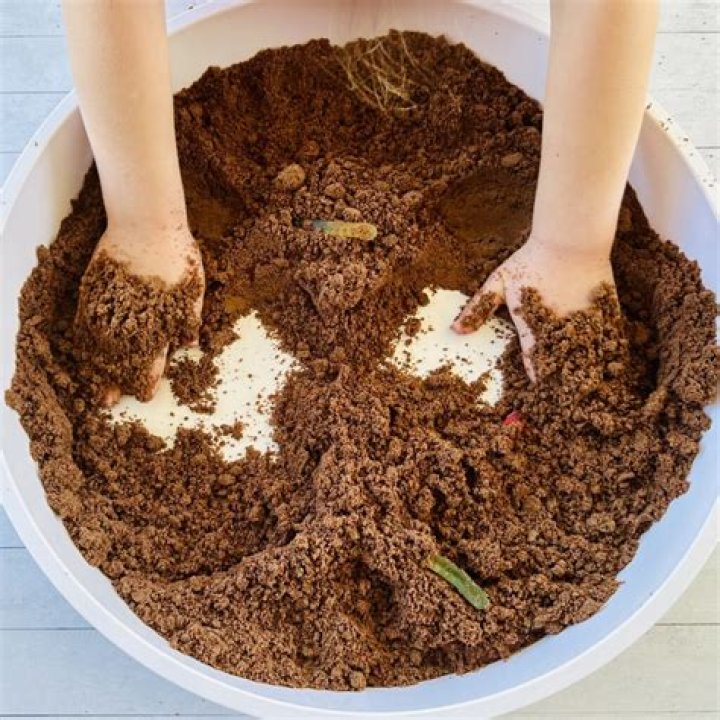
Children naturally gravitate toward mud puddles because wet soil provides rich tactile feedback. Mud combines resistance, temperature gradients, plasticity, and viscosity. Developmental pediatricians classify messy mud play as essential motor planning work that cannot be replicated through dry plastic toys.
Proprioceptive mapping sharpens when a child squeezes mud through their fingers. The sensory density forces deep neuromuscular coordination, calming children with sensory modulation difficulties. Dirt play demands real-time risk assessment, balance calibration on slick surfaces, and unscripted creativity.
Dermatologically, exposure to clean, organic soil strengthens epidermal defenses. A landmark 2020 Finnish trial introduced forest soil and microbial-enriched sod into daycare play areas for 28 days. Researchers documented an increase in microbial diversity on children's skin, accompanied by higher ratios of anti-inflammatory interleukin-10 in blood samples compared to children in typical concrete-and-gravel playgrounds. Skin barrier health improved as commensal microbes supported the lipid matrix, locking in moisture while suppressing pathobionts like Staphylococcus aureus.
Contamination Risks: Where Soil Exposure Becomes Hazardous
Indiscriminate contact with wet earth carries tangible medical risks. Soil functions as an environmental sink, accumulating industrial pollutants, chemical runoff, and biological parasites that can overcome human defenses.
Urban ground frequently conceals legacy heavy metals. Properties near legacy roadways or pre-1978 housing stock regularly test above the EPA threshold of 400 parts per million (ppm) for lead. Young children who engage in mud play transfer hands to mouths, turning play sessions into ingestion vectors for neurotoxic dust. Industrial fill dirt may also harbor polycyclic aromatic hydrocarbons (PAHs) and synthetic nitrates from commercial fertilizer applications.
Biological threats persist in agricultural and pet-dense regions:
- Toxocara canis: Nematode eggs shed in canine feces survive in damp soil for years, causing visceral larva migrans if accidentally swallowed.
- Tetanus (Clostridium tetani): Anaerobic endospores thrive in manure-fertilized garden soil and enter through deep punctures or micro-abrasions.
- Blastomycosis and Histoplasmosis: Fungal pathogens lurk in moist, decaying soil enriched by bird or bat droppings, triggering severe pulmonary infections if aerosolized soil is inhaled.
Anyone with open surgical wounds, compromised lymphatic drainage, or active chemotherapy regimens must avoid unpasteurized mud entirely. Protective barrier mechanics take precedence over microbial acquisition when systemic immunity is compromised.
Frequently Asked Questions (FAQ)
Q1: How do I let children play in mud safely in an urban area?
A1: Build a dedicated outdoor mud kitchen using certified contaminant-free topsoil blended with triple-washed play sand and chemical-free peat. Avoid using public park dirt near roadways, dog runs, or older homes painted with legacy lead coatings.
Q2: Can topical mud treatments replace standard psoriasis or eczema prescriptions?
A2: No. Medical pelotherapy serves as a complementary intervention under clinical supervision. Mineral-rich muds soothe inflammation and reduce scaling, but patients should never abandon prescribed topical steroids, biologics, or barrier repair regimens without consulting their dermatologist.
Q3: How long do you need to be exposed to soil microbes to gain immune benefits?
A3: Short, frequent exposures yield the most durable benefits. Clinical tracking indicates that two to three sessions of direct contact per week, lasting 30 to 45 minutes each, alter skin microbiome diversity and downregulate inflammatory cytokines within four weeks.
Navigating Soil and Health in 2026
Soil is neither a universal cure nor an existential threat. It is a dense, chemically active biological matrix that shaped our species' evolutionary baseline. The modern impulse to sterilize our surroundings eliminated dangerous acute infections, but it inadvertently severed our bodies from essential regulatory signals.
Navigating this reality requires measured exposure rather than careless abandon. Healthy adults and children benefit immensely from running hands through unpolluted forest loam, tending chemical-free raised garden beds, and engaging in tactile sensory play. Protect unhealed wounds, verify that urban soils are free of heavy metal contamination, and let biology handle the rest.


