Is Ponk Really Just Green Jowar? The Science, Nutrition, and Heritage
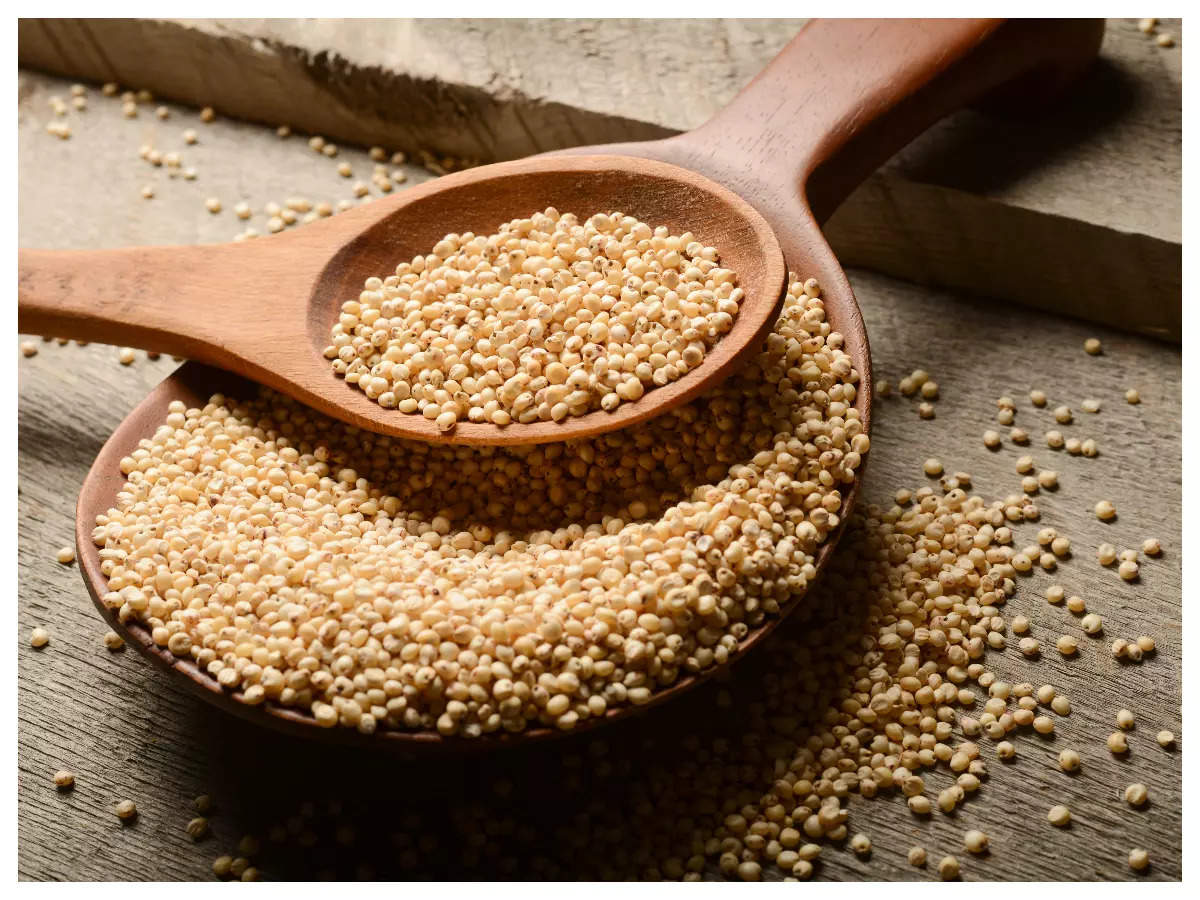
Every December, open-air stalls cluster along the Tapi River in Surat, blanketed in white smoke and the aroma of toasted grain. Commuters stop alongside travelers who journeyed hours down National Highway 48 for a snack available only during a tiny agricultural window. That snack is ponk, tender green sorghum grain harvested before it ripens, hand-beaten from the stalk, and roasted over open coals. While international diners increasingly turn their attention to forgotten millets, this Gujarati winter delicacy remains hyper-seasonal, resisting commercial attempts to turn it into an everyday supermarket staple.
The regional obsession recently found fresh momentum online. Industrialist Harsh Goenka celebrated the tradition by sharing his family recipe for Surat-style ponk, sparking widespread discussion about traditional street preparations, as documented in an NDTV Report. Meanwhile, street vendors preparing the grain in Surat generated more than 13 million views on social video platforms, pulling global curiosity toward an agrarian craft that modern agriculture has tried and failed to mechanize.
📌 Key Takeaways:
- The Botanical Reality: Ponk is not a distinct plant species; it is tender green jowar (*Sorghum bicolor*) harvested precisely during the milky-to-soft-dough physiological stage.
- The Processing Bottle Neck: Converting raw stalks into soft, edible beads requires immediate, small-batch charcoal roasting and physical threshing within hours of picking.
- The Nutritional Truth: Early-stage harvesting locks in higher soluble sugars, moisture, and active bioactives, turning it into a nutrient-dense, plant-based protein source superior in digestibility to mature grain.
The Winter Phenomenon Behind Gujarat's Fleeting Delicacy
The entire ponk supply chain operates on a strict timeline. Between late November and early February, farmers across south Gujarat, primarily around Hazira, Olpad, and Navsari, monitor sorghum fields daily. The grains must be plucked when they are plump with botanical sap, known agronomically as the milk stage, long before sun-curing hardens the seed into the chalky, pale pellets sold year-round for bhakri flatbreads.
If picked 48 hours too early, the kernels collapse into liquid mash when heated. If picked 72 hours too late, the starch retrogrades, turning the kernel into a tooth-cracking stone.
This micro-window creates an annual frenzy in Surat street food markets. Pop-up stalls line the banks beneath the Sardar Bridge, where vendors weigh out paper parcels of warm, jade-tinted kernels. The demand is intensely localized. While dried sorghum grains sit in pantries for over two years without spoiling, fresh ponk oxidizes and sours within 24 to 36 hours without refrigeration.
Agricultural Timeline for Ponk Harvesting:
Planting (Monsoon) --> Day 60, 75 (Flowering) --> Day 80, 90 (Milk Stage: PONK) --> Day 110+ (Hard Grain)
Harvest window lasts ~10 days
Surat acts as the culinary epicenter, but the culinary tradition spreads across state lines. In neighboring Maharashtra, agrarian communities celebrate the exact same crop under the name hurda. There, rural farms host day-long harvest parties where families gather around smoking fire pits in open fields to eat the grains hot off the earthen embers.
The Agricultural Science of the Milky Harvest Window
Sorghum (Sorghum bicolor) undergoes five clear developmental stages after pollination. The plant shuttles sucrose from its leaves downward into the developing kernel during days 75 through 90. In normal farming cycles, plant enzymes quickly chain these simple sugars together into insoluble amylose and amylopectin starches, hardening the kernel wall into durable cereal.
Ponk interrupts this process midway. By severing the stalk when moisture content sits between 50% and 60%, farmers capture the crop while sugar concentrations remain high. The grain retains its soft, yielding texture because the cellular matrix has not yet lignified.
This early harvest millet displays a distinct metabolic profile:
- The kernels taste naturally sweet without added syrup or flavorings because enzymatic conversion to complex starch remains incomplete.
- The green husk contains grass-like aromatic compounds that yield a clean, herbaceous perfume lost entirely when the grain matures under dry summer heat.
- Intrinsic moisture lets the kernel steam internally during roasting, cooking from the inside out without burning the exterior skin.
Once severed from the root, the grain triggers defensive respirations. Its simple sugars begin converting into starch within six hours, diminishing the trademark sweetness. Because of this rapid chemical decay, the harvest must shift to processing pits before sunrise.
From Clay Pits to Charcoal: The Labor-Intensive Roasting Craft
Mechanized grain processing cannot handle the fragility of tender sorghum. Modern threshers pulverize the watery grains, turning thousands of dollars worth of harvest into animal feed. As a result, the charcoal roasting process remains fiercely manual, demanding teams of experienced agricultural workers.
Harvesters cut the sorghum heads, called cobs or ponkda, tied into tight bundles of ten to fifteen stalks. Workers build shallow earthen trenches filled with hot charcoal and glowing embers from dried acacia wood. The entire bundle is thrust directly into the embers for 90 to 120 seconds.
The master roaster turns the stalks continuously with long iron tongs. The exterior leaves scorch and trap the intense heat, effectively pressure-steaming the kernels inside their natural husks.
Stalk Harvesting --> Charcoal Trench Roasting --> Burlap Threshing --> Winnowing --> Fresh Retail
(Predawn) (90, 120 Seconds) (Manual Beating) (Aeration) (Same Day)
Directly after the bundle emerges from the ashes, workers drop the smoking heads into heavy burlap sacks. Two workers beat the bags rhythmically against smooth river stones or hard wooden benches. This friction dislodges the roasted grain snack from the fibrous rachis without crushing the soft kernel.
Finally, workers winnow the pile using wide woven bamboo trays called soopas. They toss the grain repeatedly into the winter wind to blow away burnt chaff, leaving behind mounds of warm, pale-green beads ready for sale.
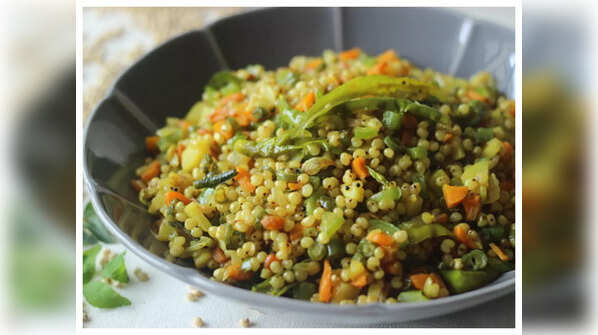
Nutritional Reality: How Tender Sorghum Compares to Mature Grain
Marketing labels often pitch ponk as a seasonal Indian superfood, but how does its biological profile hold up under nutritional scrutiny?
Tender green jowar acts as a functional whole food with distinct metabolic advantages over mature grain. Because the seed coat has not hardened through desiccation, its dietary fiber remains largely soluble. This lowers the glycemic index compared to flour-based millets, preventing sharp glucose spikes.
The protein fraction in early-stage sorghum is also richer in free amino acids, making this plant-based protein significantly easier for human gut flora to break down without triggering the bloating often caused by mature grains.
| Nutritional Metric (Per 100g) | Ponk (Tender Green Jowar) | Mature Dried Sorghum Grain | Fresh Sweet Corn |
|---|---|---|---|
| Moisture Content | 52%, 58% | 10%, 12% | 74%, 78% |
| Crude Protein (Dry Weight) | 11.8%, 13.2% | 10.2%, 10.9% | 3.2%, 3.4% |
| Dietary Fiber Profile | High soluble & resistant starch | Predominantly insoluble lignin | Moderate insoluble cellulose |
| Estimated Glycemic Index | 42, 48 (Low) | 62, 67 (Medium) | 54, 58 (Medium) |
| Polyphenols & Bioactives | Intact anthocyanins & chlorophyll | Condensed tannins (varies) | Zeaxanthin & lutein |
The green grains contain substantial concentrations of magnesium, zinc, and iron, bounded by lower concentrations of phytic acid than mature seeds. In hard-matured grain, phytic acid locks away essential minerals, requiring prolonged fermentation or soaking to unlock them. Ponk bypasses that barrier entirely because the plant has not completed synthesizing phytates.
The Surat Street Food Ritual: From Ponk Wada to Sev Pairings
Eating ponk straight out of a paper bag delivers an earthy, faintly smoky bite. However, traditional Gujarati food culture turns the ingredient into an interactive tasting experience built around sharp textural contrasts.
No vendor sells the grain alone. Every stall pairs it with crisp chickpea flour noodles known as sev. The classic sev and chutney pairing incorporates distinct varieties:
- Lasan-ni Sev: Bright orange, garlic-loaded sev that cuts through the grassy sweetness of the raw sorghum.
- Mari-ni Sev: Black pepper sev delivering sharp heat that balances the warm charcoal notes of fresh kernels.
- Thin, mildly salted strands designed to provide crunch without masking the delicate cereal aroma.
- Limbu-Mari Chutney: A tart dressing of crushed green chili, fresh ginger, mint, and raw lime juice tossed directly into the bowl.
Stall owners toss raw ponk, mixed sev, and chili-lime dressing into newspaper cones, urging customers to finish them immediately before the moisture turns the crispy chickpea strands soggy.
Surat Street Serving Matrix:
Fresh Green Ponk (Base)
+ Garlic Sev (Crunch & Pungency)
+ Pepper Sev (Heat)
+ Green Mint-Chili Chutney (Acidity)
= Classic Surati Ponk Mix
For those wanting a hot snack on damp winter evenings, vendors offer ponk wada. Cooks combine whole kernels with chickpea batter (besan), crushed green chilies, coriander seeds, and sesame. Dropped into boiling groundnut oil for three minutes, the exterior crisps into a lacy crust while the trapped sorghum kernels remain soft, popping gently when bitten.
Frequently Asked Questions (FAQ)
Q1: Can fresh ponk be frozen and preserved for year-round cooking?
A1: Commercial vendors successfully blast-freeze ponk at -40°C, and consumers can freeze vacuum-sealed bags for six to nine months. However, home freezing ruptures the tender cellular walls through moisture expansion. Once thawed, the grain loses its firm pop, turning noticeably softer and losing its volatile charcoal scent.
Q2: Is ponk safe for individuals with celiac disease?
A2: Yes, pure sorghum is inherently gluten-free. However, street-side ponk poses cross-contamination risks when fried in shared oil or packaged alongside wheat-containing snacks. Individuals with celiac disease should purchase raw, unmixed grains directly from primary vendors and prepare them at home.
Q3: How does Gujarati ponk differ fundamentally from Maharashtrian hurda?
A3: Both come from the identical botanical crop, tender green sorghum. The distinction lies in cultivation genetics and culinary service. Surat farmers favor local cultivars selected for higher natural sugars and a pale jade hue. Maharashtrian hurda relies on hardier local varieties roasted over open cow-dung or acacia campfires, traditionally crushed and served with dry peanut-garlic chutneys and jaggery rather than deep-fried sev.
Preserving an Agrarian Heritage in a Modern Food Landscape
The future of ponk faces real friction. Rapid real estate expansion around Surat has converted historic sorghum fields into industrial zones and residential towers, pushing cultivation further into interior agricultural belts. At the same time, the backbreaking labor of manual charcoal roasting makes the profession less attractive to younger generations, driving retail prices upward each winter season.
Even so, the grain's fleeting availability protects it from industrial homogenization. You cannot force tender sorghum into an automated cereal factory without stripping away the subtle smoke and tender bite that define the food. For six short weeks each winter, the ancient rhythms of Indian agriculture outpace modern processing, reminding eaters that some of the best foods on the planet refuse to be hurried.


