Is Ralph's Coffee Worth the Hype? Menu Quality, Prices, and Expansion Strategy Examined
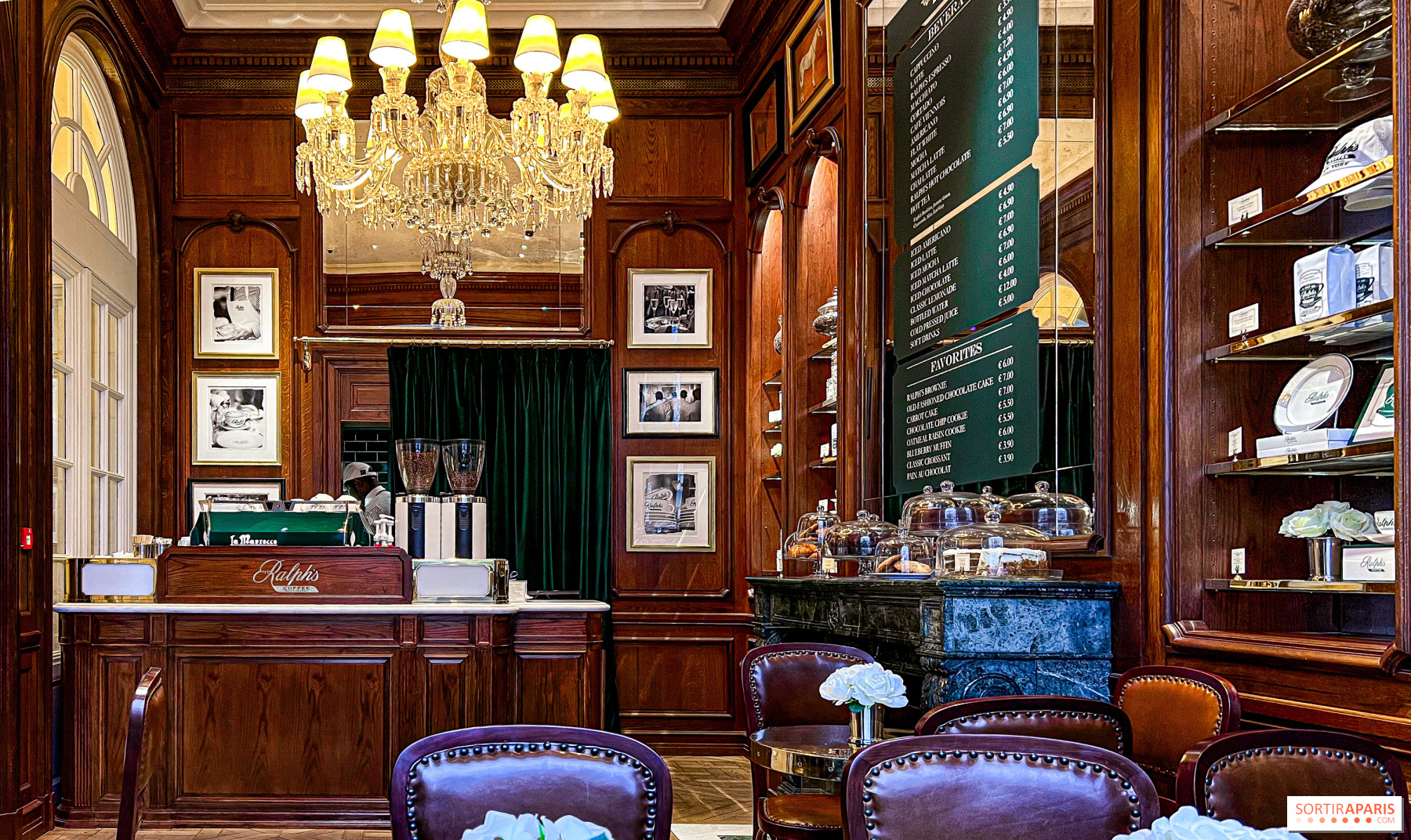
Green ceramic tile, equestrian brass fixtures, and the rich scent of freshly pulled espresso: luxury fashion houses have decided that the fastest path to consumer loyalty runs straight through a high-end porcelain cup. As detailed in a recent Boston.com Report, Ralph Lauren opened its first permanent Boston café in the Seaport district, marking another calculated step in its culinary hospitality push. The debut follows regional moves such as the debut of a dedicated Bay Area Ralph's Coffee location, drawing long weekend lines of shoppers eager for branded mugs alongside their lattes.
Yet beneath the polished emerald-and-white trim sits an operational question: does Ralph's Coffee match third-wave specialty benchmarks, or does it trade purely on lifestyle cachet? Evaluating bean sourcing, drink pricing, and brand strategy reveals an enterprise running at the exact crossroads of runway branding and daily retail habit.
📌 Key Takeaways:
- Bean Provenance: The signature Ralph's Roast espresso leans on organic Central and South American origins roasted in partnership with Philadelphia-based specialty pioneer La Colombe, aiming for traditional cocoa and toasted nut profiles rather than experimental acidity.
- Specialty Pricing: Drinks carry a recognizable designer markup, with Ralph's hot chocolate price settling at £5.45 in London and $6.00, $7.50 across flagship US counters for signature seasonal drinks.
- Commercial Objective: Experiential retail data shows that pairing bespoke cafés with flagship boutiques substantially lifts floor dwell times, serving as an approachable customer acquisition funnel for younger demographics.
The Mechanics of Ralph's Roast Espresso and Sourcing Standards
Specialty purists often view fashion-branded hospitality with skepticism. In designer fashion cafés, aesthetics frequently overshadow roast profiles and extraction yield. Ralph Lauren largely avoided the white-label commodity trap by aligning early with specialty roaster La Colombe to develop and source its proprietary line.
The core Ralph's Coffee menu relies on three custom blends: Ralph's Roast, Decaf Espresso, and a lighter drip profile. The signature Ralph's Roast espresso draws from organically grown, washed coffees cultivated in Central and South America. In the cup, the extraction emphasizes body over bright citric acid. Baristas pull shots that highlight dark chocolate, roasted almond, and warm molasses, intentionally formulated to punch through steamed whole and oat milks without tasting bitter.
Brew standards at primary counters mirror modern third-wave expectations. Staff operate dual-group commercial espresso machinery, calibrating grinder burrs across morning and afternoon shifts to maintain consistent extraction times between 26 and 30 seconds. While the coffee will not displace hyper-niche, light-roast micro-lots from Scandinavian-style roasteries, it stands well above typical department store concessions, offering dependable sweetness and rich texture.
Pricing Architecture: From Specialty Lattes to £5.45 Hot Chocolates
The cost of ordering at Ralph's Coffee reflects both its real estate overhead and its status as an affordable luxury indulgence. Regular drip coffee hovers around $4.25 to $4.75 in major metropolitan markets, while cold brews and standard flat whites range from $5.50 to $6.25.
Pastries and specialty drinks show where the brand asserts its premium positioning. The Ralph's hot chocolate price created waves in the UK press when outlets like My London reviewed the flagship offering at £5.45, citing the sticker shock of paying specialty coffee shop rates for liquid cocoa. In American stores, seasonal iterations, such as peppermint mochas and iced matcha lattes poured over crystal-clear ice, routinely reach $7.00 to $7.75 once milk substitutions or house-made syrups enter the tally.
Signature bakes command similar margins. Ralph’s Brownie, served warm with vanilla bean gelato, retails around $9.00 to $11.00 depending on the venue. Fresh chocolate chip cookies, croissants, and layer cakes sourced from regional artisan bakeries balance the beverage program. Customers are not just paying for flour and cocoa; they are paying for branded china, cloth napkins, and entry into a meticulously curated social space.
Expansion Strategy: Boston Seaport, the Bay Area, and Retail Evolution
The growth of Ralph Lauren café locations shows how physical storefronts have adjusted to post-pandemic retail realities. Rather than restricting coffee operations to legacy flagships on Madison Avenue or London’s New Bond Street, the company targets affluent mixed-use lifestyle corridors.
The debut of the Boston Seaport location places the café directly alongside waterfront walking paths and high-end residential towers, capturing both morning office commuters and weekend shopping crowds. Across the country, opening a dedicated Bay Area Ralph's Coffee shop gave the brand a foothold in Northern California’s design-conscious suburban-urban pockets, proving the model works outside dense historic downtowns.
| Development Phase | Footprint Model | Core Strategic Function | Average Drink Range |
|---|---|---|---|
| Phase 1 (2014, 2018) | Flagship mezzanine bars & restored vintage coffee trucks | Press visibility, seasonal novelty, VIP client amenities | $3.75, $5.00 |
| Phase 2 (2019, 2023) | Permanent inline boutiques in global capital hubs (Tokyo, London, NYC) | International brand affinity, merchandise-heavy retail cross-sell | $4.50, $6.25 / £4.00, £5.50 |
| Phase 3 (2024, 2026) | Standalone regional retail hubs (Boston Seaport, California Bay Area) | High-frequency local engagement, younger demographic acquisition | $5.00, $7.50 / £5.00, £6.00 |
This structured rollout shifts coffee from a store amenity into an independent profit center. Packaged goods, including branded roast tins retailing for $18 to $22, bespoke ceramic diner mugs, canvas tote bags, and seasonal baseball caps, turn casual coffee runs into high-margin souvenir sales.
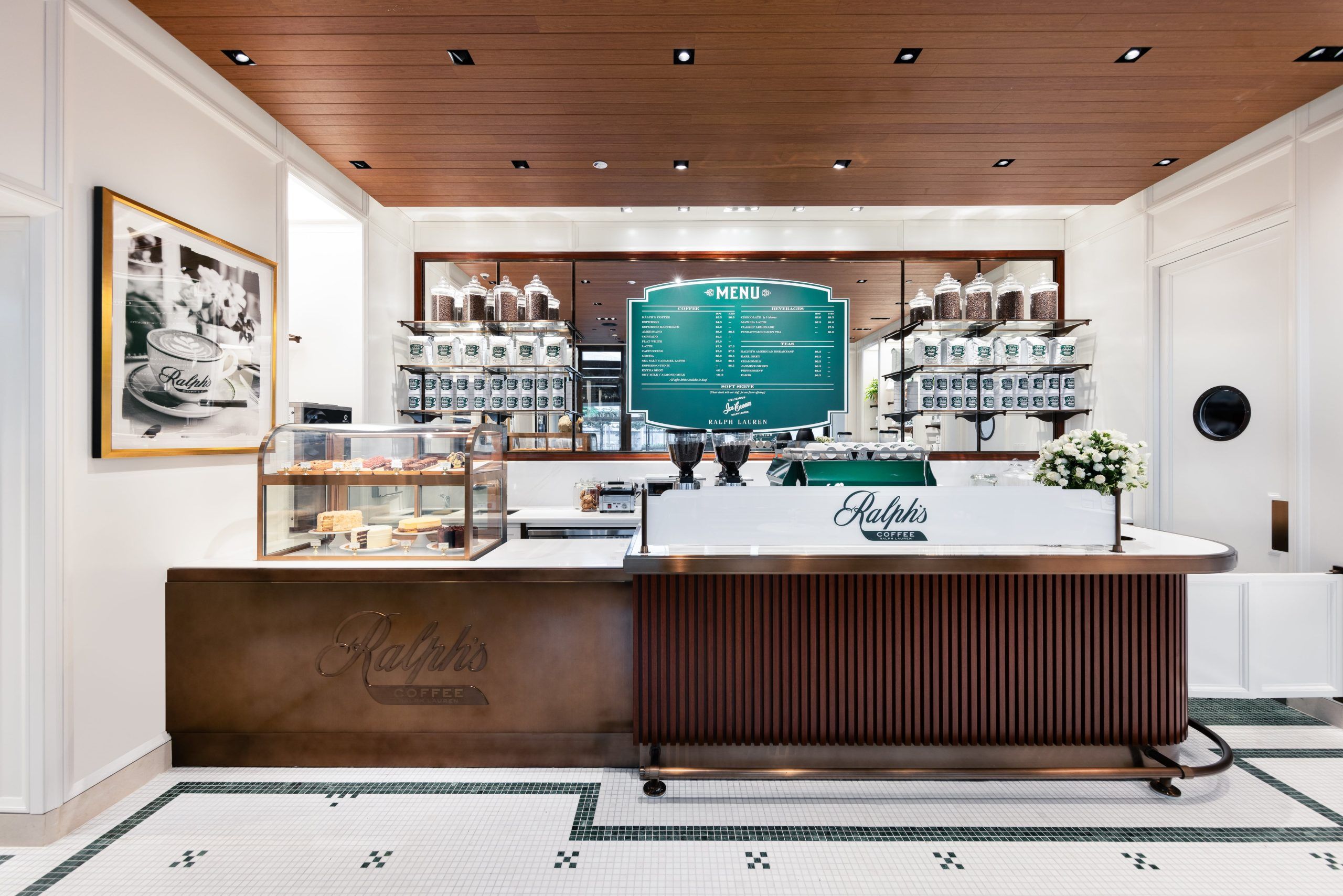
Why Fashion Houses Rely on Cafés to Capture Younger Shoppers
The retail environment has grown unforgiving. As documented by retail analysts tracking consumer trends in the Sacramento Bee, brands like Coach and Ralph Lauren use in-store hospitality spaces to capture younger shoppers who might otherwise bypass traditional department stores. The café serves as a zero-pressure entry point into the wider world of Ralph Lauren lifestyle branding.
Purchasing an $800 wool blazer or a $1,200 leather trench requires financial deliberation. Spending $6.50 on an iced cortado requires none. For Gen Z and millennial consumers, holding a green paper cup emblazoned with the iconic polo player delivers immediate luxury gratification. It functions as an aesthetic badge suitable for social feeds without requiring thousands of dollars in disposable income.
Commercial landlords welcome the tactic. A standard luxury boutique might see an individual shopper visit three to four times a year. A destination café in an open-air mall or downtown corridor generates weekly foot traffic. Once inside, visitors browse accessory cases, test fragrances, and normalize entering an opulent retail environment. The hospitality arm functions as an organic customer acquisition channel with exceptionally low marketing overhead.
The In-Store Consumer Experience: Operational Precision Versus Bottlenecks
Stepping into a Ralph's Coffee means entering an idealized vision of American mid-century gentility. Hand-painted signage, bistro tables with wrought-iron legs, waiters in crisp striped shirts, and custom-embroidered knit ties craft an environment distinct from stripped-down minimalist cafés.
However, high demand brings operational friction. Peak morning windows and weekend afternoons often see lines stretching onto the sidewalk, particularly at locations in Manhattan, London, and the Boston Seaport. Because the venues function simultaneously as working espresso bars, tourist destinations, and merchandise shops, dwell time at the ordering counter runs higher than at standard specialty coffee chains.
Seating is frequently scarce. Many outposts allocate only a dozen tables, meaning patrons seeking a tranquil afternoon with a book often end up balancing paper cups while standing near retail racks. The atmosphere rewards those seeking energy and polished visuals, while anyone hunting for a rapid grab-and-go caffeine hit or an extended remote-work desk may find the setting ill-suited to their needs.
Frequently Asked Questions (FAQ)
What roaster supplies the coffee beans for Ralph's Coffee?
Ralph Lauren partners with Philadelphia-based specialty roaster La Colombe to source and roast its beans. The proprietary blends, including Ralph's Roast and decaffeinated alternatives, use USDA Organic-certified beans grown across Central and South America.
Can you purchase Ralph's Coffee beans and merchandise online?
Yes. Whole-bean and ground coffee tins, single-origin pour-over boxes, branded diner mugs, apparel, and home barista accessories are sold via the official Ralph Lauren website and inside permanent café locations.
How expensive is Ralph's Coffee compared to national specialty chains?
Pricing runs roughly 10% to 20% higher than standard regional specialty shops and sits level with upscale offerings at Starbucks Reserve. Expect to spend $4.25 to $5.00 for drip coffee, $5.50 to $6.50 for classic espresso drinks, and $7.00 or more for signature drinks and specialty hot chocolates.
Strategic Takeaways for Ralph Lauren's Hospitality Push
The ongoing expansion of Ralph's Coffee proves that experiential luxury retail is shifting toward everyday accessibility. By avoiding cheap commodity coffee and partnering with a credible specialty roasting outfit, the apparel giant avoids the hollow vanity trap that often plagues fashion-branded culinary projects. The espresso stands up to real technical evaluation, even if the flavor profiles tilt toward approachable crowd-pleasers rather than eccentric experimental lots.
As regional expansions continue in secondary and tertiary luxury markets, the company's real challenge will be balancing throughput with exclusivity. High volume, endless queues, and packaged merchandise risks diluting the intimate, country-club charm that Ralph Lauren carefully nurtures. For now, the combination of accessible luxury, dependable espresso craft, and immaculate visual branding keeps the café concept among the smartest physical retail plays of the decade.


