Is the Costco Fruit Tray Truly Worth It? Real Numbers Behind the Convenience
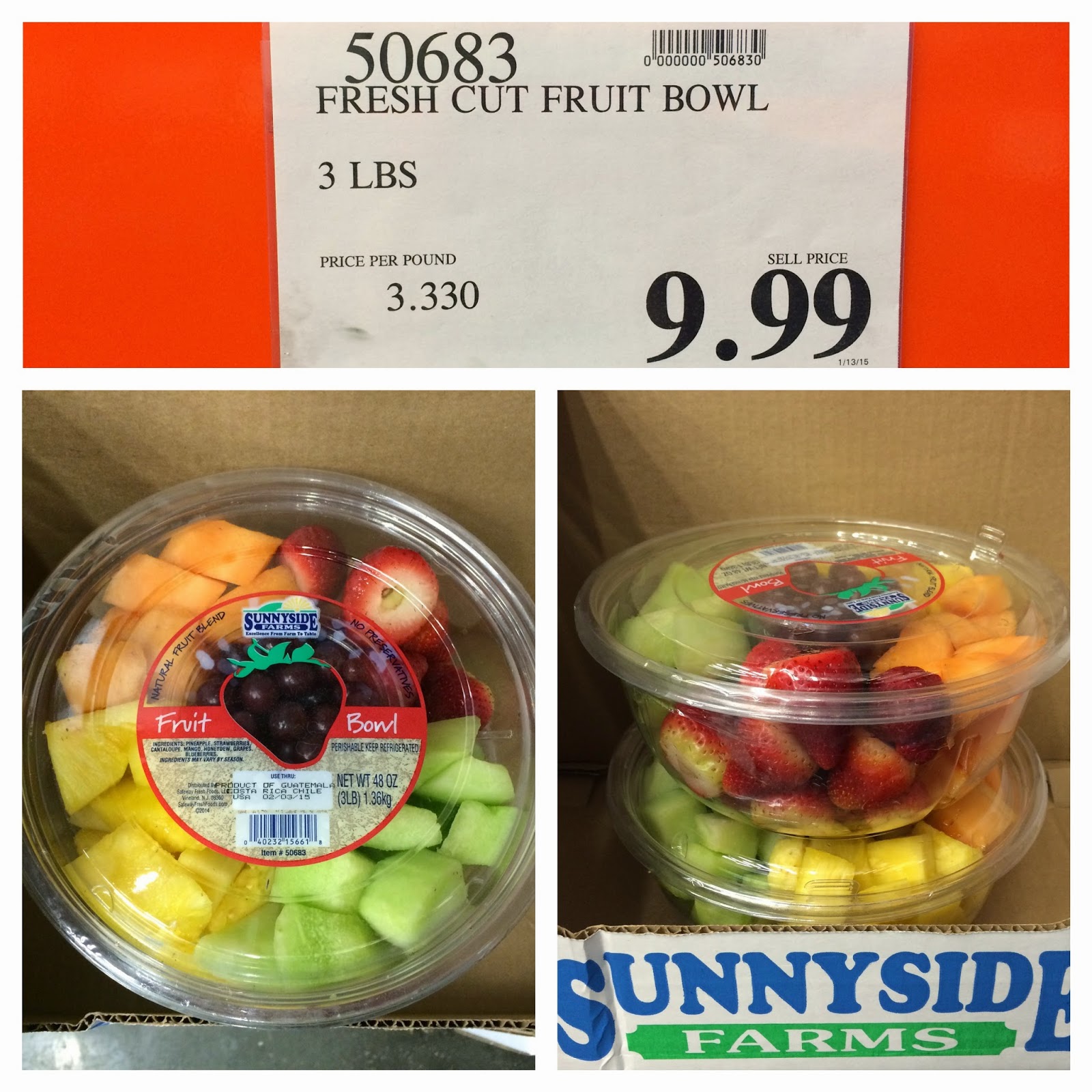
Walk past the open coolers of the Costco deli department on any given Saturday, and you will see carts loaded with identical, clear-domed plastic disks. Inside, segmented clusters of red grapes, sliced cantaloupe, honeydew, and pineapple surround a center tub of cream-cheese-based fruit dip. As party hosts scramble to manage guest lists and kitchen schedules, food lifestyle outlets like the Tasting Table Report highlight warehouse grocery items that shave hours off entertaining.
Yet behind the undeniable appeal of pre-cut produce lies an economic paradox. Shoppers pay a noticeable premium for someone else to wield the chef's knife, yet they often assume bulk-buying raw produce will automatically rescue their party food budget. Slicing whole fruit at home generates hidden costs: trim loss, rind weight, and unrecoverable prep time.
📌 Key Takeaways:
- The Direct Price Gap: A standard Costco deli fruit tray retails between $12.99 and $16.99 for roughly 4 pounds of fruit with dip, averaging $3.25 to $4.25 per pound.
- The Yield Trap: Slicing raw whole melons and whole pineapples purchased in the Costco walk-in cooler cuts the gross weight by 35% to 45% once rinds, cores, and stems hit the compost bin.
- The Breakeven Threshold: Preparing a DIY platter becomes financially superior only when catering for 25 guests or more; for smaller gatherings under 15 attendees, labor and leftover spoilage wipe out any savings.
The Warehouse Calculus Behind Pre-Cut Produce
The Costco party platter ecosystem operates on a simple psychological promise: eliminating frantic kitchen labor before the doorbell rings. Alongside deli catering order form staples like rolled turkey pinwheels and the recently scrutinized $50 sandwich platters, the ready-to-eat fruit tray sits in the refrigerated cases as a plug-and-play centerpiece.
Warehouse clubs operate under thin retail margins. To keep pre-cut items profitable, they must price convenience high enough to cover industrial slicing labor, sterile handling environments, and rapid cold-chain transport. The deli fruit tray is rarely cheaper than the raw harvest resting twenty feet away in the walk-in produce cooler. What shoppers buy is insurance against prep fatigue. Opening a plastic lid takes five seconds; washing, trimming, decoring, and arranging four distinct fruits takes closer to forty minutes.
Slicing Through the DIY Fruit Bowl Cost Comparison
Comparing retail prices directly paints a deceptive picture. Buying an entire 3-pound clamshell of strawberries, a 4-pound bag of red seedless grapes, a whole golden pineapple, and a pair of cantaloupes from the Costco produce section will run roughly $22 to $26 in total. That upfront expense looks higher than a single $14.99 pre-packed tray.
The critical variable is volume. The raw fruit haul yields roughly 12 to 14 pounds of unpeeled, uncut bulk produce. Once a host strips the crown and tough rind off the pineapple, scoops the slimy seeds from the melon, and trims the strawberry stems, the edible portion shrinks dramatically:
- Whole Cantaloupe / Honeydew: Retains roughly 55% to 60% edible flesh after rinds and seeds are removed.
- Whole Pineapple: Retains approximately 50% to 55% usable fruit after skinning and coring.
- Strawberries: Retains about 88% to 92% usable fruit after removing the green calyx and hulls.
- Seedless Grapes: Delivers nearly 95% edible yield once plucked from woody stems.
After processing, those 13 pounds of raw grocery store fruit yield approximately 8 to 8.5 pounds of clean, ready-to-serve fruit bowl pieces. That calculates out to roughly $2.60 to $3.05 per edible pound.
Price Per Pound Breakdown: Costco Platter vs. Home Labor
Understanding whether the platter saves actual money requires setting net edible weight against human effort and waste factors.
| Cost and Quality Metric | Costco Pre-Cut Deli Fruit Platter | DIY Bulk Fruit Assembly (Costco Produce) |
|---|---|---|
| Average Out-of-Pocket Cost | $13.99, $16.99 per tray | $22.00, $26.00 total bulk basket |
| Usable Net Edible Yield | 3.5, 4.0 lbs fruit + 8 oz dip | 8.0, 8.5 lbs clean edible fruit |
| Net Cost per Edible Pound | $3.75, $4.25 / lb | $2.60, $3.05 / lb |
| Required Active Prep Time | 0 minutes (instant service) | 35, 50 minutes cutting & cleanup |
| Shelf Life After Purchase | 2, 3 days optimal cold storage | 5, 7 days (cut fresh morning of event) |
| Included Extras | Fruit platter dipping sauce & compartmentalized lid | None (requires separate dip ingredients) |
For casual hosts hosting 8 to 12 people, buying individual whole fruits produces an overabundance. If guests eat only 4 pounds of fruit, the host is left with 4 pounds of quickly softening surplus melon and pineapple. In that context, paying an extra $1.20 per pound on the deli tray prevents throwing away $10 worth of rotting leftover fruit later in the week.

What Happens to Shelf Life and Freshness After the Seal Breaks
The major liability of the factory-sealed party platter is cellular degradation. As soon as a pineapple or honeydew melon is sliced with commercial blades, cellular walls rupture, releasing enzymes and juice.
In pre-cut deli trays, this process leads to fluid accumulation at the base of the plastic cavity. Sliced strawberries are particularly vulnerable: they absorb moisture from resting adjacent to high-water melons, turning mushy within 48 hours of purchase.
Whole fruit keeps its natural skin intact until the host decides to cut it. A cantaloupe can rest on a kitchen counter for days prior to an event without degrading. When cut three hours before guest arrival, freshly sliced fruit retains its crisp texture and clean aromas far longer than commercial trays that have spent two days cycling through warehouse distribution chains.
The sweet cream cheese dipping sauce included in the deli platter presents another timing consideration. Containing dairy, sugar, and preservatives, the sauce should not sit at ambient room temperature for more than two hours under standard food safety guidelines.
Party Food Budgets and the True Value of Hosting Shortcuts
When orchestrating a catering guide for large crowds, professional planners assess food expenses by combining ingredient prices with labor costs.
Consider a gathering of 40 guests. According to standard catering benchmarks, each guest eats roughly 3 to 4 ounces of fresh fruit when served alongside savory appetizers, pastries, or main dishes. That crowd requires roughly 10 pounds of net fruit.
Buying three Costco pre-cut fruit trays costs approximately $45 to $50 and supplies 12 pounds of fruit with dip. Going the DIY route requires buying two pineapples, two large cantaloupes, two clamshells of strawberries, and two bags of grapes, tallying around $46 to $52 at retail. Because bulk packages force surplus purchasing, the raw ingredients cost almost exactly the same amount of cash at checkout.
The DIY path demands a cutting board, several knives, counter sanitization, trash bags filled with heavy wet rinds, and an hour of physical labor during the most stressful part of event preparation. For large group settings, the pre-cut produce convenience clearly justifies its shelf price.
Who Should Pick the Deli Platter and Who Should Buy Whole Produce
The decision comes down to the style of the event, the number of guests, and how clean your prep schedule needs to be.
Ideal Profiles for the Pre-Cut Costco Fruit Tray
- Last-Minute Planners: Hosts picking up items less than 24 hours before game day or office parties.
- Small-Scale Gatherings: Gatherings of 10 to 15 people where buying whole pineapples and melons creates guaranteed kitchen waste.
- Off-Site Events: Picnics, tailgates, park birthdays, and school events where no prep kitchen or washing sinks exist.
Profiles That Should Choose DIY Fruit Slicing
- Large-Scale Formal Receptions: Multi-tiered buffets for weddings, baby showers, or holiday dinners where uniform decorative displays matter more than convenience.
- Hosts Serving High-Acid Salads: Menus calling for precision cuts tossed with mint, citrus syrups, or specialized dressings that clash with the sweet cream cheese dip.
- Households with Smoothies on the Menu: Kitchens prepared to blend surplus fruit rinds and melon remainders throughout the following week, guaranteeing zero food waste.
Frequently Asked Questions (FAQ)
Can you pre-order the fruit tray on the Costco deli catering order form?
Availability varies by regional warehouse. Most locations keep grab-and-go fruit trays stocked in the deli chill cases daily. For major holidays or weekends, some stores allow you to reserve them via the paper order board located outside the deli kitchen alongside party sandwiches and chicken wraps.
How many guests does a single Costco fruit tray actually feed?
A typical 4-pound fruit platter comfortably serves 12 to 16 guests as part of a varied buffet spread. If fruit is the primary sweet dish or served at a brunch event, plan on one platter per 8 to 10 guests.
How far in advance can you buy the fruit tray before an event?
For peak presentation, purchase the platter no more than 24 to 36 hours before serving. Storing it past two days causes sliced melon to weep excess liquid, which softens nearby strawberries and grapes.
Strategic Takeaways for Event Planning
Slicing whole fruit produces a lower price per pound on paper, but that saving vanishes if you do not need ten pounds of fruit or lack the kitchen hours to clean and chop it.
For small family gatherings and zero-prep weekend hosting, the Costco fruit tray earns its keep. The $4 to $6 convenience premium buys back precious time before guests arrive. For larger galas and extended family reunions, picking up whole seasonal produce yields crisper textures, pristine presentation, and a cost structure that rewards basic knife work. The real balance comes down to what you can afford to spend: your pantry dollars or your weekend minutes.


