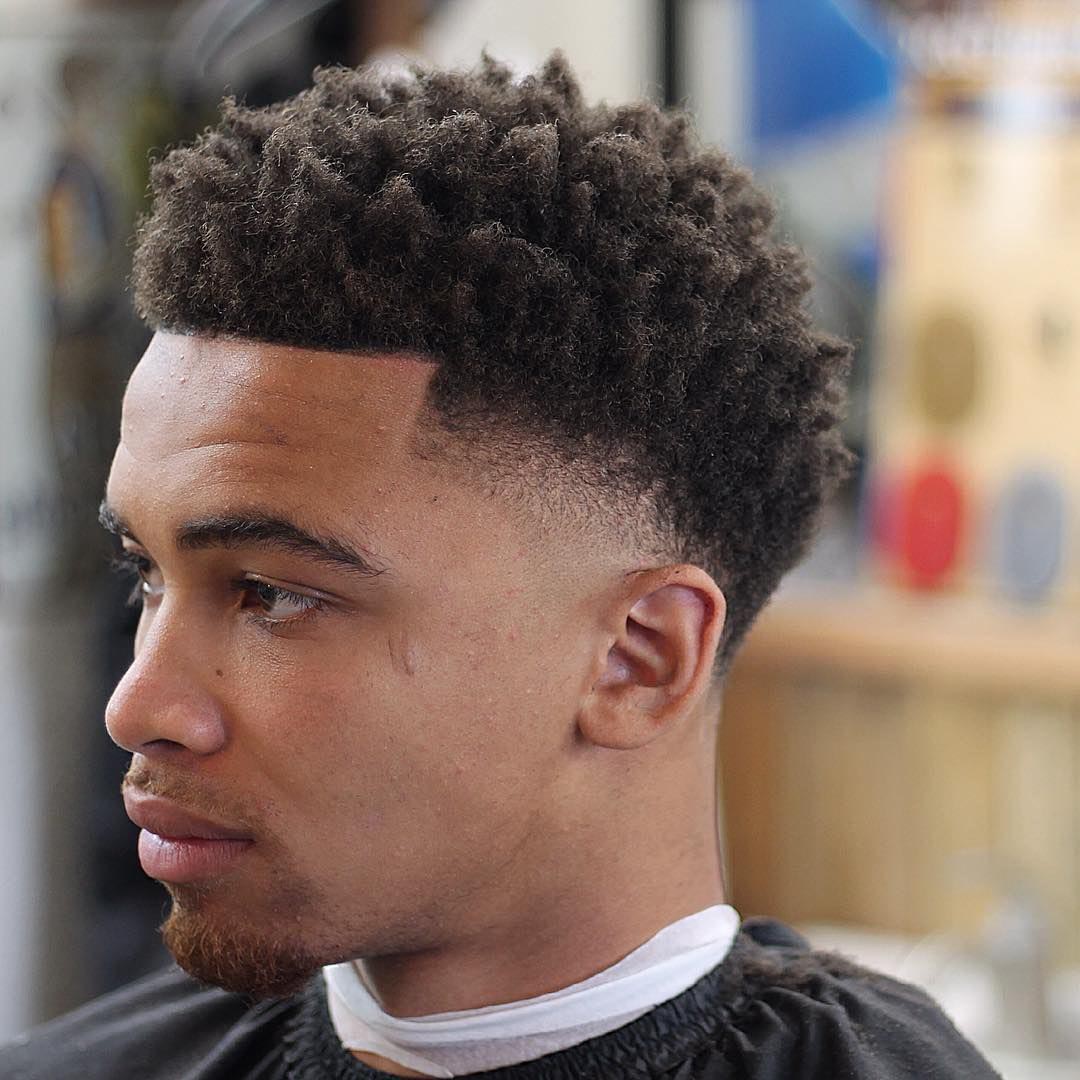
Is the Modern Short Mullet Actually Work-Appropriate? Barbers Weigh In

Boardrooms once demanded a rigid, almost militaristic uniform: high-and-tights, severe side parts, or standard scissor cuts that hid any trace of rebellion. That monoculture is fractured. Across financial hubs in London, New York, and Sydney, a refined hybrid cut is quietly infiltrating executive suites: the short modern mullet. Often dubbed the "401k mullet" following cultural tracking from a recent Vogue Report, this look strips away the ragged excess of the 1980s in favor of sharp lines and micro-proportions.
The cut sparks immediate friction. Conservative partners raise eyebrows, while younger creative directors treat it as standard operating procedure. Can a style historically linked to dive bars, indie rockers, and retro athletes truly pass muster under strict corporate dress codes? Master barbers and grooming editors suggest the answer hinges on architectural precision, clean transitions, and disciplined morning maintenance.
📌 Key Takeaways:
- The Corporate Shift: The 401k mullet relies on a micro-tail that rarely extends past the base of the collar, keeping necklines clean enough for collared shirts.
- The Technical Difference: Unlike punk or retro styles, this cut integrates a subtle drop fade or low taper fade that mimics traditional short back and sides from the front.
- Styling Discipline: Boardroom execution demands matte clay or low-shine styling paste rather than wet-look grease, eliminating greasy nostalgia.
The Corporate Evolution of the 401k Mullet
The original mullet was loud, asymmetrical, and openly anti-establishment. Billy Ray Cyrus and vintage hockey players wore trailing waterfalls of hair that announced themselves before the wearer entered a room. The modern variation operates on entirely different aesthetic principles.
Today's cut keeps the perimeter tight. The front mimics a textured crop mullet, falling right at or above the brow line, while the sides feature a precise temple taper. The length in the back rarely exceeds 1.5 to 2 inches past the occipital bone. From a direct head-on view during a Zoom conference, the silhouette presents identical lines to a conventional crew cut or Caesar crop. The taper cleans up the sideburns, framing the face with traditional neatness.
Cultural tracking across modern men's grooming publications, including recent style surveys from British GQ, points to an appetite for restraint. Men want personal aesthetic identity without triggering a human resources conversation about workplace dress code hair. The short iteration satisfies that calculation. It offers texture and movement during off-hours while maintaining the clean necklines expected under a tailored jacket.
Barbers Define the Boundary Between Professional and Sloppy
Barbers who cater to corporate clientele point to proportion as the single deciding factor. If the back falls past the shirt collar or bunches up over tailored fabric, credibility evaporates instantly.
When hair touches the trapezius muscle, it ceases to function as corporate-appropriate hairstyles. Master barbers establish the boundary by using the natural hairline at the nape as an anchor. Instead of letting hair flare outward, they use point-cutting and internal layering to keep the weight flat against the neck. A subtle drop fade around the ears ensures that the connection between the front crop and the rear length remains gradual rather than jarring.
The result reads as intentional design rather than neglected maintenance. Client accounts from high-end shops in Manhattan's Financial District indicate that senior professionals in private equity and tech consulting wear the cut daily without reprimand. The key lies in avoiding extreme disconnects. When the sides are shaved to the bone with zero blending, the cut reads aggressive. When faded gently with a #2 or #3 guard into a soft taper, it slips through conservative corporate filters unnoticed.
Classic Mullet vs. The 2026 Office Cut
| Feature | Classic 1980s Mullet | Indie Shag Mullet | Short Modern / 401k Mullet |
|---|---|---|---|
| Nape Length | 4, 8 inches, past shoulders | 2.5, 4 inches, over collar | 1, 2 inches, above or at collar line |
| Side Transition | Severe disconnect or buzzed | Scissor-cut, shaggy, untapered | Low taper fade or temple taper |
| Front & Top | Feathered fringe or spiky volume | Curtain bangs or parted shag | French crop, blunt fringe, or short texturing |
| Styling Finish | High-shine gel or hairspray | Sea salt spray, uncombed air-dry | Matte clay, dry paste, or texture powder |
| Office Risk Profile | High HR violation risk | Acceptable only in creative studios | Safe across banking, tech, and legal firms |
| Barber Visit Cadence | Every 8, 12 weeks | Every 6, 8 weeks | Every 3, 4 weeks ($45, $95 per cut) |
Engineering the Cut: Temple Tapers and Textured Crops
Achieving this balance requires understanding how the hair sits in three dimensions. Barbers rely on clear structural markers to keep the silhouette professional.
The foundation rests on a low taper fade. Rather than running a high fade that exposes the scalp up to the crown, the taper begins low at the sideburns and behind the ear. This preserves hair density while cleaning the edges. It grounds the cut in traditional barbering principles reminiscent of the classic short back and sides, giving it a baseline that conservative managers recognize as neat.
The top section blends downward into the crown with point-cutting to remove weight without creating uneven holes. Barbers typically cut the back flat along the neck, leaving just enough length to flare slightly when styled, but short enough that gravity keeps it contained. If you have fine or thinning hair, keeping the back short is non-negotiable; excess length exaggerates density loss at the crown, turning an intentional cut into an unkempt mess.
Morning Maintenance and Product Selection for Nine-to-Five Days
Product selection makes or breaks this haircut in professional environments. The line between high-fashion sharpness and rock-concert disarray depends entirely on finish.
Glossy finishes and high-hold pomades are hazardous here. High-shine pomade clumps the back sections together, creating separate tendrils that evoke vintage rock bands. To keep the look clean, choose hair pomade and matte clay formulations that emphasize control without artificial shine. Clays containing bentonite or kaolin absorb oil throughout the workday, preserving a dry, natural matte finish.
Essential men's haircut styling tips focus on volume management:
- Damp Towel Prep: Apply a dime-sized amount of lightweight styling cream or sea salt spray to damp hair immediately after showering to set direction.
- Directed Blow-Drying: Blow-dry the top forward and flatten the back against the neck with downward air pressure. Fluffing the back outward ruins the corporate silhouette.
- Targeted Matte Application: Warm a pea-sized amount of matte clay between your palms until translucent. Work it through the crown and fringe first, applying only the faint residue left on your fingers to the rear length.
The Barber Consultation Guide: Exact Phrases to Avoid Disaster
Sitting in the chair and simply asking for a mullet is a guaranteed path to regret. Barbers interpret the word through wildly divergent cultural lenses, ranging from Australian rugby players to 1970s glam rock icons. Precision language is essential.
Bring clear photographic references showing front, side, and rear angles. Tell your barber you want a textured crop mullet that maintains traditional business-casual proportions. Ask specifically for a temple taper and a clean neck edge rather than a disconnected buzz cut. Emphasize that the rear length should not drop lower than your mid-neck, ensuring it clears your dress shirt collar completely.
Instruct them to blend the crown naturally into the back. If they reach for clippers without establishing where your collar sits, pause and clarify your workplace dress code. The cut succeeds entirely on the mastery of transitions; an abrupt leap between short sides and a long back destroys the executive aesthetic you need to maintain.
Frequently Asked Questions (FAQ)
Q1: How do I know if my company allows this haircut?
A1: Look closely at your company handbook's grooming clause. Most modern employee manuals specify that hair must be "neat, clean, and well-groomed" rather than mandating specific cuts. If your taper is fresh, the perimeter is edged, and the back doesn't bunch over your collar, the short modern mullet complies with standard corporate language.
Q2: How often do I need a haircut to keep it looking corporate?
A2: Expect to visit your barber every 3 to 4 weeks. Because the sides and neck rely on precise tapering to look intentional, even two weeks of unkempt neck hair can drag the style from sharp to messy. Regular touch-ups cost roughly $45 to $95 depending on your region.
Q3: Can this style work on wavy or curly hair textures?
A3: Yes. Natural curl actually softens the transition between the crown and the back, creating organic texture without excessive product. Keep the sides tightly tapered with a low fade to balance the volume on top and behind the ears.
Redefining Professionalism in Modern Men's Grooming
Workplace aesthetics no longer demand complete conformity to survive professional scrutiny. The modern corporate environment increasingly rewards personal polish over rigid sameness, provided the execution demonstrates discipline and care.
The short modern mullet proves that legacy cuts can adapt to contemporary standards without shedding their edge. By balancing a clean low taper fade with tight, controlled proportions at the neck, you claim personal identity while keeping your credibility intact. When cut with surgical precision and styled with dry matte texture, this cut earns its place in any executive boardroom.