Is the NOBULL Journey 2 Built for Murph and Daily Miles? Critical Test Results
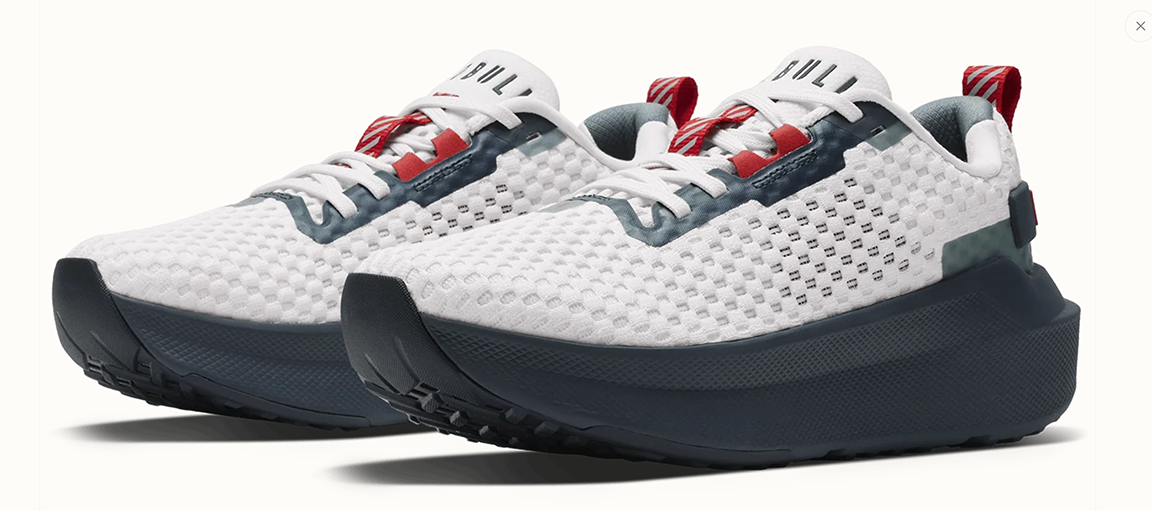
CrossFitters and road runners have long maintained an uneasy truce when selecting daily footwear. Traditional road shoes fold under lateral barbells, while dense, flat training shoes turn a three-mile tempo run into an exercise in shin splints. NOBULL tackled that exact friction point when launching its updated hybrid runner. According to a comprehensive performance breakdown from That Fit Friend Report, the NOBULL Journey 2 attempts to bridge this gap by modifying its midsole compound and heel geometry to handle both asphalt mileage and punishing physical conditioning workouts like Murph.
The central question remains whether this silhouette delivers genuine multi-mile comfort or compromises both running efficiency and gym stability in an attempt to serve two masters. Over multiple testing blocks involving track intervals, pavement testing, and high-volume calisthenics, we broke down how the shoe holds up under mechanical load.
📌 Quick Summary:
- The Core Shift: The Journey 2 balances a resilient, moderately responsive EVA-blend midsole with a broader base, creating an adaptable platform for 3, 6 mile runs and weighted calisthenics.
- The Key Trade-Off: While it cushions high-impact foot strikes far better than standard flat cross-trainers, the stack height reduces ground-feel during heavy barbell movements exceeding 315 lbs.
- Ideal Fit: Designed primarily for hybrid athletes, functional fitness competitors tackling running WODs, and runners wanting a durable road trainer that will not disintegrate during plyometrics.
Bridging the Chasm Between Training Shoes and Daily Runners
NOBULL made its name on bulletproof simplicity. The original Trainer featured an uncompromising, stiff SuperFabric shell with a flat outsole that dominated lifting platforms across CrossFit boxes. When the brand stepped into running territory with early iterations, runners criticized the firm underfoot sensation and lack of forward propulsion.
The Journey 2 approaches running mechanics from an entirely different angle. Rather than slapping thicker rubber onto a lifting platform, the shoe is engineered from the ground up as a hybrid training footwear option. It addresses the unique mechanical demands of functional fitness athletes who rack up 15, 25 miles of weekly road work alongside box jumps, kettlebell work, and bodyweight circuits.
Weight management reflects this recalibration. A men’s size 10 weighs approximately 10.1 ounces (286 grams), sitting comfortably between featherweight racing flats and bulky 11-ounce stability trainers. The chassis feels light on foot during quick turnovers, yet retains enough midfoot structure to prevent ankle collapse during abrupt lateral transitions.
Midsole Cushioning Response and Mid-Distance Road Dynamics
The heart of the Journey 2 lies in its retuned foam composition. The midsole uses a modified, high-rebound EVA formulation that provides a softer initial step-in feel than the original Journey, without tilting into the ultra-plush, squishy foam territory seen in modern maximalist road racers.
During 5K and 10K road sessions, the midsole cushioning response strikes an intentional balance:
- Heel-strikers receive sufficient dampening across asphalt to spare knees and hips over consecutive four-mile runs.
- Forefoot transitions offer a snappy, firm pop rather than a sinking trampoline sensation.
- The foam resists compression fatigue, avoiding the breakdown that plagues softer daily trainers subjected to explosive plyometrics.
The shoe incorporates an 8 mm heel to toe drop, with a heel stack measuring approximately 33 mm and a forefoot stack of 25 mm. This standard geometric profile encourages an accessible, natural gait cycle for midfoot and heel strikers alike. It does not force an aggressive forward tilt like an engineered rocker shoe, keeping the athlete's center of gravity centered and predictable.
The Murph Benchmark: Calisthenics, High Impact Conditioning, and Stability
The annual Memorial Day Murph workout, a 1-mile run, 100 pull-ups, 200 push-ups, 300 air squats, followed by a final 1-mile run, all completed in a 20-pound weighted vest, serves as the ultimate crucible for functional training footwear. Pure running shoes produce unstable foot positioning during high-volume squats and tear away at the toe box during push-ups. Pure lifting shoes make the two running miles brutal.
Testing the Journey 2 under these exact conditions exposes its strengths and physical limits. During high-volume air squats, the wide heel footprint creates solid road running stability. The shoe sits planted, resisting lateral rollover when fatigue sets in around rep 180. The midfoot does not twist under load, providing a predictable contact surface against the floor.
During the running miles, the shoe outclasses standard box trainers. The transition off the toe during weighted 7:30-pace miles feels smooth. Where the shoe shows minor compromise is in absolute sole flexibility: the forefoot rubber is thick enough that repetitive push-up toe flexion requires slight muscular break-in over the first two workouts.

NOBULL Journey 2 vs. NOBULL Outwork Flex: Direct Spec Comparison
To understand where the Journey 2 sits within modern performance lineups, comparing it directly against pure gym trainers and traditional road shoes clarifies its intended purpose.
| Performance Attribute | NOBULL Journey 2 | NOBULL Outwork Flex | Traditional Daily Road Trainer |
|---|---|---|---|
| Primary Purpose | Road miles & hybrid conditioning | Lifting, agility & short sprints | Pure pavement mileage (5, 15 miles) |
| Heel-to-Toe Drop | 8 mm | 4 mm | 8, 12 mm |
| Midsole Density | Moderate rebound EVA | Firm, low-compression foam | Soft, high-energy return superfoam |
| Weight (Men’s 10) | ~10.1 oz | ~10.8 oz | 8.8, 9.8 oz |
| Price Point | $145, $155 | $135, $145 | $140, $160 |
| Heavy Barbell Viability | Moderate (sub-315 lb lifts) | High (stable under heavy loads) | Poor (unstable lateral shift) |
As highlighted in the comparison, the Outwork Flex focuses entirely on low-to-the-ground lifting leverage, while dedicated daily trainers sacrifice all abrasion resistance for featherlight bounce. The Journey 2 claims the practical middle lane.
Outsole Durability, Grip, and High-Mileage Wear Testing
One common vulnerability of standard running shoes taken into CrossFit environments is sole shredding. Burpees, rope climbs, and coarse outdoor concrete destroy exposed midsole foam within weeks.
The Journey 2 incorporates full-coverage rubber across the high-wear zones of the outsole. The lug design features segmented geometric siping that grips well on damp asphalt, textured gym rubber, and packed dirt paths. During multi-surface wear testing exceeding 75 outdoor miles, the tread showed negligible pattern erasure along the lateral heel strike zone.
Grip remains confident under dynamic direction changes. Sprinting down outdoor concrete and cutting hard into an indoor shuttle run produces no sliding or squealing loss of traction. The rubber compound leans firmer on the durometer scale than racing rubber, favoring abrasion resistance over sticky tackiness.
Upper Construction, Fit Profiles, and Sizing Nuances
The upper departs from the stiff, unyielding composite fabric of traditional NOBULL trainers, opting for an engineered mesh package reinforced with subtle thermal overlays along high-friction stress zones.
Breathability shows notable improvement. Air flows freely across the vamp during warm mid-day runs, keeping interior foot temperatures lower than older closed-weave models. Internal heel cup padding locks the rear foot down firmly, eliminating the heel slippage that plagued early brand runners during sprints.
Sizing requires close attention:
- Fits true to standard US athletic running sizes.
- Moderately accommodating through the ball of the foot, offering more natural splay than narrow racing flats, though athletes with wide (2E+) feet will notice tightness around the fifth metatarsal.
- Medium instep height. Lacing loops distribute tension evenly across the tongue without creating top-of-foot pressure points.
Frequently Asked Questions (FAQ)
Q1: Can the NOBULL Journey 2 replace a dedicated marathon running shoe?
A1: No. While it excels on runs between 3 and 7 miles, marathon and half-marathon training blocks benefit from lighter, hyper-plush superfoams with carbon or nylon plates that reduce muscular fatigue across long double-digit miles.
Q2: Is the Journey 2 stable enough for heavy back squats and Olympic lifts?
A2: The shoe accommodates moderate barbell cycling and conditioning lifts up to roughly 275, 315 lbs. For maximum-effort squats, deadlifts, and heavy snatches, the 33 mm heel stack causes compression; a flat lifting shoe or dedicated lifter remains the safer tool.
Q3: How does the Journey 2 fit compared to the classic NOBULL Outwork trainer?
A3: It runs slightly roomier in length and provides significantly more vertical give through the toe box than the stiff SuperFabric Trainer. Most athletes should order their standard running shoe size rather than sizing up.
The Evolving Role of Hybrid Footwear
The performance market continues shifting away from single-purpose gear as multi-disciplinary training models gain ground. Athletes no longer categorize their fitness strictly within running clubs or lifting platforms. They expect gear to transition across disciplines without requiring a shoe change midway through a high-intensity session.
The NOBULL Journey 2 succeeds by managing mechanical compromise with precision. It refuses to imitate squishy max-cushion pavement shoes, ensuring that an athlete can safely hit 100 air squats or sled pushes without blowing through lateral side walls. At the same time, it provides the dampening, roll, and heel-to-toe mechanics necessary to turn out a quality four-mile split without joint abuse. For athletes whose weekly schedule demands road miles, conditioning sprints, and high-rep calisthenics, this platform provides one of the most reliable options available.


