Is TikTok Shop Clothing a Scam? The Startling Truth About Quality and Safety Revealed

Every minute across the algorithmic feed, glossy videos promise cashmere-soft sweaters for $6 and two-piece athleisure sets for less than the cost of a morning cold brew. These viral apparel hauls have turned social feeds into high-speed digital flea markets, pulling millions of impulse buyers straight from short video clips into in-app checkouts. Yet behind the sheer speed of transaction lies an increasingly volatile consumer debate. Delivery delays, chemical odors straight out of unsealed polybags, and sheer fabric inconsistencies have driven waves of complaints across social community boards.
To determine whether the marketplace is an outright trap or simply an unpredictable frontier of ultra-low-cost retail, testing organizations and trade analysts have begun stress-testing these purchases directly. According to consumer product evaluations highlighted in a Good Housekeeping Report, while legitimate brand store fronts exist on the platform, raw manufacturing shortcuts, inconsistent labeling, and third-party logistics snarls make buyer vigilance mandatory before entering payment details.
📌 Key Takeaways:
- Core Reality: TikTok Shop clothing is not an outright scam, but the platform functions as an open multi-vendor marketplace where material quality ranges from authentic boutique apparel to disposable ultra-fast fashion.
- Primary Hazard: Textile lab tests routinely spot mislabeled synthetic blends, weak seam construction, and unvetted dye processes that demand thorough pre-wash routines before wear.
- Shopper Defense: Bypassing anonymous cross-border dropshippers in favor of storefronts with verified business credentials and established return histories is the only reliable way to avoid lost funds.
The Viral Haul Pipeline: How Bargain Apparel Flooded the Feed
The speed at which apparel circulates on TikTok is unlike traditional e-commerce. Conventional online stores rely on intentional search behavior: a shopper needs a black blazer, compares brands, and reads static descriptions. TikTok Shop operates on impulse ignition. Creators receive free production samples or commission splits ranging from 10% to 20% for every item sold through their tagged video links, spawning thousands of synchronized try-on sessions that make garments appear identical to high-end department store pieces under studio ring lights.
This affiliate ecosystem obscures the origin of the goods. While established retail brands maintain storefronts within the app, a vast portion of clothing originates from direct-to-consumer factory clearinghouses operating overseas. These operations bypass domestic import distributors entirely. By shipping individual parcels directly to consumer doorsteps under minimum tariff exemptions, factories cut overhead to near-zero margins. The result is a flood of garments priced at $4 to $14, an attractive tier for budget-conscious shoppers that often masks cut-rate textile sourcing and rock-bottom manufacturing standards.
Behind the Seams: Fabric Material Testing and Chemical Realities
When consumers unpack viral clothing hauls, the most common surprise is not the cut, but the smell. Shoppers frequently report sharp, petroleum-like scents when slitting open vacuum-sealed poly mailers. Textile engineers and product safety specialists point out that ultra-fast fashion quality relies heavily on virgin synthetic polymers such as polyester, nylon, and elastane. These petroleum-derived fabrics are cheap to weave and simple to process at speed, but they trap volatile chemical processing agents used during spinning and dyeing.
Independent fabric material testing reveals widespread fiber misrepresentation across white-label marketplace listings. Tops marketed as "breathable linen blends" or "heavyweight cotton" frequently arrive bearing care tags denoting 95% to 100% polyester. Chemical testing panels from independent textile labs have repeatedly discovered traces of disperse dyes, formaldehydes, and carrier solvents on unwashed discount imports. While these levels rarely pose immediate acute poisoning risks, they frequently trigger contact dermatitis, eczema flares, and skin irritation for sensitive individuals. Anyone ordering unbranded garments should run every item through a comprehensive heavy-duty laundry cycle before skin contact.
The Marketplace Breakdown: Sourcing Models Compared
To safely navigate the platform, buyers must understand that the app itself does not manufacture apparel. The experience changes completely depending on which category of merchant fulfills the purchase.
| Merchant Category | Typical Shipping Window | Material Reliability | Return Success Rate |
|---|---|---|---|
| Verified Small Business Boutiques | 3, 7 business days | High; curated domestic stock | 85%, 95% |
| Direct Cross-Border Factories | 10, 21 business days | Moderate to Low; synthetic-heavy | 40%, 60% |
| Anonymous Dropshippers | 14, 30 business days | Unpredictable; widespread discrepancies | 20%, 35% |
Sizing Inconsistencies and Return Disputes
Sizing predictability represents the single biggest operational failure point across social apparel commerce. Domestic sizing charts used by North American and European retailers rely on standardized grade rules. Anonymous marketplace sellers, however, frequently utilize Asian grading charts without clearly converting measurements for international consumers. An item marked "US Large" can arrive measuring identical dimensions to a standard domestic extra-small. Inseams on trousers run notably short, armholes are cut tighter to minimize square yardage of fabric, and waistbands often lack reinforced elastic.
When ill-fitting garments arrive, navigating the return and refund process presents a secondary obstacle. The platform maintains an official buyer protection policy that promises straightforward refunds within a 30-day window. In practice, the resolution depends heavily on the seller's logistical setup. Domestic sellers typically provide a scannable return label with minimal friction. Anonymous third-party sellers, by contrast, frequently counter return requests with partial refund offers, sometimes proposing a 20% discount credit to avoid paying cross-border return freight. Consumers who do not aggressively escalate these disputes within the platform's support ticketing system often find themselves stuck with unwearable garments.
Counterfeit Clothing and Review Authenticity Scams
Intellectual property theft runs parallel to sizing problems. Counterfeit clothing remains a persistent problem across viral shop windows. Popular outdoor jackets, designer tracksuits, and premium athleisure leggings are routinely duplicated by unverified manufacturers who harvest official brand marketing imagery and plaster it across fraudulent product listings. When the product arrives, the fabric weight, hardware, and stitching bear zero resemblance to the authentic product seen in the listing images.
To combat this, the platform has steadily tightened seller verification protocols. In analyses published by cybersecurity monitoring firms, including Bitdefender's business merchant advisory studies, platform operators now require formal identity documentation, tax certificates, and warehouse validation before onboarding new storefronts. Despite these filters, deceptive merchants circumvent rules by purchasing existing verified accounts or flooding product pages with fabricated feedback. Customer review authenticity is routinely compromised by incentivized free-product reviews and automated bot accounts that post five-star ratings within hours of a listing going live, before legitimate shipping cycles could even take place.
Checkout Payment Security and Account Protections
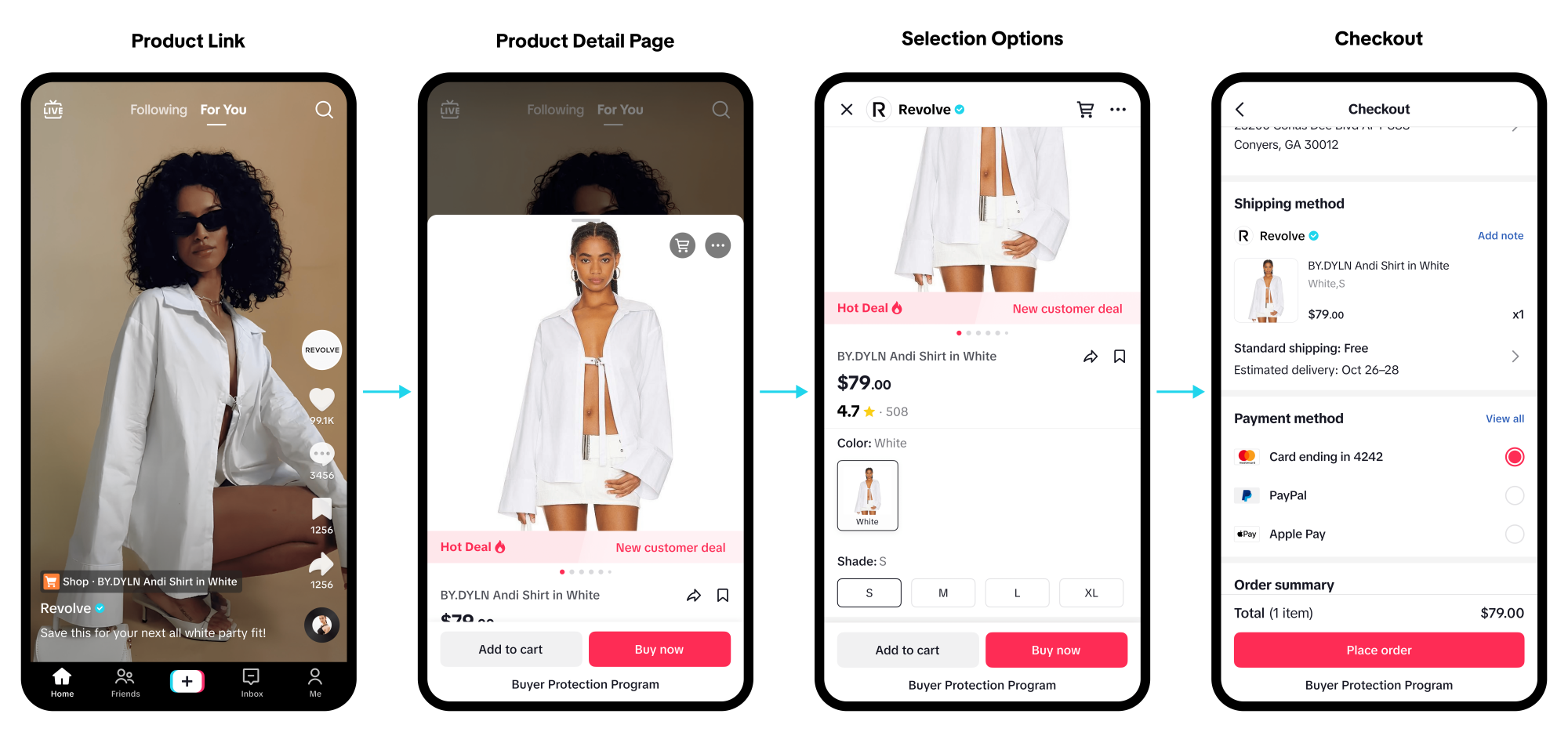
One area where the marketplace performs far better than predatory standalone websites is financial transaction safety. Checkout payment security within the native application uses encrypted payment gateways that isolate credit card information directly from third-party sellers. Merchants never view bank account figures, raw card numbers, or billing addresses beyond basic shipping credentials. Shoppers who route payments through Apple Pay, PayPal, or established card providers retain full external chargeback protections.
Security problems typically emerge when sellers attempt to move communication off the platform. Rogue vendors occasionally slip customer service inserts into parcels, directing buyers to third-party messaging apps or external websites under the guise of processing replacement sizes or bonus gifts. Engaging with these off-platform portals exposes consumers to phishing networks, identity theft, and unauthorized subscription rebills. As long as users keep transactions strictly within the encrypted in-app system, financial fraud risks remain exceptionally low.
Frequently Asked Questions (FAQ)
Q1: Is TikTok Shop safe to use with a credit card?
A1: Yes, the platform uses modern tokenization and encrypted payment processing comparable to major e-commerce platforms. For maximum security, complete purchases using third-party digital wallets such as Apple Pay or PayPal, which add an extra layer of insulation between your bank account and the retailer.
Q2: Why do clothes from viral hauls often smell like chemicals?
A2: Ultra-low-cost manufacturers package synthetic textiles immediately after synthetic dye and finish treatments to reduce warehouse turnaround times. These fumes collect inside sealed plastic shipping bags. Always wash marketplace clothing in warm water with a heavy detergent before wearing it to remove residual surface compounds.
Q3: How can I tell a genuine boutique from an anonymous dropshipper?
A3: Examine the seller profile page directly. Legitimate small business boutiques post original packaging videos, display domestic business registration addresses, maintain clear return policies, and carry shipping timelines under seven business days. Dropshippers usually exhibit generic numerical store names, stock images taken from other sites, and estimated delivery windows stretching past two weeks.
Q4: What should I do if an item arrives damaged or completely wrong?
A4: Immediately document the packaging, the shipping label, and the garment flaws with clear photos. Open a formal dispute through the platform's Order History tab within 30 days. Decline informal seller offers for small partial store credits and escalate the case directly to platform customer support if the seller fails to provide a full return label.
Smart Shopping Strategies for 2026
Navigating social apparel commerce comes down to clear expectations and strict seller screening. Approaching the marketplace as an open outlet mall, where premium storefronts stand alongside unregulated discount stalls, protects both your wardrobe and your bank account. Avoid buying technical activewear, heavily tailored garments, or luxury dupes where fabric precision and durable construction dictate the garment's purpose.
Prioritize verified brands, inspect genuine user image reviews while ignoring text-only five-star ratings, and strictly maintain all messaging inside the app's native dispute dashboard. Used selectively for simple, casual basics from vetted sellers, the platform delivers legitimate bargains. Handled carelessly, it serves as an expensive lesson in fast fashion disposability.


