Is Your Viral NeeDoh Phone Case a Burn Hazard? The Truth Behind Recent Explosions
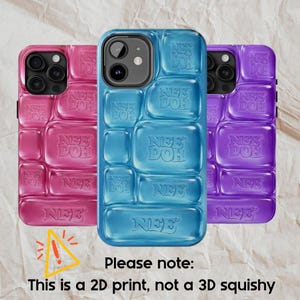
Millions of smartphone users spent the early months of 2026 turning their mobile devices into tactile sensory tools, gluing squishy stress balls to their phone covers or buying pre-molded silicone accessories. That viral aesthetic collided with a hazardous reality during recent heatwaves. A class action lawsuit filed against toy manufacturer Schylling claims its NeeDoh products pose a severe squishy toy explosion risk when exposed to direct heat, turning pliable fidget toys into pressurized hazards. As outlined in a detailed Top Class Actions Report, consumers allege that popular squishy toys can burst violently, spraying superheated, semi-solid compound onto bare skin.
The danger multiplies exponentially when these tactile items are strapped directly to modern smartphones. Devices running high-draw applications generate internal battery heat exceeding 105°F (40.5°C), while dashboard mounts routinely expose cases to greenhouse vehicle temperatures above 140°F (60°C). What began as a soothing TikTok trend has devolved into urgent product safety warnings and medical reports documenting second-degree scalds.
📌 Key Takeaways:
- The Legal Allegations: A 2026 federal class action against Schylling claims NeeDoh toys rupture under moderate-to-high heat, discharging scalding material capable of inflicting severe burns.
- The Phone Case Risk Multiplier: Mounting a squishy fidget directly onto a smartphone traps lithium-ion battery heat while exposing the outer membrane to sunlight, accelerating internal pressure buildup.
- Consumer Guidance: Safety monitors urge users to immediately strip DIY squishy phone cases and silicone covers containing viscous stress ball fillings from their mobile devices.
The Social Craze Behind Sensory Phone Accessories
The trend began harmlessly across TikTok and Instagram Reels throughout late 2025 and early 2026. Creators looking to merge sensory stimulation with everyday mobile utility started crafting the DIY squishy phone case. Some bonded miniature NeeDoh "Nice Cube" toys directly to polycarbonate shells using cyanoacrylate superglue. Others purchased third-party iPhone squish cover imports manufactured overseas that copied the jelly-like texture of popular stress balls.
Users praised the setups for anxiety relief, neurodivergent focus management, and drop absorption. Smartphone cases typically serve as rigid shields, but this viral sensory fidget case trend converted ordinary hardware into soft, squeezable focal points. Independent sellers on Etsy and Amazon quickly capitalized on the craze, flooding online marketplaces with pre-fabricated cases filled with viscous gels, mineral oils, and polyvinyl alcohol (PVA) compounds.
The design failed to account for basic thermodynamics. Phones are active thermal engines. When users stream 4K video, run modern graphics engines, or fast-charge their batteries at 30 watts, the rear chassis functions as a heatsink. Sandwiching an elastic, sealed chemical reservoir against that continuous heat source created an unmonitored pressure vessel carried directly in human hands.
How Thermal Traps and Mobile Hardware Trigger High Heat Expansion
The mechanics behind the squishy toy explosion risk center on internal pressure dynamics. The standard NeeDoh stress ball filling consists of a proprietary, dough-like compound suspended within a flexible thermoplastic elastomer (TPE) or latex membrane. Under normal ambient room temperatures (68°F, 72°F), the outer skin flexes dynamically, dissipating manual pressure evenly across the semi-solid matrix.
Subject that enclosed polymer to prolonged heat, and the material physics change rapidly:
- The internal filling expands faster than the outer elastomer skin can stretch, degrading the molecular integrity of the seam.
- Solvents present in cyanoacrylate glues or industrial adhesives used on DIY phone cases chemically attack the TPE skin, creating microscopic weak spots.
- A vehicle parked in 85°F outdoor weather can reach 130°F, 150°F inside within 30 minutes, turning dashboard-mounted phone cases into miniature scald hazards.
Reports highlighted by regional outlets such as WXOW in July 2026 warned motorists that squishy toys left inside vehicles transform into acute heat-induced burn hazards. When an owner picks up a phone left on a car mount and exerts standard squeeze pressure, the weakened elastomeric wall ruptures instantly. Instead of a gentle sensory rebound, the toy ejects high-temperature viscous filler across fingers, wrists, and faces.
Examining the 2026 Schylling Class Action Lawsuit
The consumer backlash culminated in August 2026 when plaintiffs filed a federal class action lawsuit against Massachusetts-based toy distributor Schylling. The legal filings detail multiple accounts of unexpected ruptures, chemical burn injury claims, and thermal scalds suffered by both children and adults. According to legal coverage from Top Class Actions and The Cool Down, the suit asserts that Schylling marketed its products as durable, tactile stress relievers while failing to disclose critical high heat expansion risk factors.
Plaintiffs argue that the manufacturer should have known that consumer products intended for daily handling inevitably end up inside vehicles, outdoors under sunlight, or pressed against heat-radiating electronics. The litigation asserts claims of product safety defect warning omissions, breach of implied warranty, and deceptive trade practices under state consumer protection statutes.
| Incident / Timeline | Environmental Factors | Reported Failure & Impact |
|---|---|---|
| Summer 2025Early Social Warnings | Direct sun exposure; ambient heat > 90°F | Micro-tears in silicone skins; sticky residue leakage reported on Reddit and TikTok. |
| July 2026Vehicle Safety Alerts | Enclosed vehicle cabins reaching 135°F, 150°F | Broadcast alerts warn of stress toys rupturing upon contact, causing immediate thermal burns. |
| August 2026Federal Class Action Filed | Normal use patterns combined with everyday summer heat | Class action alleges product design defects, inadequate warning labels, and scald injuries. |
| Late 2026Regulatory Scrutiny | Electronics-attached fidget accessories | Consumer safety advocacy groups demand clear warnings and third-party accessory recalls. |
Schylling has long defended the safety of its core product catalog, maintaining that NeeDoh toys comply with all mandatory U.S. Consumer Product Safety Improvement Act (CPSIA) criteria and ASTM F963 toy safety benchmarks. The company has historically noted that its toys are non-toxic and filled with safe, food-grade materials. The pending litigation questions whether traditional toy safety testing accounts for modern consumer behaviors like leaving accessories sealed inside hot automotive cabins or fastening them directly against heat-generating consumer electronics.
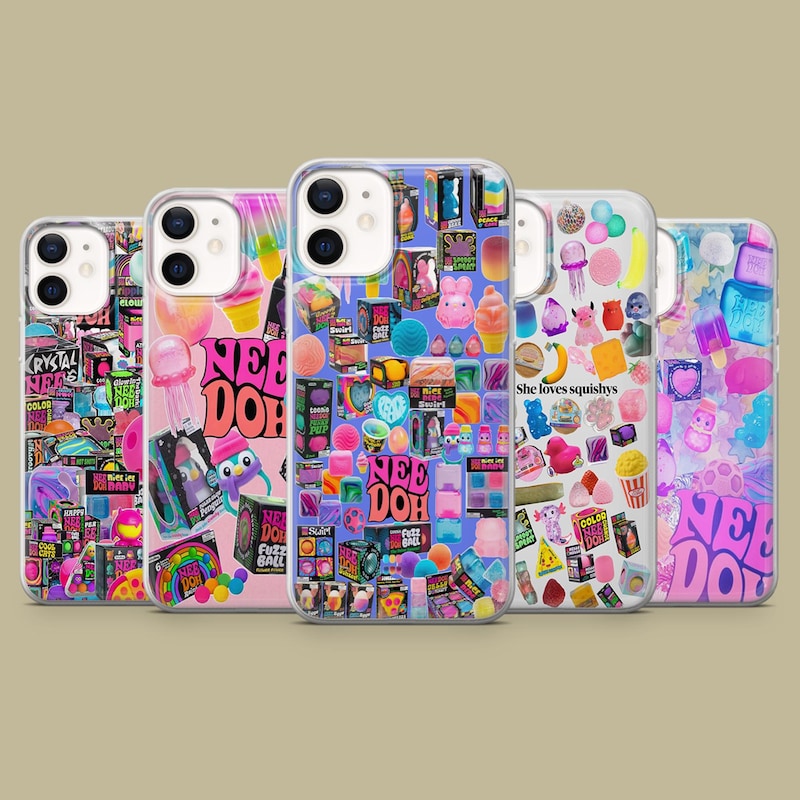
Protective Case Durability vs. Soft Fluid Chambers
The technical challenge boils down to the engineering principles of protective phone case durability. Certified phone cases rely on shock-absorbing, dense materials like thermoplastic polyurethane (TPU), aramid fiber, or rigid polycarbonates. These compounds disperse kinetic energy across a structural honeycomb matrix while facilitating ambient air ventilation away from the battery.
Adding a fluid-filled or dough-filled pouch disrupts thermal regulation in two distinct ways:
- Thermal Insulation: The dense dough acting as a fidget interface insulates the smartphone chassis. The phone cannot shed heat effectively, triggering thermal throttling in the operating system and driving internal temperatures higher.
- Structural Fragility: Unlike the structural TPU surrounding the phone's corners, the fidget accessory’s thin boundary layer possesses low puncture resistance. Friction from denim pockets, coin contact, and repeated compression stress fatigue the material within weeks.
When structural failure occurs, the liquid contents can foul the phone's charging port and speaker grilles while exposing the user to scalding temperatures. The compound clings to human skin like hot wax, making immediate removal difficult and dramatically worsening the severity of resulting skin lesions.
Identifying Early Failure Signs on Fidget Phone Accessories
Users currently carrying a squishy toy phone accessory should inspect the physical state of the attachment daily. Elastomer failures rarely happen instantaneously; they exhibit material warning signs prior to a full rupture.
Visual & Tactile Inspection Checklist:
├── 1. Surface Translucency & Peeling
│ └── The outer skin appears milky, pitted, or develops tacky micro-droplets.
├── 2. Localized Thinning (Herniation)
│ └── One specific bubble forms that does not rebound to original shape.
├── 3. Temperature Sensitivity
│ └── The toy feels uncomfortably hot to the touch after 15 minutes of charging.
└── 4. Scent Emission
└── A sharp sweet or sour chemical odor escaping through microscopic pores.
If any of these conditions are present, safely detach the accessory. Do not cut the toy open or submerge it in boiling water in an attempt to clean the outer skin. Dispose of damaged units in general waste away from pets and small children.
Frequently Asked Questions (FAQ)
Q1: Are genuine NeeDoh stress balls toxic if they burst on skin?
A1: Schylling manufactures NeeDoh products using non-toxic, hypoallergenic compounds that do not contain BPA, phthalates, or lead. The primary injury hazard reported in 2026 is thermal rather than toxicological. When internal filling absorbs high ambient heat inside vehicles or against electronics, it causes severe scald burns on contact regardless of chemical toxicity.
Q2: Is there an official iPhone squish cover recall underway?
A2: As of late 2026, the U.S. Consumer Product Safety Commission (CPSC) has not announced a mandatory nationwide recall of Schylling NeeDoh items or third-party squishy cases. The issue remains contested in federal court via the class action litigation, though several independent e-commerce sellers have pulled unbranded squishy phone covers pending safety updates.
Q3: How should I clean my skin if a hot sensory toy ruptures?
A3: Treat the incident immediately as a thermal burn. Flush the affected area with cool, running tap water for at least 15 minutes to drop the skin temperature. Do not apply ice, butter, or harsh chemical solvents to dislodge stubborn gel. If the substance adheres firmly to the epidermis or blistering appears, cover the area with a sterile, non-adhesive dressing and seek medical attention.
Rethinking Tactile Accessories for Daily Carry Devices
The controversy surrounding sensory phone accessories highlights an overlooked design friction: toys designed for casual indoor leisure are poorly suited for the thermal demands of modern electronics. Smartphones are high-powered pocket computers that operate at elevated temperatures, travel inside sweltering vehicles, and withstand relentless mechanical friction throughout the day.
For users seeking sensory stimulation without physical safety hazards, safer tactile alternatives exist. Textured hard cases with sculpted ridges, matte sandstone finishes, and mechanical haptic accessories provide focus benefits without containing sealed liquids or heat-sensitive chemical doughs. Until manufacturers establish clear thermal durability standards for hybrid sensory electronics, leaving squishy stress balls off mobile devices remains the most reliable way to prevent accidental burns.


