Lipo Max Reviews Exposed: The Deepfake Ad Tactics Behind the Viral Weight Loss Pitch

A slick video surfaces on your morning feed: a familiar daytime host or pop star looks directly into the lens, swearing off diet trends and singing the praises of a formula called Lipo Max. The pitch sounds miraculous, promising rapid fat loss without dietary changes or sweat. Yet behind these seamless viral clips lies an aggressive web of deceptive marketing. As screen technology rapidly advances, highlighted by recent coverage in a Notebookcheck Report tracking ultra-sharp mobile displays, synthetic video generation has become so detailed that spot-checking deception on a smartphone screen is harder than ever.
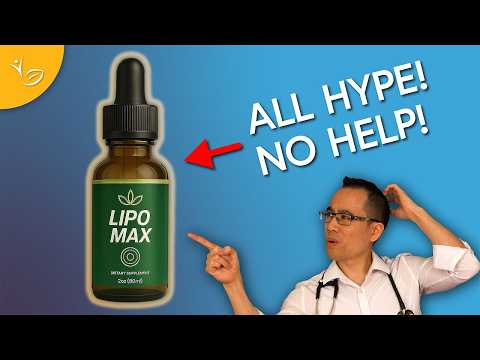
Thousands of consumers searching for candid lipo max reviews discover that the polished endorsements are entirely synthetic. Instead of a medical breakthrough, buyers encounter an elusive dietary supplement scam engineered to lock buyers into draining credit card loops.
📌 Key Takeaways:
- Synthetic Endorsements: Viral social media videos featuring celebrities backing Lipo Max are generated with AI voice clones and lip-sync tools without the subjects' consent.
- Subscription Pitfalls: Consumers attracted by a low-cost trial often face unauthorized recurring charges between $179 and $249 per month through concealed negative-option billing.
- Dubious Formulations: The product relies on generic stimulants rather than proprietary weight loss compounds, carrying real side effects and risks like elevated blood pressure and insomnia.
The Mechanics Behind Synthetic Celebrity Video Pitches
The modern supplement pitch does not rely on late-night infomercials. It thrives on automated algorithmic feeds. Scammers rip archival interview footage of television personalities, podcasters, and musicians, feeding the clips into generative video engines. These platforms alter the speaker's lip movements while matching their vocal timbre to read a pre-written pitch about lipo max weight loss.
Once clicked, these ads route users away from mainstream platforms to counterfeit news domains designed to mimic mainstream journalistic portals. Phony comment sections populated by automated bots rave about dropping 30 pounds in four weeks. Every link on the page funnels directly to an untraceable checkout gateway. In recent years, public figures like Kelly Clarkson, Joe Rogan, and Oprah Winfrey have had their likenesses hijacked in dozens of nearly identical ad templates. These deepfake celebrity endorsements serve one function: disarming consumer skepticism long enough to secure payment information.
Formulations, Ineffective Ingredients, and Hidden Hazards
Sales pages boast that the capsule acts as a simultaneous appetite suppressant and metabolism booster. They flash medical caduceus symbols and reference vague laboratory trials. In reality, the actual active ingredients list tells an ordinary story.
Most batches arrive containing minimal concentrations of cheap, over-the-counter fillers:
- Caffeine Anhydrous: A concentrated stimulant that provides a temporary energy spike but does little for long-term lipid oxidation.
- Green Tea Extract (EGCG): Widely available, offering modest metabolic support when dosed correctly, though often underdosed in proprietary blends.
- Garcinia Cambogia: A tropical fruit extract whose active agent, hydroxycitric acid, failed to show statistically meaningful fat-loss efficacy in peer-reviewed clinical trials.
- Raspberry Ketones: Heavily promoted a decade ago, lacking human clinical trials that substantiate meaningful systemic fat oxidation.
Because these operations rely on unverified white-label manufacturers, quality control remains erratic. The side effects and risks documented across consumer watchboards are not trivial. High concentrations of unregulated stimulants frequently trigger heart palpitations, acute gastrointestinal distress, elevated resting pulse rates, and severe headaches. For individuals with undiagnosed cardiovascular vulnerabilities, taking these unverified formulas represents a dangerous gamble.
Promised Outcomes Versus Documented Consumer Experiences
The divide between promotional claims and verified customer complaints highlights the calculated nature of these sales funnels. While landing pages promise dramatic body transformations with zero lifestyle changes, real-world returns tell an entirely different story.
| Feature / Metric | Marketing Claims | Reported Consumer Reality |
|---|---|---|
| Efficacy & Results | Rapid fat loss of 20, 35 lbs without diet or exercise | Negligible weight shift; jitteriness and mild nausea common |
| Initial Upfront Cost | Promotional "Risk-Free Trial" for $4.95, $9.95 | Immediate total charge of $59, $89 plus unexpected add-ons |
| Subscription Terms | One-time order; no long-term financial commitment | Automatic rebill of $189, $249 every 30 days via hidden terms |
| Customer Service | Dedicated 24/7 client care with no-hassle refunds | Disconnected telephone lines, non-deliverable emails, and rejected returns |
Federal trade monitors note that over 80% of negative feedback on similar white-label supplement funnels centers directly on subscription billing rather than product taste or capsule packaging.
The Negative-Option Billing Structure and Ghost Support
The operational model behind Lipo Max is financial extraction via subscription inertia. When a user fills out the checkout page for what seems like a single bottle, their payment information is enrolled in a negative-option continuity program.
Tucked inside an unchecked, greyed-out terms-and-conditions box lies the legal trap: consumers agree that unless they return the unopened product within an unrealistic 14-day window starting from the purchase date, they will be billed for a full-priced multi-bottle supply.
By the time the product actually arrives in the mail, that trial window has usually expired. The buyer's credit card statement promptly reflects unauthorized recurring charges that can climb past $200 per cycle. Attempting to resolve these refund and billing complaints through official channels rarely succeeds. The telephone numbers provided on packing slips lead to endless holds, third-party call centers with no refund authority, or automated disconnects.
The Regulatory Vacuum Behind Gray-Market Supplements
Why do these entities operate openly? The structural answer lies in the 1994 Dietary Supplement Health and Education Act (DSHEA). Under current federal law, the Food and Drug Administration does not approve dietary supplements for safety or efficacy before they hit commercial markets.
Manufacturers do not have to present clinical trials or verify manufacturing standards before selling online. Regulatory bodies only step in after substantial damage occurs. While an official FDA regulation warning can force an entity to cease operations or alter claims, shell corporations maneuver around enforcement easily. When regulators target a specific business name, the operators dissolve the LLC overnight, re-label the identical bulk capsule stock, and deploy a fresh domain within days.
Furthermore, the before and after claims displayed on these funnels violate basic truth-in-advertising statutes, yet enforcement backlogs mean thousands of illicit storefronts operate uninterrupted for months at a time.
How to Stop Recurring Withdrawals and Secure Your Accounts
If you discover unauthorized charges linked to a Lipo Max shipment on your account statements, standard merchant communication will rarely yield a refund. Direct, defensive financial action is necessary:
- Contact Your Card Issuer Immediately: Inform your bank or credit card provider that you are dealing with unauthorized recurring charges linked to a deceptive subscription funnel. Request an outright block on that specific merchant ID.
- File Formal Chargebacks: Dispute the recent transaction under fraud or failure to deliver promised goods. Provide screenshots of the checkout screen if you captured them, noting the absence of clear subscription disclosures.
- Replace Your Payment Card: Many recurring billing syndicates use dynamic billing descriptors that switch merchant accounts to skirt conventional cancellation requests. Having your bank issue a new card number cuts the authorization chain completely.
- File Regulatory Reports: Submit detailed complaints with the Better Business Bureau (BBB) and the Federal Trade Commission (FTC) via ReportFraud.ftc.gov. While an individual submission may not yield an immediate refund, aggregated complaint volumes trigger broader federal action against processing gateways.
Frequently Asked Questions (FAQ)
Q1: Is Lipo Max an FDA-approved weight loss medication?
A1: No. Lipo Max is classified as a dietary supplement, not an FDA-approved pharmaceutical drug. The FDA does not evaluate dietary supplements for safety, manufacturing purity, or weight-loss efficacy before they are sold to the public.
Q2: Did Kelly Clarkson or Joe Rogan endorse Lipo Max?
A2: No. Any social media or website video showing high-profile celebrities, talk show hosts, or medical personalities promoting Lipo Max is an unauthorized deepfake generated by synthetic AI software.
Q3: How do I get my money back from an unauthorized Lipo Max charge?
A3: Avoid relying on the product support email or phone number. Contact your bank or credit card fraud department directly, report the unauthorized subscription, dispute the charges, and request a merchant block or replacement card.
Navigating Digital Wellness Claims in 2026
The internet is flooded with manufactured certainty. As generative tools make high-definition video cloning trivial, personal discernment serves as the primary barrier against digital fraud. Genuine weight management relies on fundamental metabolic realities: sustained caloric consistency, balanced macronutrient intake, progressive physical exercise, and, when clinically indicated, supervised pharmaceutical treatment overseen by a physician.
No non-prescription dietary capsule can melt fat while a person sleeps. When an online pitch promises extreme physiological changes, pairs them with synthetic celebrity endorsements, and buries its pricing in tiny print, treat the offer with deep skepticism. Protecting your health and your bank balance requires stepping away from synthetic viral campaigns and prioritizing verified medical facts over automated illusions.


