Long Haired Tabby Cat Temperament: Fact vs Fiction on Feline Behavior
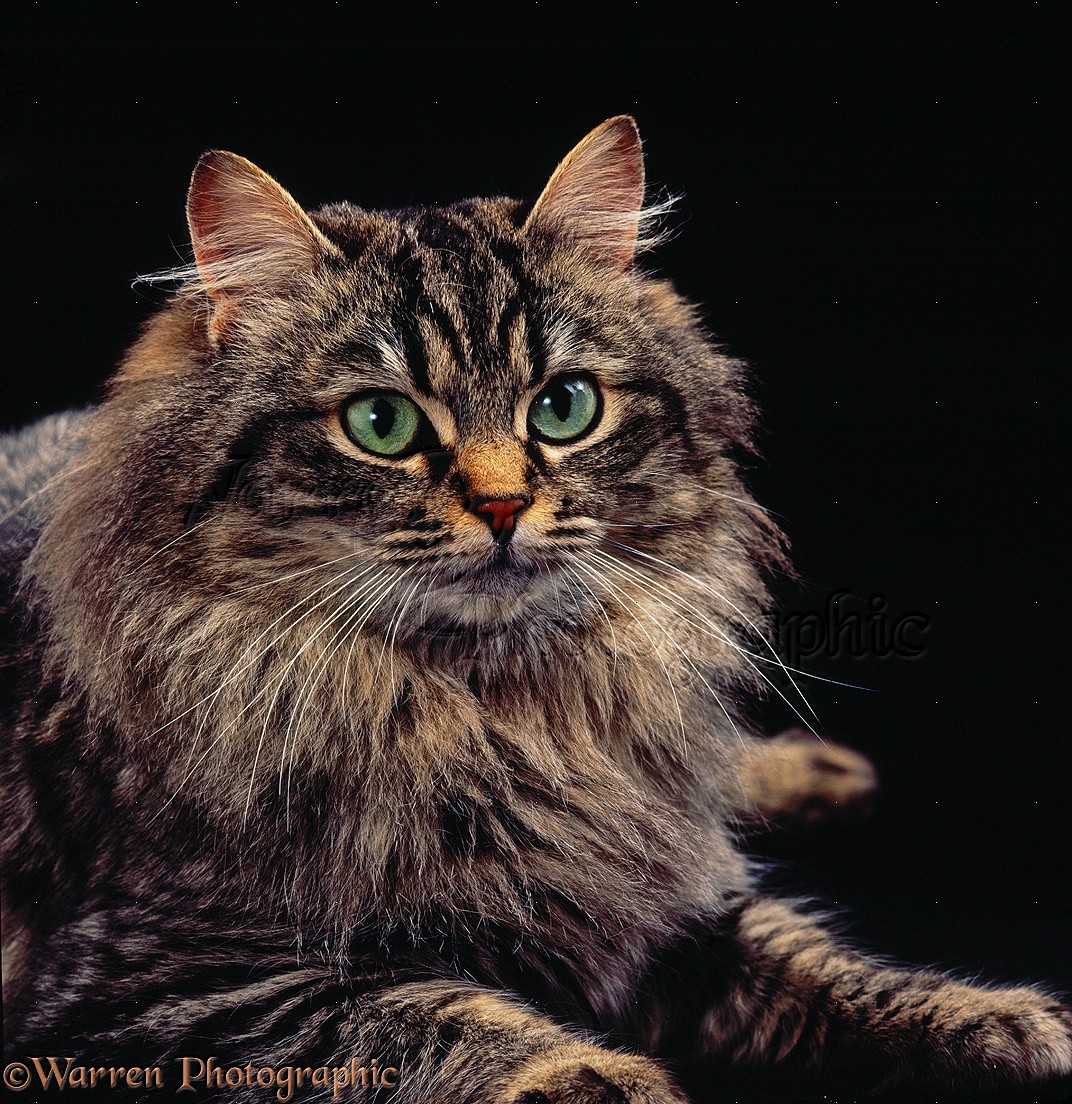
Social platforms often portray the long haired tabby cat as the quintessential gentle giant: an unflappable, plush lap companion made for quiet afternoons. Recent behavioral roundups examining peaceful companion animals, such as the thesprucepets.com Report on calm cat breeds for low-stress households, consistently highlight longhaired lines for their steady presence. Yet animal behaviorists encounter a different reality in clinical consultations. Prospective adopters frequently confuse a striking aesthetic with an innate guarantee of tranquility, discovering too late that coat length and coloration do not write an animal's emotional script.
Coat appearance rarely dictates nervous system wiring. While certain pedigreed lineages display predictable dispositions, the vast majority of longhaired tabbies are random-bred domestic cats whose temperaments reflect early socialization, individual genetics, and physical health. Unraveling the mythology around these animals requires separating feline genetics from internet lore, beginning with the hair follicles themselves.
📌 Quick Summary:
- Genetic Independence: Tabby coat patterns and hair length stem from independent physical genes that have no direct biological link to feline behavioral health.
- Pedigree Versus Random-Bred: Purebred cats like the Maine Coon tabby carry predictable, selected dispositions, whereas standard Domestic Longhair cats display wide, unpredictable behavioral variation.
- Grooming-Induced Friction: Undetected pelt tightness and mats represent one of the leading hidden causes of sudden touch sensitivity and defensive handling aggression.
The Agouti Myth: Why Coat Pigment Does Not Dictate Disposition
The belief that tabby cats possess a uniformly affectionate or mellow temperament remains one of the pet world's most enduring misconceptions. A tabby is not a breed. The term describes an ancestral coat pattern dictated by the feline agouti gene, which governs whether individual hair shafts display bands of alternating pigment. Whether an animal presents classic swirl patterns, mackerel stripes, or ticked coats, these melanin-distributing instructions sit on chromosomes separate from the genetic loci managing neurochemistry, adrenal responses, or stress reactivity.
When researchers test feline personality dimensions across large shelter populations, coat color fails to correlate reliably with sociability or docile handling. A 2024 University of California, Davis survey of feline coat-color stereotypes revealed that guardians routinely project human social ideals onto specific markings, assigning warm, relaxed qualities to orange and brown tabbies while labeling calicos unpredictable. In clinical behavioral testing, however, these perceived differences dissolve.
Individual cat temperament traits emerge primarily during the critical socialization window between two and nine weeks of age. A longhaired kitten handled gently by varied caretakers during this developmental period develops stress resilience. A kitten raised without human touch remains wary, regardless of whether its coat features long agouti stripes or short solid black fur.
Pedigree Genetics: Maine Coons, Norwegian Forest Cats, and Domestic Longhairs
The impression that long haired tabby cats are exceptionally placid often stems from confusion between purebred cats and random-bred domestic felines. Purebred registries deliberately select for human-oriented dispositions alongside physical standards. A pedigreed Maine Coon tabby or a traditional Norwegian Forest cat usually exhibits the measured, dog-like sociability described in breed profiles because breeders have selected against skittishness across dozens of generations.
Random-bred Domestic Longhairs (DLHs) account for over 90% of the longhaired cats living in North American and European homes. These animals do not descend from purebred lines that drifted into the general population; they represent a diverse, landrace genetic pool carrying the recessive gene for long hair.
| Lineage Classification | Temperament Baseline | Coat Maintenance Needs | Behavioral Risk Factors |
|---|---|---|---|
| Maine Coon Tabby | High sociability; vocal, tolerant, interactive | Daily comb-through; silky undercoat | Separation anxiety; spatial frustration in small flats |
| Norwegian Forest Cat | Independent, calm, moderate territorial drive | Dense double coat; seasonal heavy molting | Avoidance under excessive physical restraint |
| Domestic Longhair (DLH) | Highly variable; ranges from feral-wary to docile | Variable texture; prone to friction matting | Touch sensitivity caused by unmanaged coat mats |
Domestic Longhair personality traits cannot be predicted by coat length alone. A DLH kitten adopted from an animal rescue might develop into an aloof wanderer or an intensely cuddly companion. Assuming that long hair brings a guarantee of quiet lap-sitting leaves first-time cat owners unprepared for high-drive, reactive individuals that demand extensive environmental stimulation.
The Grooming-Behavior Connection: How Matted Fur Alters Mood
Long coats introduce physical vulnerabilities that directly manipulate feline mood. Dense undercoats collect dander, shed hairs, and environmental debris. Left unaddressed, this trapped material twists into dense mats that pull skin tight against muscle walls during normal movement.
Everyday petting across the spine, flank, or groin can trigger sharp discomfort if mats are tugging at sensitive epidermal nerve endings. Cats rarely announce this discomfort politely. They twist, growl, or swat when a hand glides across a tender patch. Owners frequently misinterpret this protective reaction as sudden behavioral spite or unpredictable aggression.
Regular grooming and shedding care protects baseline feline behavioral health. Systematic undercoat dematting prevents pelt tightening, which otherwise forces cats into constant physical guarding. A cat enduring perpetual skin tension stays in a heightened state of physiological arousal, lowering its threshold for defensive bites during casual handling.
Professional veterinary behaviorists routinely discover that uncharacteristic irritability resolves entirely once a tangled cat is sedated, clipped, and relieved of coat tension. Keeping a longhaired cat calm requires keeping its skin comfortable.
Hidden Triggers: Sensory Overload and Handling Boundaries
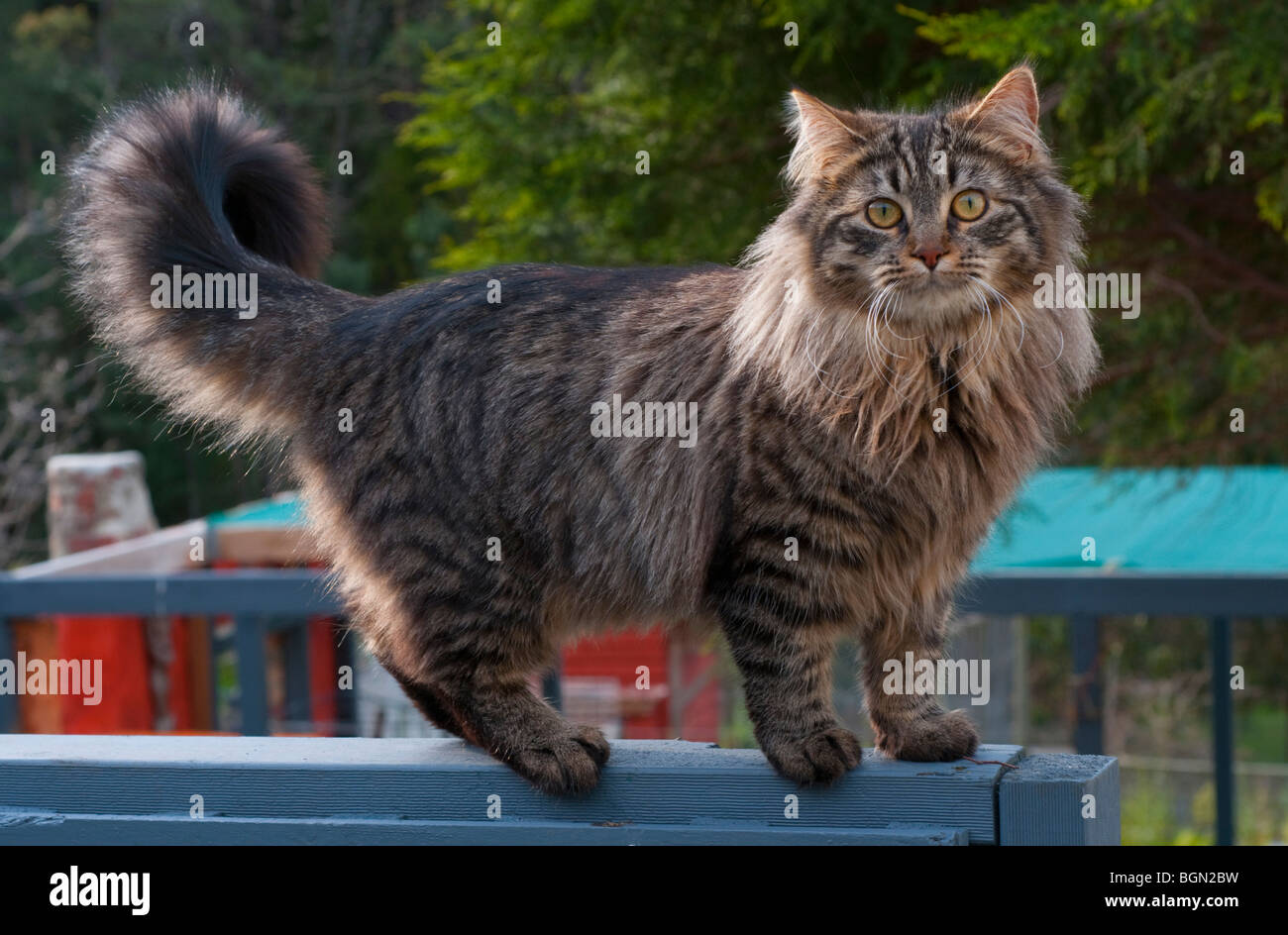
Longhaired cats possess amplified tactile sensitivity. The long guard hairs that cover their bodies act as extended sensory conduits, picking up air currents and physical friction faster than short coats do. For affectionate indoor cats, continuous stroking along the lower spine can push the nervous system from relaxation into sensory overload within minutes.
Veterinary clinics identify several recurring friction points that trigger behavioral pushback in longhaired felines:
- Static Build-Up: Dry indoor heating during winter months charges long coats with static electricity, creating tiny, painful sparks every time human fingers pass down the back.
- Hygiene Frustrations: Fecal matter caught in britches fur causes discomfort and frantic post-litterbox scooting, followed by swatting if an owner attempts immediate physical inspection.
- Invasive Restraint: Pushing a cat onto its back to brush its belly fur triggers primal vulnerability reflexes, sparking defensive scratching.
Recognizing early warning signs, twitching tail tips, flattened ears, rippling skin along the back, and sudden pauses in purring, allows guardians to disengage before the cat feels forced to use its claws. Respecting these small physical signals creates genuine domestic peace.
Creating an Optimal Environment for Longhaired Tabby Cats
A genuinely serene cat requires an environment tailored to its specific physical and mental needs. First-time cat owners often assume calm cat breeds or longhaired DLHs need little more than a soft cushion and a full bowl. Deprived of species-appropriate outlets, even low-energy cats turn to destructive scratching or middle-of-the-night vocalizations.
Environmental enrichment begins with vertical territory. Longhaired varieties need broad, sturdy perches that support larger frames without wobbling. Solid platforms allow cats to survey their living quarters without feeling cornered by household foot traffic or other family pets.
Routine grooming must be paired with positive conditioning rather than forceful pinning. Sessions should last two to three minutes, focusing on a single quadrant, such as behind the ears or under the armpits, accompanied by high-value food rewards. Wide-toothed steel greyhound combs reach down to the skin without ripping live guard hairs, preventing the painful pulling that makes cats dread the sight of a brush.
Frequently Asked Questions (FAQ)
Q1: Are long haired tabby cats naturally calmer than short haired cats?
A1: Scientific evidence does not support the claim that coat length dictates disposition. While pedigreed longhairs like Maine Coons are selected for sociability, mixed Domestic Longhairs exhibit the same spectrum of activity, fear, and affection as shorthairs. Early socialization and physical comfort play far larger roles than fur length.
Q2: Why does my longhaired tabby suddenly bite during grooming?
A2: Sudden biting during brushing almost always signals pain or acute sensory overload. Undercoat mats pull directly on the skin, turning standard brushing into sharp pinches. Long guard hairs also transmit intense tactile sensations, which can cause sudden neurological overstimulation along the lower back and tail base.
Q3: What grooming routine is required to prevent behavior problems?
A3: Preventing coat-related irritability requires comb-throughs three to four times per week using a stainless steel comb that reaches the skin without scraping it. Daily attention is needed during seasonal spring and autumn sheds. Sanitary trims around the hindquarters prevent hygiene-related anxiety and protective aggression.
Rethinking Feline Temperament Beyond the Fur
Judging a cat's potential behavior by its coat color and fur length sets both owner and animal up for friction. The image of the long haired tabby cat as a permanently serene living pillow ignores the complex reality of feline biology. Tabby striping is an evolutionary camouflage pattern, not a neurological promise of patience.
True domestic calm is created through careful daily stewardship rather than coat genetics. When guardians provide proper coat maintenance, respect tactile boundaries, and offer engaging indoor environments, longhaired tabbies can flourish as loyal, engaging housemates. Looking past the romantic myths of fur color allows owners to understand and care for the actual animal living behind the stripes.