Low Rise Sweatpants Surge in Fall 2026: How Loungewear Completely Took Over Everyday Wear
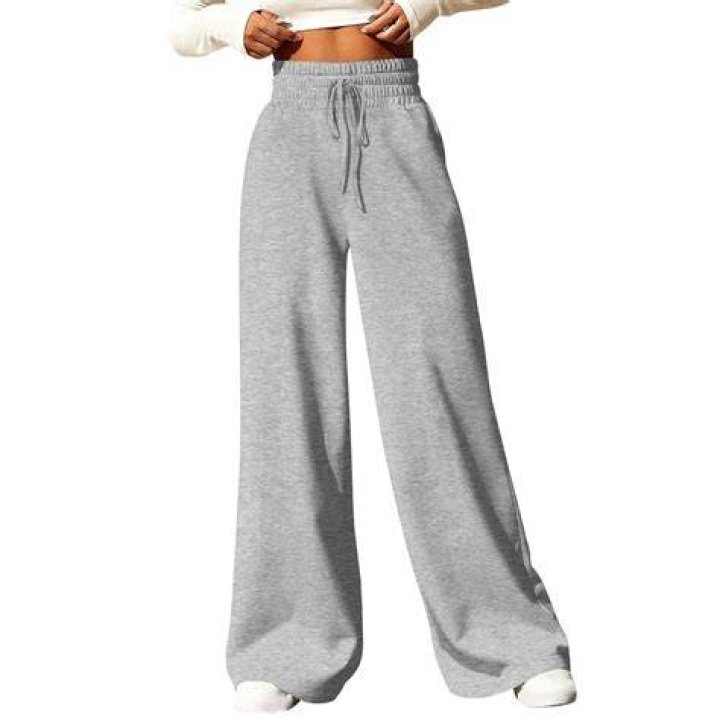
Tailored trousers and rigid high-rise jeans are losing ground to dropped waistbands and pooled hems this autumn. What started as an archival throwback across downtown Manhattan and East London has solidified into an undisputed wardrobe standard across retail and designer spaces. According to a recent instyle.com Report surveying the season's breakout pants, consumers are systematically walking away from structured waistbands in favor of fluid, floor-skimming cuts.
Menswear and womenswear lines have converged on this silhouette simultaneously. When GQ released its mid-year assessment of the market's defining fleece garments in June 2026, low-slung, wider profiles dominated the selections, confirming that relaxed tailoring has migrated permanently into everyday athleisure. The shift is not simply about nostalgia. It represents an intentional pivot toward ease, weight, and architectural volume.
📌 Quick Summary:
- The Trend Shift: The pervasive high-rise waistband of the 2010s has yielded to low-slung cuts sitting squarely on the pelvic bone.
- The Mechanics: Designers are pairing dropped rises with heavyweight French terry and generous wide-leg cuts to avoid the clingy aesthetic of early-2000s predecessors.
- Everyday Utility: Casual styling has evolved, anchoring baggy loungewear against structured wool overcoats, crisp shirting, and low-profile leather sneakers.
The Hip-Slung Shift Moving Beyond High-Rise Dominance
For nearly a decade, waistband heights climbed relentlessly upward. Ribcage-grazing denim and compressional activewear defined everyday casual dress, prioritizing tummy control and rigid sculpting. That construction fatigue reached a breaking point by late 2024. As remote schedules stabilized into permanent hybrid routines, the physical discomfort of stiff buttons and non-stretch waistlines prompted a mass reassessment of daily staples.
The Y2K fashion revival offered a stylistic exit ramp. Early iterations of the aesthetic leaned into campy, replica-driven nostalgia: rhinestone branding, ultra-thin velour, and dangerously low cuts. Designers in 2026 stripped away the novelty. They borrowed the slouch of late-1990s skate apparel and early-aughts R&B wardrobes, reworking those shapes into clean, minimalist proportions.
The modern hip-slung fit avoids the exposed-thong tropes of 2002. Instead, it relies on relaxed rises that sit effortlessly on the iliac crest. The waistband rests without digging. It creates an elongated torso line that changes how outerwear drapes, allowing heavy knitwear and cropped boxy tees to fall naturally without bunching around the belly button.
Silhouette Architecture: Wide Legs, Drawstrings, and Heavyweight Fleece
Proportions make or break relaxed loungewear. The current surge differs fundamentally from the tapered fleece joggers that defined early athleisure. Those slim ankle-cuffed silhouettes tended to look like active gym wear. The modern cut prioritizes pooling hemlines and horizontal expansion.
Designers build these pieces around an oversized silhouette, letting fabric break over the instep of a shoe. Flare sweatpants and wide leg sweatpants create motion while walking, behaving closer to fluid wool trousers than gym tracksuits. Elasticated waistbands now feature extended, flat-woven drawstring cords, frequently left unknotted to enhance the effortless look.
Fabric choice dictates whether the garment reads as sloppy or polished. Thin modal blends collapse against the body, looking flimsy. Luxury fashion houses and streetwear labels rely on heavy 450-to-600 GSM (grams per square meter) French terry and loopback cotton. This weight holds a clean structural line from hip to hem, creating intentional volume that elevates baggy loungewear into genuine streetwear outfits.
| Era & Silhouette | Waist Rise & Placement | Typical Hem Cut | Dominant Fabric Weight |
|---|---|---|---|
| Early 2000s Original | Ultra-low (Below hip bones) | Straight or slight bootcut | Lightweight velour (200, 280 GSM) |
| 2015, 2020 Athleisure | High-rise (At or above navel) | Tapered ribbed ankle cuff | Polyester-cotton fleece (300, 350 GSM) |
| Fall 2026 Standard | Hip-slung (On pelvic bone) | Floor-pooling wide leg / subtle flare | Heavy French terry (450, 600 GSM) |
Streetwear Curation and the Casual Styling Guide
Integrating dropped waistlines into daily rotations requires balancing top and bottom volumes. Throwing an oversized hoodie over low-rise sweatpants produces an unstructured rectangle that drowns the frame. Street-style photographers across Paris and New York show fashion insiders avoiding that trap through calculated contrast.
A tailored wool coat running past the knee instantly sharpens the softness of fleece. Pairing the slouchy trousers with a snug, ribbed baby tee or a cropped cashmere crewneck highlights the waistline without feeling retro-gimmicky. For office-adjacent environments, stylists layer an unbuttoned poplin shirt over a fitted tank top, finishing the ensemble with pointed-toe leather boots peaking out beneath wide hems.
Footwear anchors the entire silhouette. Bulky running shoes can compete with the sweeping fabric, creating visual clutter at the ankle. Sleek court classics, low-profile retro trainers, or minimalist mules allow the leg opening to pool neatly without dragging on the ground.
Fall Loungewear Trends: Materials, Sizing, and Market Realities
The rapid adoption of this cut highlights shifting retail realities. Department store reports in early 2026 revealed that women's denim sales slowed down, while premium knitwear and track bottoms expanded across price points. Shoppers routinely spend $120 to $280 on designer fleece, expecting garments to handle street wear and machine washing without losing their shape.
Care labels matter more here than with standard sweatpants. Heavy cotton terry stretches horizontally with repeated wear, causing waistbands to loosen further. Buying true to size or even sizing down is common practice when selecting pants with an internal drawstring waist.
Preserving the hemline presents the main practical challenge. Floor-skimming lengths face real friction outdoors during autumn rains. Progressive brands now integrate discreet interior drawstrings or snap tabs along the inside hem, allowing wearers to hoist the cuffs clear of wet sidewalks without altering the pant's exterior lines.
Frequently Asked Questions (FAQ)
Q1: How can I wear low rise sweatpants without looking unpolished?
Stick to structured, high-contrast tops and accessories. Pair heavyweight cotton pants with tailored elements like an oversized trench coat, a crisp button-down shirt, or sleek leather footwear. Avoid pairing oversized sweatpants with oversized hoodies unless you want a purely loungewear look.
Q2: Do low rise sweatpants work on shorter frames?
Yes, provided you manage the inseam carefully. Look for wide-leg versions cut with a moderate rise rather than an exaggerated drop. Keep tops cropped at the natural waistband to preserve leg proportions, and choose footwear with a slight platform to keep hems from bunching excessively.
Q3: What fabric weight should I look for when shopping for fall loungewear?
Target French terry or loopback cotton between 450 and 600 GSM. Lighter weights tend to drape clingily and wear through quickly at the hems, while heavier cotton maintains an architectural drape that mimics tailored trousers.
The Evolution of the Relaxed Daily Uniform
The dominance of relaxed waistlines signals a lasting transformation in everyday dressing. Consumers who spent years wrestling with rigid high-rise cuts have realized that physical ease does not require abandoning visual polish. By anchoring wide-leg cuts in premium, structured textiles, the industry has turned relaxed loungewear into a legitimate building block of modern urban style. As winter approaches, expect waistlines to remain right where they are: comfortably slung low, loose, and untethered from traditional tailoring rules.


